Roofing Guide
Siding Installation Brookfield CT: Materials, Cost, Process
By Jose ZarumaPublished
- siding installation
- brookfield ct
- connecticut
- siding
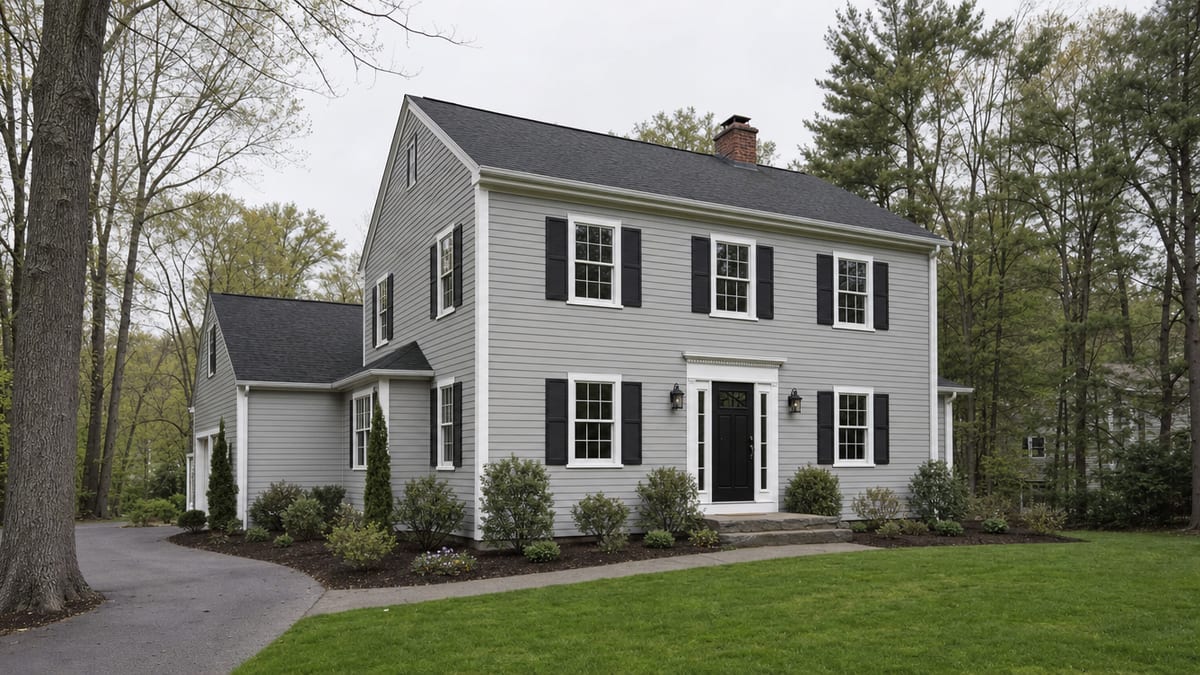
You are standing in the driveway looking at your own house, and the siding is the problem. Maybe the panels have gone chalky and faded, a few are cracked or hanging loose, or there is a soft spot near the bottom of a wall that you are quietly worried is rot. You are not ready to line up five contractors yet. You want to understand what you are actually looking at first, so that once the quotes start coming in, nobody can talk circles around you. Siding installation in Brookfield CT is often sold like a paint color, one panel style swapped for another, but that framing hides the part that matters most. Good siding is a water management system with a finish layer on top, and the difference between a wall that lasts thirty years and one that rots in five is mostly hidden behind the cladding. This article walks through the warning signs, the materials, what a real installation includes, and what moves the price, so you can read an estimate line by line.
Key Takeaways
Siding is a drainage system, not just a finish
What sits behind the panels, the weather barrier, flashing, and a drainage gap, decides whether your walls stay dry, so those details matter more than the color.
What is hidden changes the whole job
Rot or soft sheathing found during tear-off has to be repaired before new siding goes on, which is why an honest scope allows for what is behind the old cladding.
Compare the full scope, not the panel price
Two quotes can look far apart because one includes flashing, sheathing repair, and disposal and the other does not, so the real comparison is what each covers.
Why New Siding Is Really About Keeping Water Out
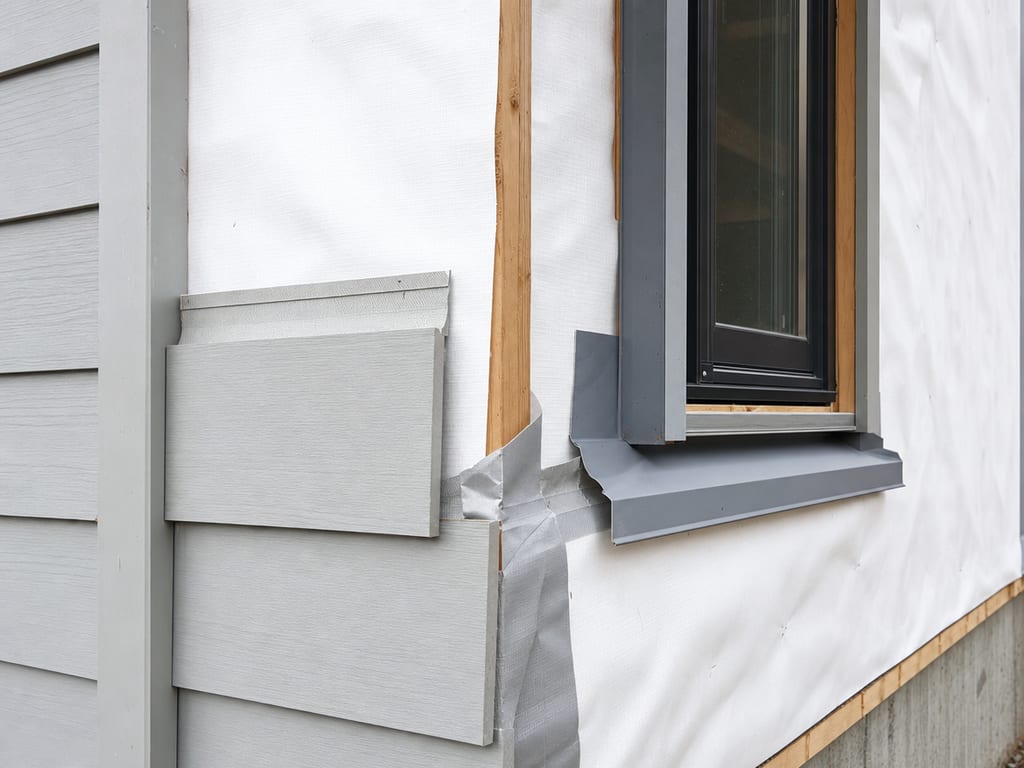
Siding has two jobs, and only one of them is visible. It makes the house look finished, and it manages the water that hits the wall in every storm. Rain does not just bounce off a wall. Some of it gets past the outer surface, and a properly built wall is designed to catch that water and drain it back out before it reaches the wood. Building science guidance on the drainage plane behind exterior wall cladding describes exactly this: the layers behind the panels do the real work of keeping a wall dry.
That is why siding sold as a simple cosmetic swap so often disappoints. When a crew covers an old wall without checking the weather barrier, the flashing, and the sheathing underneath, they are painting over a system that may already be failing. New siding in Brookfield CT should start with what is behind the cladding, not just what goes on top of it. Once you see siding as drainage plus appearance, the rest of the decisions make sense.
The Warning Signs That Point to Siding Replacement
Siding rarely fails all at once. It gives you signals, and reading them early is the difference between a planned project and an emergency. Some signs are on the surface, and some show up inside the house, which is why a good inspection looks in both places. If you are seeing several of the signs below, siding replacement in Brookfield is worth pricing out before the next winter.
- Cracked, loose, or warped panels: Panels that have pulled away, buckled, or split let water reach the wall behind them.
- Rot, soft spots, or insect damage: A soft area near the base of a wall often means moisture has already gotten in.
- Fading, chalking, or paint that keeps failing: Repeated finish problems can signal that the material is at the end of its life.
- Water stains or moisture inside near exterior walls: Interior clues often point to a flashing or drainage failure outside.
- Repeated repairs and open joints: When you are patching the same wall again and again, replacement is usually the better spend.
What a Real Siding Installation Includes
A siding project is a wall system, not a stack of panels, and the parts you never see are the ones that keep the house dry. When you look at an estimate, the presence or absence of these steps tells you whether you are comparing complete jobs or just panel prices. The list below is what a thorough new siding project can involve, and it is worth asking any contractor which of these they include.
- Old siding removal and disposal: Tearing off the existing material so the wall can be inspected and built back correctly.
- Sheathing inspection and rot repair: Checking the wood behind the siding and replacing anything soft or damaged.
- Air sealing and a weather-resistive barrier: The housewrap layer that sheds water and controls drafts.
- Flashing and window and door integration: Metal and membrane details that keep water out at every opening and seam.
- A drainage gap where specified: A rainscreen space that lets any water that gets in drain and dry.
- Trim, corners, and panel installation: Starter strips, corner posts, and the siding itself, installed to allow movement.
- Coordination with soffit, fascia, and gutters: Tying the wall into the roof edge so water moves off the house cleanly.
Vinyl Siding: Low Maintenance, Installed Right
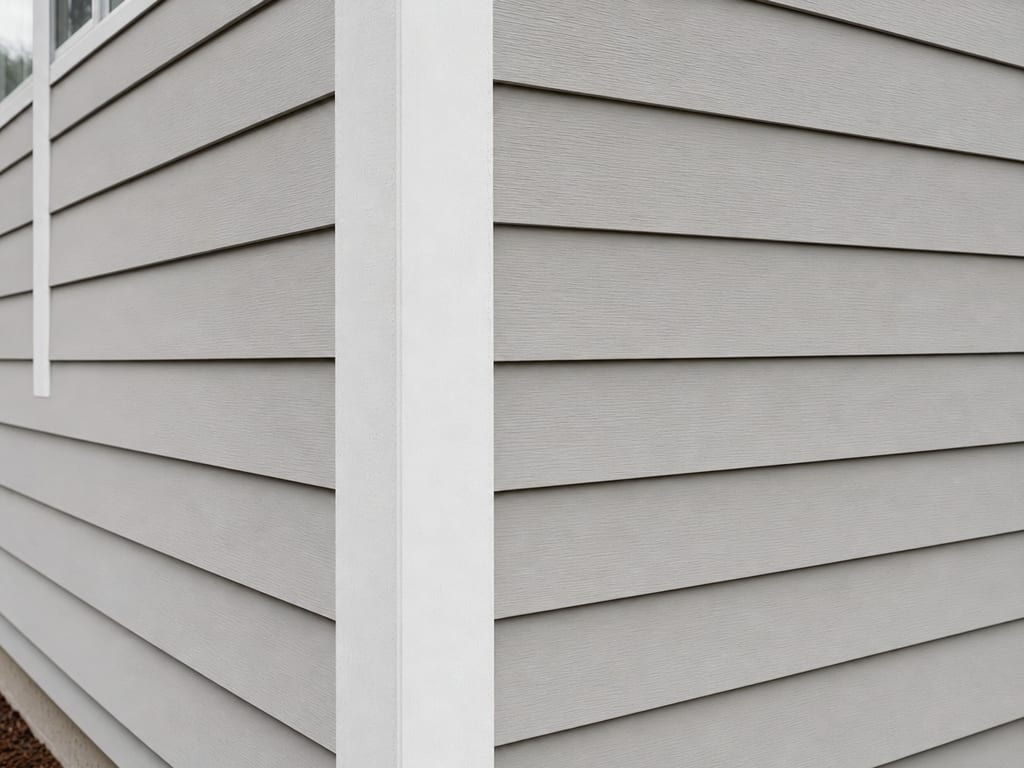
Vinyl siding in Brookfield CT is popular for good reasons. It offers a wide color selection, lower upkeep than wood, and a cost that fits many budgets. The catch is that vinyl only performs when it is installed correctly, and that is easy to get wrong. Vinyl expands and contracts with temperature, so it has to be hung loosely and never nailed too tight. Panels fastened hard against the wall buckle in summer heat and crack in winter cold.
Color and exposure matter too. Darker colors absorb more heat, so panel thickness and the manufacturer's requirements become more important on a sun-exposed wall. Good vinyl work is not just fast clipping of panels. It is careful attention to movement, fastening, and the trim details that make the finished wall look intentional rather than cheap.
Fiber Cement Siding: Durable and Wood-Like
Fiber cement siding in Brookfield appeals to homeowners who want the look of wood with more durability. It resists fire, holds up to weather, and takes paint well. It is also heavier than vinyl and less forgiving to install, which means it depends on correct cutting, fastening, clearances, flashing, and finishing to perform as promised. Following the manufacturer installation requirements is not optional; it is what keeps the warranty and the wall intact.
One detail to plan for is finishing. Some fiber cement products come factory-finished, and others are painted in the field. If yours is field-finished, the paint schedule becomes part of the project, and coordinating that with quality exterior painting is worth doing up front rather than as an afterthought.
Other Siding Materials Worth Knowing
Vinyl and fiber cement cover most Brookfield projects, but they are not the only choices, and the right material depends on your home, your budget, and the look you want. A short tour of the alternatives helps you ask better questions when a contractor recommends one over another. None of these is automatically better; each trades cost, maintenance, and appearance differently.
- Cedar and engineered wood: A natural or wood-look finish with more upkeep, engineered wood aiming for wood's look with more stability.
- Aluminum: A durable metal option, though it can dent and show wear differently than vinyl.
- Insulated vinyl: Vinyl with a foam backing that adds rigidity and some thermal benefit.
- Composite panels and masonry accents: Options for specific looks, often mixed with a primary siding for character.
Permits, Historic Review, and Lead-Safe Rules in Brookfield
Before any panels come off, it is worth knowing what the town requires, because siding work can trigger more review than homeowners expect. Siding replacement may need building review, especially when the project touches sheathing, insulation, structural components, or windows. Historic properties can require an added layer of review before work starts. Brookfield's Building Department is the place to confirm exactly what your project needs, and a good contractor handles that step for you.
There is also a health rule that catches many older homes. Disturbing painted siding and trim on a home built before 1978 may fall under the EPA's lead-safe renovation rules, which require certified work practices. Brookfield has plenty of older housing stock, so this is a real consideration that affects both how the work is done and what it costs. A contractor who has never mentioned it on an older home is a warning sign.
What Drives Siding Cost in Brookfield
There is no honest flat price for a siding job, and siding cost in Brookfield Connecticut depends on far more than wall area. Two homes of the same size can price very differently based on what is behind the old siding, how tall the walls are, and how much trim and detail the design calls for. The table below breaks down the factors that move the number, so you can read an estimate instead of just reacting to the total.
What Moves the Price of a Siding Project
More surface and greater height mean more material, labor, and safe access setup.
Tap a factor to see how it moves the price.
Because so much depends on what is hidden until the old siding comes off, the fair way to price a job is a real inspection and a written scope. That protects you from the lowball that grows once rot appears and from paying for work you do not need.
How the Installation Actually Goes
A well-run siding project follows a clear order, and knowing that order helps you tell a careful crew from a rushed one. It starts with inspection, inside and out, to read the warning signs and confirm what the walls need. From there the contractor measures, helps you select material, and defines the flashing and weather-barrier scope before anyone touches the house.
Once permits are confirmed and the property is protected, the crew removes the old siding where included, inspects and repairs the sheathing, and installs the weather-resistive layer and flashing. Only then do the siding and trim go on, with the movement and clearances each material needs. The final steps tie the wall into the gutter installation, roofing, and penetrations, then inspect the details and clean up. When siding and roofing are coordinated at the roof-wall intersections and fascia, the whole exterior sheds water as one system, which is why pairing it with a planned roof replacement sometimes makes sense.
How to Choose a Siding Contractor You Can Trust
The right siding contractor in Brookfield CT is the one who talks about what is behind the cladding, not just the color options. Ask how they handle flashing at windows and doors, how they inspect and repair sheathing, and what weather barrier they use. A contractor who answers those questions clearly is thinking about the wall as a system. One who only wants to talk about panel style and price is selling you the finish and skipping the part that keeps water out.
Credentials are easy to verify and worth checking. Look for a licensed and insured contractor; in Connecticut that includes a Home Improvement Contractor registration, and ours is CT HIC #0633301. On a larger exterior project that ties several trades together, it also helps to work with a team that offers full general contracting, so the siding, roofing, and carpentry are coordinated by one accountable crew rather than three separate ones.
Common Pitfalls to Avoid
Most siding failures trace back to the same handful of shortcuts, and nearly all of them happen behind the panels where you cannot see. Knowing them helps you spot corner-cutting before you sign.
- Covering rot instead of repairing it: New siding over soft sheathing just hides a growing problem.
- Missing or sloppy window and door flashing: The most common leak point on a resided wall.
- Nailing vinyl too tightly: Panels that cannot move will buckle and crack.
- Caulking the drainage openings: Sealing the gaps that are meant to let water escape traps it inside.
- Installing over wet sheathing: Locking in moisture invites rot and mold.
- Ignoring roof-wall flashing coordination: A wall and roof that are not tied together leak where they meet.
- Comparing only the panel price: The cheapest quote is often the one leaving out flashing, repair, and disposal.
Frequently Asked Questions About Siding Installation in Brookfield, CT
Can new siding be installed over old siding?
Sometimes, but it is often a mistake. Covering the existing wall can hide rot, flashing defects, and uneven conditions that will keep causing problems. Removing the old siding lets the contractor inspect and repair the sheathing and build the wall back correctly.
Is vinyl siding really maintenance-free?
No. Vinyl is low maintenance, not no maintenance. It still needs periodic cleaning, inspection, and repair of any damaged panels or failed sealant. Installed correctly, it holds up well, but it is not something you install and forget.
Does fiber cement siding need to be painted?
It depends on the product. Some fiber cement comes factory-finished, and some is painted in the field. Either way, following the manufacturer's finishing system matters, so plan the paint schedule into the project when it applies.
What affects the cost of a siding project?
Material, wall area, number of stories, tear-off and disposal, any sheathing repair, flashing and weather barrier, insulation, trim, access, and lead-safe work on older homes. Because several of these are unknown until the old siding is off, an honest price follows an inspection.
Should siding and roofing be coordinated?
Yes, especially at the roof-wall intersections, fascia, soffits, and gutters. When those transitions are flashed and tied together, the exterior sheds water as one system. Coordinating the two trades avoids the leaks that show up where a wall meets a roof.
Does siding replacement require a permit in Brookfield?
It can, particularly when the work involves sheathing, insulation, structural elements, or windows, and historic properties may need extra review. The safe path is to confirm with Brookfield's building office before work begins, which a good contractor will handle.
Quick Siding Installation Knowledge Check
1. What is the most important job of a siding system besides appearance?
2. Why should new siding usually not just be installed over old siding?
3. What happens when vinyl siding is nailed too tightly?
4. On a home built before 1978, what rule may apply when disturbing painted siding?
5. Why can two siding quotes look so far apart in price?
Final Thoughts
Good siding is a system, and the parts that matter most are the ones you never see. The weather barrier, the flashing, the condition of the sheathing, and the drainage behind the panels are what keep your walls dry, long after the color has stopped being the exciting part of the decision. When you understand that, you can read an estimate for what it really is, and tell the difference between a complete job and a panel price dressed up to look like one.
Handled correctly, new siding protects the structure of your home, improves how it looks, and holds up through Connecticut's freeze-thaw winters and summer storms for decades. The money is well spent when the wall behind the siding is built to shed water, not just to look good on installation day.
If your siding is cracked, faded, or hiding damage you cannot quite see, we can help you sort out the options. American Quality Roofing and Siding has served Brookfield, CT and the surrounding Central and Western Connecticut area since 2006, and siding is right in our name alongside roofing, gutters, downspouts, skylights, and interior and exterior painting. We are licensed and insured, CertainTeed ShingleMaster PRO certified, and hold an A+ BBB rating and CT HIC #0633301. Call us for a free, no-pressure estimate, and we will start with what is behind the cladding, where a lasting siding job really begins.
Serving Brookfield, CT
This guide is part of our exterior work in Brookfield. See our roofing contractor services in Brookfield, CT.
Written by Jose Zaruma, American Quality Roofing and Siding.
← Back to the blog