Storm Damage Roofing Repairs in Central and Western CT
When a storm hits your home, American Quality Roofing and Siding helps Connecticut homeowners assess, repair, and restore their roofs quickly so you can stop worrying and get back to normal.
Your Roof Took a Hit. Here's What Happens Next.
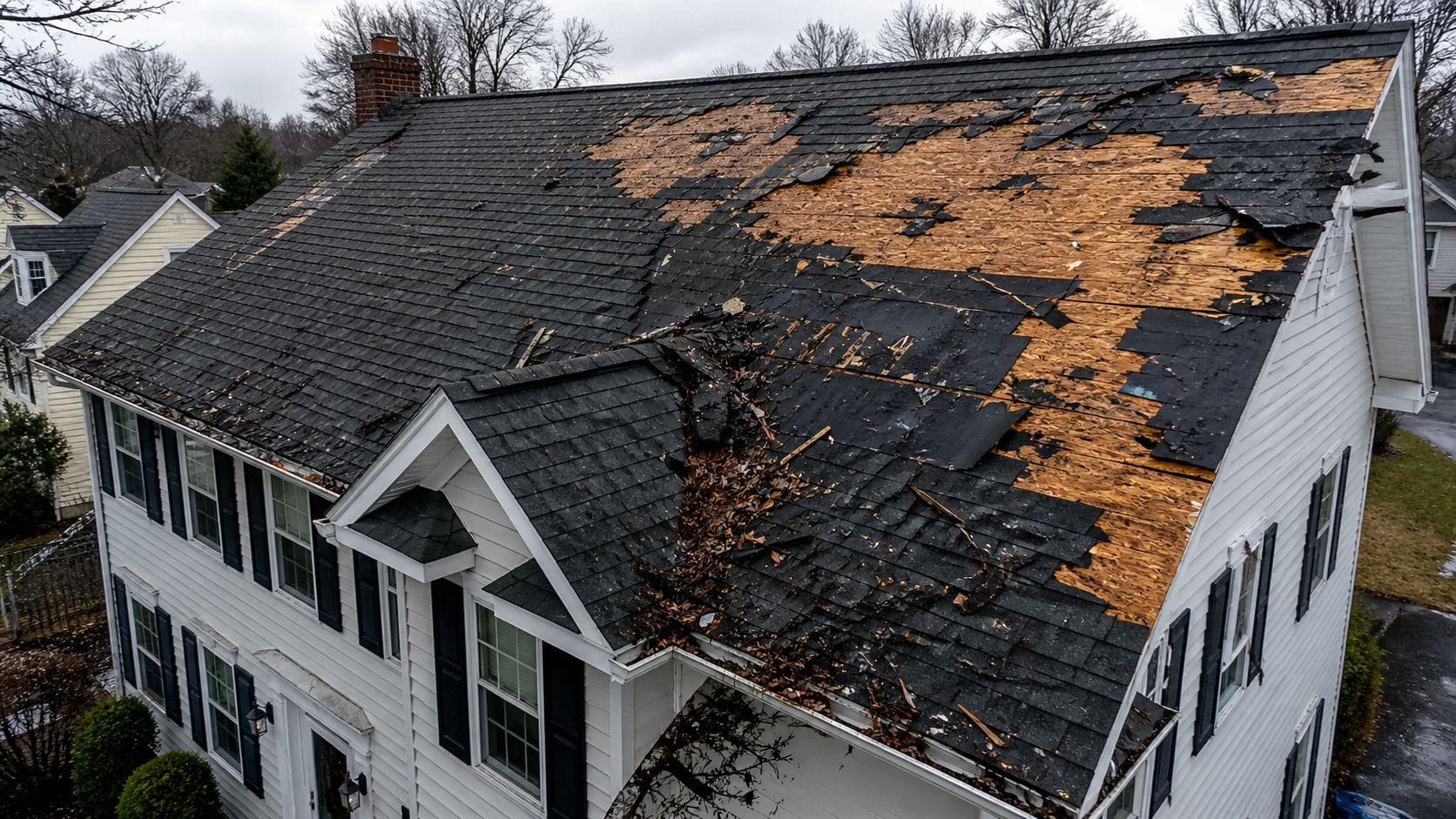
Storm damage doesn't wait for a convenient time. A bad nor'easter, a summer hailstorm, or straight-line winds can tear off shingles, crack flashing, and open your roof to water intrusion within hours. The longer that damage sits without attention, the more your home is at risk and the more complicated the repair becomes.
At American Quality Roofing and Siding, we respond quickly because we know how much is on the line. Whether you've got a few missing shingles or a section of your roof that's been seriously compromised, our team will assess the situation honestly, walk you through your options, and get your home protected. No runaround. No upselling. Just straight answers and solid work.
We serve homeowners throughout Central and Western CT, including Fairfield County, Litchfield County, and the surrounding areas. If your roof has taken storm damage, call us at (203) 470-0974 and we'll get someone out to you.
What Storm Damage Actually Does to a Connecticut Roof
Connecticut weather is not gentle. Winters bring heavy snow loads, ice dams, and freeze-thaw cycles that stress roofing materials year after year. Spring and summer bring severe thunderstorms, hail, and wind gusts that can exceed 60 miles per hour in parts of Western CT. Fall brings nor'easters that pile rain and wind onto already-tired roofing systems. Every one of these events can leave your roof in worse shape than it was before.
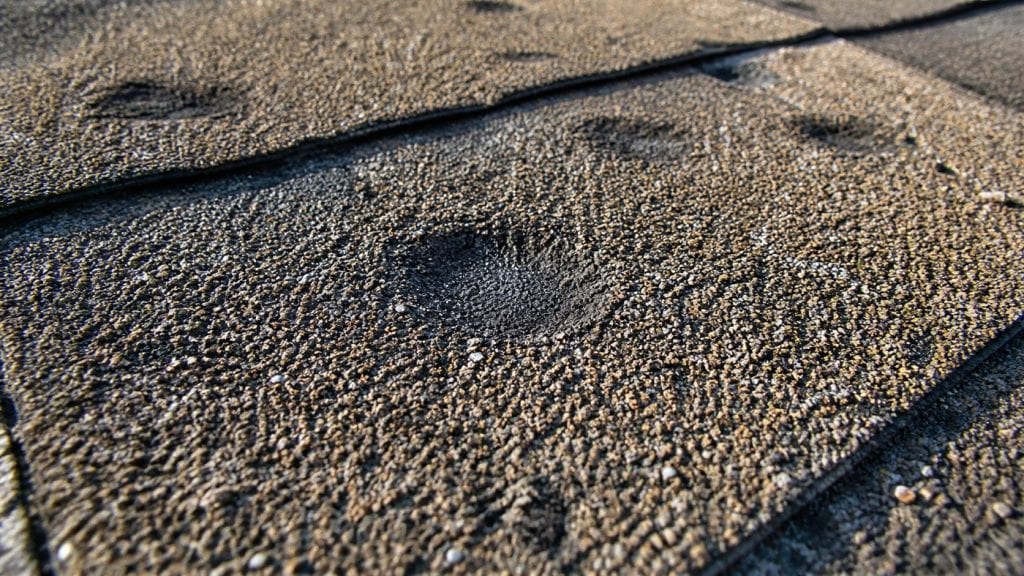
Hail is one of the most deceptive culprits. From the ground, your roof might look perfectly fine after a hailstorm. But up close, hail impacts bruise and fracture the granule layer on asphalt shingles, exposing the underlayer beneath. That exposure accelerates aging and creates entry points for water. Insurance adjusters see this damage clearly. Homeowners often miss it entirely until a leak shows up months later.
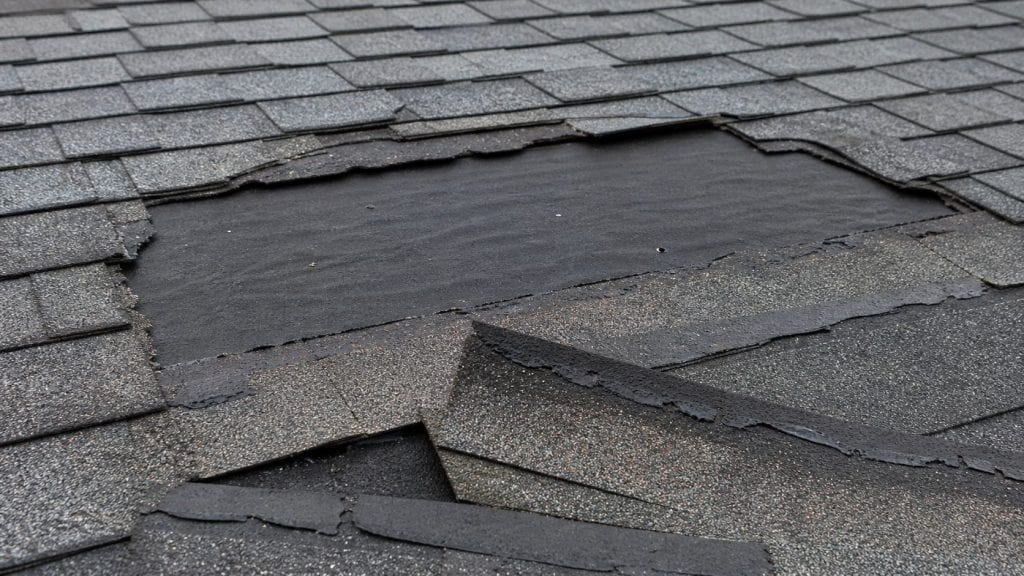
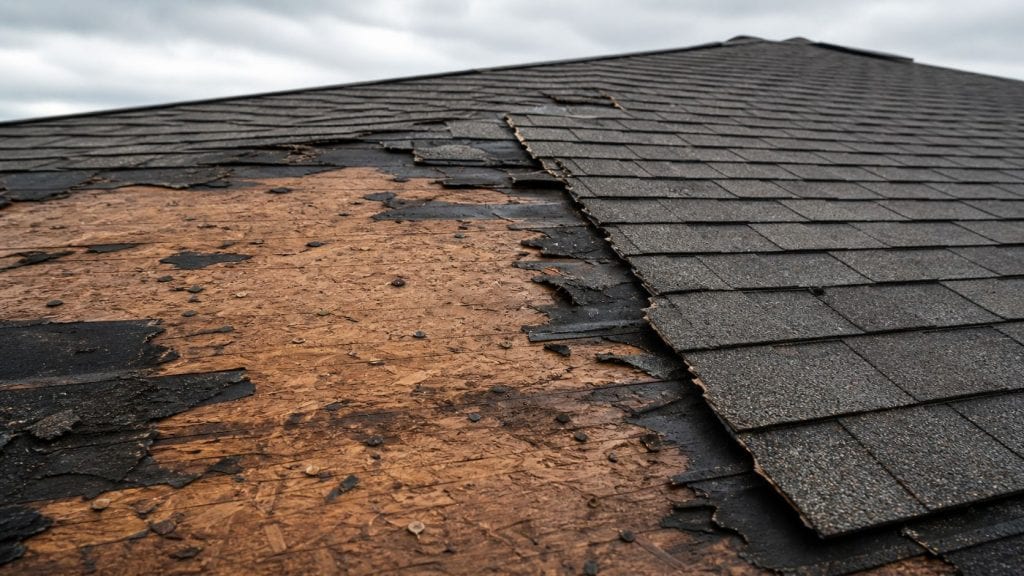
Wind damage is more visible but equally variable. High winds can lift shingle tabs and break the adhesive seal that holds them flat against the roof deck. In more severe cases, entire sections of shingles get torn away, leaving the underlayment or decking exposed. Damaged flashing around chimneys, skylights, and roof edges is another common wind-related problem and one of the more frequent sources of persistent leaks that homeowners struggle to trace.
Water intrusion after the storm is its own separate problem. If shingles are compromised or flashing has shifted, rainwater gets in and can travel along the decking before dripping somewhere inside your home. By the time you see a water stain on your ceiling, moisture has often been sitting in your attic or wall cavity for days. That's when mold, rot, and structural damage become real concerns.
Signs Your Roof Has Storm Damage (Even If It's Not Obvious)
Many homeowners don't realize their roof has been damaged until they spot something inside the house. Here are the things worth looking for after any significant storm, both on your roof and inside your home.
Missing or Lifted Shingles
If you can see bare patches on your roof from the ground, or notice shingle pieces in your yard after a storm, you've got exposed areas that need immediate attention. Even a small gap in coverage can allow significant water intrusion during the next rain event.
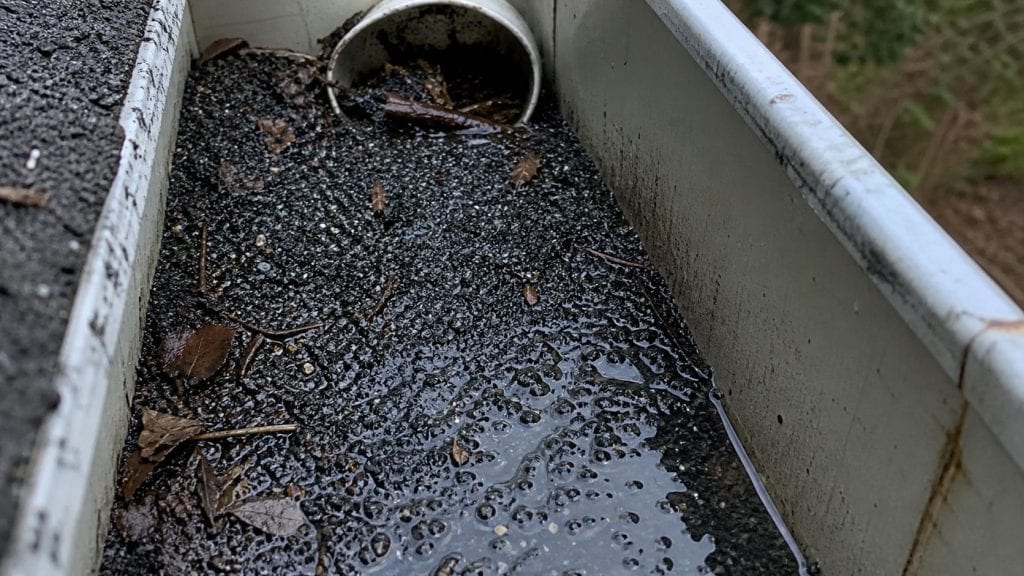
Granules in Your Gutters
After a hailstorm or heavy rain, check your gutters for a gritty buildup of asphalt granules. Some granule loss over time is normal, but a large amount following a storm indicates that your shingles have taken real impact damage and are losing their protective coating.
Dents or Bruising on Shingles
Hail leaves circular dents or soft spots on asphalt shingles. These may feel spongy when pressed and often appear darker than the surrounding material. Metal components like flashing, gutters, and vents will show visible dents from hail impacts, which is sometimes easier to spot than shingle bruising.
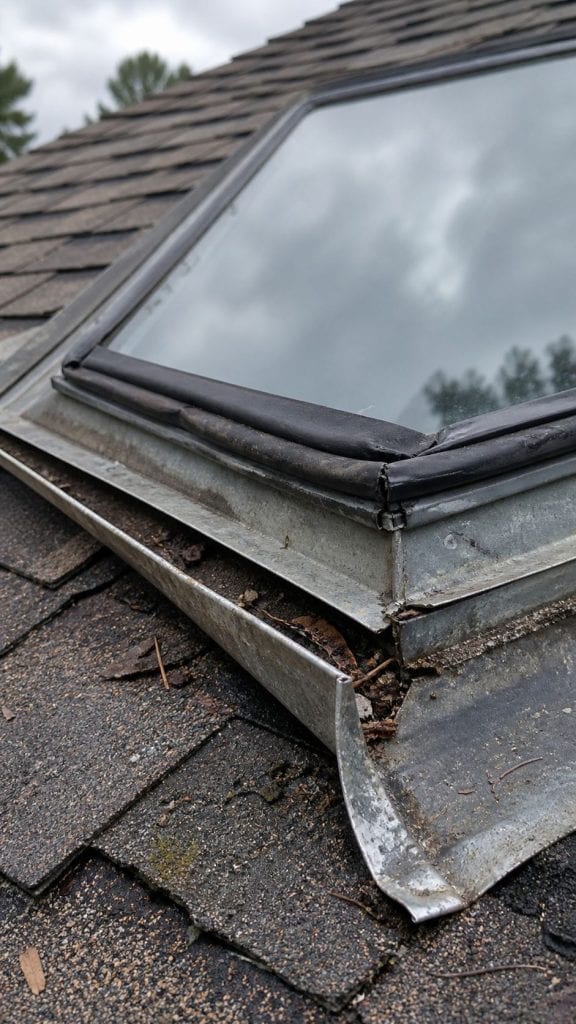
Damaged or Displaced Flashing
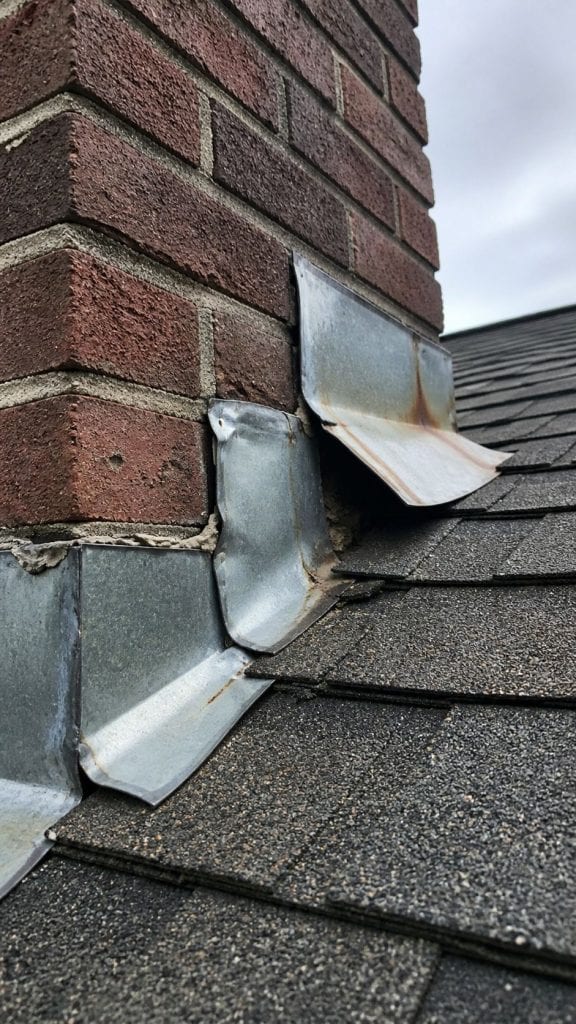
Flashing seals the transitions between your roof and features like chimneys, skylights, and vent pipes. Wind and impact can shift or crack this material, creating a gap where water sneaks in. Flashing problems are subtle but they cause a disproportionate share of persistent roof leaks.
Water Stains on Ceilings or Walls
A yellow or brown stain on your ceiling after a storm is a clear signal that water has gotten through somewhere. The stain rarely appears directly below the entry point because water travels along rafters and decking before dripping down, so the source of the leak is often several feet from where you see the stain.
Sagging Areas or Soft Spots
If part of your roof deck feels spongy when walked on, or you can see a visible sag from the ground, that's a sign of moisture-damaged decking or structural stress. This is more urgent than it looks and needs to be addressed before the next significant rainfall adds more weight and pressure to an already weakened area.
Our Storm Damage Repair Process
We keep our process straightforward because storm situations are already stressful enough. Here's what working with American Quality Roofing and Siding looks like from first call to final inspection.
- 1
Roof Inspection and Damage Assessment
Roof Inspection and Damage Assessment
We start with a thorough inspection of your roof, including the decking, underlayment, flashing, gutters, and all penetrations. We look for both the obvious damage and the kind that isn't visible from the ground. You'll get a clear, honest assessment of what was damaged, what's at risk, and what needs to happen next. We don't manufacture problems, and we don't minimize them either.
- 2
Documentation for Your Insurance Claim
Documentation for Your Insurance Claim
If you're planning to file a homeowner's insurance claim, documentation is everything. We photograph and document all damage in a way that supports your claim clearly. We can work alongside your insurance adjuster during their inspection and provide the detailed information they need to process your claim accurately. Having a knowledgeable contractor present during that adjuster visit can make a real difference in the outcome.
- 3
Emergency Protection If Needed
Emergency Protection If Needed
If your roof has significant open areas or is actively allowing water in, we don't leave you exposed while paperwork gets sorted. We can install temporary protective measures, such as tarping over compromised sections, to keep water out until permanent repairs are underway. This step protects your interior from further damage and gives you breathing room during the claims process.
- 4
Repair or Replacement Planning
Repair or Replacement Planning
Once we have a clear picture of the damage, we walk you through your options. Sometimes a targeted repair is the right call, replacing damaged shingles, resealing flashing, or patching a compromised section. Other times, especially when storm damage compounds years of wear, a full roof replacement makes more financial sense. We'll be honest with you about which approach fits your situation, your budget, and your roof's overall condition.
- 5
Professional Repair or Replacement
Professional Repair or Replacement
Our crew gets to work with quality materials from manufacturers we trust, including GAF and CertainTeed product lines. Every repair we make is done to last, not just to get you through the next few months. We pay close attention to the details that affect long-term performance: proper nailing patterns, flashing integration, underlayment overlap, and ridge ventilation. Cutting corners on those fundamentals is how roofs fail prematurely.
- 6
Final Walkthrough and Cleanup
Final Walkthrough and Cleanup
Before we call the job complete, we do a final inspection with you to confirm the repair meets our standards and yours. We clean up the job site completely, including running a magnet over your yard and driveway to pick up stray nails. You shouldn't be left with a mess after trusting us with your home.
Navigating Your Insurance Claim Without the Headaches
Filing a storm damage insurance claim is something most homeowners don't have much experience with, and it can feel confusing when you're also trying to deal with a damaged home. That's an area where having the right contractor in your corner genuinely matters.
We're familiar with how insurance adjusters evaluate roofing damage in Connecticut. We know what they look for, how they document findings, and what kinds of repair scopes typically get approved. When we're on-site during an adjuster visit, we can point out damage that might otherwise get missed and make sure the full scope of the problem is captured in the documentation.
One thing worth knowing: your homeowner's policy likely has a window for filing storm damage claims. That window varies by insurer and policy type, but waiting too long can complicate or invalidate your claim. If you've had a recent storm roll through and you're not sure whether your roof was affected, it's worth getting an inspection sooner rather than later. You don't have to commit to a repair to have us take a look.
We work with your insurance process, not against it. We don't push you toward inflated scopes or encourage you to claim more than what's actually damaged. Our job is to give you an accurate picture, help you get what you're legitimately owed, and then do the repair properly.
Why Central and Western CT Homeowners Call Us First
There's no shortage of roofing contractors in Connecticut. After a major storm, out-of-state storm chasers show up door to door with fast deals and low prices, then disappear when something goes wrong. We understand why that's tempting when you're stressed and your roof is damaged, but it's also one of the biggest mistakes homeowners make in the aftermath of storm damage.
American Quality Roofing and Siding has been serving Central and Western CT for years, and we'll be here long after any storm passes through. We're a CertainTeed ShingleMaster PRO credentialed contractor and hold an A+ rating with the Better Business Bureau. We're also a licensed Connecticut contractor (CT ID #HIC 0633301) and fully insured.
Those credentials matter because they reflect something real about how we operate. Our CertainTeed ShingleMaster certification requires documented training, demonstrated installation standards, and accountability for the work done. Working with a credentialed contractor also gives you access to enhanced manufacturer warranties covering both materials and workmanship, a layer of protection most roofing companies simply can't offer.
We also know the specific challenges that Connecticut weather creates for roofing systems. Ice dams are a real issue in our winters and require a different approach to underlayment and ventilation than what works in warmer climates. Our team understands local building codes, the materials that hold up best in our climate, and the installation details that separate a roof that lasts 30 years from one that develops problems in five.
Storm Damage Repair: Frequently Asked Questions
As soon as it's safe to do so, ideally within a day or two of the storm. Insurance policies often have claim-filing deadlines, and the longer you wait, the harder it becomes to prove which damage was caused by the storm versus pre-existing wear. Getting an inspection quickly also helps you identify any active leak risks before the next rain event makes things worse.
Serving Communities Across Central and Western Connecticut
We work with homeowners throughout Central and Western CT, including communities in Fairfield County and Litchfield County. Towns like Danbury, Brookfield, Ridgefield, Westport, Fairfield, Wilton, Southbury, and many others throughout the region are part of the area we serve regularly.
Whether you're in a newer subdivision or an older neighborhood with a roof installed before the last decade of material improvements, storm damage is a real risk after any significant weather event. We know the local building codes, the permit requirements in different municipalities, and the material choices that make sense for Connecticut's specific climate conditions.
If you're not sure whether we cover your area, just reach out. We're happy to confirm coverage and get you scheduled quickly, especially if you're dealing with active damage.
Get a Free Storm Damage Assessment
Call us today at (203) 470-0974 to schedule your free storm damage inspection. We serve Central and Western CT and we're ready to help you get your home back in shape.
Ready for a Straight Answer About Your Roof?
Call (203) 470-0974 or request a free on-site estimate. Serving Central and Western Connecticut.