Siding Installation That Protects Your Home and Turns Heads on the Street
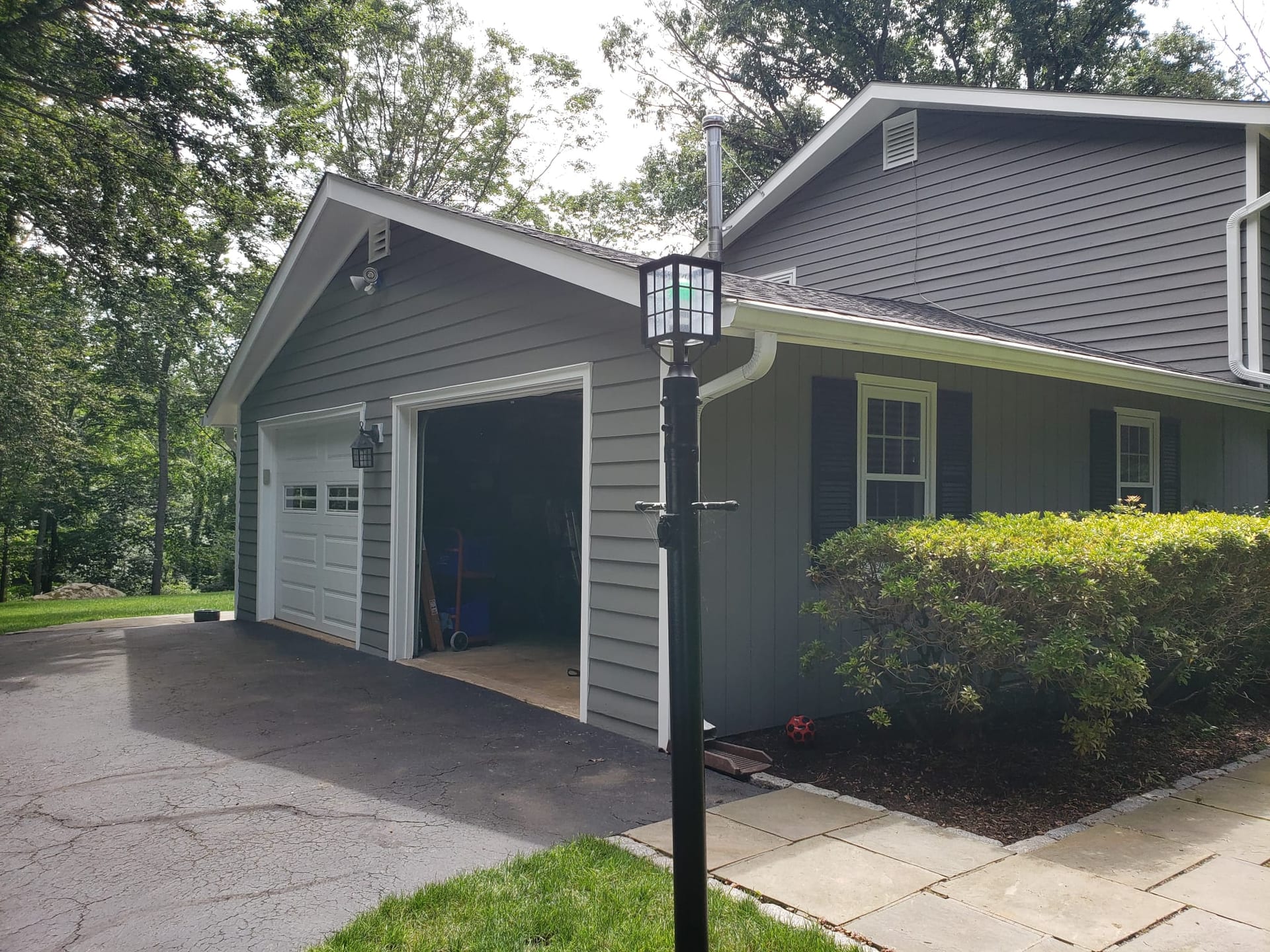
New siding does two things at once: it shields your home from Connecticut's harsh weather and makes a real difference in how your home looks from the street. At American Quality Roofing and Siding, we help Central and Western CT homeowners get both.
What You're Actually Getting With New Siding
Siding isn't just an exterior finish. It's your home's first line of defense against wind, rain, ice, and the kind of temperature swings Connecticut throws at you from October through April. When it starts to fail, you feel it inside the house, in your energy bills, in the moisture that finds its way where it shouldn't.
When you call us for a siding installation, you're getting a complete exterior upgrade: a thorough inspection of what's underneath the existing siding, proper preparation of the wall surface, installation by a crew that does this every week, and a finished product built to hold up to real New England weather.
We work with vinyl, fiber cement, and engineered wood, and we'll help you figure out which one actually fits your home's style, your budget, and how much maintenance you want to deal with over the years. We're not pushing the most expensive option. We're helping you make the right call.
Why Connecticut Homes Need Siding That's Built for This Climate
Connecticut weather is not gentle. Central and Western CT get the full range: heavy snow and ice in winter, summer humidity that makes wood swell and warp, wind-driven rain in storm season, and freeze-thaw cycles that stress every exterior material on your home. Siding that can't keep up is going to show it, usually sooner than you'd expect.
Older siding materials crack, fade, and pull away from the wall over time. When that happens, water gets behind the panels and works into the sheathing, the framing, and eventually the interior walls. By the time you see a problem inside, the damage has usually been building for a while.
Modern siding materials are engineered for exactly this climate. Fiber cement doesn't absorb water the way wood does, resisting the swelling, cracking, and rot that come with repeated wet-dry cycles. Insulated vinyl adds a layer of thermal resistance that reduces heat transfer through the wall assembly, which means a more comfortable house and lower heating costs in winter.
The right choice also depends on your home's specific exposure. A house facing west that takes afternoon sun all summer is a different conversation than one tucked into a wooded lot with shade most of the day. We factor all of this in before we make a recommendation.
The Benefits You'll Notice Right Away and Years Down the Road
New siding delivers results you can see on day one and results you'll appreciate long after the crew packs up.
Curb Appeal That's Actually Different
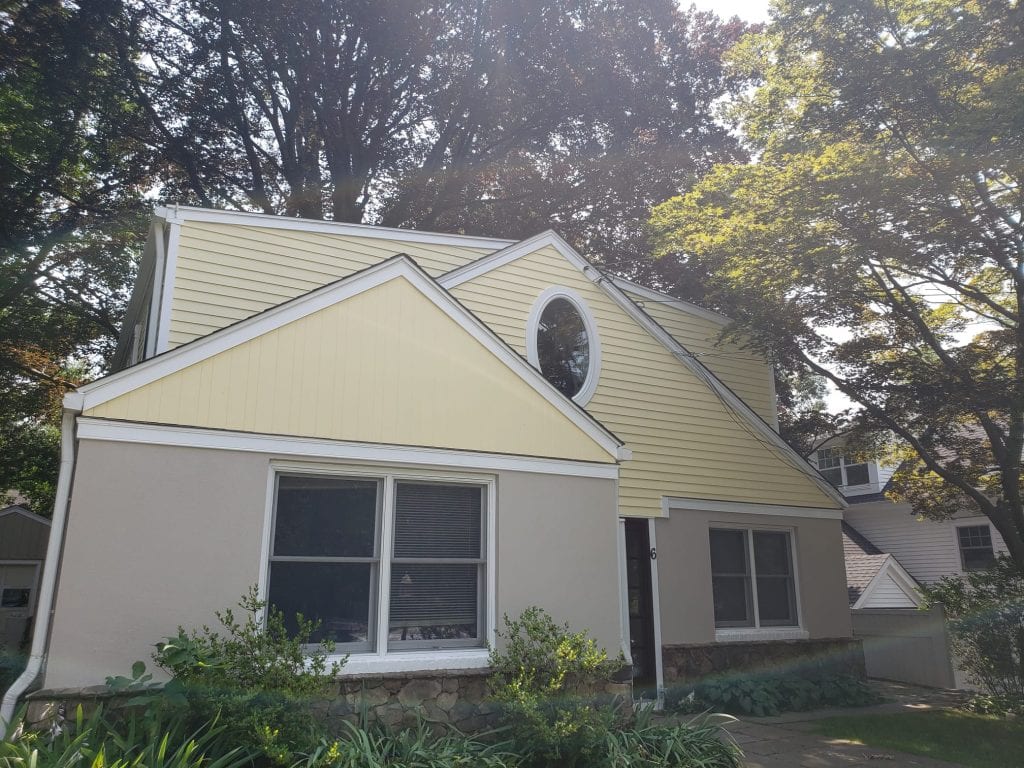
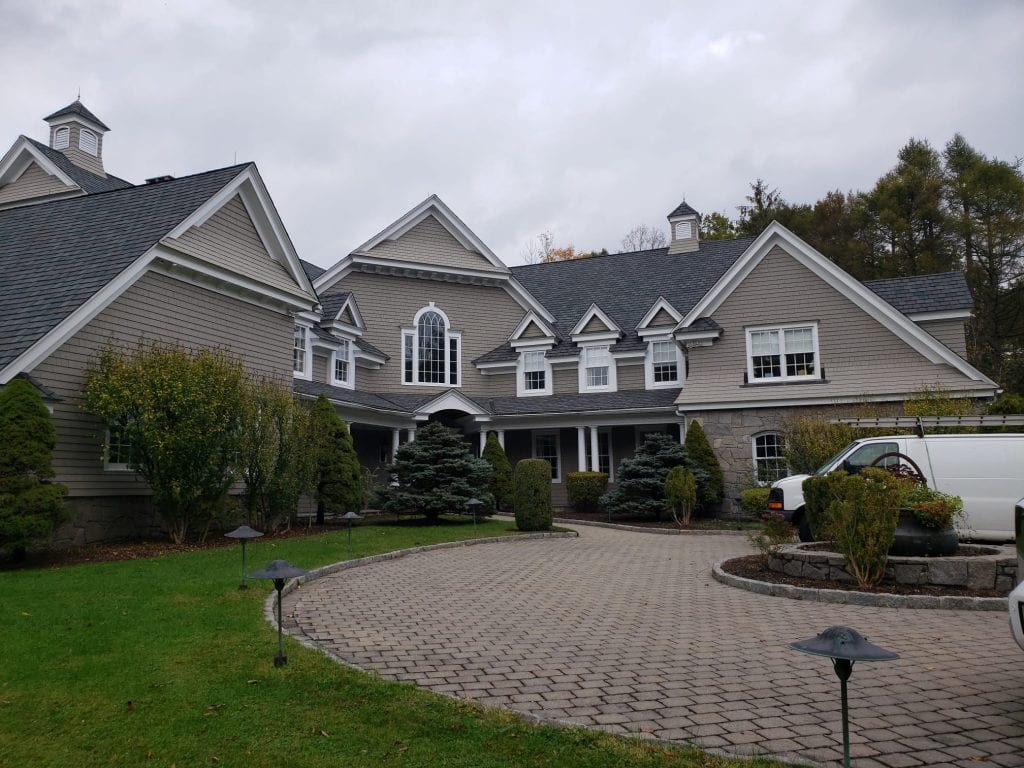
Fresh siding in a color and profile that suits your home makes a dramatic difference in how the house reads from the street. This matters whether you're planning to sell or just want a home you're proud of. Connecticut buyers notice exterior condition immediately, and new siding signals a well-maintained property.
Better Moisture Resistance
Properly installed siding with the right house wrap and flashing underneath creates a water-managed wall system. Rain that hits the surface runs off or drains down and out rather than sitting against the sheathing. That's how you prevent rot, mold, and the expensive structural repairs that come from years of unchecked moisture infiltration.
Lower Maintenance Over Time
Older wood siding needs to be painted every five to seven years to stay protected. Modern vinyl and fiber cement options hold their color longer and don't require the same maintenance cycle. That's real money and real time saved over the life of the product.
Improved Thermal Performance
Insulated siding options add continuous insulation across the wall surface, reducing thermal bridging at the studs. Combined with proper air sealing during installation, this can make a meaningful difference in how comfortable your home feels in winter and summer, particularly in older CT homes that weren't built with today's energy standards in mind.
Protection Against Wind and Impact
Quality siding panels are rated for wind resistance, and thicker profiles hold up better against impact from hail, branches, and debris during storms. In a region that sees significant storm activity, this kind of durability is practical protection for a major investment.
Increased Home Value
Siding replacement consistently ranks among the home improvement projects with the strongest return on investment. Whether you're getting ready to list or simply maintaining the asset value of your home, updated siding is a smart long-term decision.
How Our Siding Installation Process Works
We keep the process clear so you know exactly what to expect from the first conversation to the final walkthrough.
- 1
Free On-Site Estimate
Free On-Site Estimate
We come to your home and take a real look at what's going on. That means checking the existing siding condition, looking at the wall assembly underneath where we can, and understanding what you're trying to accomplish. You'll talk with someone who knows what they're looking at, not a sales rep working from a script. You'll get a clear estimate with material options, not a number pulled out of thin air.
- 2
Material Selection
Material Selection
Once we understand your home and your goals, we walk you through the material choices that actually make sense for your situation. We cover the pros and cons of each option in plain language, including how each material performs in Connecticut's climate, what the maintenance requirements look like over time, and how different profiles and colors will read on your specific home. You make the call with real information in hand.
- 3
Scheduling and Preparation
Scheduling and Preparation
We lock in a start date that works for you and get the materials ordered. Before anything goes up, the crew removes the existing siding and inspects the wall sheathing underneath. If we find rot, damage, or areas that need attention, we address those issues directly. Skipping this step is how problems get covered up rather than fixed, and that's not how we work.
- 4
House Wrap and Flashing
House Wrap and Flashing
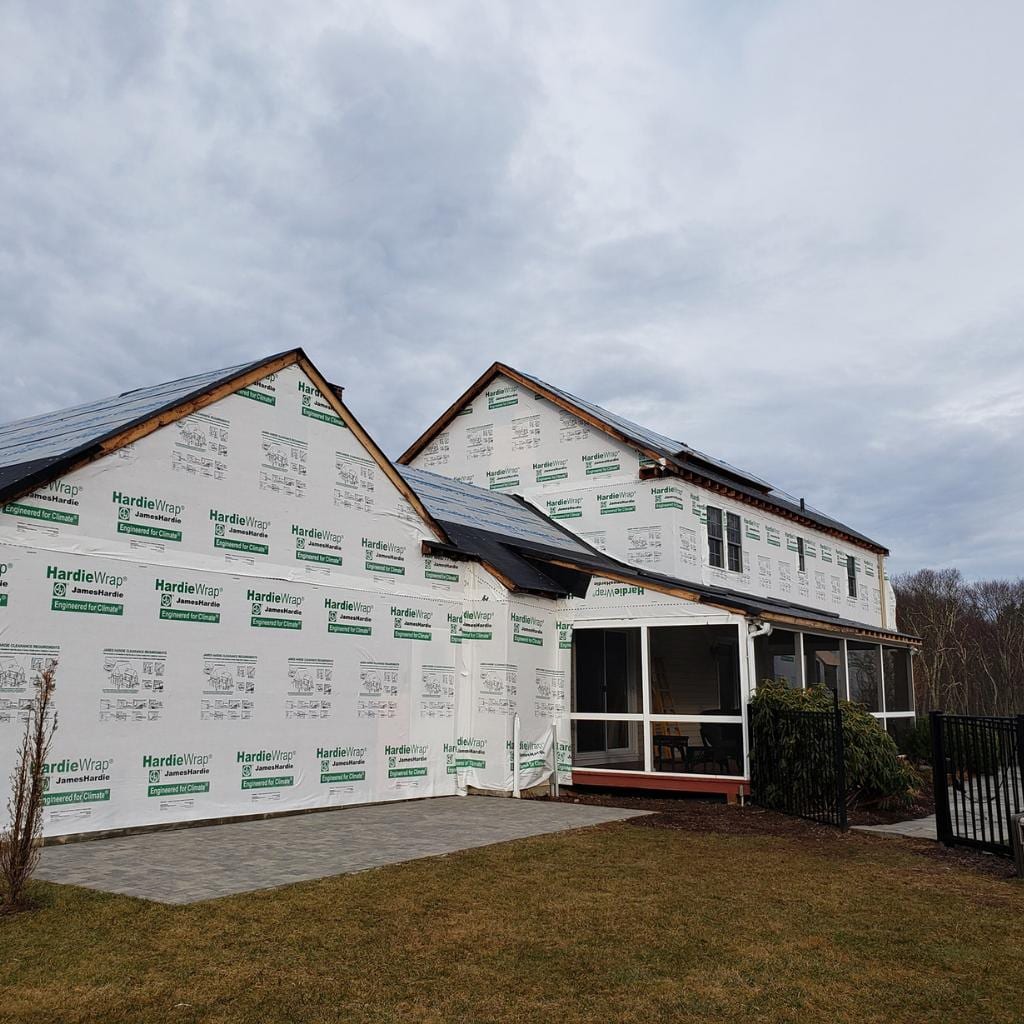
Proper water management behind the siding is just as important as the panels themselves. We install house wrap to create a drainage plane that keeps bulk water from reaching the sheathing, and we flash all penetrations, windows, and transitions correctly. This is the part of the job homeowners never see once it's done, but it's what separates a siding job that holds up from one that creates problems a few years later.
- 5
Siding Installation
Siding Installation
The panels go up according to the manufacturer's installation requirements, which matters for both warranty coverage and long-term performance. We pay attention to proper overlap, nail placement, and clearance from grade and trim. These details determine how the siding handles moisture, expansion, and wind load over the years.
- 6
Trim, Finishing, and Cleanup
Trim, Finishing, and Cleanup
Trim work is where a siding job either looks finished or looks hasty. We take the time to get corners, windows, doors, and transitions right, because those details define the overall appearance of the finished product. Once everything is done, we clean up the site completely and walk you through the finished work before we call the job complete.
Siding Material Options: Finding the Right Fit for Your Home
Not every siding material is right for every home, and the best choice depends on more than just price. Here's what you should know about the main options we work with.
Vinyl siding is the most widely installed residential siding material in the country for good reason. It's durable, available in a wide range of colors and profiles, and requires very little maintenance over its life. Insulated vinyl adds foam backing that improves rigidity and thermal performance. It won't rot, it won't need painting, and it holds up well to moisture. For homeowners in Central and Western CT who want a reliable product at a reasonable price point, vinyl is often the practical choice.
Fiber cement siding looks more like wood than vinyl does, accepts and holds paint better than wood, and is highly resistant to moisture, insects, and fire. It's heavier and costs more to install than vinyl, but it carries a long manufacturer warranty and is an excellent choice for homes where appearance matters and budget allows for the premium. Brands like James Hardie have made fiber cement a serious option in New England markets.
Engineered wood siding combines the look of natural wood with improved moisture resistance and dimensional stability. It typically comes pre-primed or pre-finished and installs similarly to fiber cement at a somewhat lower weight. If you want the warmth of a wood appearance without the maintenance burden of real wood, engineered wood is worth considering.
We'll go over all of these options during your estimate so you can make a comparison based on your specific home, your climate exposure, and what you're actually trying to accomplish with the project.
Signs Your Siding Has Reached the End of Its Life
Siding failure often shows up in ways that aren't immediately visible from the driveway. These are the signs that it's time to have someone take a closer look.
High heating and cooling bills that can't be explained by your HVAC system are sometimes a wall performance issue. Older siding with failing or nonexistent house wrap behind it allows air infiltration that undermines your insulation. If the house is harder to keep comfortable than it used to be, the exterior envelope could be a contributing factor.
Bubbling, blistering, or peeling paint on your interior walls near exterior surfaces is a classic sign of moisture intrusion. Water is getting behind the siding and working its way into the wall cavity, and it's showing up on your interior paint first.
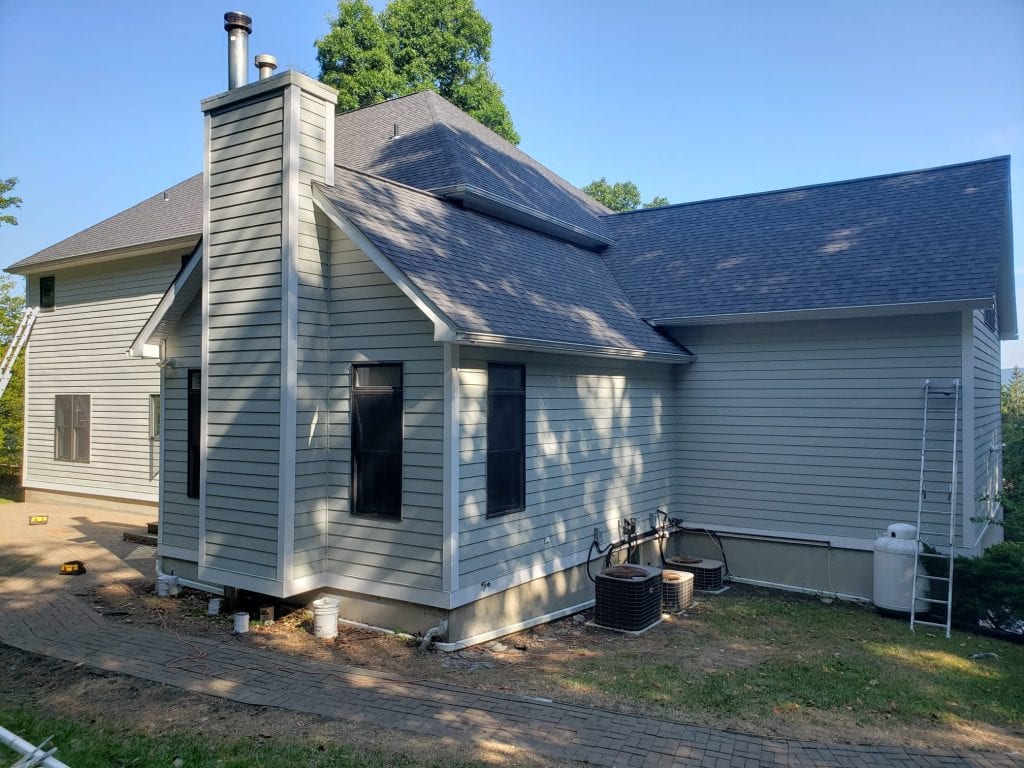
Cracked, warped, or loose siding panels indicate that the material has degraded past the point of repair. Once vinyl cracks or fiber cement begins to crumble at the edges, patching isn't effective. Replacement is the right call.
Soft spots in the wall when you press on the siding, or visible rot at the base of panels near grade, are serious warning signs. These indicate that moisture has already reached the structural sheathing or framing underneath. The sooner this gets addressed, the less extensive the repair work will be.
If you've noticed any of these issues, a free estimate costs you nothing, and catching wall damage early is significantly less expensive than dealing with it after it's had time to spread.
Why Central and Western CT Homeowners Choose American Quality Roofing and Siding
There are a lot of contractors who will put siding on a house. What separates us is that we take the work seriously at every step, including the parts the homeowner never sees once the job is done.
We're a licensed Connecticut contractor (CT ID #HIC 0633301), CertainTeed ShingleMaster PRO credentialed, and A+ rated with the Better Business Bureau. Those aren't just logos on a website. They reflect the standards we hold ourselves to on every project.
We work in Central and Western CT specifically, which means we understand the conditions your home deals with. We know how the climate in Fairfield County differs from what homeowners in Litchfield County experience, and we factor that into our material recommendations and installation practices.
We don't subcontract our siding work out to whoever's available. The crew that shows up is our crew. They're experienced, they know our standards, and they're accountable for the quality of the finished job. That matters more than most homeowners realize when they're comparing bids.
We also give straight answers. If your situation calls for repair rather than full replacement, we'll tell you that. If the wall underneath is in better or worse shape than expected, you'll hear about it before we make decisions that affect your budget. We'd rather build a relationship with a homeowner who trusts us than close a larger sale on a project that wasn't necessary.
Frequently Asked Questions About Siding Installation in Connecticut
In some situations, new siding can go over existing material, saving labor and disposal costs. But this approach has real tradeoffs. Adding thickness to the wall assembly can create problems at windows, doors, and trim transitions, and it means you can't inspect or address moisture damage or rot in the sheathing underneath. We typically recommend removing the old material so we can see what's behind it. If we find damage, we'd rather deal with it at the start than have it become a much larger problem after the new siding is installed.
Get a Free Siding Estimate From a CT Contractor You Can Trust
If your siding is showing its age or you're ready for a change, the next step is a free, no-pressure estimate from a local contractor who knows Connecticut homes.
Ready for a Straight Answer About Your Roof?
Call (203) 470-0974 or request a free on-site estimate. Serving Central and Western Connecticut.