
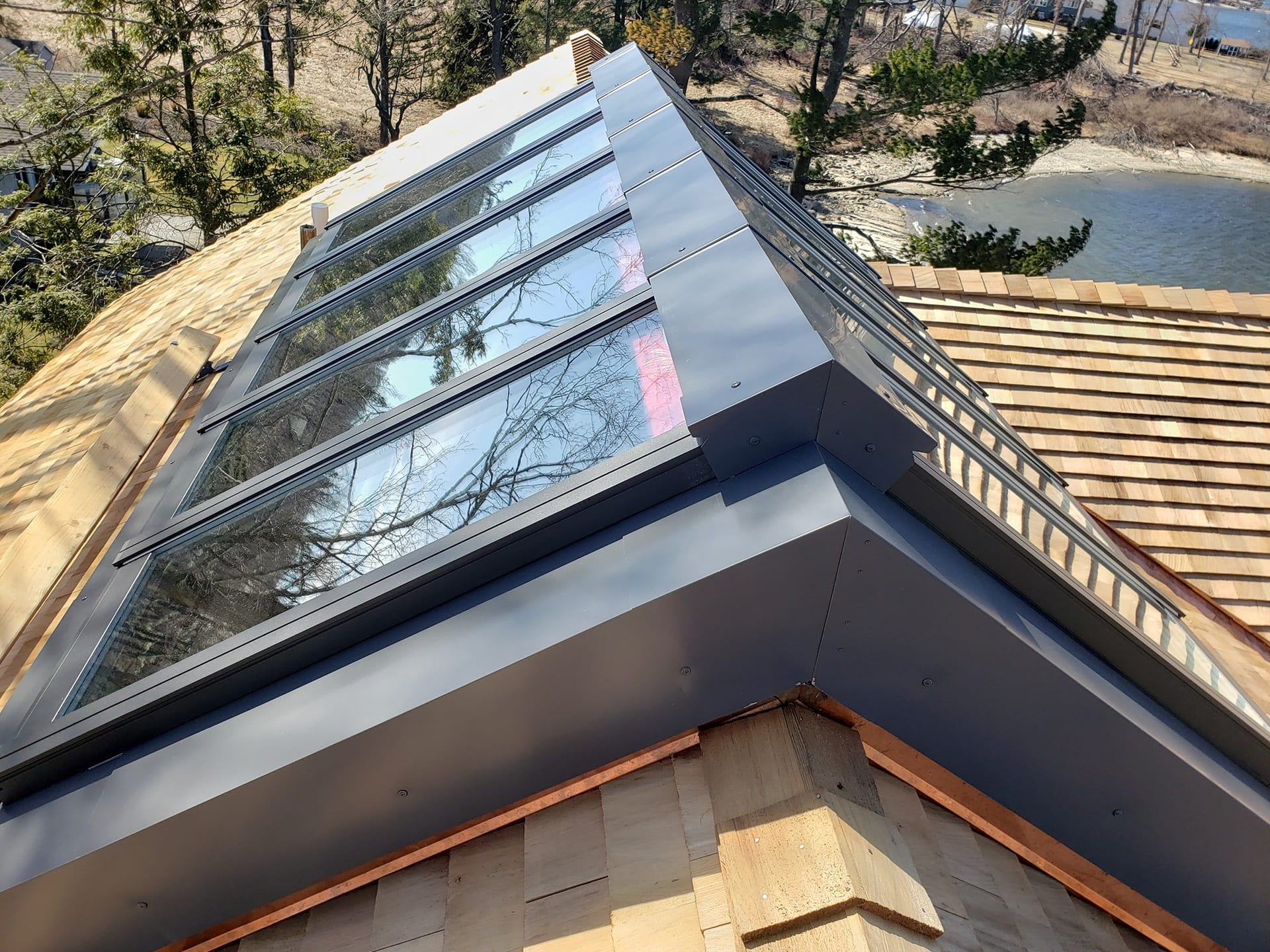
Skylights & Sun Tunnels in Central and Western CT
More natural light changes how a room feels. American Quality Roofing and Siding installs skylights and sun tunnels that brighten your home, improve ventilation, and add real value, all without compromising your roof's integrity.
Let the Light In
A dark hallway, a gloomy bathroom, a kitchen that never quite gets enough sun. These are solvable problems, and the solution is already built into your roof. Skylights and sun tunnels channel natural daylight directly into your living spaces, and when they're installed correctly, they do it without leaks, drafts, or long-term headaches.
American Quality Roofing and Siding installs skylights and sun tunnels across Central and Western Connecticut. We're a licensed CT contractor (CT HIC #0633301), fully insured, and CertainTeed ShingleMaster PRO credentialed. We handle the entire process from the first cut to the final seal, backed by the standards that earned us an A+ rating from the Better Business Bureau. Call us at (203) 470-0974 to schedule a free estimate.
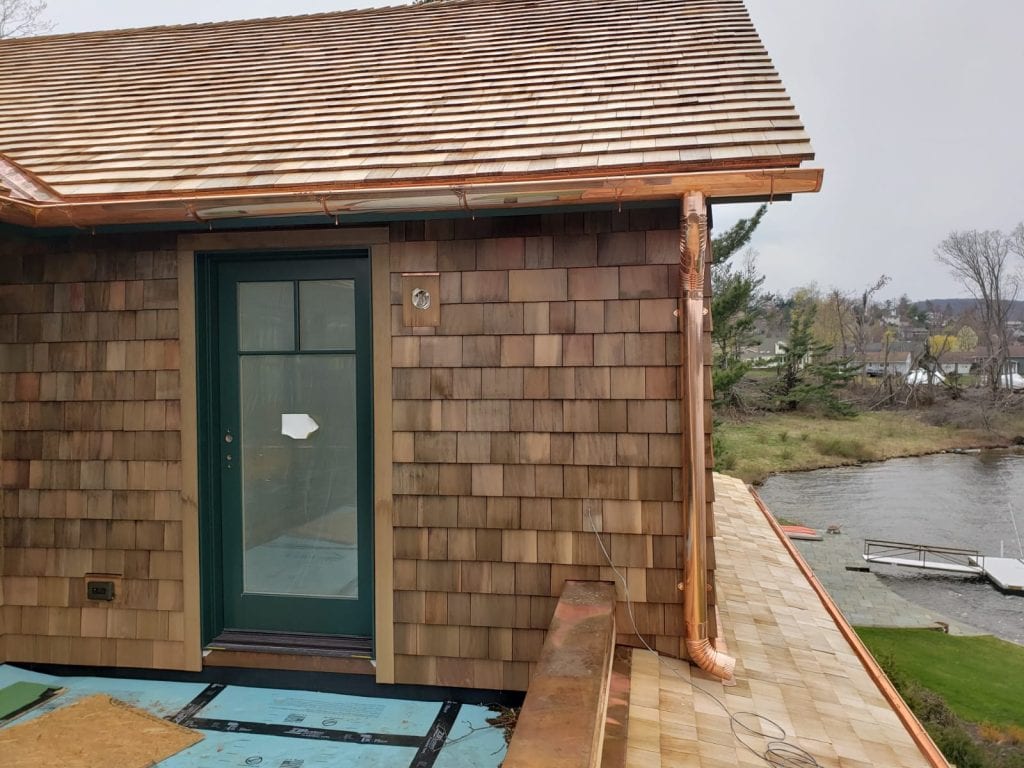
Skylights vs. Sun Tunnels: Which One Is Right for You?
Both options bring in natural light, but they work differently and suit different spaces. Understanding the distinction upfront makes the rest of the conversation easy.
A skylight is a window installed into your roof. It can be fixed, meaning it stays closed and simply admits light, or operable, meaning it opens for ventilation as well. Skylights come in a range of sizes and styles, from flat glass units that sit flush with the roofline to domed models that add architectural character. They work best in rooms directly below the roofline, including top-floor bedrooms, living areas, great rooms, and vaulted spaces where you want both light and a view of the sky.
A sun tunnel, sometimes called a solar tube or tubular skylight, uses a small rooftop dome to capture light, then routes it down a highly reflective tube to a diffuser lens in your ceiling. The tube can bend around framing and travel through attic space, which means sun tunnels can reach rooms that don't sit directly beneath the roof, including interior bathrooms, closets, laundry rooms, and hallways. They're less expensive than skylights, faster to install, and a smart solution for spaces where a traditional skylight simply isn't practical.
The right choice depends on your room layout, ceiling height, roof pitch, and what you're trying to accomplish. That's the conversation we have with every homeowner before a single measurement gets taken.
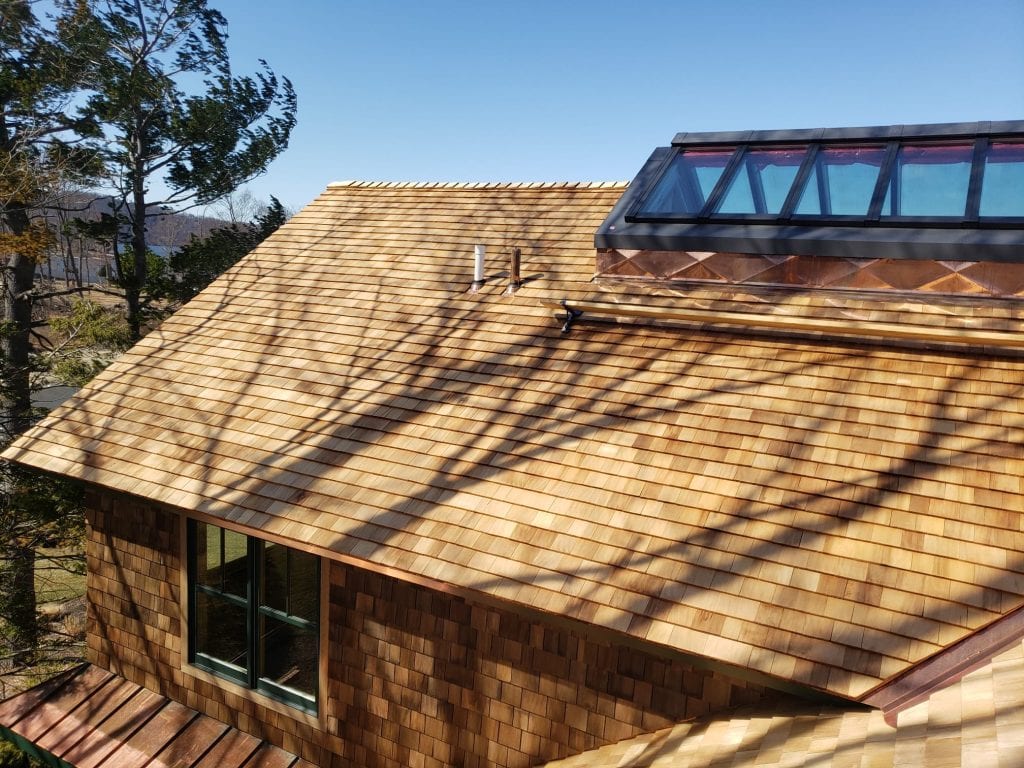
What You Actually Gain from More Natural Light
The benefits go further than you might expect. Natural light affects how a room looks, how it feels, and how comfortable it is to live in every single day.
Rooms That Feel Bigger
Natural light changes the perceived size of a space more than almost anything else. A sun tunnel in a tight hallway or a skylight over a kitchen island can make a room feel noticeably more open without moving a single wall. For older Connecticut homes where interior spaces tend to be smaller and darker, that difference is real and immediate.
Lower Energy Costs During the Day
When daylight is doing the work, your electric lights don't have to. Sun tunnels in particular are highly efficient because they require no electrical connection; they simply redirect available sunlight. Over the course of a year, that adds up, especially in rooms that would otherwise run overhead lights from morning until evening.
Better Ventilation with Operable Skylights
An operable skylight does more than admit light. Hot air rises, and when you open a skylight at the top of a room, it creates a natural airflow that pulls cooler air in from lower windows and pushes warm air out. On a mild Connecticut spring or fall day, that natural ventilation can replace air conditioning entirely and make a warm room significantly more comfortable.
Improved Mood and Comfort
There's a well-documented connection between exposure to natural light and how people feel day to day. Rooms that get consistent daylight tend to feel more inviting, and people who spend time in them report feeling more alert and at ease. Whether it's a home office, a kitchen, or a bathroom, more natural light simply makes those spaces more pleasant to be in.
Increased Home Value
Skylights and sun tunnels are considered desirable features by home buyers. A well-installed skylight in a primary bedroom or a sun tunnel that brightens an otherwise dark bathroom adds appeal that shows up both in how the home photographs and in how buyers perceive it during a walkthrough. For Connecticut homeowners thinking about resale, it's a meaningful upgrade.
Year-Round Performance Through CT Winters
Modern skylight units with insulated glazing and proper flashing handle snow load and ice formation well. When installed with the right underlayment and flashing systems, they perform reliably through freeze-thaw cycles, heavy snowfall, and the ice damming that Central and Western CT winters routinely produce.
How We Handle the Installation
Skylight and sun tunnel installation involves roofing, framing, and waterproofing all at once. Getting it right requires experience with all three. Here's how our process works from start to finish.
- 1
Assessment and Planning
Assessment and Planning
We start by looking at your roof's pitch, orientation, and framing layout alongside the room you want to light. South-facing placements capture the most daylight throughout the year, while east and west-facing options give you morning or afternoon light depending on your preference. We also check for obstructions like chimneys, vents, and roof valleys that affect placement. For sun tunnels, we map the route from the roof dome through the attic to determine the most efficient path to your ceiling diffuser.
- 2
Material Selection
Material Selection
Once we know the right type, size, and placement, we help you choose the unit that fits your home and your budget. For skylights, options include fixed vs. operable, flat vs. domed, and different glazing types including clear, tinted, and low-E glass that reduces heat gain in summer without cutting visible light. For sun tunnels, we select the tube diameter and diffuser style based on room size and ceiling height. All materials are chosen for durability and compatibility with your existing roofing system.
- 3
Roof Opening and Framing
Roof Opening and Framing
Cutting into a roof requires precision. We locate and mark the opening based on rafter spacing, then cut carefully to avoid structural members. Where needed, we add header framing to support the opening and maintain the integrity of the roof deck. An improperly framed opening is one of the most common causes of long-term skylight problems, so we take our time here.
- 4
Flashing and Waterproofing
Flashing and Waterproofing
This is where skylight installations go wrong most often, and it's where our roofing experience makes a real difference. Proper flashing involves installing a self-adhering underlayment around the opening, then setting step flashing along the sides of the unit and a saddle or counter-flashing along the top. We integrate everything with your existing roofing material so water is continuously directed away from the opening. No shortcuts, no caulk-only fixes.
- 5
Unit Installation and Interior Finish
Unit Installation and Interior Finish
With flashing complete, the skylight or sun tunnel unit is set and secured. For skylights, we fit the interior framing, add any required insulation around the curb, and finish the ceiling opening cleanly. For sun tunnels, we run the flexible or rigid tube through the attic space, connect it to the ceiling diffuser, and install the dome on the roof. The interior diffuser gets trimmed and finished to match your ceiling. When we're done, the installation looks like it was designed into the house from the start.
- 6
Final Inspection and Cleanup
Final Inspection and Cleanup
We do a full walkthrough of the completed installation, checking the flashing, the interior finish, and the operation of any moving parts. We clean up the work area inside and out and make sure the roofline looks exactly as it should. Before we leave, we'll walk you through what to expect in terms of maintenance and answer any questions you have.
Why CT Homeowners Work with American Quality Roofing and Siding
Skylights and sun tunnels aren't a complicated idea, but installing them well requires real roofing skill. A unit that isn't flashed properly will leak eventually. An opening that isn't framed correctly creates structural issues down the road. These aren't rare edge cases; they're the most common reasons homeowners end up calling a second contractor to fix what the first one missed.
We work on homes across the full range of roofing materials common to this region, including asphalt shingle, cedar shake, and standing seam metal. We're familiar with the roof pitches, framing styles, and weather patterns specific to Central and Western Connecticut, which matters when you're selecting placement and choosing flashing systems designed to handle what our winters actually produce.
When you work with us, the people installing your skylight are the same people who repair and replace roofs every day. You're not handing the job off to a subcontractor or working with a company that treats roofing as an afterthought. That continuity is something you'll appreciate long after installation day.
Common Questions About Skylights and Sun Tunnels
A properly installed skylight with correct flashing will not leak. The risk comes from poor installation, not from the unit itself. The most common failure point is the flashing around the perimeter, particularly at the uphill side where water can pond if the saddle flashing isn't set correctly. When installed by an experienced roofer who understands how water moves across a roof surface, skylights perform reliably for decades. If a neighbor's skylight leaked, the more useful question is who installed it and how the flashing was done.
A Few Things Worth Knowing Before You Call
Getting a skylight or sun tunnel installed isn't complicated on your end, but a few things will help you have a more productive conversation when you reach out.
Think about which room or rooms you want to brighten. If it's a room directly below the roof, a skylight is probably the right fit. If it's an interior space with attic in between, a sun tunnel is worth discussing. If you're not sure, that's completely fine; we can help you figure it out once we look at your home.
It also helps to know roughly when your roof was last replaced. If your roof is near the end of its service life, it often makes sense to combine a skylight installation with a roof replacement rather than cutting into older shingles you'll be replacing in a few years anyway. We'll be direct with you about whether that timing makes sense for your situation.
If you've had a skylight leak in the past, don't let that experience set the expectation for every installation. Most skylight leaks trace back to installation errors, not to the units themselves. A proper installation by a contractor who understands roofing waterproofing is a fundamentally different thing than what may have been done before.
Get a Free Estimate on Skylight or Sun Tunnel Installation
Ready to bring more natural light into your home? American Quality Roofing and Siding serves Central and Western Connecticut with skylight and sun tunnel installations backed by real roofing expertise. Call us at (203) 470-0974 to schedule your free estimate. We'll look at your roof and your space, talk through your options, and give you a clear recommendation with no pressure.
Ready for a Straight Answer About Your Roof?
Call (203) 470-0974 or request a free on-site estimate. Serving Central and Western Connecticut.