
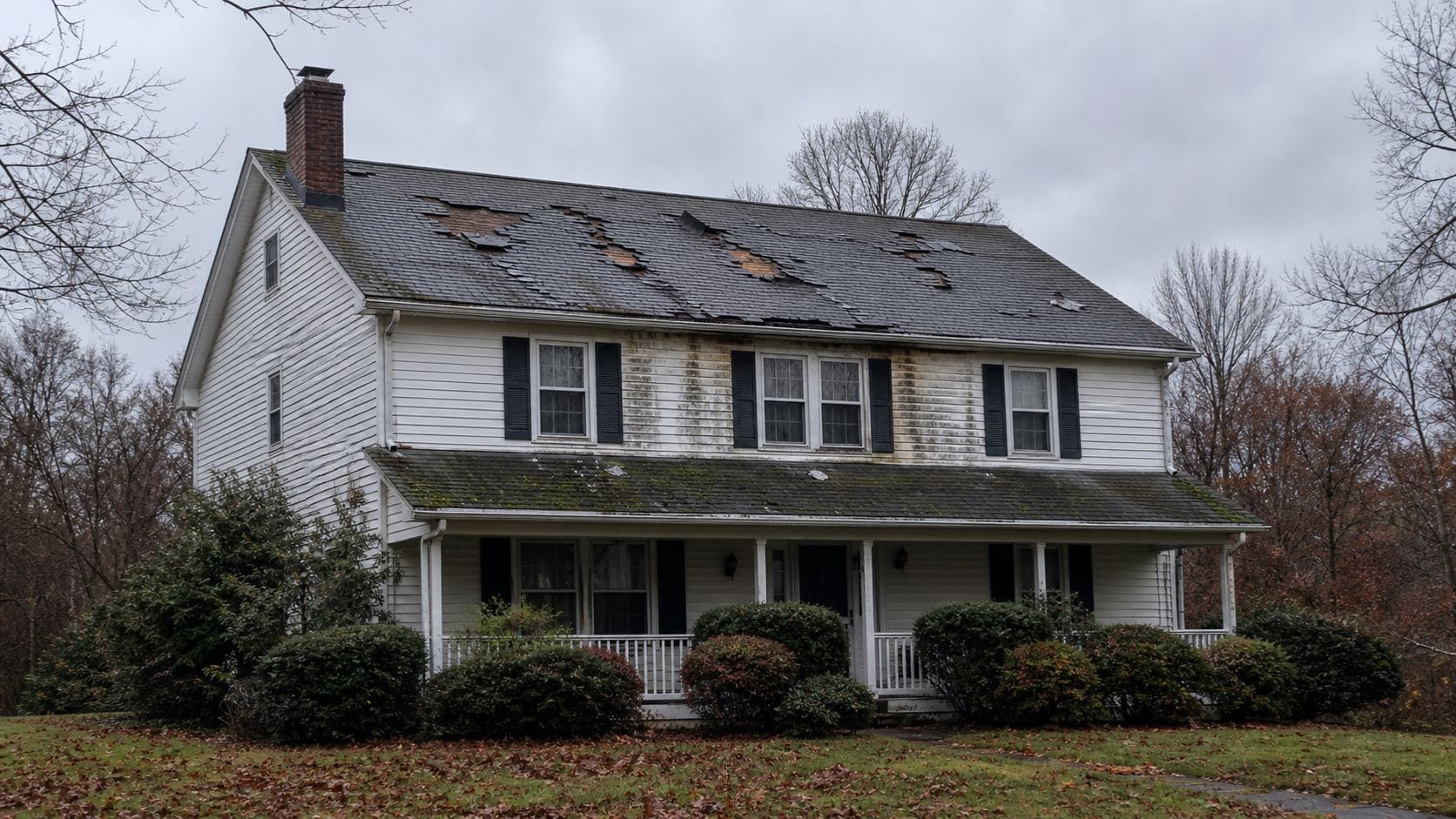
Leaky Roof Repair in Central and Western CT
A leak that looks small on the ceiling can trace back to a much bigger problem on the roof. American Quality Roofing and Siding finds where water is actually entering, fixes it correctly, and explains exactly what happened and why.
A Leak Rarely Starts Where It Shows Up
When you see a stain on your ceiling, your attic insulation is already wet, your decking may already be softening, and mold can begin forming within 24 to 48 hours. The longer a leak goes unaddressed, the more it costs to fix. American Quality Roofing and Siding has been diagnosing and repairing leaky roofs across Central and Western Connecticut for years, and we know the repair only works when you fix the right thing. Call (203) 470-0974 to schedule your free inspection.
What a Leaky Roof Repair Actually Includes
A quick patch might stop a drip temporarily, but it rarely addresses what caused the leak in the first place. Our repair service starts with a thorough inspection of the full roof system, not just the obvious wet spot.
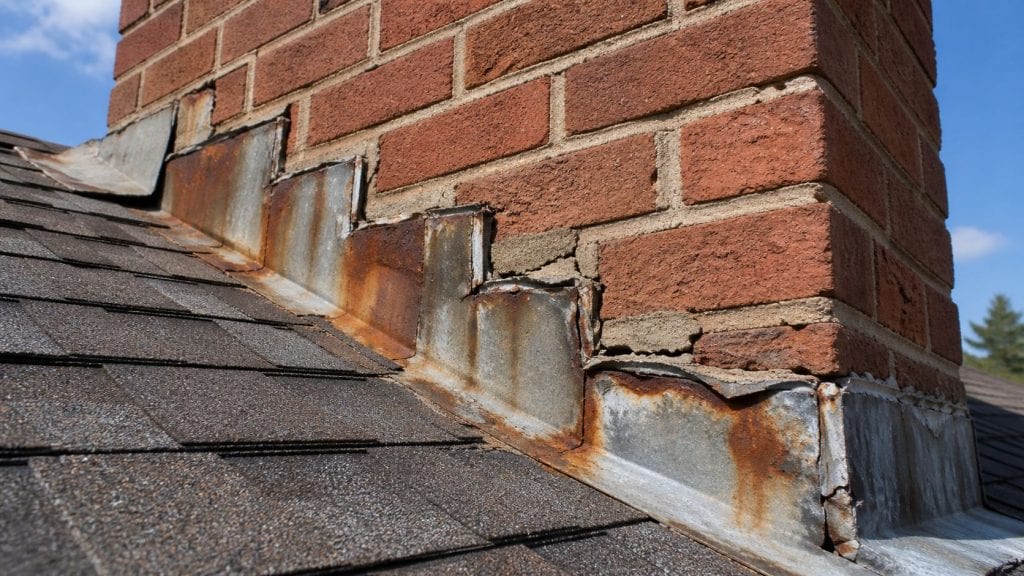
We examine flashing around chimneys, skylights, valleys, and vents, then check shingle condition, underlayment integrity, and the drainage path water follows down the roof. Flashing failures are among the most common causes of persistent leaks in Connecticut homes and are frequently misdiagnosed as shingle problems.
Once we identify the actual entry point, we explain what we found in plain terms before any work begins. You'll know whether you're dealing with a localized repair, a failed flashing, a cracked pipe boot, or something pointing toward more widespread wear. No surprises on the estimate, no pressure to approve work you don't understand.
The repair uses materials matched to your existing roof system whenever possible, so the fix holds up and doesn't stand out. We seal, replace, or reflash affected areas according to manufacturer specifications and clean up completely before we leave.
Why Connecticut Roofs Leak More Than You'd Think
Connecticut weather is genuinely hard on roofs. Hot, humid summers followed by freeze-thaw cycles through winter put constant stress on every component of a roofing system. When temperatures drop and moisture gets into small cracks or gaps, it freezes, expands, and widens those openings. By spring, what was a pinhole can become a gap.
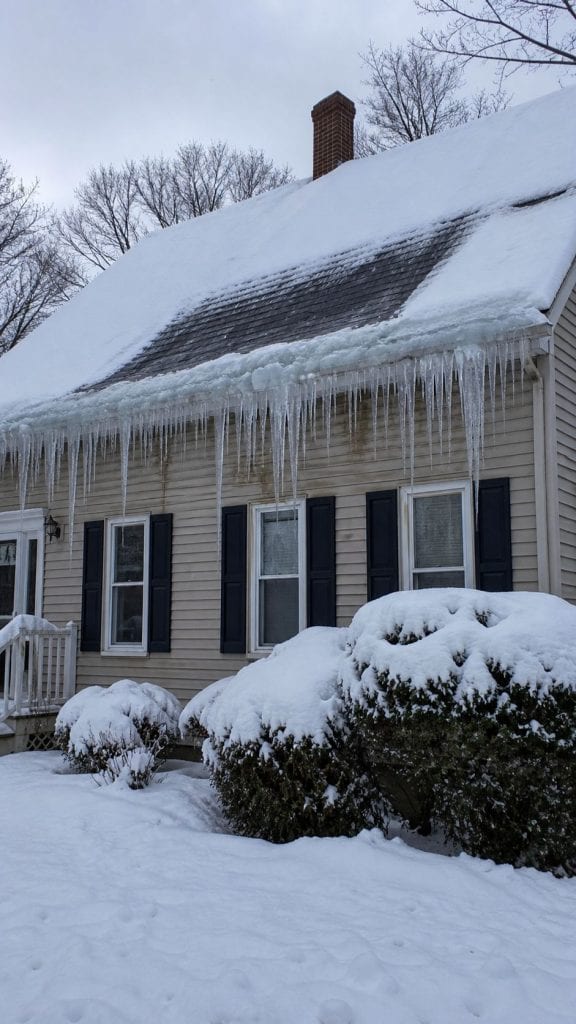
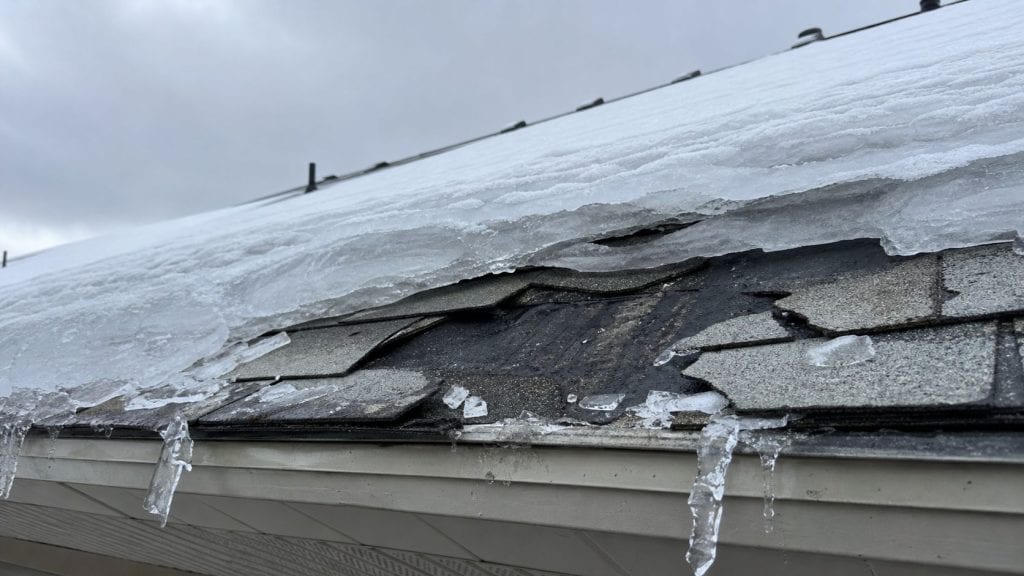
Ice dams are a major culprit across Central and Western CT. When heat escapes through your attic and warms the roof deck, snow melts and refreezes at the cold eaves. That ridge of ice backs up meltwater under your shingles, pushing it through the underlayment and into your home. Ice dam leaks often show up on interior walls and ceilings far from the roof edge, which makes them difficult to trace without attic access.
Wind-driven rain is also underestimated as a cause. Connecticut's storm patterns, especially nor'easters and late-summer events, push water horizontally against your roof at angles that normal drainage slopes don't account for, forcing it into gaps around flashing, vents, and ridge caps that would never leak under standard rainfall.
Aging caulk and sealant around penetrations such as plumbing vents, HVAC lines, and skylights breaks down faster in this climate. A roof only eight to ten years old can have sealant failures allowing steady water intrusion, which is why assuming a roof's condition based on age alone isn't reliable.
Common Sources of Roof Leaks We Repair
These are the leak sources we encounter most often on Connecticut homes. Each requires a different repair approach, which is exactly why proper diagnosis matters before any work starts.
Failed Flashing
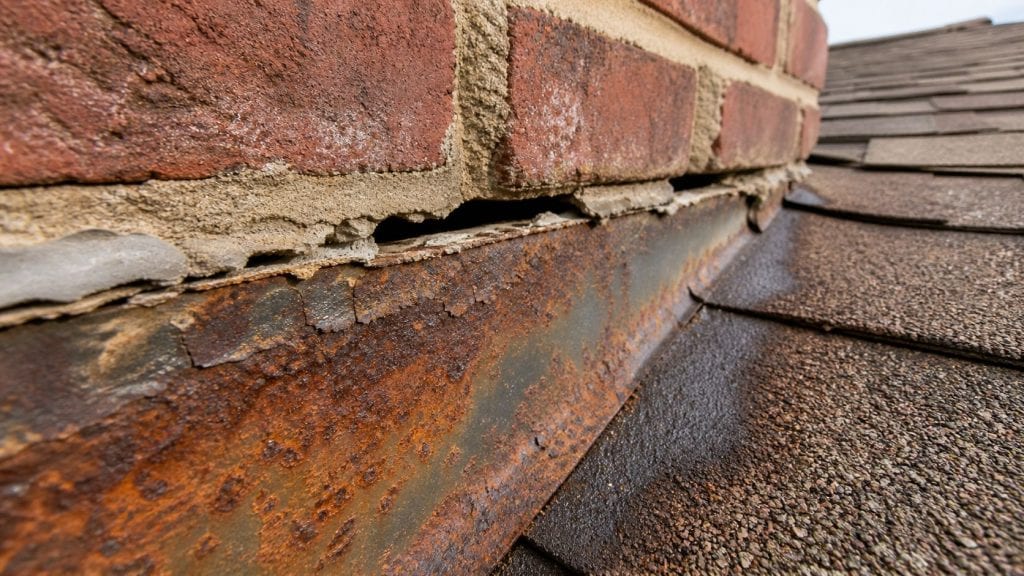
Flashing is the metal material that seals joints where your roof meets vertical surfaces like chimneys, dormers, and walls. When flashing corrodes, separates, or was installed with inadequate overlap, water finds its way in every time it rains. This is the most frequently misdiagnosed source of persistent leaks.
Cracked Pipe Boots
Every plumbing vent exiting through your roof has a rubber boot or metal collar around it. UV exposure and freeze-thaw cycles crack and shrink these boots over time, creating a direct path for water to run down the vent pipe and into your ceiling.
Ice Dam Damage
Ice dams force meltwater back under shingles and through the underlayment. Once water gets past the shingle layer, it moves freely across the roof deck until it finds a gap to drop through. The damage often appears far from where the ice dam formed, making these leaks hard to trace without attic access.
Worn or Missing Shingles
Shingles that have lost their granules, cracked from brittleness, or been lifted by high winds no longer provide a watertight surface. Even a single missing shingle leaves an unprotected section of underlayment that breaks down quickly under direct rain and UV exposure.
Skylight Leaks
The flashing detail around a skylight is more complex than most other roof penetrations. When the seal at the curb or the flashing at the uphill side fails, water pools and works its way inside. Condensation inside a skylight shaft is also sometimes mistaken for an active leak.
Valley Problems
Roof valleys, where two roof planes meet, carry the highest volume of runoff. Open-cut or woven valley installations depend on proper material overlap and correct sealing. When a valley has installation deficiencies or the material wears through, it becomes a concentrated leak point during heavy rain.
How We Handle the Repair from Start to Finish
Our process is straightforward and transparent. You won't wonder what's happening or why. Here's what to expect from the first call to the finished repair.
- 1
Schedule Your Inspection
Schedule Your Inspection
Call us at (203) 470-0974 or reach out through our website to set up an inspection. We work with your schedule and aim to get out promptly, especially when active leaking is involved. Just tell us what you're seeing inside and we'll take it from there.
- 2
Full Roof and Attic Assessment
Full Roof and Attic Assessment
Our crew inspects the roof surface, flashing details, penetrations, and attic space where accessible. We look for moisture damage to decking, insulation compression or staining, and signs of mold or rot, tracing the water path from where it appears inside back to where it enters outside.
- 3
Clear Written Estimate
Clear Written Estimate
We provide a written estimate that explains the scope of work in plain language. If we find damage beyond the initial complaint, we show you exactly what we found before quoting any additional work. You decide what to approve.
- 4
Professional Repair
Professional Repair
Our crew performs the repair using proper materials and installation methods. Flashing is sealed and fastened correctly, replacement shingles are matched to your existing roof as closely as possible, and every penetration is addressed with the right product for that specific application.
- 5
Site Cleanup and Final Walkthrough
Site Cleanup and Final Walkthrough
We clean up completely, removing all material debris and inspecting the work area before we leave. If you have questions about what was done or what to watch for going forward, we answer them before closing out the job.
What Sets American Quality Roofing and Siding Apart
There are a lot of contractors in Connecticut, and after a major storm, even more temporary ones passing through. Here's what actually distinguishes our work.
Certified by the Industry's Leading Manufacturers
American Quality Roofing and Siding is a CertainTeed ShingleMaster PRO credentialed contractor. That credential requires documented installation quality, ongoing training, and accountability to manufacturer standards. When we install or repair using their materials, those certifications back the work.
A+ Rating with the Better Business Bureau
Our A+ BBB rating reflects our track record across years of jobs in Central and Western CT. A clean complaints record and consistent, professional responses to customer concerns take time to build. That record matters when you're choosing who to trust with your home.
Licensed in Connecticut, Fully Insured
We hold Connecticut contractor license HIC 0633301 and carry full liability and workers' compensation insurance. If a contractor working on your roof isn't properly licensed and insured in CT, any damage or injury on your property can become your problem. We don't put our customers in that position.
Diagnostic Honesty
We don't upsell repairs you don't need, and we don't minimize problems to close a cheap job. If a repair is the right call, we say so. If the damage suggests a replacement is worth considering, we'll have that conversation plainly so you can make an informed decision on your own terms.
Local Knowledge of CT Weather Patterns
Serving Central and Western Connecticut means we understand the specific conditions your roof faces, from nor'easters and heavy snow loads to summer humidity and freeze-thaw cycles. We repair to the actual conditions your roof will face through every season, not generic fixes.
Free Estimates, No Pressure
We show up, assess, explain what we found, and give you a written quote. What you do with that information is entirely your call. We'd rather earn your business with good work than pressure you into a decision you're not confident in.
Frequently Asked Questions About Leaky Roof Repair in CT
Fresh leaks typically show a darker, damp ring or a yellow-brown stain with soft drywall. Old stains tend to be yellower, drier, and firm to the touch. The most reliable way to know is to check the attic above the stain. Compressed or discolored insulation and soft or darkly stained wood decking are signs water has been coming in. Even if a stain looks old, that doesn't mean the entry point is sealed. Many homeowners find that what they assumed was a past issue is still active.
Don't Let a Small Leak Become a Big Repair Bill
Schedule your free leaky roof inspection today. Serving Central and Western CT.
Ready for a Straight Answer About Your Roof?
Call (203) 470-0974 or request a free on-site estimate. Serving Central and Western Connecticut.