
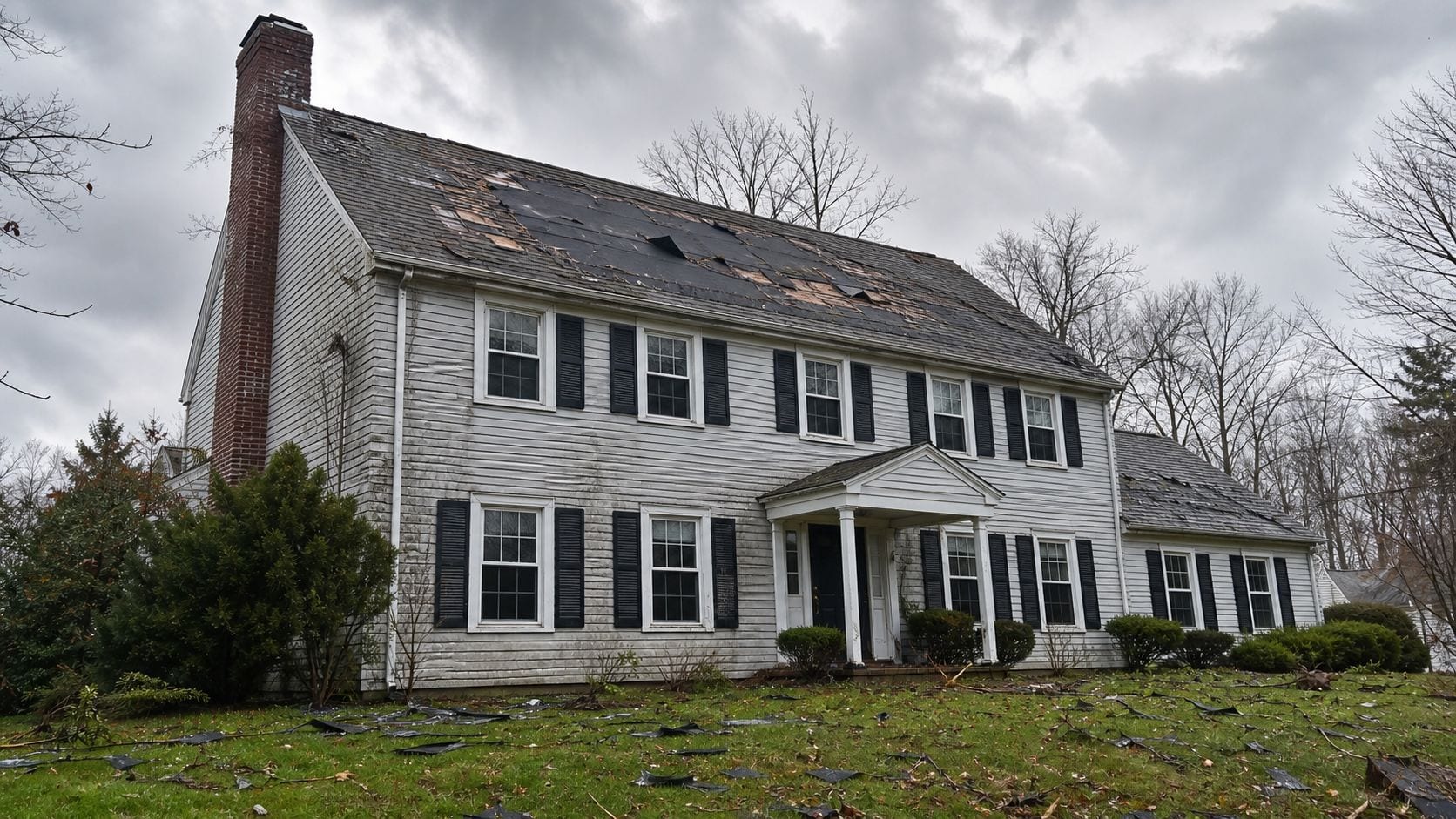
Wind Damage Roof Repair in Central and Western CT
A windstorm can strip shingles, lift flashing, and leave your home exposed in a matter of hours. American Quality Roofing and Siding helps CT homeowners assess the damage, stop further loss, and restore their roof to full strength.
Your Roof Took a Hit. Here's What Happens Next.
Connecticut weather doesn't mess around. Nor'easters, summer thunderstorms, and straight-line winds can tear shingles loose, buckle ridge caps, and pry up flashing before you even realize there's a problem. By the time you see water stains on your ceiling, the damage is already done.
American Quality Roofing and Siding specializes in identifying and repairing wind damage on CT homes, from single shingles blown loose to full-scale structural issues. We serve Central and Western CT, and we know what these local storms do to local roofs. Call us at (203) 470-0974 or read on to understand exactly what to expect when you work with us.
What Wind Actually Does to a Roof
Wind damage isn't always dramatic. It's not always a tree through the roof or shingles scattered across the yard. More often, it's subtle, and that's what makes it dangerous.
High winds create uplift pressure, pulling at the edges and corners of your roof first. Shingles loosen from the outside in, and once the seal strip on even one shingle breaks, the surrounding shingles become vulnerable too. Flashing around chimneys, skylights, and pipe boots is especially susceptible because it sits at joints where two surfaces meet.
Common wind damage patterns we find on CT roofs include lifted or missing shingles along ridges and eaves, creased or cracked shingles where wind forced them to flex beyond their design limits, exposed nail heads where shingles have shifted slightly but not fully blown off, and damaged or displaced drip edge along the roof perimeter.
Those partially lifted shingles are the ones that keep roofers up at night. A shingle that's still physically on your roof but has a broken seal is an open invitation for water to get under it. You won't see it from the ground, and you might not notice it inside until you've got a mold problem, rotted decking, or ceiling damage. That's why a professional inspection after any significant wind event matters, even if your roof looks fine from the driveway.
Signs You Should Call Us Right Now
Some wind damage is obvious. Other damage hides in plain sight. Here are the warning signs CT homeowners should watch for after any storm with sustained winds above 40 mph.
Shingles in Your Yard or Gutters
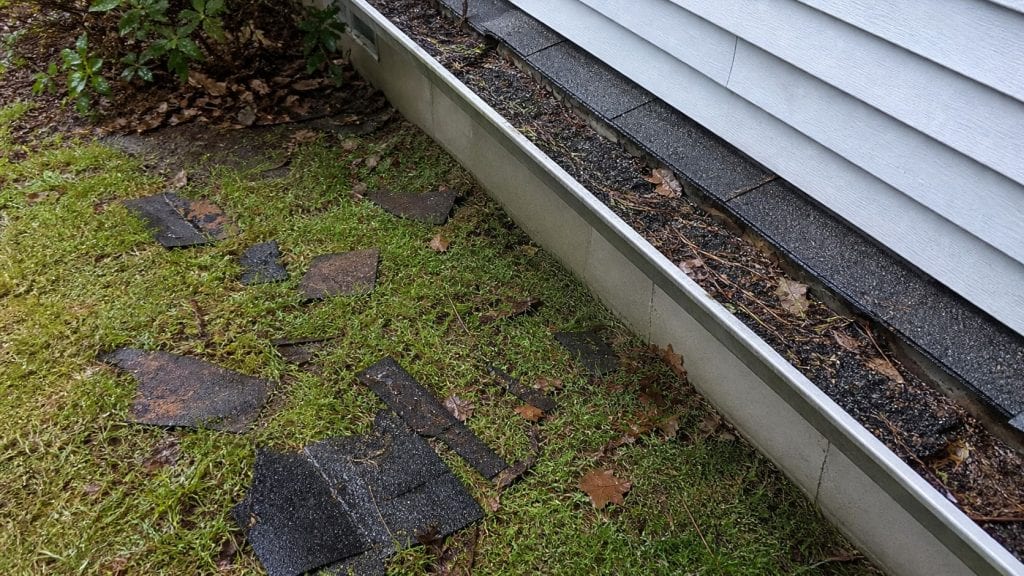
If you're finding granules in your gutters or actual shingles on the ground, part of your roof is now exposed. Even small bare patches allow water infiltration, and the surrounding shingles have likely been weakened as well. This needs attention before the next rain event.
Lifted Ridgeline or Ridge Cap
The ridge cap runs along the very top of your roof where two slopes meet. It takes the brunt of wind because it sits at the highest point. When ridge caps lift or separate, the ridge board underneath becomes exposed to moisture and the entire peak of your roof is compromised.
Visible Granule Loss
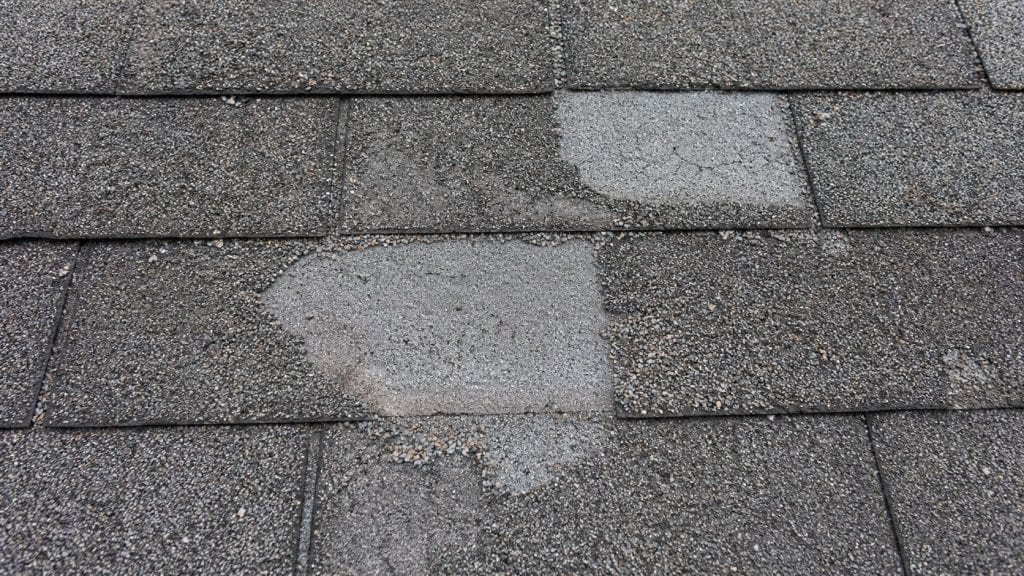
Asphalt shingles are protected by a layer of mineral granules that shield the asphalt core from UV rays and moisture. Heavy wind strips those granules away, accelerating aging. If your shingles look patchy or faded in new spots after a storm, that's granule loss.
Damaged or Separated Flashing
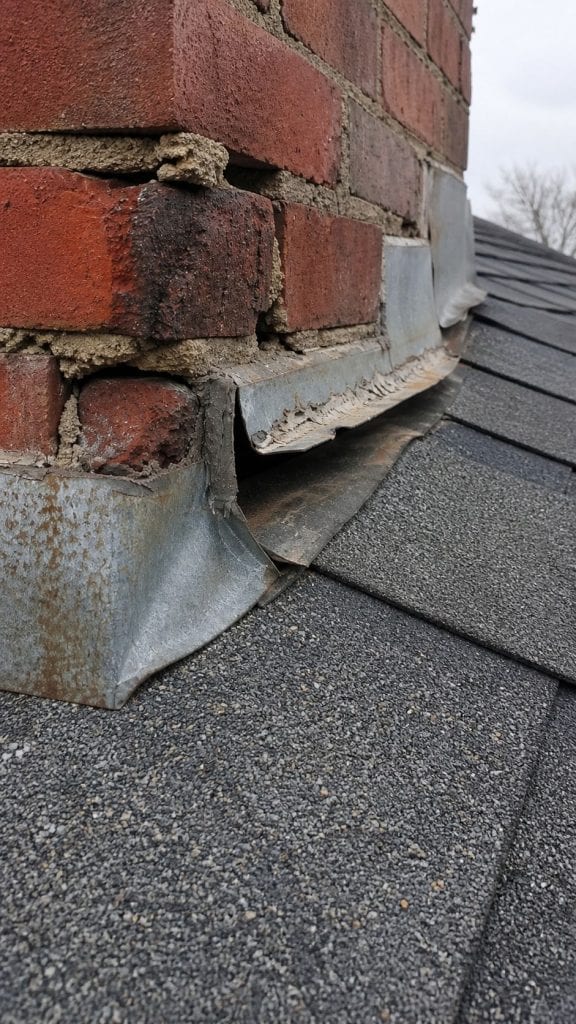
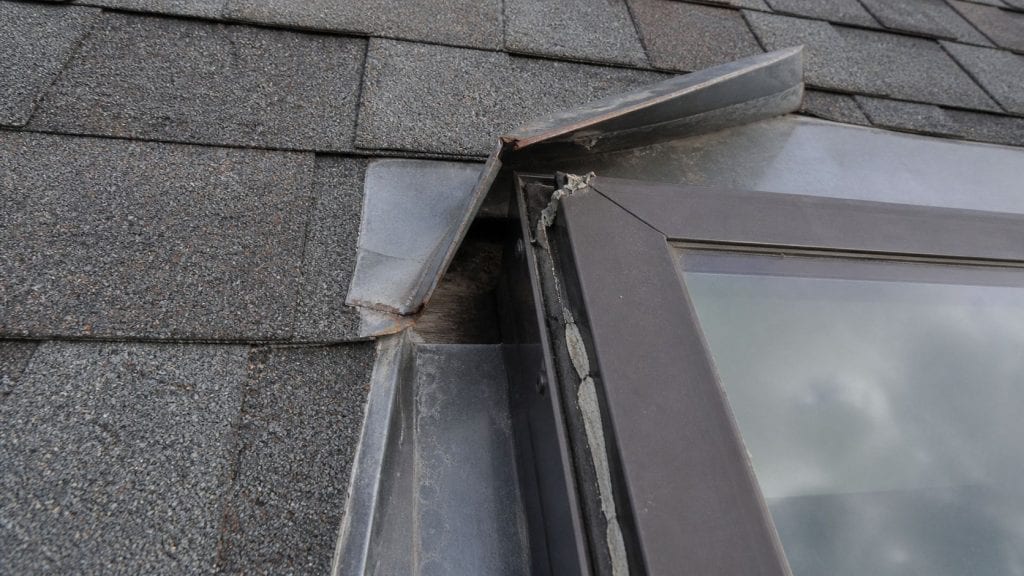
Flashing seals the transition points on your roof, including where the chimney meets the slope, around skylights, and along vertical walls. Wind works into these seams and can lift or crack the flashing. Once that seal breaks, water has a direct path inside your home.
Interior Water Stains or Drips
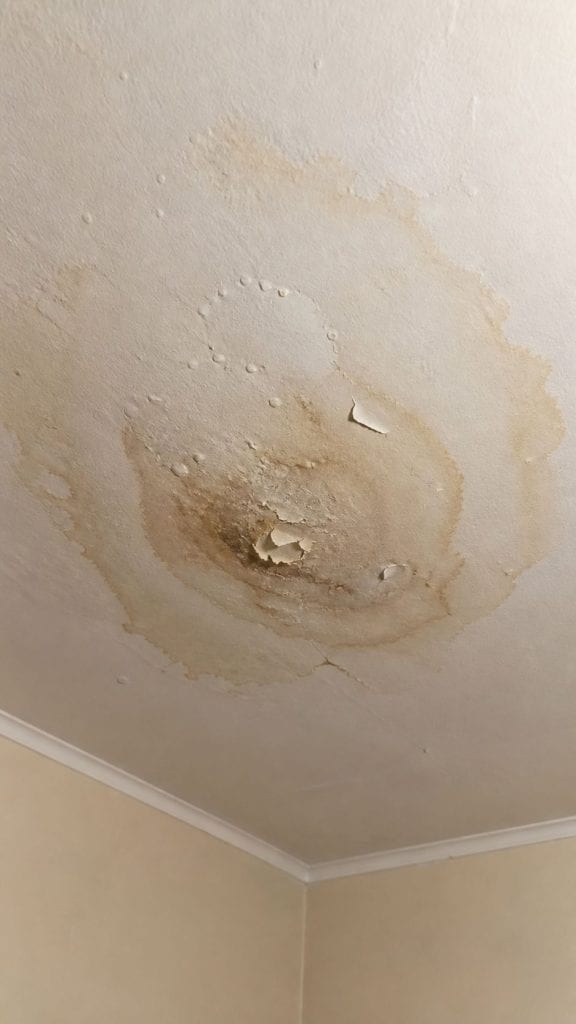
New water stains on ceilings or walls after a storm mean the damage has already progressed past the roof surface. Moisture has worked through the roofing system and into your home's interior structure. The longer this goes unaddressed, the more expensive the repair becomes.
Sagging or Soft Spots
A roof that's been taking on water can develop soft or spongy spots in the decking beneath the shingles. If you can access your attic, look for daylight showing through or discoloration on the underside of the roof deck. These are signs of structural damage that go beyond surface repairs.
How We Handle Wind Damage Repairs
Every wind damage job is different, but our process stays consistent because a structured approach is what keeps us from missing anything. Here's how a typical wind damage repair unfolds when you call American Quality Roofing and Siding.
- 1
Thorough Roof Inspection
Thorough Roof Inspection
We start with a full inspection, not just a look at the obvious damage. Our team gets on the roof and examines every surface: shingles, flashing, ridge cap, drip edge, valleys, and penetrations like pipes, vents, and skylights. We document everything with photos so you have a clear picture of the damage before we talk next steps. If the damage is substantial enough to support an insurance claim, that documentation becomes part of your file.
- 2
Honest Assessment and Clear Estimate
Honest Assessment and Clear Estimate
After the inspection, we walk you through what we found: what needs immediate repair, what's borderline, and what's still in good shape. No upselling, no inflating damage to justify a bigger job. If a targeted repair solves your problem, that's what we recommend. If the extent of the damage points toward replacement, we'll explain why and give you a straight answer on the cost difference.
- 3
Emergency Tarping When Needed
Emergency Tarping When Needed
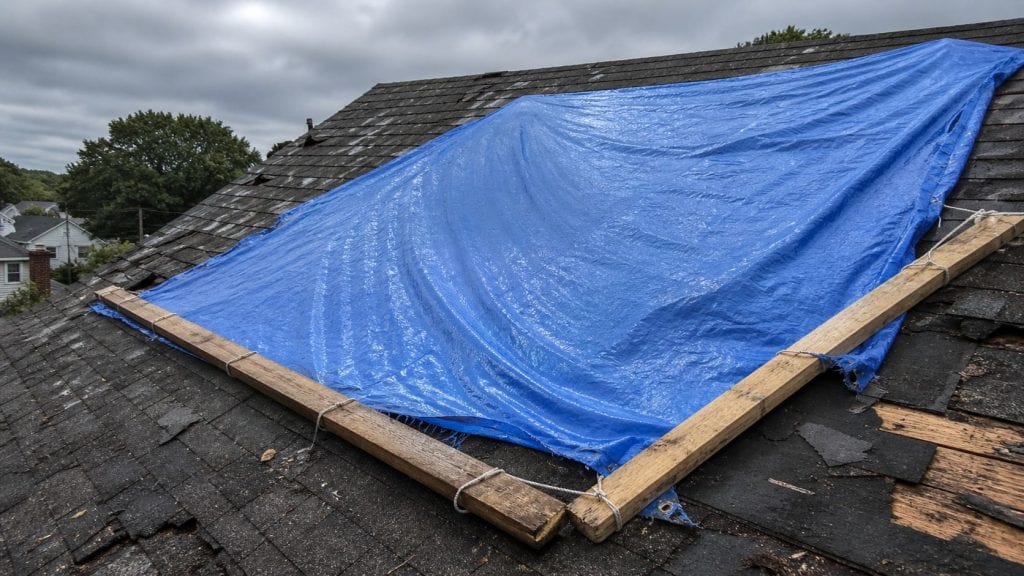
If your roof has open or exposed areas that can't wait for a scheduled repair, we apply temporary protection to stop water from getting in while we plan the full scope of work. This step is especially important in CT, where rain can follow wind events within 24 to 48 hours. Emergency tarping gives us time to source the right materials for a proper repair without leaving your home exposed.
- 4
Matching Materials to Your Existing Roof
Matching Materials to Your Existing Roof
One of the most underappreciated parts of wind damage repair is matching materials correctly. If only a section of your roof needs new shingles, we work to match the color, style, and profile of your existing shingles as closely as possible. We work with products from GAF and CertainTeed, giving us access to a wide range of colors and profiles. A repair that stands out visually is a repair that wasn't done right.
- 5
Repair or Replacement of Damaged Components
Repair or Replacement of Damaged Components
The repair work includes removing and replacing damaged shingles, re-nailing any lifted sections with proper fastener patterns, resealing or replacing compromised flashing, and addressing any underlying decking damage if moisture intrusion got that far. We follow manufacturer installation guidelines on every repair, which matters both for the integrity of the work and for any applicable warranty coverage.
- 6
Final Walkthrough and Documentation
Final Walkthrough and Documentation
Before we pack up, we do a final check of the entire work area and walk you through what was done. You'll get a clear summary of the repairs completed, the materials used, and any areas to keep an eye on. If you filed an insurance claim, we make sure your documentation is complete and the work scope matches what was submitted.
Wind Damage and Your Homeowner's Insurance
Most standard homeowner's insurance policies in Connecticut cover wind damage to your roof, but the claims process isn't always straightforward. Knowing how it works can save you real money and frustration.
Timing matters. Most policies require you to report damage promptly, and some include language about taking reasonable steps to prevent further loss. Getting an inspection and temporary protection in place quickly isn't just good practice; it can protect your claim.
The insurance adjuster's assessment and the roofer's assessment don't always align. Adjusters work for the insurance company and may not catch every item a roofing professional would identify during a thorough inspection. That's why having your own documentation from a qualified contractor is valuable before or during the adjuster's visit.
We work alongside homeowners during the insurance process regularly. We document findings thoroughly, provide detailed repair estimates in formats that work for insurance submissions, and can communicate directly with adjusters when questions come up about the scope of damage or recommended repairs. We don't file claims on your behalf, but we make sure you have everything you need to present a complete and accurate case.
One thing to know going in: most policies have a deductible for wind damage, and that cost falls on you regardless of the claim outcome. If the damage is minor and close to your deductible threshold, it may make more financial sense to handle it out of pocket rather than file a claim that could affect your premium. We can help you think through that decision.
After the Repair: Protecting Your Roof Against Future Wind Damage
Once the immediate damage is addressed, it's worth thinking about what you can do to reduce your exposure next time. Not every wind event is preventable, but some roofs hold up significantly better than others under the same conditions. The difference usually comes down to installation quality and material choice.
Proper shingle installation means nailing in the correct fastener zone with the right number of nails per shingle and at the correct angle. Improperly nailed shingles are far more vulnerable to wind uplift than correctly installed ones, which is why following manufacturer installation specs matters even on what looks like a simple repair job.
Material selection plays a role too. If your roof is aging and has experienced significant wind damage, this might be the right time to consider upgraded materials. Impact-resistant shingles rated for higher wind speeds are available and can provide better long-term resilience in Connecticut's climate. We can walk you through the options and what they mean for your specific home and budget.
Well-installed, adequately sealed flashing is also much more resistant to wind intrusion than flashing applied in a hurry or without the right materials. Every repair we do includes attention to these details, not just the visible shingle surface.
Finally, keep your gutters and drainage system working properly. Clogged gutters can contribute to ice damming in winter and create additional weight and stress on roof edges during heavy weather. Our gutter installation and maintenance services can help keep that part of the system functioning as it should.
Why CT Homeowners Choose American Quality Roofing and Siding
After a major storm, the number of roofing contractors in Central and Western CT seems to double overnight as out-of-area companies show up looking for post-storm work. Choosing the right one matters more than it might seem.
American Quality Roofing and Siding is a local company. We know Central and Western CT roofing conditions from experience, not from a map. We understand how coastal and inland weather patterns create different stress on different roof types, and we know the building codes and permit requirements across the municipalities we serve.
We hold a CertainTeed ShingleMaster PRO credential, which means we can offer manufacturer-backed warranty coverage that standard contractors can't access. We carry an A+ rating from the Better Business Bureau and hold CT License #HIC 0633301, and we're fully licensed and insured on every job.
Beyond the credentials, it comes down to how we work. We don't oversell damage, we don't rush through repairs to get to the next job, and we communicate clearly throughout the process. When the work is done, it's done right, because our reputation in this area depends on it.
Wind Damage Roof Repair: Frequently Asked Questions
If you can see shingles that are missing, lifted, or visibly creased from the ground, call a roofer. If you're not sure, it's still worth calling. A missing seal strip is invisible from the ground but creates a real vulnerability, and the cost of an inspection is far less than the cost of water damage to your decking, insulation, or interior. When in doubt, have someone qualified take a look.
Don't Wait on Wind Damage. Get a Free Inspection.
Wind damage gets worse the longer it sits. If your roof took a hit, the smartest move is getting eyes on it before the next storm rolls through. American Quality Roofing and Siding offers free estimates for wind damage repairs throughout Central and Western CT. We'll inspect your roof, document what we find, and give you a straight answer on what needs to be done.
Call us at (203) 470-0974 to schedule your inspection.
Ready for a Straight Answer About Your Roof?
Call (203) 470-0974 or request a free on-site estimate. Serving Central and Western Connecticut.