Roofing Guide
What to Know Before Hiring a Siding Contractor in Sherman, CT
By Jose ZarumaPublished
- siding
- siding installation
- sherman ct
- hiring a contractor
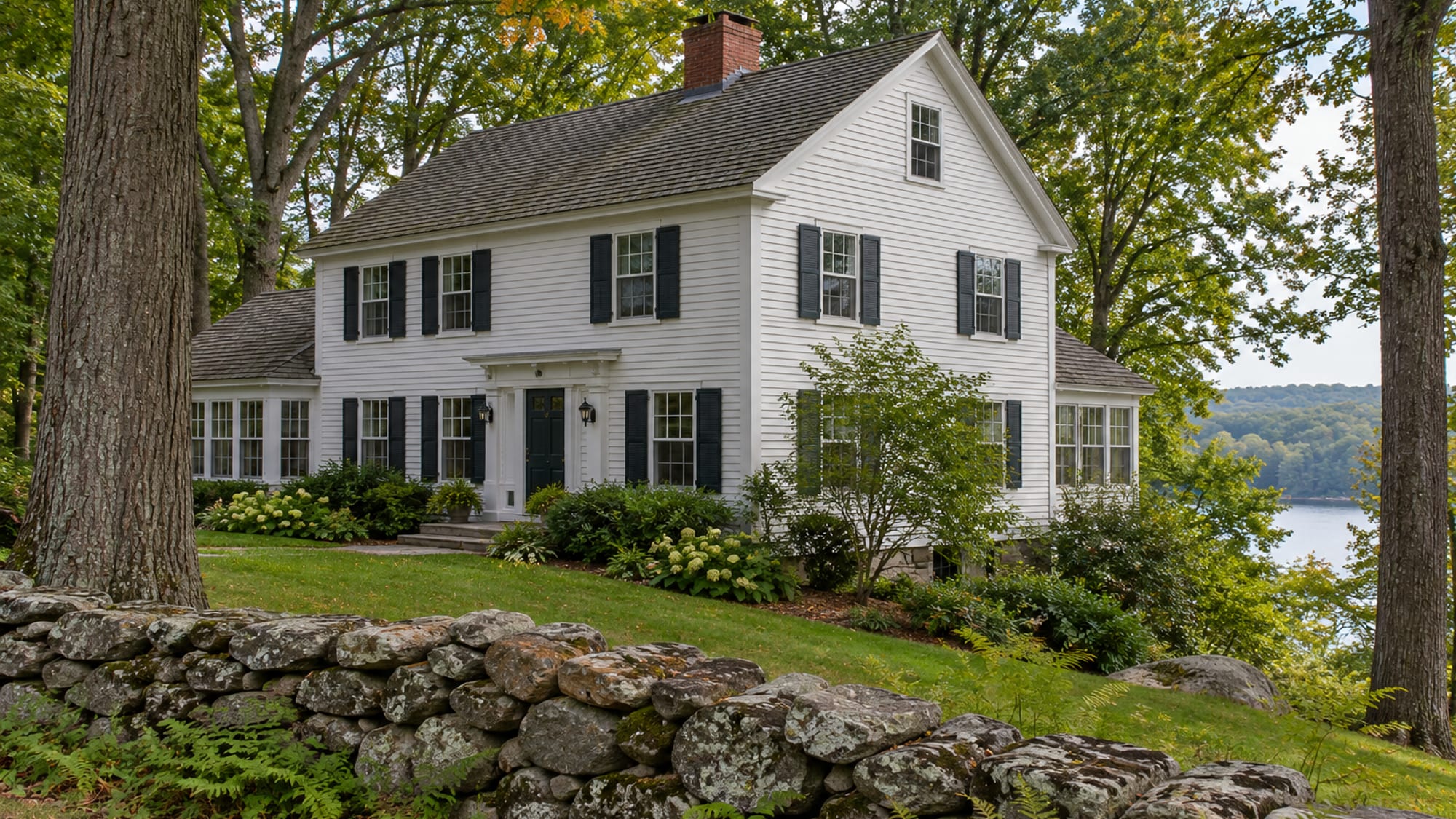
Before you sign with a siding contractor in Sherman, call the Sherman Building Department and ask whether your job needs a permit. Connecticut's building code exempts siding repairs that stay within 25% of the building's siding in one calendar year. A full replacement, new insulation, replaced sheathing, structural repair or moved window and door openings can fall outside that exemption, and the town gives the answer for your house.
Sherman is a small town on Candlewood Lake with many older houses and plenty of wooded lots, and that mix shapes the job. The 2000 Census counted 1,606 housing units in town, 227 of them built in 1939 or earlier, with a median year built of 1969. Those figures are old, but they suggest a lot of walls that may hold older trim, older paint and repairs nobody has seen in years.
Permit status, siding material, hidden wall damage and insulation all feed into the price. Settle those first, and every proposal you collect will be written against the same scope instead of competing on the bottom line alone.
Key Takeaways
Connecticut's permit exemption covers siding repairs limited to 25% of the building's siding within one calendar year; a full residing, insulation, sheathing replacement, structural repair or altered openings need an answer from the Sherman Building Department.
Siding price follows the wall, not the floor plan: wall area, material, removal, hidden damage, trim and access set the number, so get a written proposal after a visit.
On a house built before 1978, ask any contractor whether the firm is EPA lead-safe certified before the old siding comes off.
Check the contractor's registration in the state's eLicense system, and make sure the legal name on it matches the name on the contract.
Connecticut gives you three business days to cancel, and DCP says an upfront payment generally should not be more than one-third of the project price.
Does a Siding Job Need a Permit in Sherman?
Connecticut's current State Building Code is the 2022 code, which applies to permit applications filed on or after October 1, 2022. It adopts the 2021 International Residential Code and the 2021 International Energy Conservation Code, and the state's code page lists the regulations. Inside that code, permit exemptions include repairs limited to 25% of roof covering and building siding within one calendar year.
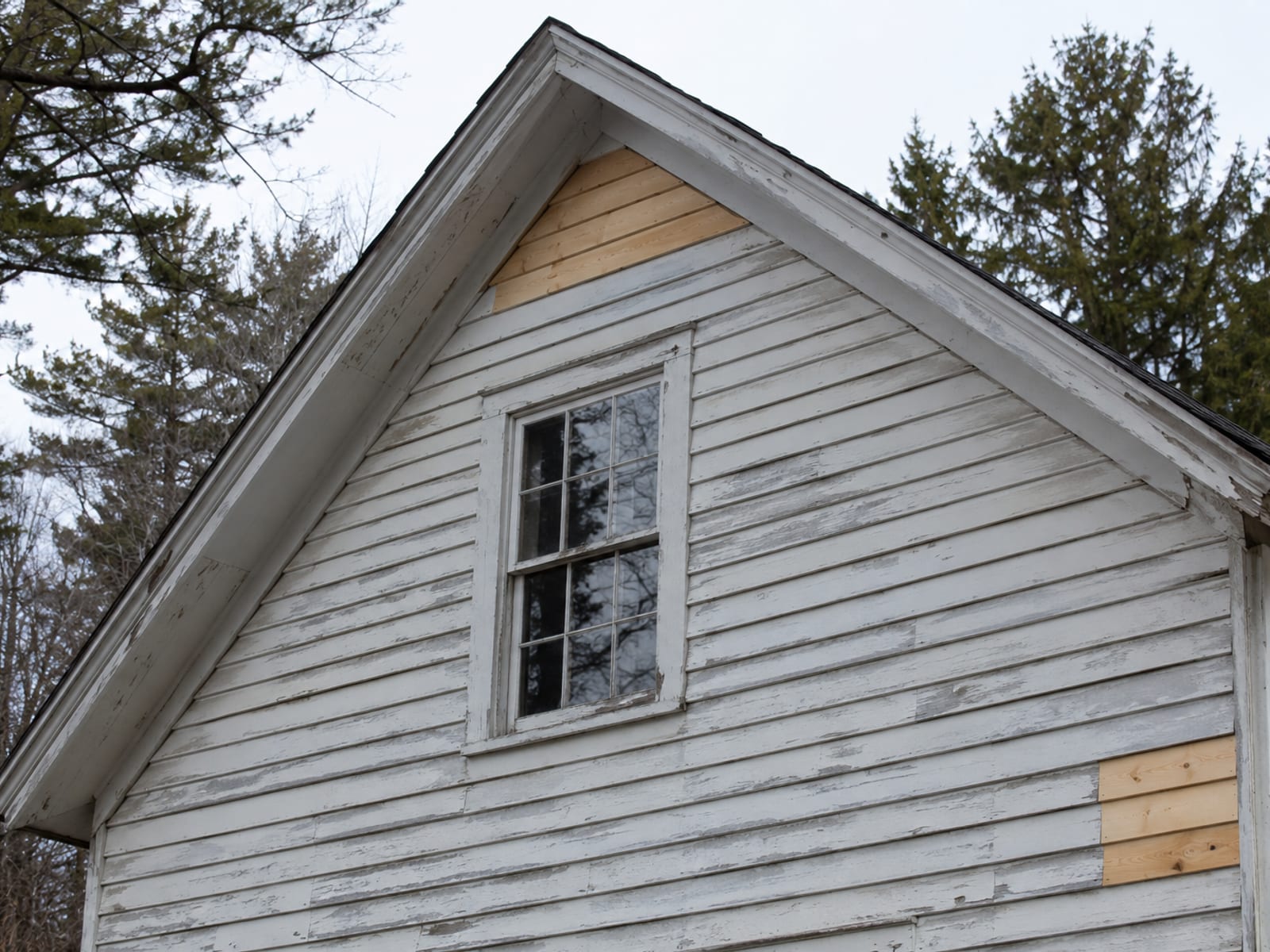
The Sherman Building Department issues building permits and offers inspections by appointment. Its page carries a permit application and a minimum-required-inspections document, and the office can tell you the current fee for your scope.
When you call, describe the work in plain terms: which walls, which material, whether the sheathing or insulation will change. Then ask three things. Does the scope need a permit? Which inspections apply? Who pulls the permit, you or the contractor? Connecticut's Department of Consumer Protection also advises you to confirm with the town that a required permit has been approved before work begins.
Land use is a second call. Sherman's Planning and Zoning Department facilitates renovations, additions and exterior work, and its page links to the Historic District Commission, the Inland Wetlands Commission and the zoning regulations. If your house sits close to the lake, inside a historic district or near wetlands, ask that office whether any review applies to your property before you order material.
Repair, Repaint, Overlay or Replace: Which One Is Your House?
Start by walking the outside of the house from the ground and taking photographs: damaged boards, trim, window and door surrounds, spots where pipes or vents pass through the wall, and any bare sheathing. Note the approximate year the house was built. Those photos give each contractor the same starting information, and the build year tells you whether lead-safe rules apply later on.
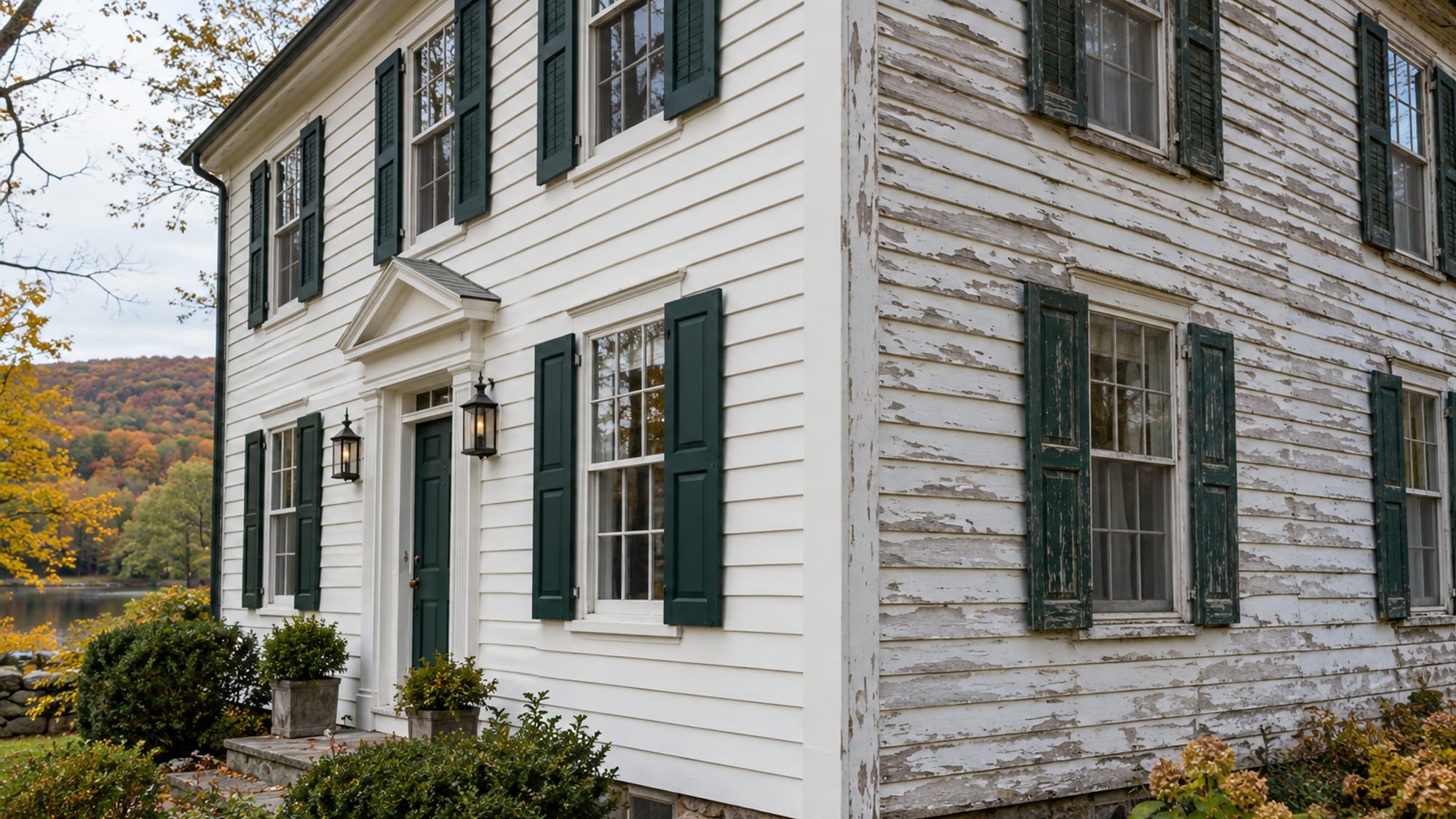
A repair makes sense when damage is limited and the wall behind it is sound. Rot, peeling paint, open joints and failed flashing need attention before any new finish goes on, so a repaint over bad wood only hides the problem for a season. If the damage is soft wood, the wood rot repair work comes first, and a fresh coat from an exterior painting crew follows once the wood is sound.
An overlay covers the old siding instead of removing it. That keeps the cost of tear-off down, but it also keeps the wall closed, so hidden moisture damage and insulation stay out of reach. Full replacement opens the wall, which is where you find out what is really behind the boards and where the permit question gets bigger.
Connecticut has no single replacement interval for siding. How long a wall lasts depends on the material, the installation, moisture exposure, impact damage, the condition of the paint or coating, the flashing and any concealed damage. Judge by condition, not by the calendar.
Weather works on those walls every year. NOAA's 1991 to 2020 normals for the nearby Danbury station show 53.04 inches of annual precipitation, cold winters with freezing days and warm, humid summers. The National Weather Service describes nor'easters as East Coast storms that can bring winter storm, blizzard and high-wind conditions. Ask the contractor to look closely at the windward walls, flashing, trim and any impact damage.
Which Siding Suits an Older Sherman House?
The right material depends on the house you have, not on a general ranking. Trim proportions, window placement, porch details, moisture history and wall condition all count, and so does how much maintenance you want to take on. If the project will expose the sheathing, that changes the repair list as well. Here is how the four common choices behave on an older or wooded property.
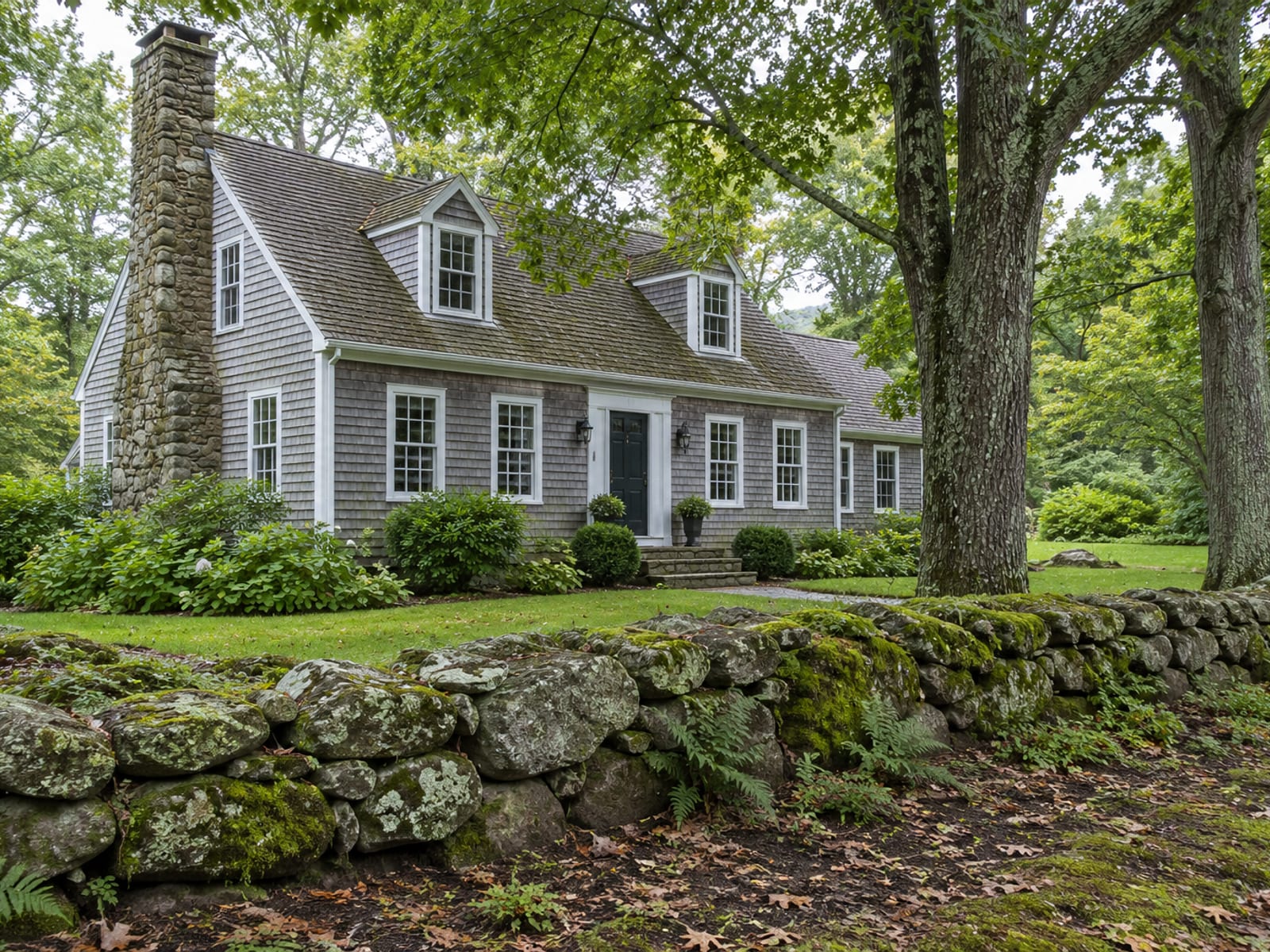
Wood siding suits older houses and rural homes because it can be repaired piece by piece, repainted and detailed around irregular trim. In return it needs ongoing coating and moisture care. Under trees, where walls stay shaded and damp, that care matters more, and any rot has to be cut out before new finish work starts.
Cedar shake
Cedar shake gives a traditional textured look that can suit older and lake-area architecture. It generally costs more than basic vinyl, and it needs careful detailing, ventilation, spacing and maintenance. Ask a contractor how the shakes will be spaced and how air will move behind them. Our guide to wood shake siding pros and cons covers the upkeep.
Fiber cement
Fiber cement gives a painted, wood-like appearance and is often picked by homeowners who want a more rigid, durable cladding. It is heavier than vinyl, and each product has its own cutting, fastening, flashing, clearance and joint requirements. The proposal should name the exact product so the crew can follow the maker's instructions.
Vinyl
Vinyl is generally the lowest-cost option, and it needs little painting. It depends heavily on correct installation: proper fastening, room for the panels to move with temperature, water management, trim and ventilation details. A low price with sloppy installation is the usual way vinyl disappoints. Our siding installation page covers the systems we install.
Should Insulation Go In While the Wall Is Open?
ENERGY STAR notes that removing exterior siding can be a chance to add insulation to an uninsulated wood-frame wall. The right amount depends on the climate zone and how the wall is built, and ENERGY STAR's page on R-values explains how those recommendations work.
Ask the contractor to write down the proposed wall assembly instead of quoting a number from memory. The proposal should show what goes on the sheathing, which weather barrier and flashing are used, and what insulation, if any, is added. Because Connecticut's code adopts the 2021 International Energy Conservation Code, mention the insulation when you call the Building Department, since new insulation sits outside the simple repair exemption.
What Does Siding Cost in Connecticut?
No single price covers every Connecticut house, and published figures swing widely by source and year. Cedar and fiber cement generally cost more than vinyl, and older houses tend to add repair and trim work once the old siding is off.
The wall decides the price. Total wall area counts, not finished floor area, and taller walls take more staging. Cedar, fiber cement and vinyl sit in different price bands, and removing and hauling away the old siding is its own line. Rot, insect damage, wet sheathing or framing repairs show up once the boards come off, and water management behind the siding takes labor and material. Trim around windows, doors, corners, rakes, soffit, fascia and porches adds up on older houses. Insulation and lead-safe work add steps, and staging around trees, driveways and tight lakeside lots affects the crew's day. Permits, inspections and mid-job changes belong on the estimate too.
Because so much of that stays hidden until the wall is open, a Sherman price has to come from a written proposal after someone has looked at your house. Ask each contractor to list the same line items so you can compare scope against scope.
Does Lead Paint Change the Job on a Pre-1978 House?
It can. The EPA's Renovation, Repair and Painting rule applies to paid work that disturbs painted surfaces in housing built before 1978. Firms, including sole proprietors, must be EPA-certified for covered work, and workers must follow lead-safe practices. The EPA explains the rule on its contractor program page, and a Connecticut fact sheet covers the state.
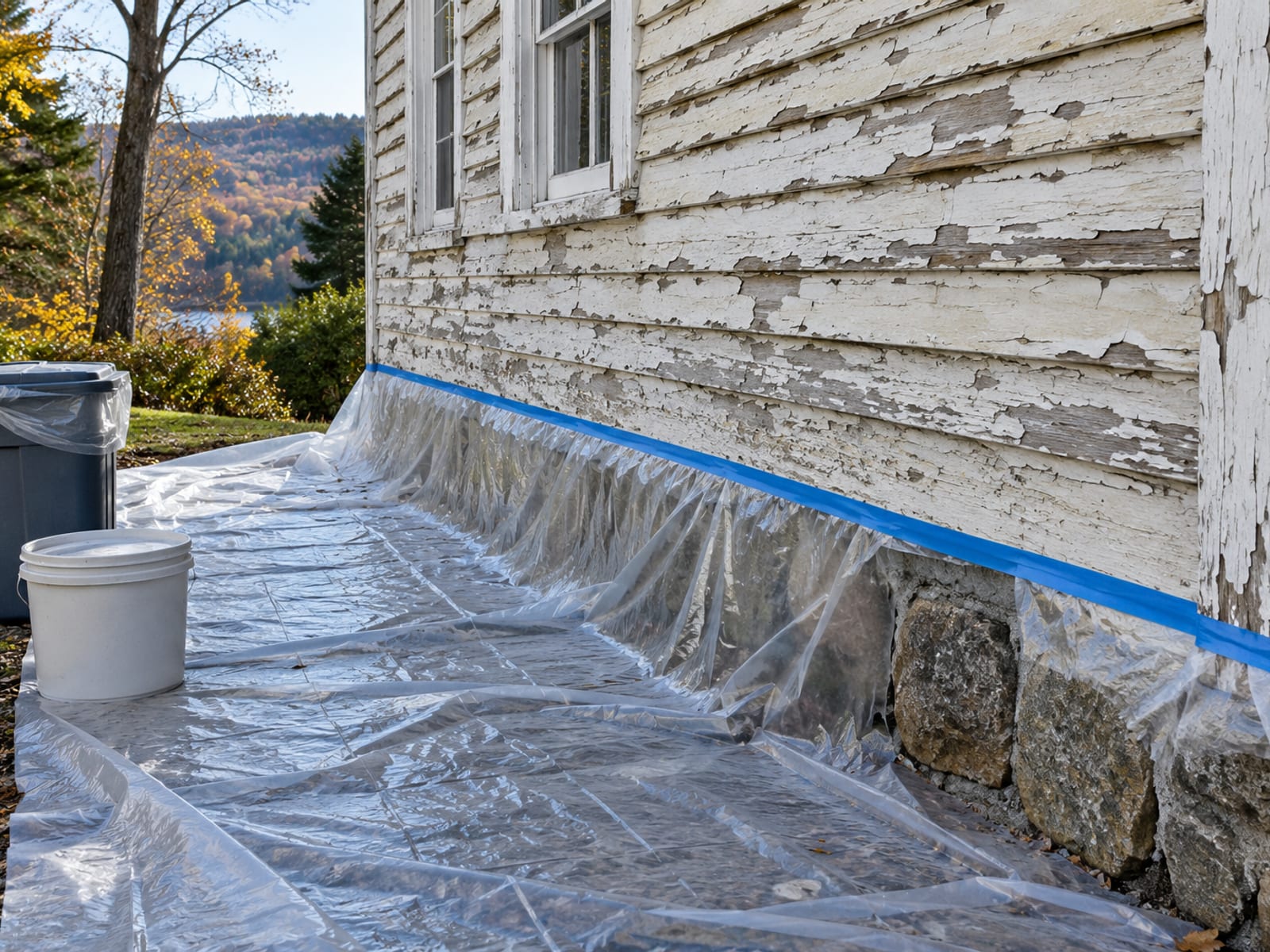
With a median build year of 1969 in the 2000 Census, plenty of Sherman houses fall on the pre-1978 side of that line. So, ask each contractor directly: is the firm EPA RRP-certified, who is the certified renovator on site, and how will dust and debris be contained and cleaned up?
How Do You Check a Siding Contractor Before Signing?
Connecticut's Home Improvement Act covers permanent residential improvements, including siding, and contractors who do this work for consumers must register with the Department of Consumer Protection. You can look up a registration in the state's eLicense portal. The legal business name and registration number should match the name and number on the proposal and the contract.
Applicants for registration must show at least $20,000 in general liability coverage, according to the DCP application page. Ask for a certificate of general liability insurance and confirm it with the insurer, and ask about workers' compensation where it applies.
Then ask for references on jobs like yours: older homes, wood framing, complicated trim or rural access. Find out who will do the work and whether subcontractors are involved. If a contractor claims a manufacturer certification, ask which product it covers and what installation requirements apply. Our guide on how to choose a siding company has the full checklist.
Connecticut's DCP guidance on working with a contractor recommends checking registration, speaking with several contractors, asking for references from similar projects and using a detailed written contract. Walk away from a verbal-only scope, pressure to sign today, a demand for most or all of the money upfront, a refusal to share registration or insurance details, or a proposal that skips removal, flashing, sheathing, trim, disposal or cleanup.
What Should the Written Contract Say?
Connecticut requires a written, signed and dated contract for this work. The contract has to identify the contractor and address, show the registration number, carry both signatures, and state the contract date and a cancellation date. It also needs start and completion dates, the scope, the materials, who handles cleanup, who is responsible for the permit and the payment schedule.
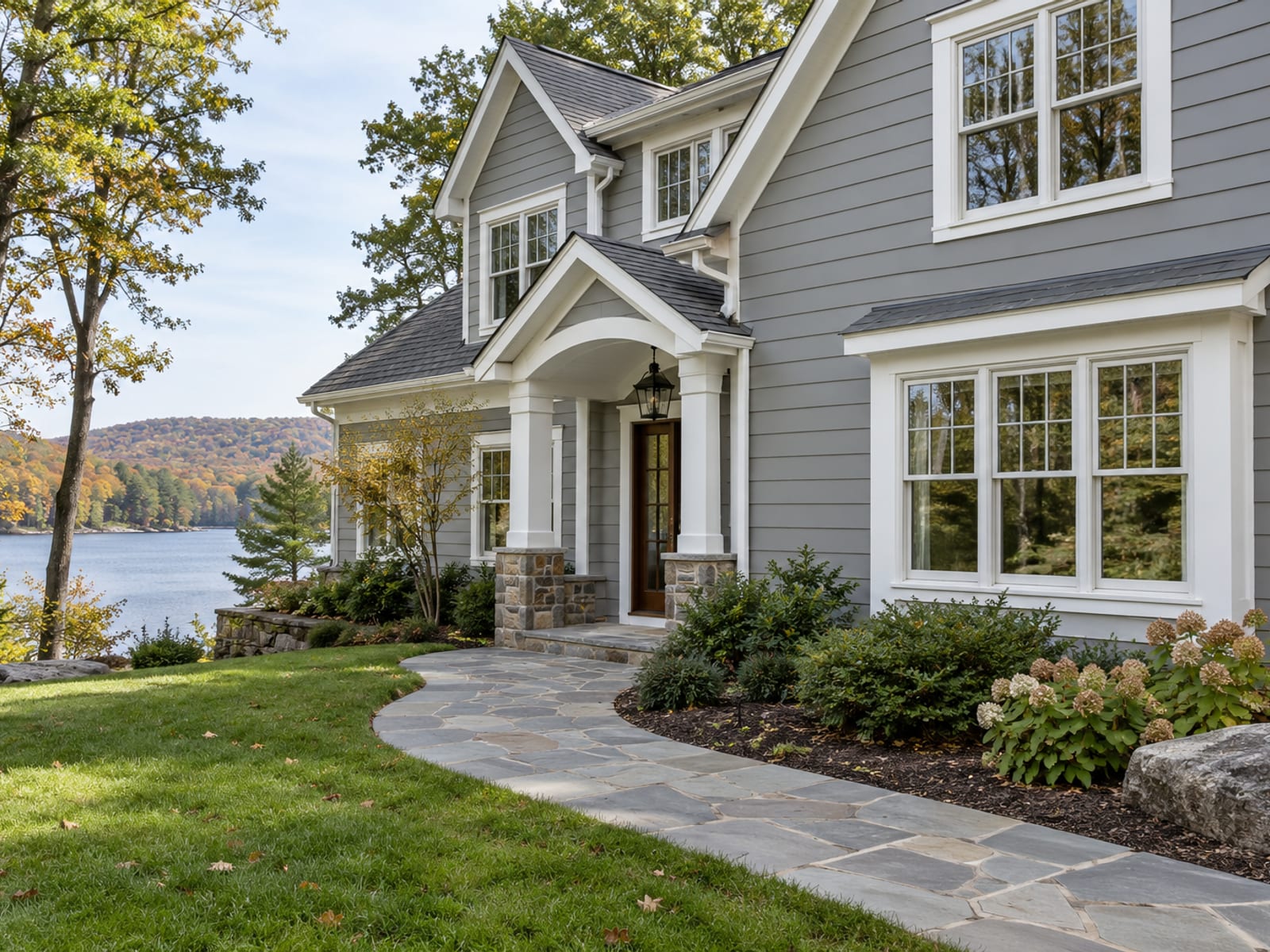
You have three business days to cancel, and the contract must describe that right. DCP says an upfront payment may be reasonable for materials but generally should not be more than one-third of the project price. Never pay the full price before the work is complete, make every change in writing, and keep a signed copy.
Our own registration is CT HIC #0633301, and any contract with us shows it. Whoever you hire, find that number on the page and look it up.
Once you have two or three proposals, line them up against each other:
Line-by-Line Proposal Comparison
Removal is often a separate line, and a missing one means a surprise later
Tap a factor to see how it moves the price.
The lowest total is not always the lowest cost. A bid that leaves out flashing, trim or disposal can end up higher once those items are added back.
Frequently Asked Questions About Siding Contractors in Sherman, CT
Do I need a permit to replace siding in Sherman?
Call the Sherman Building Department before you sign. Connecticut's code exempts repairs limited to 25% of the building's siding in one calendar year, but a full replacement, new insulation, sheathing replacement, structural repair or altered openings may fall outside that exemption.
How much does siding cost in Connecticut?
It depends on the wall area, the material, removal, hidden damage, trim, insulation, lead-safe work and access. Vinyl is generally the lowest-cost option, with fiber cement and cedar above it. Your own price comes from a written proposal after someone has looked at your house.
Does living near Candlewood Lake or in a historic district change the rules?
Ask Sherman's Planning and Zoning Department whether zoning, historic district or inland wetlands review applies to your property. Ask before you order materials so a review does not stall the schedule.
How often does siding need to be replaced?
There is no fixed interval in Connecticut. Material, installation quality, moisture, impact damage, the condition of the paint and flashing, and hidden wall damage all play a part, so inspection of the actual wall is a better guide than a date.
How much can a contractor ask for upfront?
DCP says an upfront payment may be reasonable for materials but generally should not be more than one-third of the project price. Pay the balance in stages tied to the work, and never pay the whole amount before completion.
Can I cancel after signing?
Connecticut gives you three business days to cancel a home improvement contract, and the contract must describe that right and show the cancellation date.
Does American Quality Roofing and Siding install siding?
Yes. We serve Central and Western Connecticut, and we give free estimates. Our siding installation page lists what we install.
Quick Siding Contractor Knowledge Check
1. What does Connecticut's permit exemption cover for siding?
2. Which office can tell you whether zoning, historic district or wetlands review applies to your property in Sherman?
3. Why ask about EPA RRP certification on an older house?
4. What is the most that DCP says an upfront payment should generally be?
5. When comparing two proposals, what is the best approach?
Final Thoughts
A Sherman siding project goes best when the paperwork is settled before the first board comes off. Ask the Building Department whether your scope needs a permit, ask Planning and Zoning whether any review applies to your lot, and match the material to the house you actually have. Then ask for proposals written against the same scope, so each price covers the same work.
Done that way, you know what is behind your walls, what the job includes and who is responsible for each piece. That protects the house through Connecticut's freezing winters and warm, humid summers, and it protects you if a question comes up later.
If you are sorting out siding on an older Sherman house, American Quality Roofing and Siding can walk the exterior with you, explain what we see and put a written estimate in your hands. We serve Central and Western Connecticut, our estimates are free, and you can [request a free estimate/) or call us to get started.
Written by Jose Zaruma, American Quality Roofing and Siding.
← Back to the blog