Roofing Guide
Exterior Painting or New Siding for a Connecticut Home
By Jose ZarumaPublished
- siding
- exterior painting
- painting
- connecticut
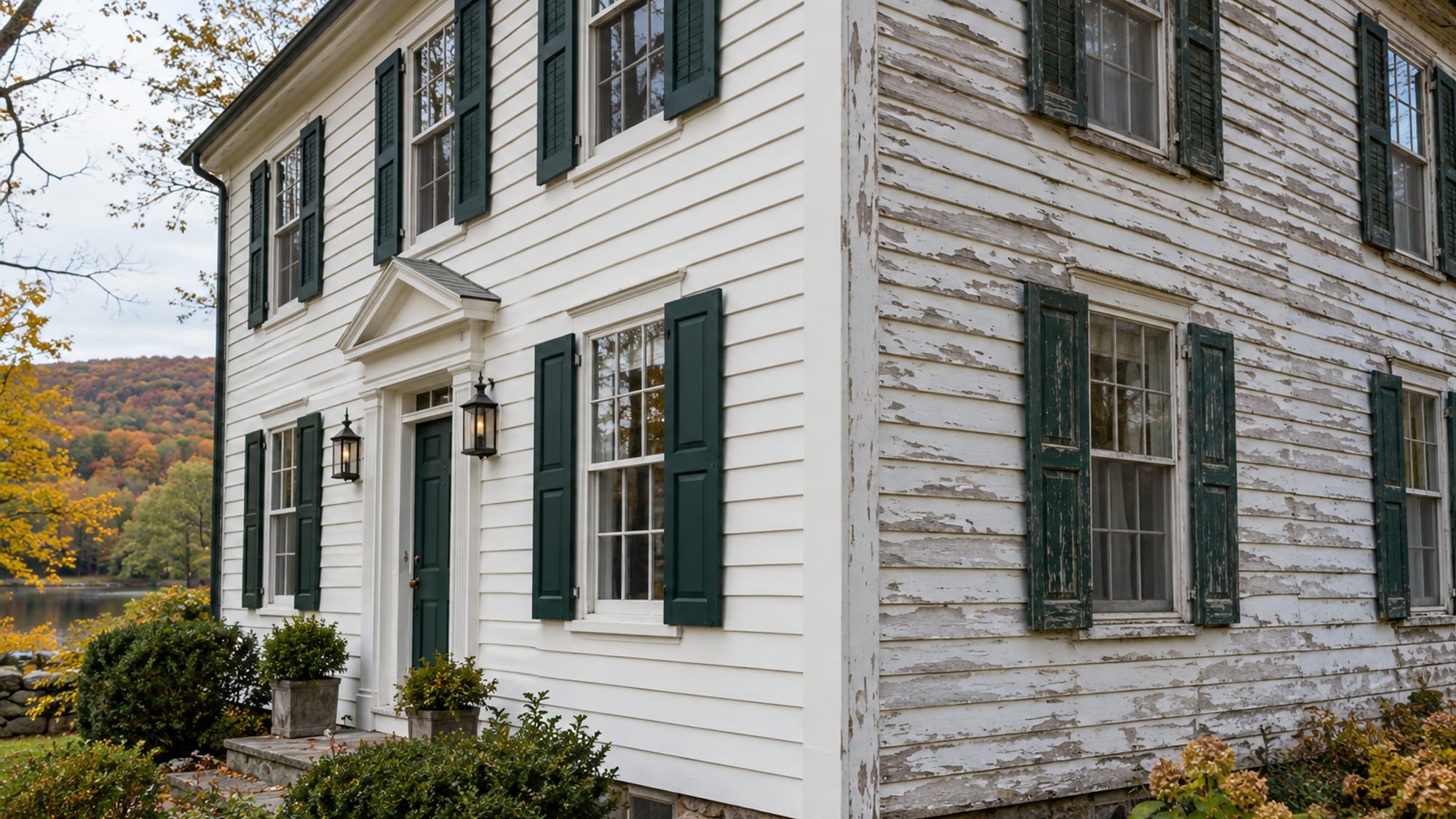
Paint is the practical choice when your siding and trim are sound and the trouble is how the house looks or how the surface is holding up. New siding becomes the stronger choice when panels or wood are cracked, warped or rotting, when water is reaching behind the cladding, or when repairs keep coming back.
A tired-looking exterior can mean two different things. The color may simply be faded, chalky or dated, or the wall itself may be failing and the color is only the first thing you notice. Paint fixes the first problem and hides the second.
If the house has vinyl, the answer to the question many people have is yes: sound, clean vinyl can be painted with a color made for vinyl. The details on color and warranty come below, and they matter.
Key Takeaways
The deciding test
paint suits a sound wall with an appearance problem; rot, cracked or warped panels and water behind the cladding point to replacement.
Vinyl can be painted
with an acrylic paint in a vinyl-safe color, on clean siding in good shape. Dark colors that are not vinyl-safe can make panels warp.
Warranty first
Sherwin-Williams tells homeowners that painting may void a remaining siding warranty, so get the manufacturer's answer in writing before the first coat.
Lead-safe rules
on a house built before 1978, paid painting or siding work can fall under EPA's lead-safe rules, including new siding nailed over old painted surfaces.
Compare like with like
ask for two estimates that cover the same preparation and repair scope, so the totals mean the same thing.
Telling a Tired Finish from a Failing Wall Saves You from Paying Twice
Before you ask anyone for a price, spend ten minutes sorting your house into one of two groups. In the first, the finish is worn but the material underneath is stable. In the second, the cladding, trim, flashing or sheathing behind it is deteriorating. The two groups lead to different spending, and a painter and a siding crew will each naturally recommend what they do.
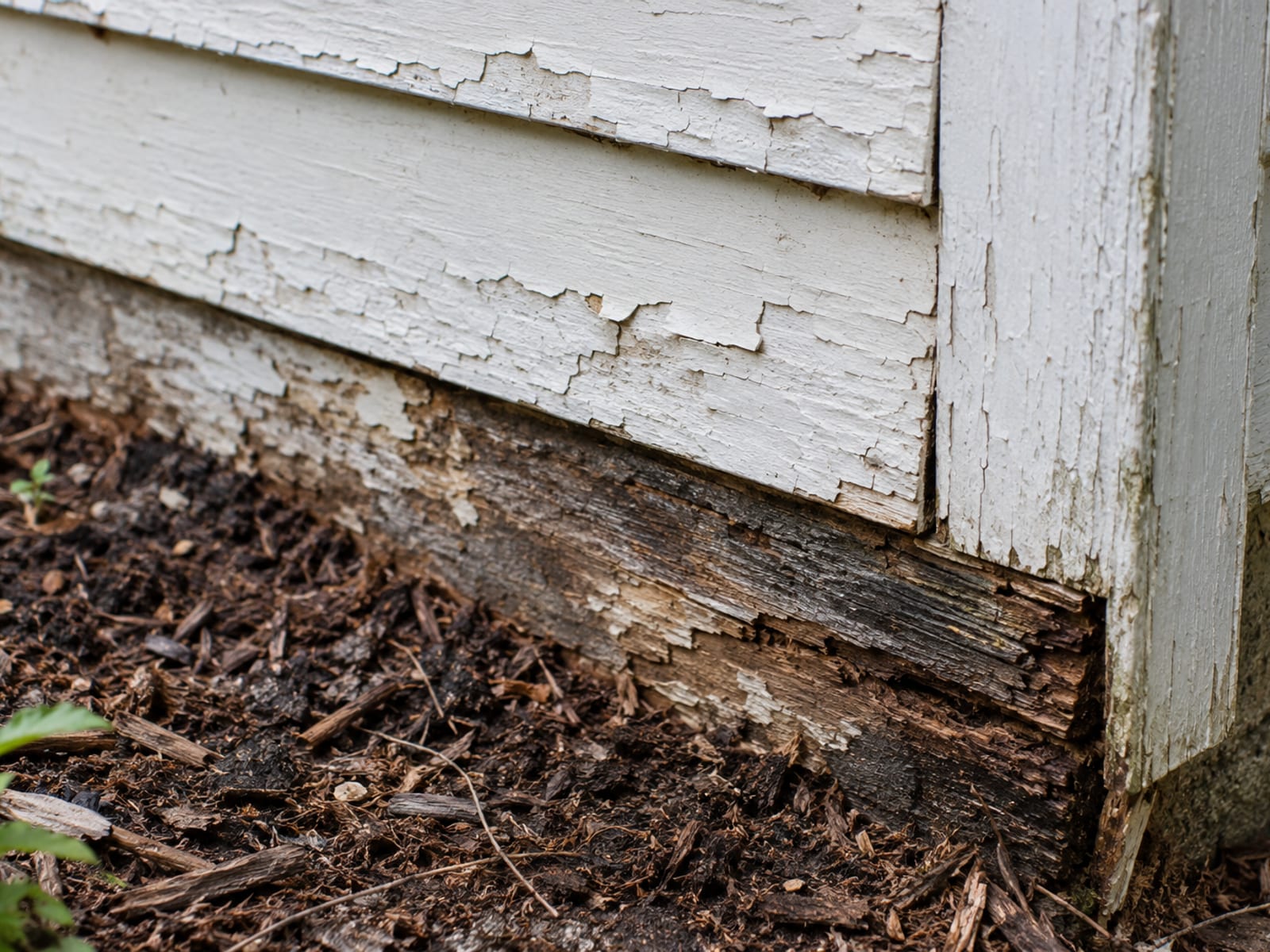
Replacement is the better direction when the wall cannot hold up a new finish. A coating does not replace deteriorated material, and a fresh color over a wet or rotting board leaves the real problem in place and often means painting it again in a few years.
Today, walk the house and photograph what you see, including peeling paint, cracked or loose panels, soft wood, stains, open joints, damaged trim and any sign of water. Note the siding material and roughly when it was installed, and check whether the house was built before 1978. Stay on the ground for all of this.
Seven Conditions That Point Toward Paint or Away from It
Some exteriors still look decent from the street and are failing at the edges. Others look worn and are fine underneath. These signs help tell them apart, and each one describes the wall rather than the color.
Paint or Replacement: What Each Condition Suggests
Paint candidate after cleaning and preparation
Tap a factor to see how it moves the price.
Water is the thread running through the second half of that list. Sherwin-Williams' preparation steps call for repairing cracks and damaged areas before any coating goes on, and James Hardie describes the weather barrier beneath its siding as the layer that reduces water and air infiltration. When water-management is the problem, color is not the fix.
A contractor should identify the affected material, the moisture source and the proposed repair before recommending paint. Small soft areas of wood may only need localized wood rot repair before a repaint, while a wall with rot across broad areas is a replacement conversation. Our guide to common siding problems explains what each sign usually means.
A Repaint Pays Off When the Wall Underneath Is Sound
When the siding is stable and the finish is simply tired, repainting is often the lower-scope project. You keep the cladding, so the work is cleaning, preparation, repairs and coating, without removal, disposal and new material. The price still depends on the house, which is why the estimate matters more than the idea.
Good paint work is mostly preparation. That means washing, scraping, sanding, caulking, spot repairs, primer where needed and the right number of finish coats. Weather matters too. Sherwin-Williams recommends avoiding exterior painting below 50°F or above 90°F for the system it cites, and wants the surface dry. Its contractor FAQ adds that temperature and moisture should stay suitable after application, and it flags spring and fall as tricky when temperatures swing. In Connecticut that points toward a dry, moderate stretch, subject to the label on the can.
Exterior paint does not last forever. Sherwin-Williams gives a typical repainting interval of 7 to 10 years, and Benjamin Moore gives 5 to 12 years. Both name climate, the surface, preparation, product quality and application as the factors, so the same paint can last different lengths of time on different houses.
Painting can improve how a house looks to a buyer, but a higher sale price is never guaranteed, because the result depends on condition and the local market. Color is a matter of taste, the house's style and the neighborhood. If you want help with a repaint on its own, our exterior painting page covers what the work involves.
Painting Vinyl Siding Works Within Clear Color and Warranty Limits
Vinyl siding can be painted when it is sound, clean and properly prepared. The limits come from heat. Dark colors absorb more sunlight, and vinyl that gets hotter than it was designed for can warp.
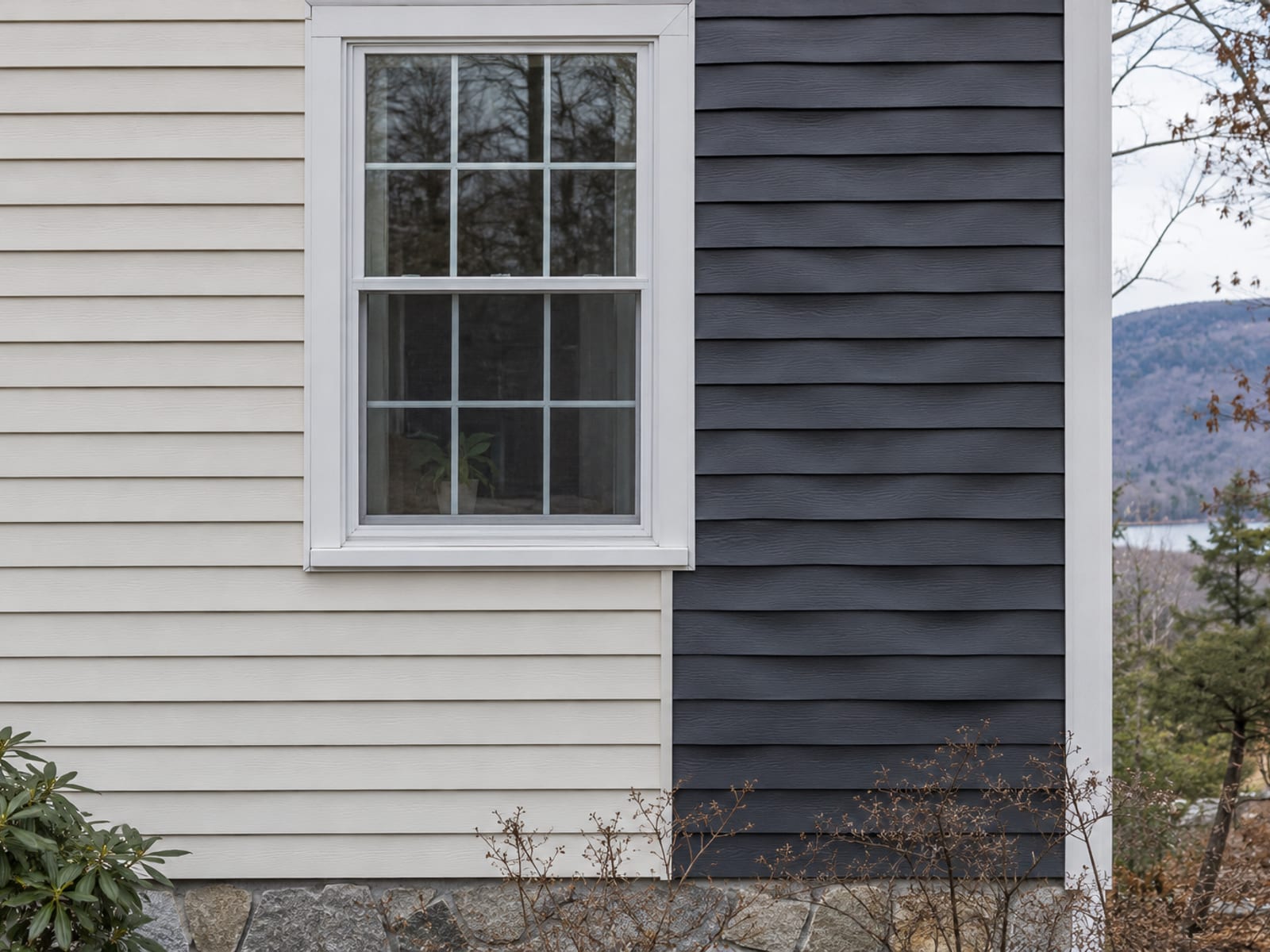
The second limit is the warranty. Sherwin-Williams tells homeowners to check with the siding manufacturer because painting may void a remaining warranty. That answer differs by siding product, so ask the manufacturer for its written position on your product, your chosen color and the coating system.
Here is the checklist before anyone paints vinyl:
- Condition: no cracked, buckled or loose panels, and no mildew left behind.
- Color: a color the paint maker lists as made for vinyl, and one that is not darker than the original unless it is vinyl-safe.
- Coating: an exterior acrylic coating approved for vinyl, applied as the label directs.
- Warranty: the siding maker's answer in writing, and the contractor's own warranty terms on the paint.
If the vinyl is already buckling or brittle, a new coat does not make it better. Panels that cannot move freely have an installation or substrate problem, and painting them first only adds cost to a wall that will need work later.
New Siding Gives the Wall Itself a Second Chance
Replacement does more than change the color. It replaces the layer that sheds water and, if the wall needs it, the things behind it. The old siding comes off, the wall gets inspected, and flashing, house wrap or water-resistive barrier, trim and damaged sheathing are repaired before new siding goes on. That inspection is often the biggest difference between the two options.
The materials change the maintenance picture. The Vinyl Siding Institute's 2022 environmental product declaration uses a 50-year reference service life for vinyl siding, says many manufacturers offer warranties of 50 years or longer and describes vinyl as needing little upkeep and no painting in normal use. That is an industry reference period, not a guarantee that every Connecticut installation will look new that long, because sun, freeze-thaw cycles, moisture, wind, installation quality and maintenance all affect the result.
For fiber cement, James Hardie states that its products carry a 30-year non-prorated warranty and that its factory-applied ColorPlus finish carries a 15-year limited warranty covering paint and labor against peeling, cracking and chipping. Fiber cement is heavier and needs product-specific cutting, fastening and maintenance.
Published Reference Periods by Maker and Year
Reference Period: 7 to 10 years
Source: Sherwin-Williams
Tap a factor to see how it moves the price.
Each of these is a reference period from the maker or the industry. Your wall's condition and upkeep decide how it plays out.
Estimates Are Easier to Compare When Both Cover the Same Preparation
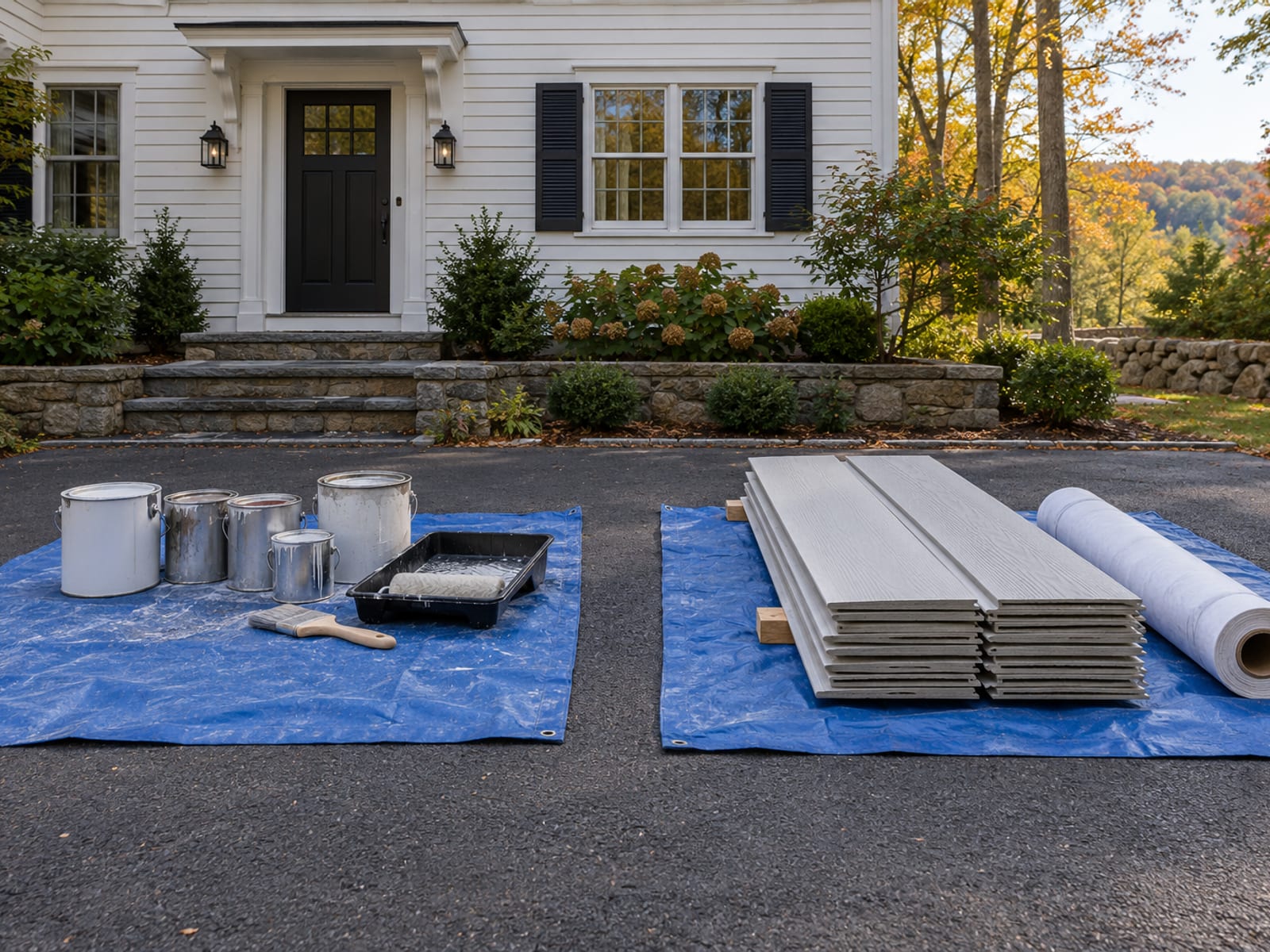
A repaint and a re-side can look comparable on paper while pricing completely different work. That is why the useful move is to ask for both from the start, written so that preparation and repairs match.
2025 Cost vs. Value Report: National Siding Replacement Figures
Job Cost: $17,950
Resale Value: $17,313
Cost Recouped: 97%
Tap a factor to see how it moves the price.
The report lists siding replacement, and it does not include an exterior painting figure. Repainting is a maintenance and appearance decision whose value depends on condition, buyer expectations and the local market. For a Connecticut number on either option, the answer is a measured, itemized estimate for your house.
What moves a Connecticut price in either direction starts with the total exterior wall area, not interior floor space, followed by stories and access: ladder or lift work, steep grades, tight spaces and plantings to protect. The existing condition sets the preparation, from scraping, sanding and caulking to rot, insect damage and trim repairs. Paint jobs then turn on primer and the number of finish coats, and older homes add lead-safe containment and cleanup. Replacement adds its own lines: removal and disposal, house wrap or water-resistive barrier, flashing, trim, any sheathing or insulation repairs exposed after tear-off, the product grade, profile and color, and permits and inspections where they apply.
A written estimate for either option should break out preparation, repairs, primer, finish coats, the siding product, barrier work, flashing, trim, disposal, permits, inspections, payment schedule and warranty coverage with its exclusions. If one estimate leaves out a line the other includes, ask why. For vinyl, vinyl siding cost in Connecticut shows how a measured estimate is built.
Permits, Lead-Safe Rules and Timing Shape the Schedule in Connecticut
The permit split is simple on paper. Connecticut's 2022 State Building Code applies to permit applications filed on or after October 1, 2022, and it exempts ordinary painting and similar finish work when no structural change or alteration is involved. It also exempts siding repairs limited to 25% of the building's siding within one calendar year. Full siding replacement, substrate repairs, structural repairs and alterations should be confirmed with your local building official. The Department of Consumer Protection says the homeowner remains responsible for verifying that the correct permit is in place.
Lead is the other item that catches people. EPA's Renovation, Repair and Painting Rule covers paid work that disturbs painted surfaces in most housing built before 1978. EPA's lead-safe steps include a certified firm and renovator, the EPA lead pamphlet before work begins, and containment, dust control and cleanup. Scraping and sanding for a repaint can fall under it, and so can removing siding.
New siding does not escape the rule. EPA says it can apply when newer siding was nailed over old lead-based paint, so a house with siding added after 1978 may still need lead-safe work unless a qualified determination shows the affected parts are lead-free. Minor exterior repairs that disturb 20 square feet or less may fall within an exemption in EPA materials, but it does not cover every activity or remove other lead-safety duties. EPA also publishes guidance for consumers on what to expect.
Connecticut has an older housing stock than many states. A 2024 CT Mirror report based on Census estimates found that 41% of the state's housing was built before 1960 and the median year built was 1966, so the pre-1978 question comes up often.
Questions That Help You Choose a Contractor with Confidence
Whichever option you choose, the checks are the same, and most take a few minutes.
- Registration: Connecticut requires contractors doing residential painting or siding work to register with the Department of Consumer Protection, and its home improvement page explains how to verify one.
- Insurance: ask for proof of general liability insurance, and workers' compensation coverage where it applies.
- Lead-safe status: for a pre-1978 home, ask whether the company is EPA RRP certified.
- A written contract: dates, scope, materials, payment schedule, permit responsibility, change-order rules, warranty terms and cleanup.
- Payment: DCP recommends a progress-based schedule, and an upfront payment should generally not exceed one-third of the project price. Its complaint center is there if something goes wrong.
Also ask who applies for the permit and requests the inspections, how a vinyl paint color will be chosen against its Light Reflectance Value, and how rot, wet sheathing or damaged flashing will be priced if it turns up. References from jobs with the same siding material or painting scope are worth a call.
The mistakes to avoid are the ones that show up on both sides: choosing from a low headline price without comparing preparation, painting over active moisture, assuming every vinyl color is safe and leaving permit responsibility vague.
Keeping the Exterior Working After the Project Is Done
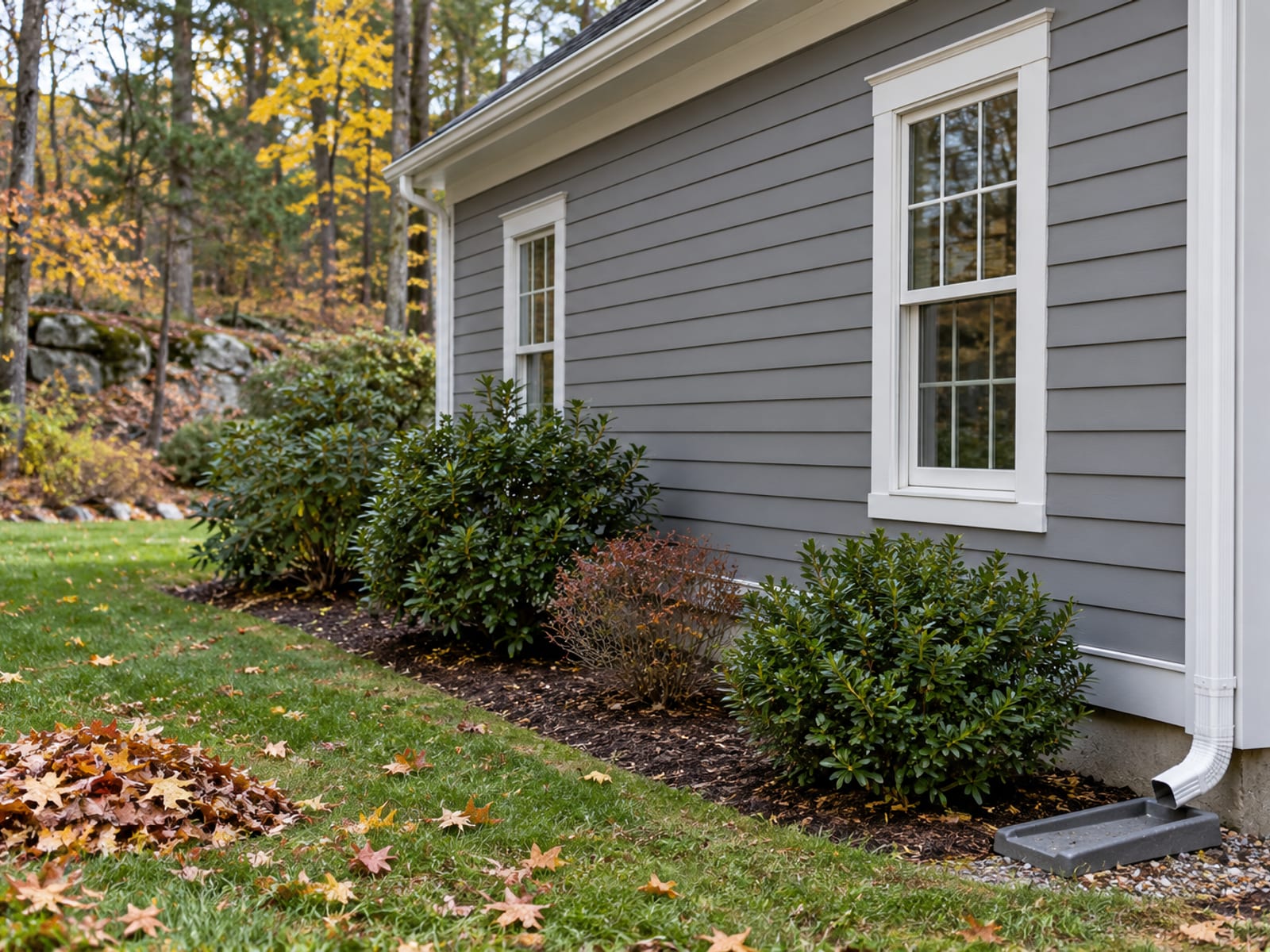
Fresh paint or new siding performs best when the surroundings are kept in order. Keep gutters and downspouts clear so water does not sheet down the wall, trim plants back from the surface, and look over each side of the house from the ground once or twice a year. Early signs, like a hairline gap at caulk or a small patch of peeling, are inexpensive to address.
Quick Paint or New Siding Knowledge Check
1. Which condition most favors repainting instead of replacing siding?
2. What is the main risk of painting vinyl siding a dark color that is not vinyl-safe?
3. What should you do about the siding warranty before painting vinyl?
4. Which Connecticut homes can be covered by EPA's lead-safe renovation rule?
5. How should you compare a paint estimate with a siding estimate?
Frequently Asked Questions About Exterior Painting and New Siding in Connecticut
Is it cheaper to paint siding or replace it?
When the siding is sound, painting is generally the smaller scope because you keep the cladding. Replacement adds removal, disposal, new siding, trim, flashing and possible wall repairs. The totals only mean something when both estimates describe the same preparation and repair work.
How do I know if my house needs new siding?
Soft or rotted wood, cracked or broken panels, widespread warping, recurring water entry and deteriorated trim point toward replacement. Faded, chalky siding that is otherwise sound may still be a paint candidate after proper preparation.
Can vinyl siding be painted?
Yes, when it is sound, clean and prepared properly, using an exterior acrylic paint in a color made for vinyl. Check the siding manufacturer's warranty position in writing first, since painting may void a remaining warranty.
How much should it cost to paint the exterior of a 2,000-square-foot house?
Square footage of the floor plan does not set the price. Wall surface area, stories, access, siding material, scraping and repairs, primer, trim, lead-safe requirements and the coating system all do. A measured, itemized estimate for your house is the reliable number.
What is the best time to paint a house exterior?
A dry stretch with moderate temperatures. Sherwin-Williams recommends avoiding exterior painting below 50°F or above 90°F for the system it cites, and the surface needs to be dry. The product label has the final word.
Does painting a house increase its value?
It can improve appearance and how a buyer sees the house, but it should not be treated as a guaranteed gain in sale price. The Cost vs. Value report tracks siding replacement, which is a larger capital project.
What kind of paint is used on siding?
An exterior acrylic or acrylic-latex coating chosen for the siding material. For vinyl, use paint approved for vinyl, such as a VinylSafe color.
Final Thoughts
The choice comes down to the wall. Sound siding and trim with a faded or worn finish usually call for paint, while rot, cracked or warped panels, water behind the cladding or repairs that keep returning point to new siding. If you have vinyl, paint is possible with a vinyl-safe color and a written warranty answer, and a house built before 1978 needs the lead-safe question settled either way.
Getting two estimates with the same preparation and repair scope turns a hard choice into a comparison of real numbers. It also keeps you from paying for new color on a wall that needs more, or for new siding on a wall that only needed a good repaint.
If you are not sure which problem your house has, American Quality Roofing and Siding can look at it with you. We serve Central and Western Connecticut from Brookfield, with siding installation and interior and exterior painting, and we are licensed and insured under CT HIC #0633301. Request a free estimate or call us, and we will tell you whether the wall needs paint or something more.
Written by Jose Zaruma, American Quality Roofing and Siding.
← Back to the blog