Roofing Guide
How to Read a Roofing Estimate Line by Line
By Jose ZarumaPublished
- roofing
- roof replacement
- hiring a contractor
- connecticut
Read a roofing estimate as a list of jobs, not as a price. Every line names something a crew will do to your roof, and a line that is missing usually means the job is left out, folded into another line, or waiting to be billed later.
That is how two Connecticut bids for the same house can land far apart without either contractor padding anything. One may price the whole roofing system, while the other prices the shingles and leaves decking, flashing and cleanup for later.
Keep a pencil handy and circle every word that lets a price change after you sign. Those words are the first thing to look for.
Key Takeaways
Loose wording
"Allowance," "as needed," "by others," "excluded" and "not included" mark work that is priced loosely or left off the total.
Square count
One square is 100 square feet of roof surface, and the bid should say whether waste is already counted.
Layers and decking
The estimate should state how many layers come off and how damaged decking is priced if the crew finds it.
Ice barrier
Under the 2022 Connecticut State Building Code, the barrier at the eaves in areas with a history of ice backup runs at least 24 inches inside the exterior wall line.
Cancellation
Connecticut gives you until midnight of the third business day after signing to cancel, and Saturday counts as a business day.
Words Like "As Needed" and "By Others" Are Where the Cost Hides
Before you read a single material name, find the lines that do not commit to anything. Allowance, as needed, by others, excluded and not included are the five phrases that move cost from the bid into the future. None of them is a trick on its own, since roofs really do hide surprises. The problem is a phrase that has no quantity, no unit price and no way for you to approve the charge.
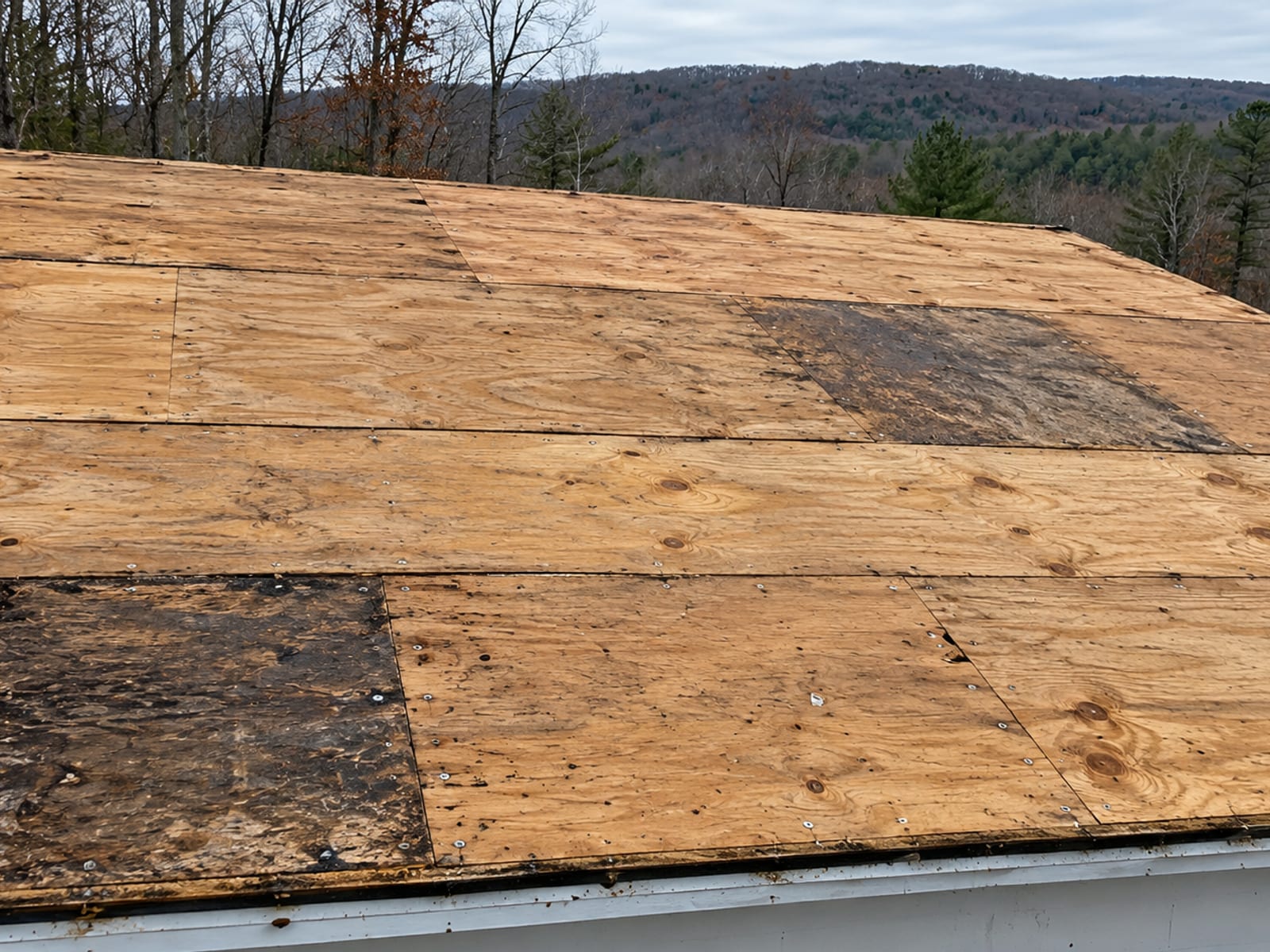
An allowance works the same way. It should name the assumed material or repair, the quantity, the unit price, how labor is treated, and how a credit or an overage gets calculated. "By others" needs a name: who handles the electrician, the chimney mason or the debris hauler, and who pays them? "Excluded" and "not included" are fine when you can see what they exclude and decide whether you need it.
Then confirm what kind of job the page describes. A repair, a partial replacement and a full roof replacement can all arrive on similar-looking paper, so the first thing on the page should say which one you are being quoted.
One Square Is 100 Square Feet, and the Count Should Say What It Includes
Roofers measure in squares. One square covers 100 square feet of roof surface, so a bid that says 28 squares is describing 2,800 square feet of roof. The key word is surface. Your roof is bigger than the footprint of your house because of its pitch, its overhangs, its valleys and its dormers. Pitch is the steepness, usually written as rise over 12 inches of run, such as 6:12, and a steeper roof has more surface, takes more labor and needs more safety setup.
Ask whether the number was measured or estimated, and whether it includes waste. Waste covers cuts, overlaps, starter courses, ridge caps, valleys and leftover pieces. It should show up as a stated quantity or percentage with a reason, not as an unexplained bump in the square count. If one bid says 28 squares with waste included and another says 26 squares before waste, they may be describing the same roof.
Tear-off comes next. It is the removal of what is on the roof now. The estimate should state how many layers the crew expects to find and how the old material leaves your property. The 2021 International Residential Code, which Connecticut's 2022 State Building Code adopts, generally calls for removing existing roof-covering layers down to the roof deck, with exceptions for certain adhered underlayments that may stay when the deck is sound and the manufacturers allow it.
Underlayment, Ice Barrier, Drip Edge and Starter Each Need a Named Product and a Place
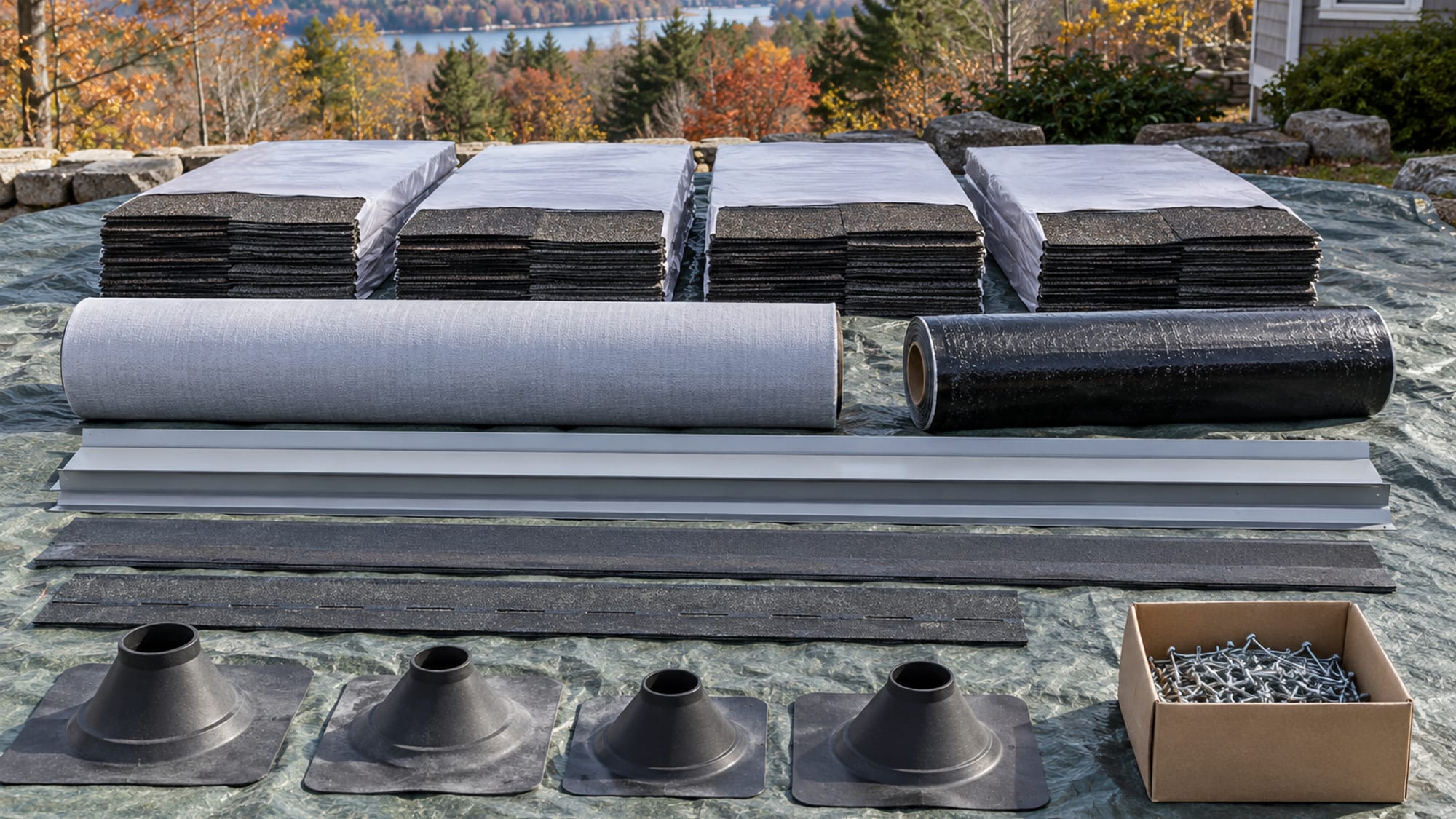
These are the layers you never see once the shingles are on, and they do most of the work keeping water out. A line that says "underlayment" or "ice and water shield" with no product and no location tells you very little. Each one should name what is going in and where it goes.
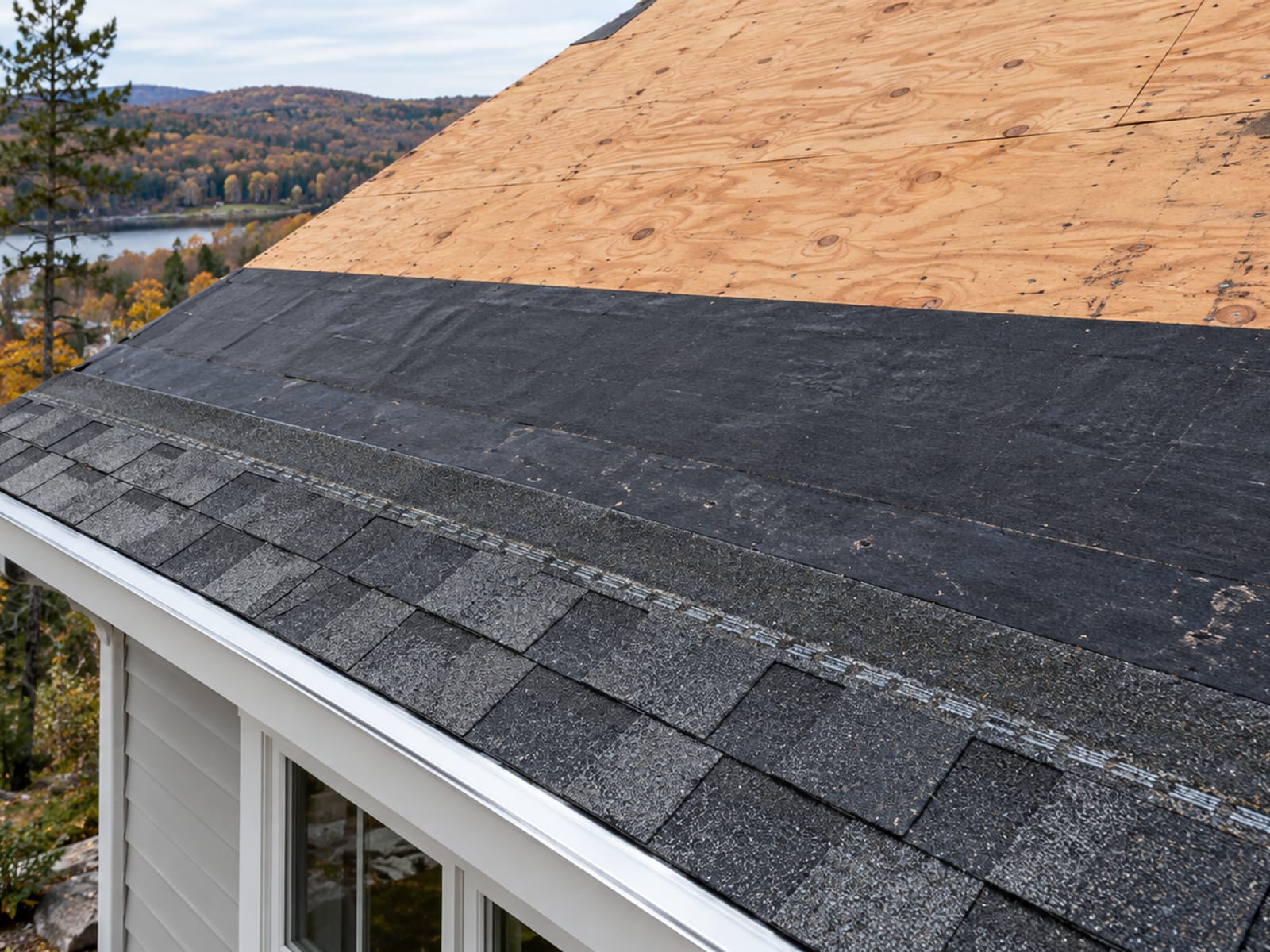
Ice barrier is the sticky, self-adhering membrane that protects the places water is most likely to back up. In Connecticut that matters every winter. The 2021 code provision that the state adopted applies in areas with a history of ice forming along the eaves and causing water backup, and it runs the barrier from the lowest edge of the roof to at least 24 inches inside the exterior wall line. On roofs with a slope of 8:12 or steeper, the provision measures 36 inches along the slope from the eave edge.
Manufacturers can ask for more. Owens Corning's published installation specifications for one of its shingle lines call for the barrier 36 inches up the slope from the eave edge and also in valleys and around penetrations. So, one bid with the barrier at the eaves only and another with it in the valleys, along the walls and around the chimney are not the same bid.
Drip edge is the metal strip along the roof edges that guides water away from the deck. Starter is the first course of shingle or roll along the eaves and rakes, and it seals the perimeter so wind does not lift the edge. Both are small lines on paper. Both are lines that a low bid sometimes does not carry, so look for them by name.
Decking, Flashing, Vents and Ridge Caps Decide Whether the Price Can Change
Decking is where an estimate most often turns into a conversation after the work starts. Damaged or deteriorated decking has to be removed and replaced before new roofing goes on, so the estimate should say which of three things happens: replacement is included, it is priced per sheet, or it is left to a change order. Any of the three can be fair. An estimate that says nothing is the one that surprises people.
Flashing is the metal that protects the places the roof is interrupted: valleys, sidewalls, chimneys, skylights, dormers and plumbing vents. Ask whether it is being replaced or reused, and where. Reusing old chimney flashing under new shingles is a decision that belongs in writing.
Ventilation means ridge vents, soffit intake, off-ridge vents and similar parts that move air through the attic. A good line names both the intake and the exhaust method, because "ventilation" alone could mean anything from a full new ridge vent to nothing. Ridge and hip caps finish the raised lines where roof planes meet, and they may be cut shingles or a separate product.
When something does change mid-job, a written change order should name the contract item being changed, the reason, the materials and labor added or removed, the revised price, any schedule change, and carry both signatures and dates. If the contract has no change-order process at all, ask for one before you sign. Our list of questions to ask a roofing contractor pairs each line with what a good answer sounds like.
Two Bids Match Only When Every Field Matches
Once you can read each line, build a one-page sheet with the same fields for every bid. Fill it in from the paper, and leave a field empty when a bid does not say. Empty boxes are the answer to why the totals differ.
One-Page Comparison Sheet for Roofing Bids
Squares, whether measured or estimated, and whether waste is counted
Tap a factor to see how it moves the price.
Several other differences are quieter. Bids can use different shingle lines or wind ratings, carry different completion dates, or expire on different days. Ask for the date a price expires and whether labor or material prices can change before installation.
A total on its own does not tell you whether a roof is overpriced. Weather, crew availability, material supply and urgency all affect pricing, which is why the sheet matters more than the bottom line. If your estimate came out of an insurance claim, the adjuster's scope is a different document, and our guide to a storm damage roof estimate covers how to read it.
With the sheet filled in, five questions usually settle the gaps:
- What is the measured roof area in squares?
- How many layers will be removed?
- How is decking priced if the crew finds damage?
- Who pulls the permit, and what does it cover?
- Which warranty covers installation errors?
Connecticut Permits, Winters and Older Houses Shape the Scope
Connecticut has one statewide building code, and local building officials run it town by town. Many home improvement projects need a town permit, and the permit has to be approved before work begins. A permit may be pulled by you or by your contractor, but the Department of Consumer Protection's consumer guidance on building permits says you remain responsible for confirming with the local building official that it is in place.
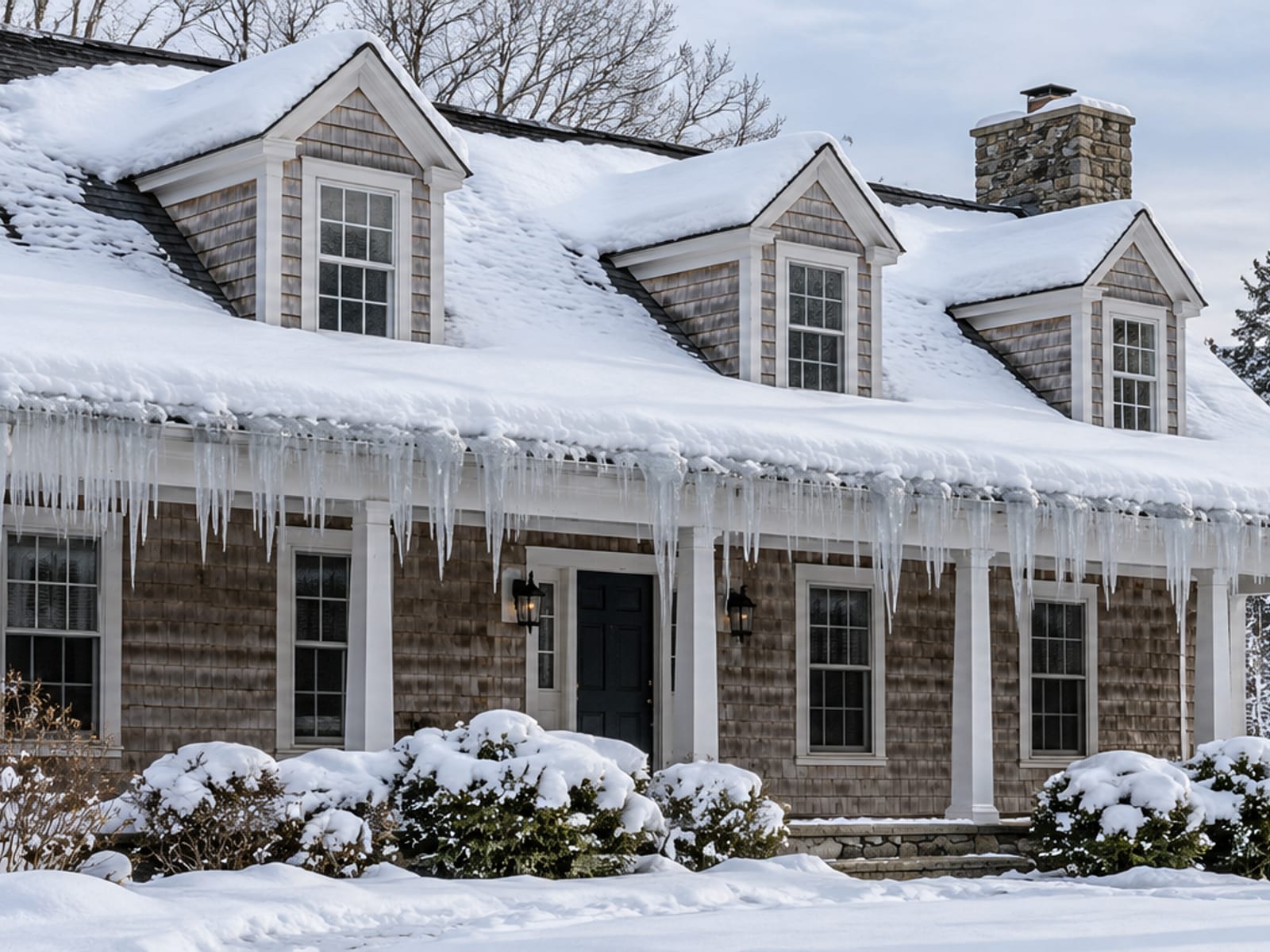
Connecticut weather raises the stakes on those lines. NOAA's Connecticut climate summary reports a long-term average of 47.4 inches of precipitation a year, ranging from 30.7 inches in 1965 to 63.7 inches in 2011. A Halloween nor'easter in 2011 dropped more than 20 inches of snow on parts of the state, and the National Weather Service describes nor'easters as bringing heavy rain or snow, gale-force winds and coastal flooding. A roof here gets tested by snow, ice and wind, and details like ice barrier and flashing earn their place on the estimate.
Many Connecticut houses are also old. The state's 2008 housing plan, using 2008 American Community Survey data, reported 24.1 percent of housing units built in 1939 or earlier and 49.7 percent built before 1980. Houses of that age can hide older boards, extra layers and old flashing, so how a bid treats concealed conditions deserves a close read. Your town's property record shows the year your own house was built.
The Contract Turns the Estimate Into a Promise
An estimate describes what a contractor expects to do. The contract is what both of you are bound to. In Connecticut, home improvement work requires a written contract that carries the contractor's registration number, the transaction date, the start and completion dates, the full description of the work, the materials, the price and payment terms, and signatures from both sides. You should receive a completed copy.
The contract also has to include notice of your right to cancel. That right runs until midnight of the third business day after you sign, and Saturday counts as a business day in Connecticut. If you sign on a Thursday, the window closes at midnight on Monday. Read that notice before you sign, not after.
Payment terms deserve their own look. The Department of Consumer Protection suggests tying payments to progress and describes one possible pattern of a third at the start, a third halfway through, and the rest after the work is finished. It advises against paying all or most of the price up front. If a bid asks for a large deposit, ask what it covers.
Check the Contractor and the Warranty Before You Sign
Start with the registration. Home improvement contractors in Connecticut must be registered with the Department of Consumer Protection, and you can look up whether a number is active on the state's eLicense system. The department's home improvement page explains the requirement. Ask for proof of general-liability insurance too, and confirm the policy is active. The same list works with any contractor, American Quality Roofing and Siding included.
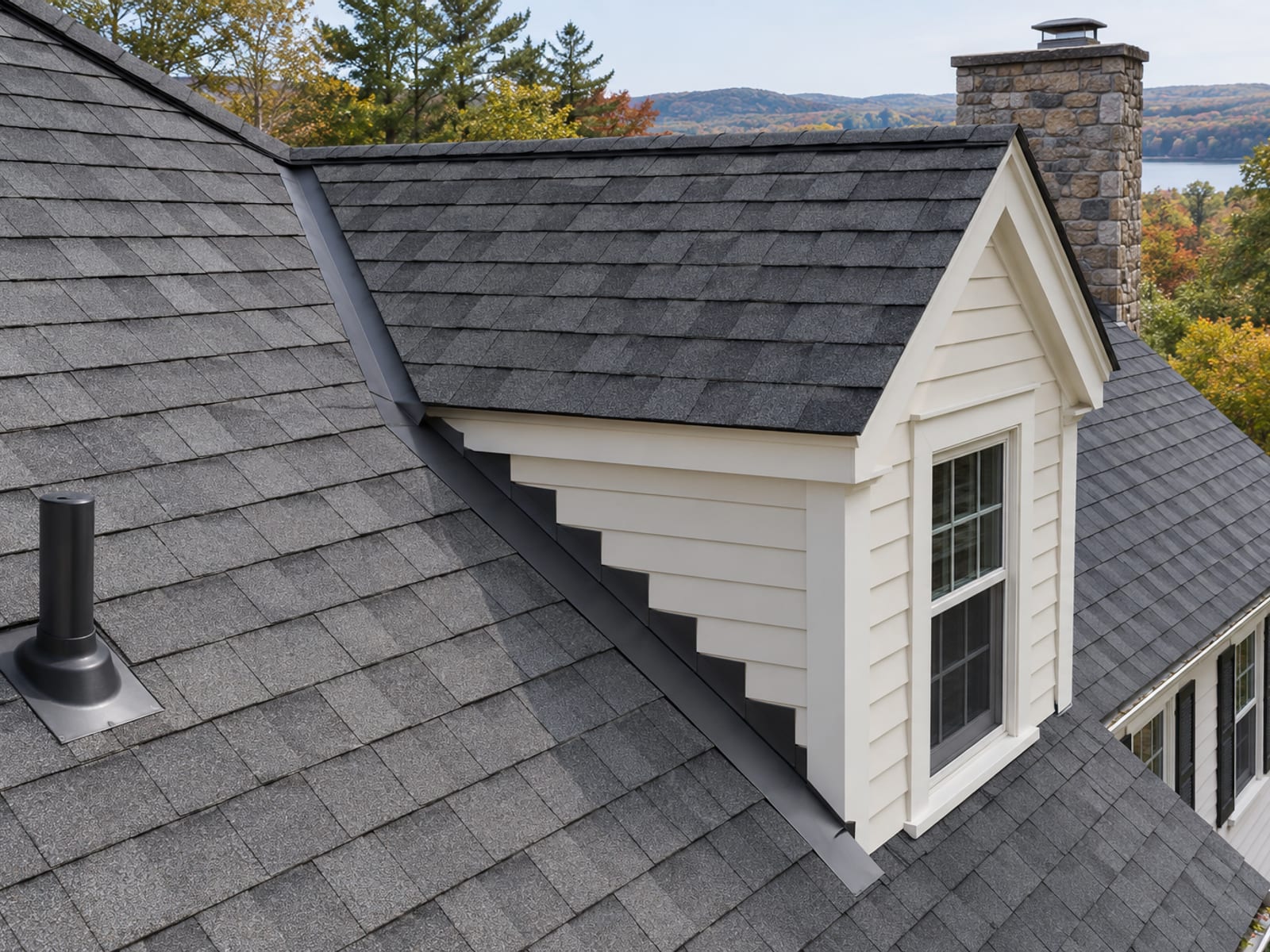
Warranty lines are easy to misread. A manufacturer's material warranty generally covers defects in its shingles and qualifying accessories. A contractor's workmanship warranty covers installation errors, and it is a separate thing. GAF's residential warranty page states that its basic shingle and accessory warranty does not cover workmanship, while enhanced warranties may add tear-off, disposal and misapplication coverage, including flashing areas such as valleys, dormers, chimneys and plumbing vents, through a certified contractor. Owens Corning's warranty summary lists no workmanship coverage under its standard lifetime warranty.
So, ask four things: who stands behind installation errors, for how long, whether the warranty transfers if you sell, and who you call to report a problem. Ask also whether the contractor holds the manufacturer certification that an enhanced warranty requires.
Frequently Asked Questions About Reading a Roofing Estimate
How accurate are roofing estimates?
They are as accurate as the details behind them. An estimate that states the measured roof area, pitch, layers, deck assumptions, accessories, disposal, permit, exclusions and change-order method leaves little room for surprise. Hidden decking damage and concealed flashing problems can still change the final amount, so the estimate should say how those conditions will be documented and priced.
How much should a 2,000-square-foot roof cost?
A house's floor area is not the same as its roof surface. Pitch, roof shape, overhangs, valleys, dormers, penetrations, layers, decking, flashing, ventilation, disposal, permits and material choice all move the total. Get the measured squares from each contractor and compare scopes line by line before comparing prices.
Is $30,000 too much for a roof?
The dollar amount cannot answer that alone. Compare the measured roof area, the material, tear-off, decking allowance, flashing, ventilation, permit, disposal, warranty and payment terms. A bid at that figure that carries every line may cover more than a lower bid that leaves several out.
What is the cheapest month for roofing?
Scheduling depends on weather, crew availability, material supply and how urgent the leak is. Ask each contractor for the date the estimate expires and whether material or labor pricing can change before installation begins.
Does a 50-year roof really last 50 years?
"50-year" often describes a limited warranty period or a product category, not a promised service life. GAF defines "lifetime" coverage by ownership of the property and lists different periods for materials, wind, tear-off, disposal and workmanship. Real service life depends on installation, ventilation, weather exposure and maintenance.
Who pulls the permit for a roof replacement?
Either you or the contractor can apply, so the contract should say which. Whoever applies, you are responsible for confirming with your town's building official that the permit is approved before work begins.
Quick Roofing Estimate Knowledge Check
1. How much roof surface does one roofing square cover?
2. What should an estimate say about waste?
3. What does a line like "decking as needed" with no unit price leave unclear?
4. How long do you have to cancel a Connecticut home improvement contract?
5. Which warranty covers installation errors?
Final Thoughts
A roofing estimate reads clearly once you treat each line as a job. Find the words that hide cost, check the squares and the layers, make sure the water-shedding layers have names and locations, ask how decking is priced, and put every bid on the same one-page sheet. Then read the contract for the dates, the cancellation notice and the payment schedule.
Doing that work before you sign tends to pay off long after the crew leaves. You end up with a roof you understand, a permit record, warranty papers that say who covers what, and no argument later about a line that was never written down.
If you would like a second set of eyes on the bids in front of you, American Quality Roofing and Siding serves homeowners across Central and Western Connecticut from Brookfield, and we are licensed and insured under CT HIC #0633301. We offer free estimates, and you are welcome to bring any other bid you have so we can read the two side by side. Request a free estimate or call us.
Written by Jose Zaruma, American Quality Roofing and Siding.
← Back to the blog