Roofing Guide
Storm Damage Roof Estimate in Connecticut: How to Read One
By Jose ZarumaPublished
- storm damage
- homeowners insurance
- roofing
- connecticut
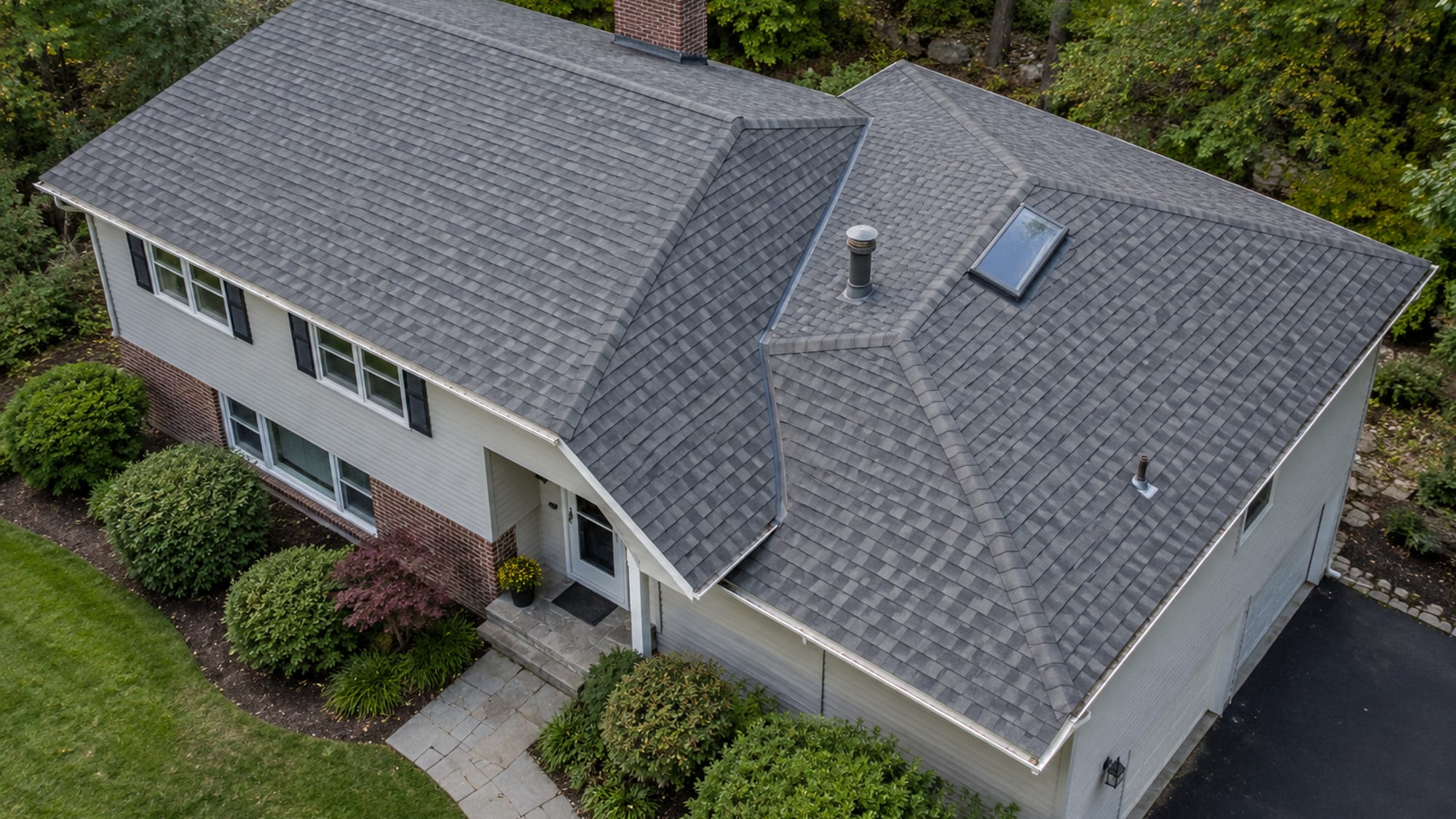
A complete storm damage roof estimate names the property and the day the roof was inspected, says what caused the damage and where it is, and measures the roof in squares (one square is 100 square feet). It lists the number of existing layers, the underlayment, flashing, ventilation, permits, cleanup and disposal, and it states what is left out.
If the paper in your hand does not cover most of that, it is not finished yet. And if you are holding two papers, one from a roofer and one from your insurance company, the totals will probably not match, and that is not unusual.
The difference is usually in the lines, not the bottom number. Once you can see which lines each document includes, the gap between them gets much easier to explain and to close.
Key Takeaways
Two different documents
A roofer's proposal describes the work and the price you would pay, while an insurer's scope calculates the repair the carrier accepts as covered.
Compare lines, not totals
Set the two side by side by roof area, slope, material, quantity, activity, unit and omitted work.
An estimate is not a payment
Connecticut guidance treats an insurer's estimate as a calculated repair cost; your policy, deductible, depreciation and valuation method decide what is paid.
Hidden decking needs evidence
Damage found after tear-off becomes a written supplement backed by photographs and measurements.
Verify before you sign
Check the contractor's Connecticut HIC registration on eLicense, and refuse any deductible waiver or transfer of claim benefits.
Protect the House and Report the Loss Before You Compare Anything
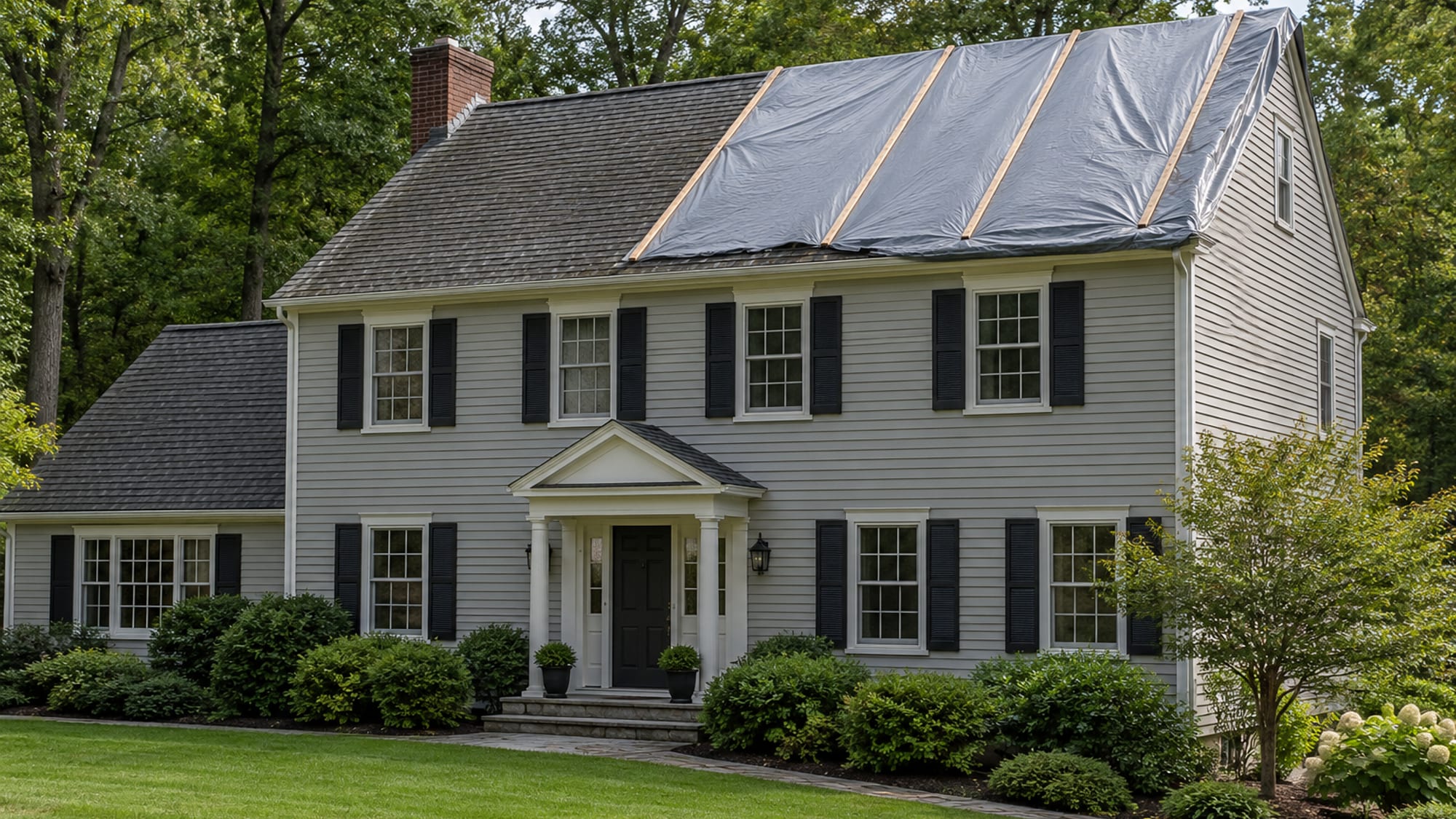
Estimates can wait a few days. A wet ceiling and an open roof cannot. If the storm left an opening, get a temporary cover over it, and keep every receipt for tarping, emergency labor and water removal. Connecticut Insurance Department guidance in its 2026 consumer notice on storm claims asks homeowners to protect the property from further damage and to let the insurer inspect before permanent work begins.
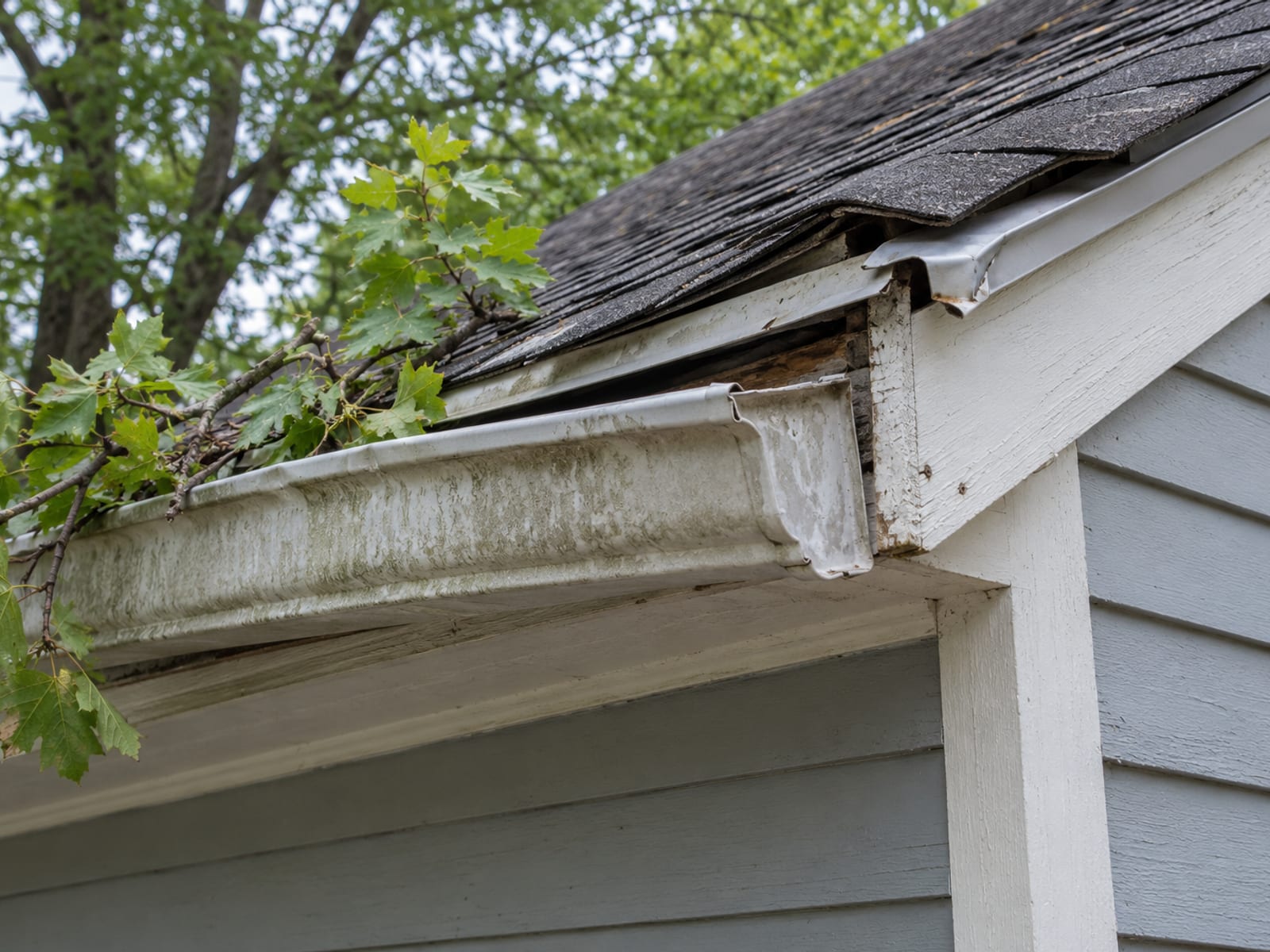
Do not authorize permanent repairs until the insurer has had a reasonable chance to look, unless waiting would cause more damage. Everything below assumes the house is safe and covered for now, and that you are ready to read paper.
Before the comparison, write down two decisions only you can make. First, does the roof need emergency protection, a localized repair or a larger replacement? Second, do the damage and the date of the storm line up? Both answers shape what a fair estimate looks like.
A Complete Estimate Starts With the Facts About Your Roof
The top of a good estimate is a record, not a sales pitch. It should identify your property, the date the roof was inspected, the cause of the damage and its location on the roof. It should include photographs and a clear list of what is being proposed, with materials, quantities, labor and exclusions.
The roof measurements are what let you compare it with anything else. Roofers usually express surface area in squares, and one square is 100 square feet of roof. A good measurement shows the roof's area and its slopes, and it separates the measured surface from waste, ridges, hips, valleys, eaves, rakes, penetrations and accessories.
That detail matters because two estimates for the same house can use different measurements without anyone being dishonest. One may count a steep section at its true surface area, and another may measure only the footprint. Ask every contractor how many squares they measured and how they got there. If the answer is vague, the price built on top of it is vague too.
Ask next how many layers of roofing are on the house now. Removing two layers is more work than removing one, and the estimate should say which it assumes. A line that says "tear-off" with no layer count leaves room for a surprise later.
Squares and Line Items Show What You Are Actually Buying
Think of the line items as the shopping list. A storm-damage scope should address each of the following where it applies to your roof, and where an item is missing, you should know whether it was left out on purpose or simply forgotten.
Lines a Complete Storm Roof Estimate Should Address
A tarp or emergency cover, listed and priced separately if it was done
Tap a factor to see how it moves the price.
You will not see every line on every job. A small repair after a fallen branch will not have a tear-off or ridge cap. The point of the list is that each omission has an explanation, and that you can ask for it. If the estimate says "roof replacement" and a single total, ask the roofer to break it into these lines in writing.
The Roofer's Proposal and the Adjuster's Scope Do Different Jobs
A roofer's proposal is a production and pricing document. It describes what the contractor proposes to install and what that will cost you. An insurer's scope is a coverage-related estimate. It identifies the repair the carrier accepts as covered and calculates material and labor costs under the carrier's own estimating practices.
Insurers and many adjusters build those scopes with estimating software. Verisk describes Xactimate as a property-claims estimating platform, and its roofing scope guide shows scopes assembled from measurements and line items such as steep charges, ice-and-water shield, felt, pipe jacks and vents. That is industry practice, not a Connecticut legal requirement, so you can ask the adjuster for the measurements and line items behind the number.
Roofer's Proposal and Insurer's Scope Compared
Roofer's Proposal: A production and pricing document
Insurer's Scope: A coverage-related repair estimate
Tap a factor to see how it moves the price.
The last row is the one that surprises people. Connecticut Insurance Department guidance on homeowner and renter insurance treats an insurer's estimate as a calculated repair cost, not an automatic claim payment. What you are paid depends on the policy, the cause of the loss, your deductible, depreciation, any exclusions and how the policy settles.
Actual Cash Value and Replacement Cost Explain Many Gaps
If the adjuster's total is lower than you expected, the valuation method in your policy is the first place to look. The NAIC explains the difference in its guide to actual cash value and replacement cost coverage. With actual cash value, depreciation is deducted. Replacement-cost coverage generally pays the cost of like-kind replacement without depreciation once the policy's conditions are met.
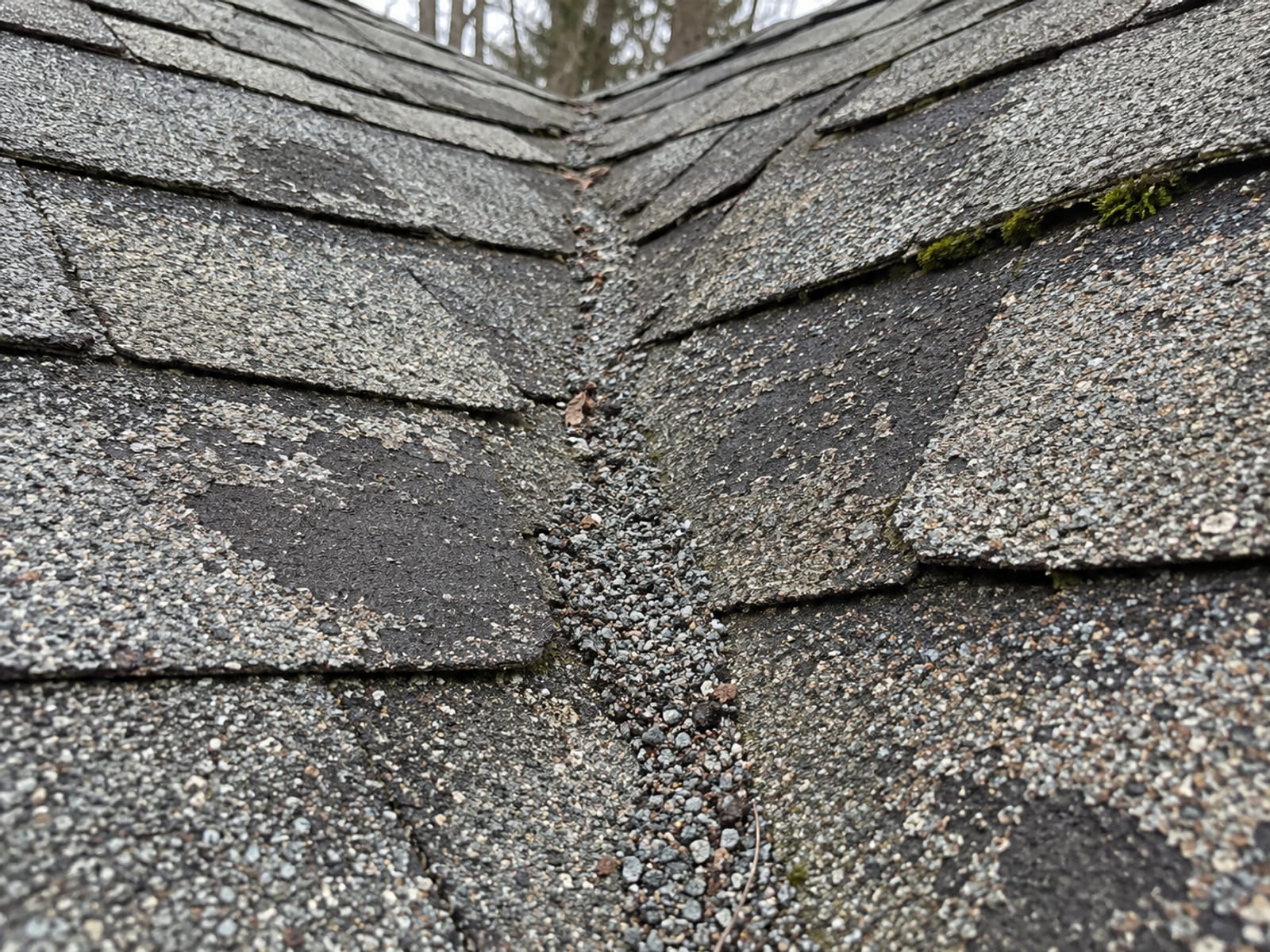
Ask the insurer for the full scope, the depreciation calculation, your deductible, its coverage position and an explanation of anything excluded. The NAIC's article on rebuilding after a storm covers the same difference and can help you frame those questions.
None of this means your claim will or will not be paid. That decision belongs to the insurer under your policy, and nobody else can promise it, including a contractor. Our post on whether homeowners insurance covers roof storm damage covers deductibles and roof age in more detail.
Compare the Two Documents One Line at a Time
When the roofer's total is higher than the adjuster's, resist reacting to the gap. Compare the documents by roof area, slope, material, quantity, activity, unit and omitted work, in that order. Differences often trace back to a handful of lines.
Start with area and slope. If one document measures more squares than the other, the measurement is where the difference begins, and someone needs to explain how each number was reached. Then check material: the same shingle line, the same underlayment, the same ice barrier. Then quantity and unit, since a ridge cap priced per linear foot cannot be set against one priced per square.
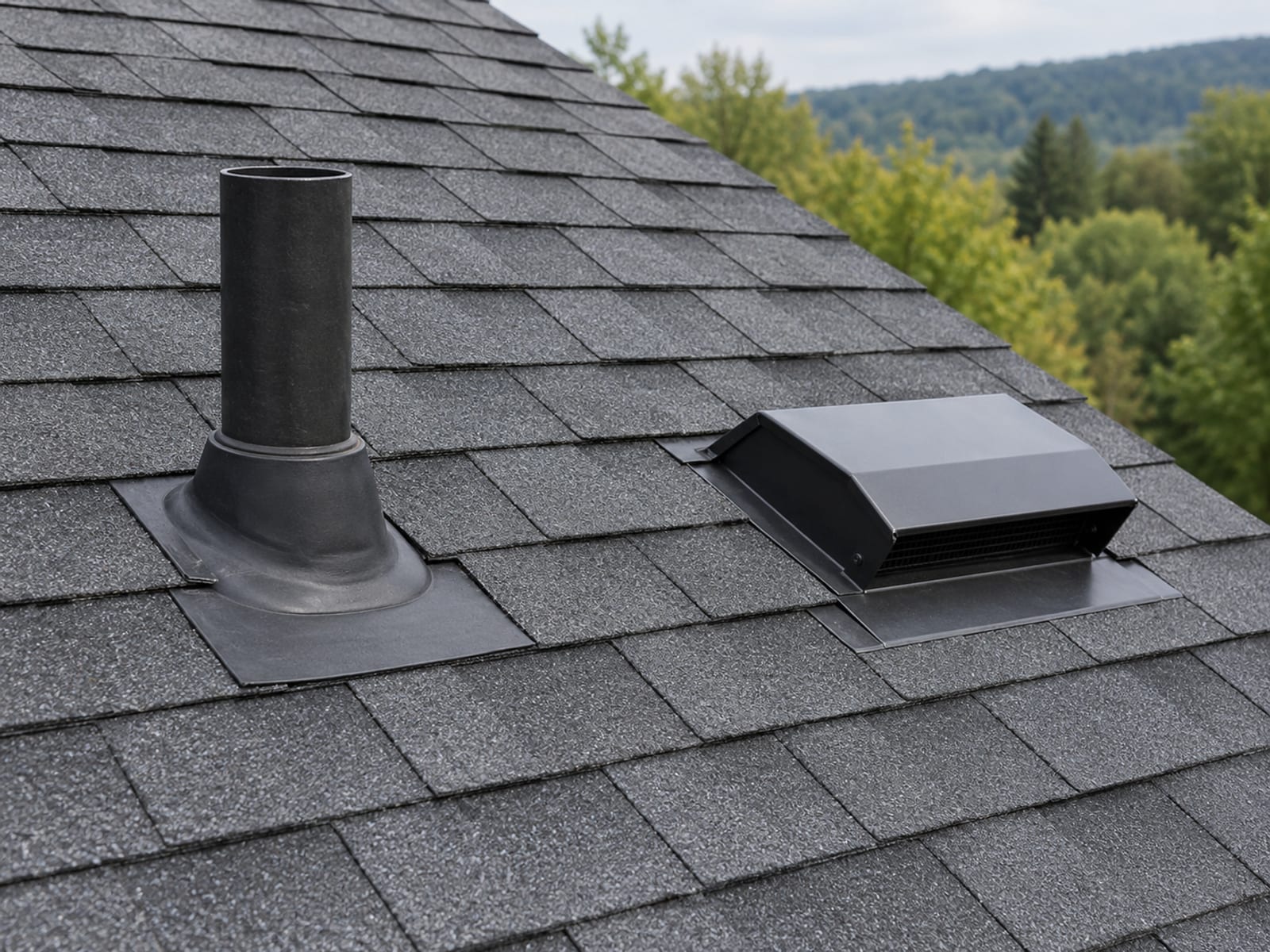
Next, look at activity, which is the work performed. Does one scope include tear-off, disposal and cleanup while the other prices only the shingles? Does one add a decking allowance? Finally, list what each document leaves out. Omitted work is often where the gap hides, such as drip edge, vent replacement, flashing, permits or code-required items.
Write the missing lines down and ask for them in writing, from both sides. Ask the roofer to explain any line the adjuster left out, and ask the insurer to identify each disputed item and whether the disagreement is about coverage, scope, quantity, pricing, depreciation or the deductible. A written answer keeps the conversation specific.
Concealed Decking Is Handled as a Supplement With Evidence
Some damage cannot be seen until the old roofing comes off. Rotted or wet decking is the usual example, and it is why neither estimate can promise a final number before tear-off. The roofer should state a decking allowance or unit price up front and explain how any extra will be documented.
When hidden damage turns up, the roofer provides a written supplement or revised estimate. It should be supported by photographs, measurements, any code requirements or manufacturer instructions that apply and a clear explanation of why the original scope was incomplete. Common supplement subjects include concealed decking, additional tear-off, flashing, ventilation, permit requirements, code upgrades, access, disposal and material differences.
You then send the carrier the detailed contractor estimate, the photographs, receipts, permit information and any written explanation. Take the photos before the new material covers the decking, because afterward there is nothing left to show.
Ask your roofer, before work starts, how supplements and change orders will be documented. Connecticut law requires a written home improvement contract with a change-order procedure, so a good contract already answers that question.
When You Still Disagree, Appraisal and the Insurance Department Come Next
Start by talking with the insurer. The Connecticut Insurance Department's page on disputing an insurer's damage estimate says homeowners can discuss the disagreement first and submit detailed estimates and any written denial documents. A supplement with photographs and measurements is the strongest thing to send.
If you and the insurer agree on what is damaged but not on the amount of the loss, your policy's appraisal clause may provide a process. It typically involves separate appraisers and a neutral umpire. Appraisal addresses the amount of loss, not whether the policy covers the damage. Each party generally pays its own appraiser, and umpire expenses are shared.
If the dispute remains unresolved, or the insurer's handling seems unfair, you can submit a written complaint to the Connecticut Insurance Department. The department's complaint process page says it reviews the complaint and forwards it to the insurer for a response when Connecticut has jurisdiction. It cannot require payment for damage outside the policy.
Read your policy for the exact steps and time limits before you start. Appraisal and other remedies depend on its language.
Price Follows the Roof, So Compare Your Own Itemized Estimates
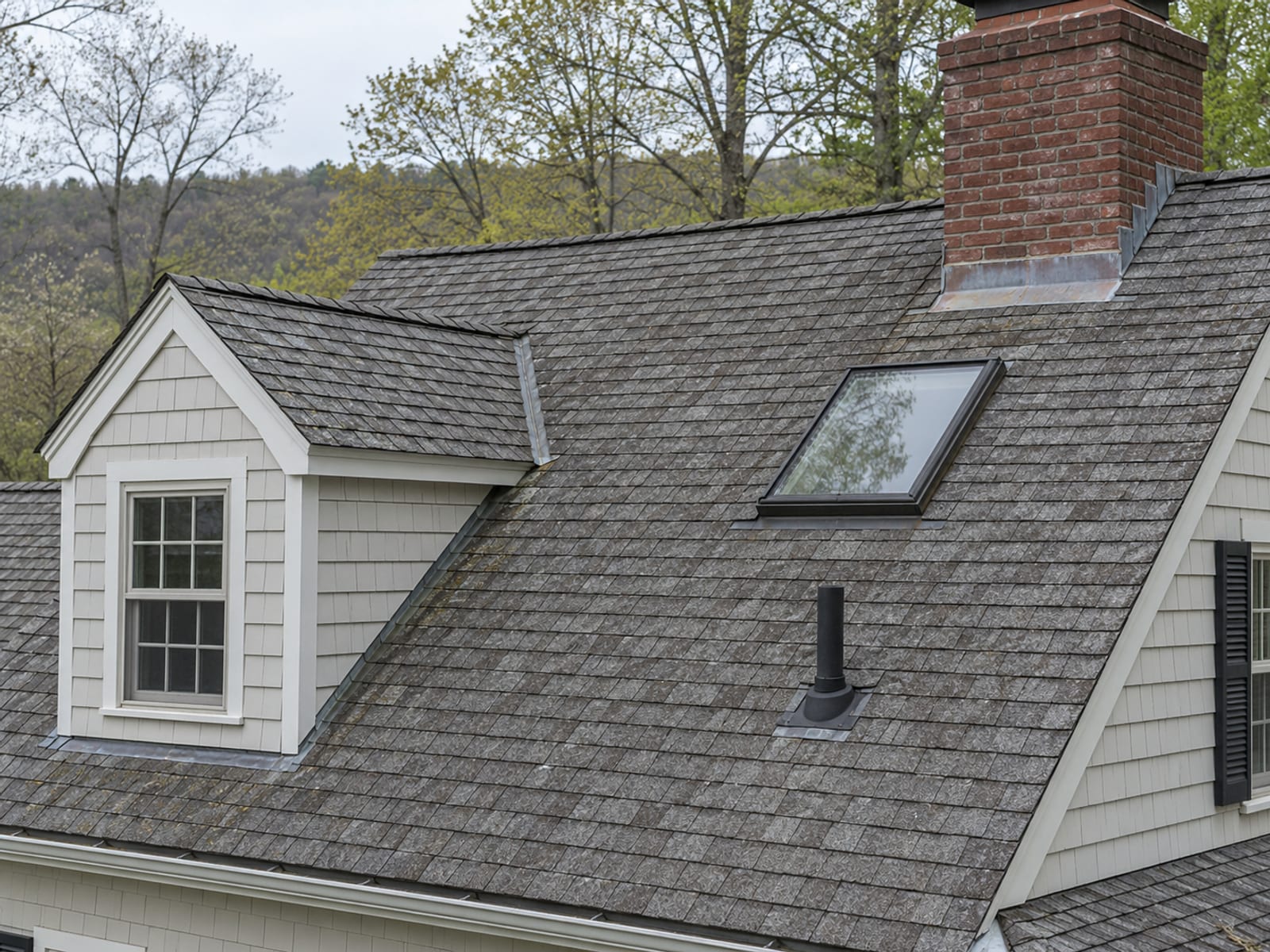
No Connecticut-wide number makes a roof estimate automatically fair or unfair. The amount depends on the roof's surface area and number of squares, its pitch, height and complexity, and how many valleys, hips, dormers, skylights, chimneys and penetrations it has. It also depends on the layers to remove, decking damage found after removal, the material you choose, the underlayment, ice barrier, flashing and ventilation, labor and access, disposal, permits, and whether gutters, siding or interior finishes are included.
For national background only, GAF's roof cost page reports a 2025 U.S. average roof replacement cost of $17,631, based on Verisk's 2025 U.S. Roof Report, and a 2023 average asphalt-shingle replacement cost of $14,959. These are national figures, not Connecticut storm-damage figures, and they do not set a standard for any single claim. They cannot tell you whether a $30,000 estimate on your house is right or wrong.
The better test is your own paperwork. Get itemized estimates for your actual roof and compare them by measured scope, material, labor, code requirements, disposal, permit, deductible and coverage. The lowest total with the fewest lines is rarely the lowest real cost. Our storm damage, roof repair and roof replacement pages describe what those jobs involve.
Connecticut Code and Weather Set Minimums Your Estimate Has to Meet
A roof estimate in Connecticut should account for the state building code. The current code is the 2022 Connecticut State Building Code, for permit applications filed on or after October 1, 2022, and it adopts the 2021 International Residential Code. The state's code page lists the adopted editions.
The code covers roof items that show up on estimates: underlayment, wind resistance, ventilation, manufacturer installation instructions and snow-load design. According to the 2022 code text, underlayment goes over the roof deck, subject to listed exceptions, and roof-deck joints get a self-adhering membrane strip at least 4 inches wide. If an estimate leaves those out, ask why.
Permits come from your town, not the state. The Department of Consumer Protection says many home improvement projects need a building permit, that it must be in place before work begins and that the homeowner is responsible for confirming it. See its building permit guidance. As one example, Brookfield's building department enforces the state code, and its permit guidance lists re-roofing among projects that commonly need one. Requirements and inspections vary by town, so call yours.
Connecticut weather is part of the picture too. Nor'easters can bring heavy rain or snow, gale-force winds and occasional coastal flooding, and NOAA tracks thunderstorms, hail and damaging winds in its Storm Events Database. You can search it by county and date to see what hit your area.
Red Flags Show Up Before the Paperwork Does
Some warning signs appear at the front door, before any estimate exists. The Connecticut Department of Consumer Protection's disaster-recovery guidance and Connecticut Insurance Department warnings point to the same list.
- Door-to-door offers: A contractor offering immediate repairs at your door deserves slow, careful questions.
- Pressure to sign today: A good price does not expire when you ask for a day to compare.
- Large cash deposits: Full payment or a big cash deposit before work begins is a warning sign.
- Signing over claim benefits: An assignment of benefits can give another party the right to deal with your insurer or receive claim money.
- Deductible waivers: The deductible is your obligation under the policy, and a contractor who offers to absorb or hide it may be proposing conduct that creates insurance and contract risks.
- Guaranteed settlements: No contractor can guarantee what an insurer will pay.
- Missing credentials: Refusal to show registration, insurance, identification or references.
Do not sign an assignment of benefits or similar transfer until you understand exactly what rights it moves, and consider asking your insurer or a qualified attorney to explain it. The same applies to any paper that calls itself an agreement, an authorization or a work order.
Verify the Registration and Read the Contract Before You Sign
Connecticut home improvement contractors must hold active registration with the Department of Consumer Protection. Check it on the state's eLicense system through the department's home improvement licensing page, and confirm that it is active and matches the business name on your contract. Registration is not an endorsement of quality, so it is a starting point, not a verdict.
Ask for proof of general liability and workers' compensation insurance, references from comparable roof or storm-repair projects, manufacturer and installation details, warranty terms and who provides each warranty. Then read the contract. The DCP's guide to home improvement contracts says it must identify the contractor and registration number, materials, cleanup and permit responsibility, payment schedule, start and completion dates and your cancellation rights.
On payment, the department's guidance on contracting with a home improvement contractor says an upfront payment may be reasonable for materials but generally should not exceed one-third of the project, and that homeowners should not pay in cash. Tie the rest to progress, with final payment after completion and required approvals.
Questions worth asking out loud:
- Measurements: How many squares did you measure, and how many layers will you remove?
- Decking: What happens if decking is damaged, and what is the unit price or allowance?
- Code items: Which flashing, underlayment, ice barrier and ventilation items are included?
- Permit: Who pulls it, and what inspection follows?
- Exclusions: What is not in this price?
- Deductible: Who pays it? The answer should always be you.
Manufacturer certification can open access to certain product warranties, but it does not replace Connecticut registration, insurance verification or a close reading of the written contract.
Keeping the Claim and the Finished Roof on Track
After you sign, the paperwork continues. Keep the claim number, the roofer's estimate, the insurer's scope, photographs, receipts, permit information and every supplement in one place. When something changes, such as damaged decking or a code item, get it in writing before the work moves on.
When the insurer and the roofer disagree about scope, you do not have to referee alone. Ask the contractor to coordinate with the insurer without promising coverage or taking control of the claim, and keep control of any insurance payment yourself.
Frequently Asked Questions About Storm Damage Roof Estimates in Connecticut
What is considered storm damage to a roof?
Typical storm damage includes wind-lifted, torn or missing shingles, hail impact, punctures from branches or debris, damaged flashing and water intrusion through a storm-created opening. The insurer still decides whether the damage is covered under the policy. Age, deterioration and ordinary wear are generally treated differently from sudden storm damage.
Is $30,000 too much for a roof?
No Connecticut-wide standard makes an estimate automatically reasonable or unreasonable. The amount depends on roof area, slope, complexity, material, layers, tear-off, decking, flashing, ventilation, disposal, permits and code work. The national averages published by GAF cannot decide it for a Connecticut house. Compare itemized estimates for your actual roof.
Will insurance cover a 10-year-old roof?
Age alone does not answer the coverage question. The policy, cause of loss, roof condition, exclusions, deductible and valuation method control. Actual cash value coverage considers age and wear when calculating payment, while replacement-cost coverage generally pays like-kind replacement cost without depreciation, subject to policy conditions.
Should I have my homeowners insurance cover roof repairs from a storm?
If a covered storm caused the damage, reporting the loss can be appropriate. Document the condition, prevent additional damage, keep receipts and let the insurer inspect. A problem caused only by age or wear may not qualify as a covered loss, so ask your agent before you decide.
Is a new roof tax deductible?
For a personal residence, a new roof is generally treated as a capital improvement that raises the home's basis, not an immediately deductible expense. IRS Publication 530 lists replacing an entire roof as an improvement and says improvement costs generally cannot be deducted. Rules differ for rental or business property and for qualifying casualty losses, so ask a tax professional.
At what age is a roof considered old?
No single Connecticut or insurance-rule age applies to every roof. Material, installation quality, maintenance, weather exposure, visible deterioration and policy language all count. Age can affect depreciation and whether repair or replacement makes sense, but it does not prove or rule out storm damage.
Storm Damage Roof Estimate Knowledge Check
1. What does a roofer's proposal mainly describe?
2. How many square feet are in one roofing square?
3. What is the best way to compare a roofer's estimate with an adjuster's scope?
4. What does the policy's appraisal clause address?
5. Which is a red flag after a storm?
Final Thoughts
An estimate tells you what a roof job includes, and an insurer's scope tells you what the carrier calculates as the covered repair. Neither one is a final payment. Lay them side by side, compare them by roof area, slope, material, quantity, activity, unit and omitted work, and ask in writing for each missing line.
Send a supplement with photographs and measurements when hidden decking or code items turn up, and use the appraisal clause or the Connecticut Insurance Department if you still disagree. Verify the HIC registration on eLicense, and walk away from deductible waivers, benefit transfers and pressure to sign today.
If you are holding an estimate and want a second set of eyes, American Quality Roofing and Siding can help from our base in Brookfield, serving Central and Western Connecticut. We offer free estimates, roof repair and replacement, and 24/7 emergency roof services, and we will give you a written scope you can lay beside your adjuster's. Request a free estimate or call us, and bring both documents.
Written by Jose Zaruma, American Quality Roofing and Siding.
← Back to the blog