Roofing Guide
General Contractor Brookfield CT: What They Do and How to Hire
By Jose ZarumaPublished
- general contractor
- brookfield ct
- connecticut
- remodeling
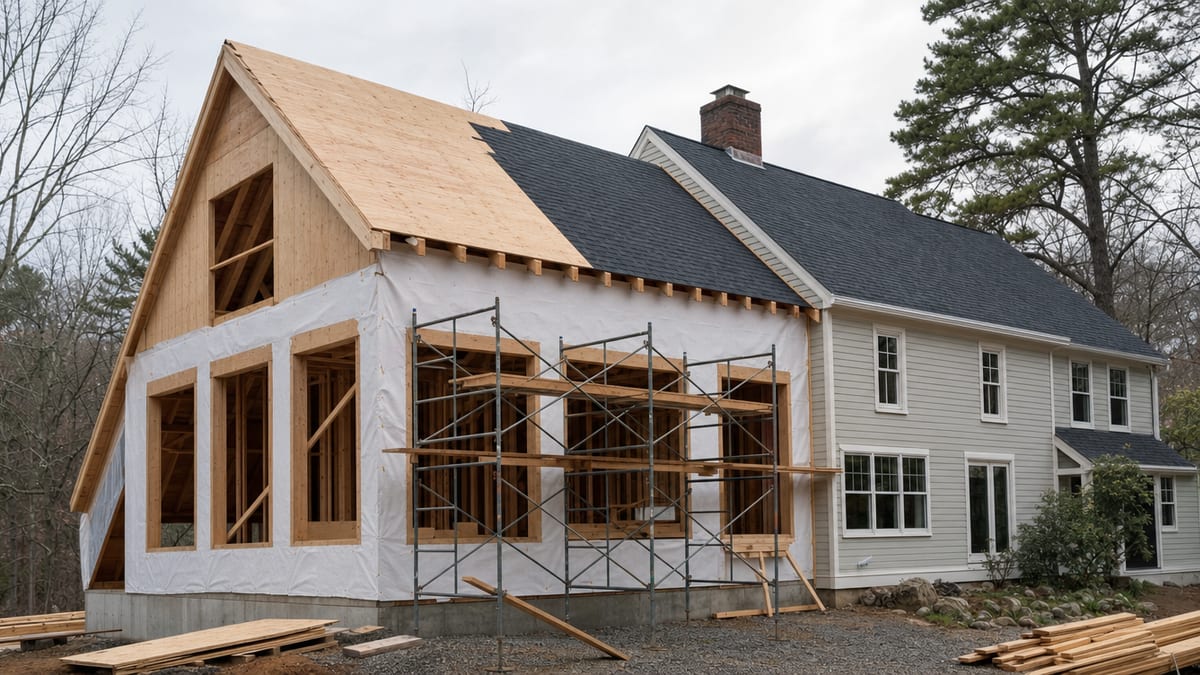
You are in the middle of a project that has outgrown a single trade. Maybe a storm took off part of the roof and revealed rotted decking, a siding job turned up damaged sheathing, or what started as a bathroom update is now touching framing, electrical, and permits. You are not really asking what materials to pick anymore. You are asking who is supposed to be running all of this, and whether the person you hire will keep it organized or leave you holding pieces from three different subcontractors. A general contractor in Brookfield CT is the one who owns that coordination: the scope, the schedule, the permits, and the trades. Hiring the right one is the difference between a project that moves in a logical order and one that stalls because nobody was truly in charge. This article explains what a general contractor actually does, when you need one, what to verify before you sign anything, and how permits and pricing really work, so you can hire with your eyes open.
Key Takeaways
A general contractor coordinates the whole project
One accountable party owns the scope, schedule, permits, subcontractors, and quality, so you are not managing separate trades yourself.
Verify Connecticut registration before anything else
A legitimate contractor holds a state Home Improvement Contractor registration and carries insurance, and both are quick to confirm.
Permits depend on the scope, and they protect you
Work that touches structure, systems, or size usually needs a permit and inspections, which a good contractor manages as part of the job.
Get the proposal, contract, and change orders in writing
A detailed written scope, payment terms, and a change-order process are what make a project comparable up front and fair when something shifts.
What Does a General Contractor Actually Do?
The simplest way to understand a general contractor is that they replace you as the person coordinating a multi-part project. On a single-trade job, you can hire one crew and be done. Once a project involves several trades, permits, and a sequence that has to happen in the right order, someone has to run it, and that is the general contractor's real product: project control. The role usually covers a handful of responsibilities.
- Planning and estimating: Turning what you want into a defined scope, a budget, and a realistic plan.
- Permit coordination: Pulling the required permits and scheduling the inspections that go with them.
- Trade supervision: Hiring and directing the subcontractors, and making sure each one's work is ready for the next.
- Scheduling and communication: Sequencing the trades so the job moves, and keeping you informed as it does.
- Quality control and closeout: Checking the work against the scope and handling the final details so the project actually finishes.
When one party owns all of that, the trades show up in the right order, the permits are handled, and there is a single person answerable for the result. When no one owns it, the homeowner ends up coordinating trades who each blame the other.
When Do Brookfield Homeowners Need a General Contractor?
Not every project needs a general contractor. A straightforward roof or a single room of paint does not. The need appears when a job crosses trades, touches structure, or has to be sequenced carefully, which happens more often on older and storm-exposed Brookfield homes than people expect. These are the common situations.
- Multi-trade remodeling: A kitchen, bath, or whole-home project that involves carpentry, plumbing, electrical, and finishes.
- Roofing with structural repairs: When a roof replacement uncovers rotted decking or framing that has to be rebuilt.
- Siding with water damage: When siding installation reveals damaged sheathing or hidden rot behind the old cladding.
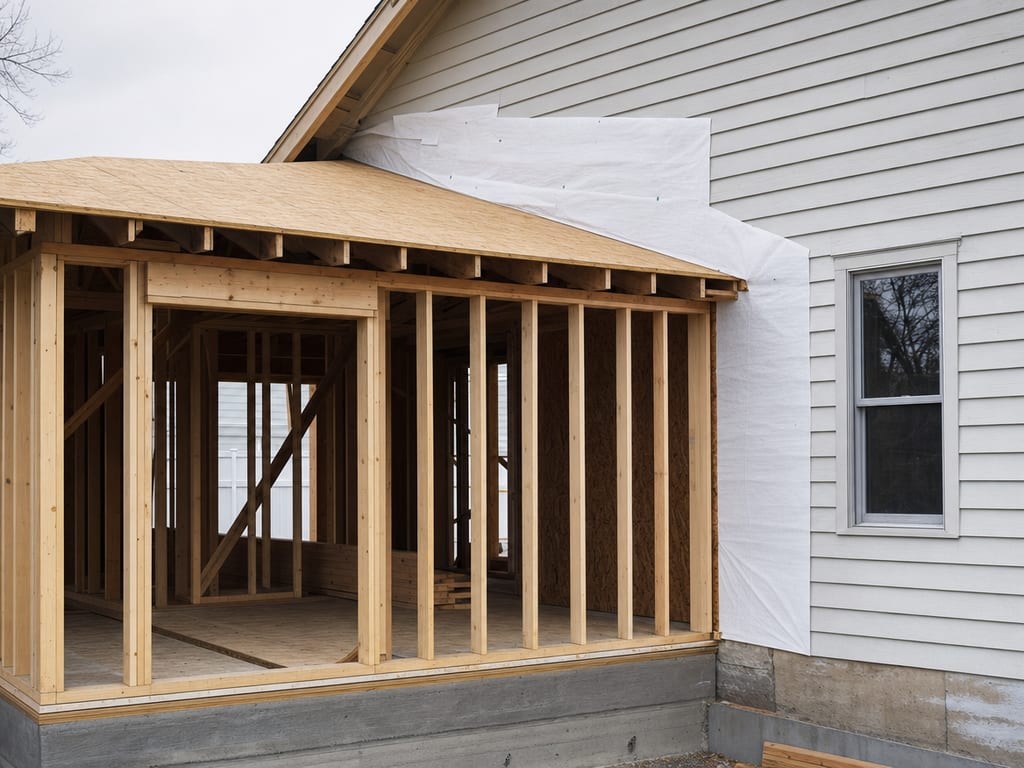
- Additions and dormers: New space that requires design, framing, roofing, and tie-ins to the existing house.
- Storm restoration: When storm damage affects the roof, siding, and interior at once and the repairs have to be coordinated.
The thread running through all of these is sequence. Water problems have to be corrected before finishes, structure before siding, and permits before certain work can even start. A general contractor exists to keep that order straight.
What Should You Verify Before Hiring?
This is the step that protects you, and it takes only a few minutes. Before you sign anything, confirm that the contractor is registered, insured, and willing to put the job in writing. In Connecticut, a legitimate home improvement contractor holds a state Home Improvement Contractor registration, and you can verify a contractor's Connecticut registration directly with the state. Here is what to confirm.
- Connecticut HIC registration: The registration that a home improvement contractor is required to hold; ours is CT HIC #0633301.
- Specialty trade licenses: Certain trades, like electrical and plumbing, require their own state licenses beyond the HIC registration.
- Insurance: Proof of liability and, where applicable, workers' compensation coverage.
- A written contract: Connecticut sets specific requirements for what a home improvement contract must include, so a contractor who resists putting the job in writing is a warning sign.
A contractor who provides these without hesitation is showing you how they operate. One who gets vague about registration, insurance, or a written contract is telling you something too.
How Do Permits and Inspections Work in Brookfield?
Permits are not red tape for their own sake; they are how the town confirms that structural and system work is done to code, which protects you and the value of your home. Whether a permit is required depends on the scope. Simple cosmetic work usually does not need one, while work that touches structure, systems, or the size of the home generally does. Brookfield's Building Department is the authority on what a given project needs, along with the inspections that follow.
A good general contractor handles this for you: they know what the project requires, pull the permits, and schedule the inspections at the right points in the job. If a contractor suggests skipping a permit on work that clearly needs one, treat it as a serious warning. Unpermitted structural work can create problems with inspections, insurance, and the eventual sale of the home.
How Should Pricing, Proposals, and Change Orders Work?
General contractor pricing is where homeowners get the most anxious, and for good reason: it is hard to compare quotes that describe the work differently. There is no honest universal price for a multi-trade project, because so much depends on scope, materials, structural surprises, and finish level. What makes pricing fair is not a single number but a detailed proposal you can actually read and compare.
What a General Contractor Proposal Should Spell Out
Names exactly what is included so two bids can be compared on the same work.
Tap a factor to see how it moves the price.
The two details that protect you most are the payment schedule and the change-order process. Payments should follow progress, not front-load the contractor's risk onto you, and any change to the scope should be priced and approved in writing before the work happens. That is how a fair project stays fair when something unexpected turns up behind a wall.
What Are the Signs of a Contractor to Avoid?
Most bad experiences share the same early warning signs, and spotting them before you sign saves the real pain later. None of these is subtle once you know to look for them.
- No verifiable registration or insurance: A contractor who cannot or will not prove they are registered and insured.
- Reluctance to put it in writing: Vague verbal scopes and no real contract.
- Pressure for a large cash deposit up front: Payment that is not tied to progress.
- Suggesting you skip permits: A shortcut that leaves the risk with you.
- A bid far below the others: Often a sign of missing scope that reappears as change orders later.
- No clear point of contact: If you cannot tell who is actually running the job, no one is.
How Do You Choose a General Contractor You Can Trust?
The right general contractor in Brookfield CT is comfortable being verified and specific. Ask who supervises the job day to day, how they handle permits and inspections, how change orders are priced, and how they sequence the trades. Ask to see the registration, the insurance, and a written proposal that spells out the scope. A contractor who welcomes those questions is confident in how they work. One who deflects them is answering the question in a different way.
It also helps to hire a contractor whose core trades match your project. A team that self-performs roofing, siding, gutters, and the carpentry behind them can coordinate a storm restoration or an exterior project without handing the most important work to strangers. Licensed and insured, with a real Connecticut registration and a written contract, is the baseline. A crew that actually does the work your project centers on is the difference.
Frequently Asked Questions About General Contractors in Brookfield, CT
What does a general contractor actually do?
A general contractor coordinates a whole project: defining the scope, estimating, pulling permits, hiring and supervising the trades, scheduling the work in the right order, and handling quality control and closeout. They are the single accountable party so you are not managing separate crews yourself.
What should I verify before hiring a general contractor in Connecticut?
Confirm a valid Connecticut Home Improvement Contractor registration, any specialty trade licenses the work requires, current insurance, and a willingness to provide a detailed written contract. All of these are quick to check, and reluctance on any of them is a warning sign.
Do I need a permit for my project in Brookfield?
It depends on the scope. Cosmetic work often does not, while work that touches structure, systems, or the size of the home usually does and comes with inspections. Brookfield's building office confirms what a project needs, and a good contractor manages the permits and inspections.
How should I compare general contractor bids?
Compare detailed written proposals, not just totals. Look for a defined scope, specified materials, the trades involved, permits, a milestone payment schedule, a written change-order process, a timeline, and warranty. A bid far below the others often has scope missing that returns as change orders.
How do change orders work?
A change order documents any addition or change to the agreed scope, with its price, before that work is done. It protects both sides: you are not surprised by a bill, and the contractor is paid for real added work. Everything should be approved in writing.
When is a general contractor worth it versus hiring trades directly?
When a project crosses several trades, touches structure, or must be carefully sequenced, a general contractor keeps the order straight and owns the result. For a simple single-trade job, you may not need one, but for remodels, additions, and storm restoration, the coordination is the value.
Quick General Contractor Knowledge Check
1. What is a general contractor's core job on a project?
2. What should you verify first before hiring in Connecticut?
3. What is the safest way to structure payments?
4. How should a change to the project scope be handled?
5. What is a common warning sign of a contractor to avoid?
Final Thoughts
A general contractor's real job is coordination, and on a project that crosses trades, that coordination is worth paying for. The right one owns the scope, the schedule, the permits, and the trades, so the work happens in the correct order and one person is accountable for the result. The way to protect yourself is simple and quick: verify the Connecticut registration and insurance, insist on a detailed written contract, confirm that permits are handled, and make sure payments follow progress with change orders in writing.
Done well, hiring the right general contractor turns a stressful, multi-part project into an organized one, and it keeps a surprise behind a wall from becoming a stalled job and a blown budget. The best contractor for your project is the one who welcomes verification and does the core work themselves.
If your project has grown beyond a single trade, or a roof or siding job has uncovered damage that needs several trades coordinated, we can help. American Quality Roofing and Siding has served Brookfield, CT and the surrounding Central and Western Connecticut area since 2006, and we self-perform roofing, siding, gutters, and the carpentry and exterior work that tie a project together. We are licensed and insured, hold an A+ BBB rating, and carry CT HIC #0633301. Call us for a free, no-pressure estimate, and we will lay out a clear, written plan before any work begins.
Serving Brookfield, CT
This guide is part of our exterior work in Brookfield. See our roofing contractor services in Brookfield, CT.
Written by Jose Zaruma, American Quality Roofing and Siding.
← Back to the blog