Roofing Guide
Skylights and Sun Tunnels Brookfield CT: Which Is Right for You?
By Jose ZarumaPublished
- skylights
- brookfield ct
- connecticut
- roofing
You are standing in a dark hallway, a windowless bathroom, or a dim stairwell, wishing you could bring in some daylight without knocking a hole in a wall. You have seen the words skylight and sun tunnel online and you are not sure which one fits your room, your roof, or your budget. And somewhere in the back of your mind is the story everyone has heard: the skylight that eventually leaked. Skylights and sun tunnels in Brookfield CT are two different ways to solve the same problem, natural light where a window cannot reach, and choosing between them starts with the room and the roof, not the product. Just as important, either one is only as good as the opening, flashing, and insulation around it, because a daylight feature is really a planned hole in your roof. This article compares the two, walks through the real options, explains why the installation matters more than the unit, and covers what drives the cost, so you can decide with confidence instead of worrying about the next storm.
Key Takeaways
Skylights and sun tunnels solve different problems
A skylight opens up a view and floods a room with light and sometimes ventilation, while a sun tunnel channels daylight into a small or awkward space where a full skylight will not fit.
The install decides whether it leaks, not the brand
A daylight feature is an opening in the roof, so the flashing, the shaft, and the sealing are what keep it watertight, which is why it belongs to the roof system.
A roof replacement is the smart time to add or replace one
Cutting in or swapping a skylight while the roof is open lets the flashing become part of the new roof, which is the most leak-resistant way to do it.
Which One Brings the Light You Actually Want?
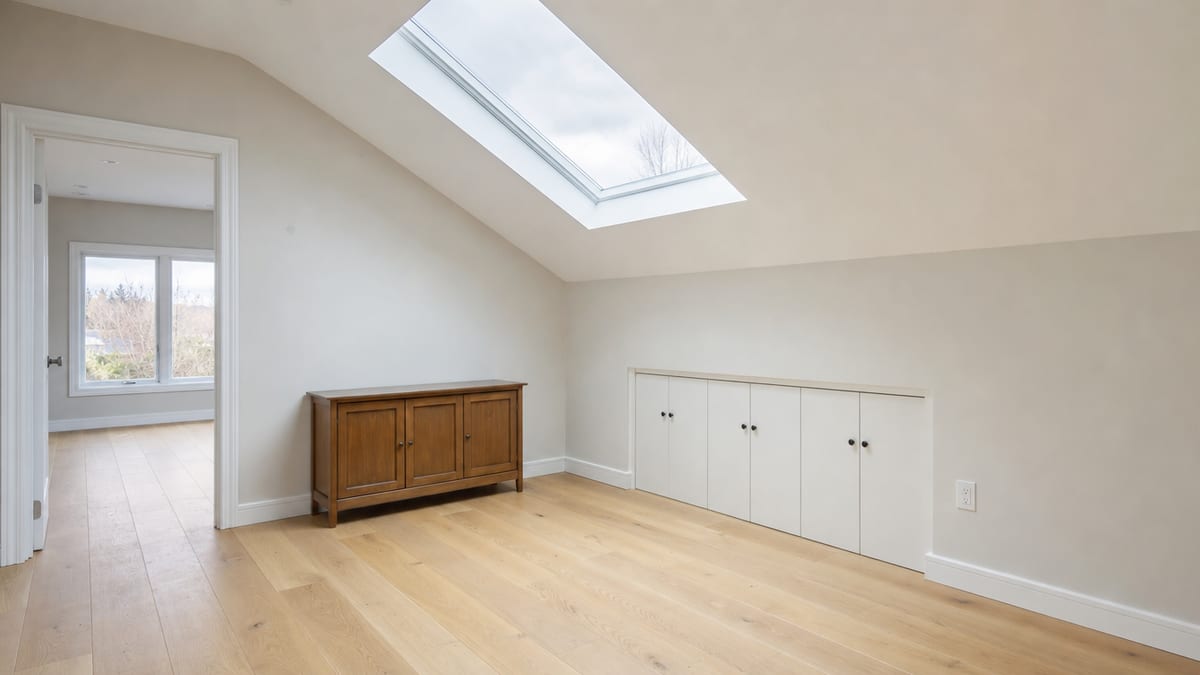
The first decision is not fixed versus venting or rigid versus flexible. It is skylight or sun tunnel, and the room usually answers it. A skylight is a window in the roof. It brings in a lot of light, can offer a view of the sky, and in a venting model can release heat and moisture. It suits rooms where you want a bright, open feeling and there is a clear path from the roof to the ceiling. A manufacturer comparison of sun tunnels versus skylights frames the choice the same way: it comes down to how much light you want and what the space allows.
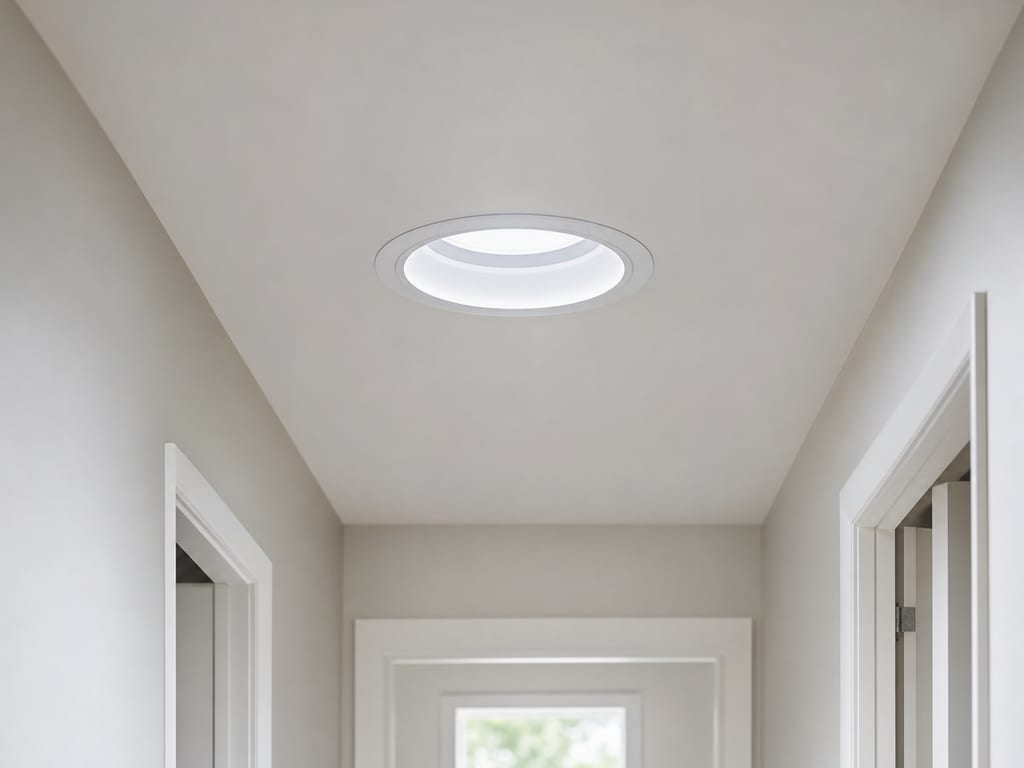
A sun tunnel, sometimes called a tubular skylight, is a smaller solution for a different problem. It captures daylight at the roof and channels it down a reflective tube to a ceiling diffuser, lighting a space that a full skylight cannot reach or does not justify. Hallways, closets, bathrooms, and stairwells are classic sun tunnel spots. It brings in daylight without the size, cost, or structural work of a skylight. The table below lays the two side by side.
Skylight or Sun Tunnel: A Side-by-Side Look
Skylight: A large amount, plus a view of the sky
Sun Tunnel: A focused amount of daylight, no view
Tap a factor to see how it moves the price.
Skylight Options That Fit Different Rooms
If a skylight is the right answer, the next choice is the type, and each fits a different need. The point is to match the unit to how you use the room and what the roof and attic allow, so the light works for the space rather than against it. Here are the main options.
Fixed skylights
A fixed skylight does not open. It is the simplest and most weather-tight option because there are no moving parts, and it is ideal when you want light and maybe a view but do not need ventilation. Fixed units work well in living spaces and stairwells.
Venting skylights
A venting skylight opens to release heat and moisture, which makes it a strong choice for kitchens and bathrooms where humidity builds up. The trade-off is the moving parts and seals, which is one more reason correct installation matters. In the right room, the ventilation is worth it.
Roof windows
A roof window is a larger unit designed to pivot or open more fully, often used where the roof is accessible or the space calls for a window-sized opening. It brings in the most light and air of the three, and it needs the framing and flashing to match.
Sun Tunnels for Tight or Dark Spaces
When the room is small, the ceiling is disconnected from the roof by an attic, or a full skylight is more than the space needs, a sun tunnel is often the better answer. It threads daylight down a reflective tube from the roof to a ceiling diffuser, and the components determine how well it performs. The version that fits depends on the path between your roof and your ceiling.
Rigid tubes
A rigid tube uses highly reflective solid sections and delivers the brightest, most efficient light. It works best on a relatively straight run from the roof to the ceiling, which makes it a strong choice when the attic path is clear.
Flexible tubes
A flexible tube bends around obstacles like framing, ducts, or wiring in the attic. It is more adaptable when the path is not straight, with a modest trade-off in brightness compared to a rigid run.
Diffusers
The diffuser is the disc you see on the ceiling, and it spreads the incoming daylight evenly into the room. Different diffusers change how soft or bright the light feels, which lets a sun tunnel match the space it lights.
Why the Install Matters More Than the Unit
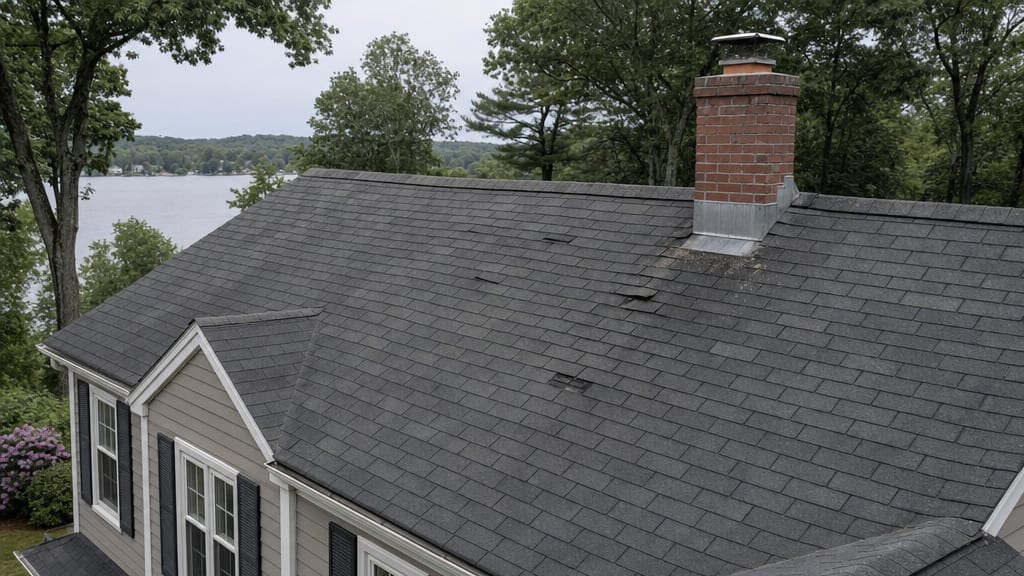
Here is the part that decides whether you love your new daylight or dread the next storm: the installation. A skylight or sun tunnel is an opening cut into your roof, and the unit itself is only a small part of keeping water out. What actually protects your home is the flashing kit installed correctly and integrated into the shingles, a properly built and insulated shaft where one is needed, and careful sealing at every transition. Done right, the flashing becomes part of the roof, and water sheds around the opening the way it sheds around everything else.
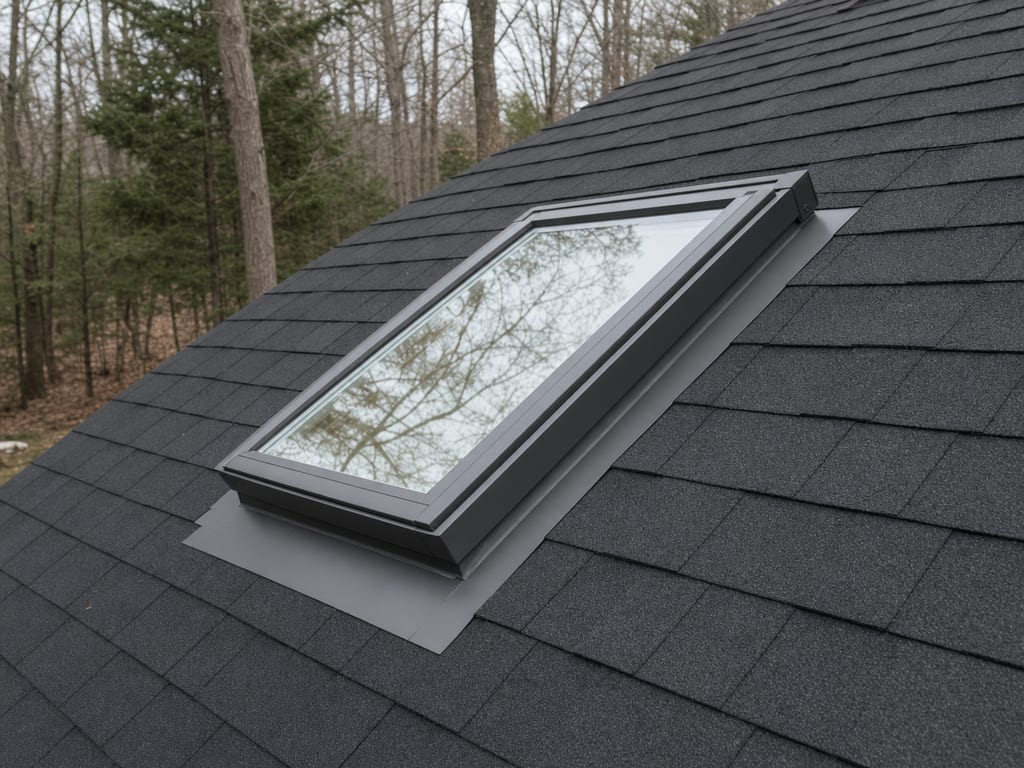
Done poorly, the opening becomes exactly the leak everyone worries about. This is why a daylight feature belongs to the roof system, not to a handyman with a saw. It is also why the most leak-resistant time to add or replace a skylight is during a roof replacement, when the flashing can be woven into a brand new roof rather than patched into an old one. If a skylight is already leaking, that is usually a flashing failure to correct with proper roof repair, not a reason to give up on the skylight.
Condensation Is Not Always a Leak
One of the most common skylight worries is water on the glass, and it is worth understanding because it is often misread. Not every drop of water around a skylight is a leak. In a cold Connecticut winter, warm, humid indoor air can condense on the cooler glass of a skylight, especially in a kitchen or bathroom, and that condensation can look exactly like a leak. The fix for condensation is managing moisture and ventilation, which is very different from repairing flashing.
A real leak, on the other hand, follows rain and points to the flashing or the seal. Telling the two apart is part of a proper diagnosis, and it matters because the solutions are opposite. Energy-efficient units, good insulation around the shaft, and adequate ventilation all reduce condensation. Choosing an ENERGY STAR rated skylight helps with both comfort and the winter condensation that gets mistaken for a leak.
What Drives Skylight and Sun Tunnel Cost
There is no honest flat price for adding daylight, because the cost depends on which feature you choose and what the installation involves. A sun tunnel in a simple attic run is a modest project; a large venting skylight that needs framing and interior finishing is a much bigger one. The factors that move the number include:
- Skylight versus sun tunnel: A sun tunnel is generally less involved and less costly than a full skylight.
- Structural work: Whether the opening needs framing and a built shaft, or fits between existing rafters.
- Interior finishing: Drywall, paint, and trim to finish a skylight shaft add labor a sun tunnel usually does not.
- Unit type and features: Fixed, venting, glass, and energy options all change the price.
- Roof and flashing work: The flashing kit and integration, especially if done outside a roof replacement.
- Permits: Where the scope requires town review, that adds steps.
Because so much depends on the structure and finishing, the fair way to price this work is an inspection of the roof and the space, followed by a written scope. That is more reliable than any number quoted before someone sees the room and the roof.
Permits and When You Need One
Adding or replacing a skylight can involve the roof structure, so it may require a permit, and the answer depends on the scope. Cutting a new opening and framing for it is different from swapping an existing unit for a like-sized one. Brookfield's Building Department is the authority on what your specific project needs, and a good contractor confirms and handles that before starting. Skipping a required permit on structural roof work is a shortcut worth avoiding.
How to Choose an Installer Who Treats It as a System
The right installer for skylights and sun tunnels in Brookfield CT talks about flashing, the shaft, and the roof before they talk about the glass. Ask how they will integrate the flashing into the roof, how they will build and insulate the shaft, and how they tell condensation from a leak. An installer who answers those clearly is treating the project as part of the roof system. One who treats it as a hole with a lid on it is the one whose skylights end up in the leak stories.
Credentials are easy to verify. Look for a licensed and insured contractor; in Connecticut that includes a Home Improvement Contractor registration, and ours is CT HIC #0633301. Because a skylight or sun tunnel is fundamentally roof work, the safest hands are a roofing crew that installs the flashing as part of the roof, especially when the work is paired with a new roof.
Frequently Asked Questions About Skylights and Sun Tunnels in Brookfield, CT
What is the difference between a skylight and a sun tunnel?
A skylight is a window in the roof that brings in a large amount of light and sometimes ventilation and a view. A sun tunnel is a smaller tube that channels daylight from the roof down to a ceiling diffuser, lighting a hallway, closet, or small bath where a full skylight will not fit.
Do skylights always leak?
No. Leaks come from failed or poorly installed flashing, not from skylights as a category. When the flashing is integrated into the roof correctly, a skylight sheds water like the rest of the roof. Many perceived leaks are actually winter condensation, which is a different issue.
When is the best time to install or replace a skylight?
During a roof replacement, when possible. With the roof open, the flashing can be woven into the new roofing, which is the most leak-resistant approach. Replacing an aging skylight at the same time as the roof also avoids cutting into a fresh roof later.
Is water on my skylight a leak or condensation?
It can be either. A leak follows rain and points to the flashing or seal. Condensation forms when warm, humid indoor air meets the cooler glass, common in winter kitchens and baths. They call for opposite fixes, so a proper diagnosis matters.
Do I need a permit for a skylight in Brookfield?
It depends on the scope. Cutting a new opening and framing for it is more likely to require review than a like-for-like replacement. Brookfield's building office confirms what your project needs, and a good contractor handles the permit and any inspections.
What affects the cost of a skylight or sun tunnel?
Which feature you choose, whether the opening needs framing and a shaft, the interior finishing, the unit type and features, the flashing and roof work, and any permits. Because these vary widely, an honest price follows a look at the roof and the room.
Quick Skylight and Sun Tunnel Knowledge Check
1. When is a sun tunnel usually the better choice over a skylight?
2. What most determines whether a skylight leaks?
3. When is the most leak-resistant time to add or replace a skylight?
4. Water on the inside of a skylight in winter is often what?
5. Why should a skylight installer be treated like a roofer?
Final Thoughts
Skylights and sun tunnels are two answers to the same wish for more daylight, and the right one depends on your room, your roof, and how much light you want. A skylight opens a space up with light, a view, and sometimes ventilation, while a sun tunnel brings daylight into the tight spots a skylight cannot reach. Whichever you choose, the unit is the small part. The flashing, the shaft, and the sealing are what keep it watertight, which is why this is roof work first and a daylight feature second.
Done right, natural daylight changes how a room feels every hour of the day, and a properly flashed opening does it without a single worry when it rains. The way to get there is to treat the project as part of the roof system and to time it with your roof whenever you can.
If you want more daylight in a dim room, or an aging skylight is leaking or fogging, we can help you choose and install the right solution. American Quality Roofing and Siding has served Brookfield, CT and the surrounding Central and Western Connecticut area since 2006, and we install and replace skylights and sun tunnels as part of our roofing work, so the flashing is done right. We are licensed and insured, CertainTeed ShingleMaster PRO certified, and hold an A+ BBB rating and CT HIC #0633301. Call us for a free, no-pressure estimate, and we will match the daylight solution to your room and your roof.
Serving Brookfield, CT
This guide is part of our exterior work in Brookfield. See our roofing contractor services in Brookfield, CT.
Written by Jose Zaruma, American Quality Roofing and Siding.
← Back to the blog