Roofing Guide
Roof Repair Brookfield CT: Common Fixes, Cost, and When to Call
By Jose ZarumaPublished
- roof repair
- brookfield ct
- connecticut
- roofing
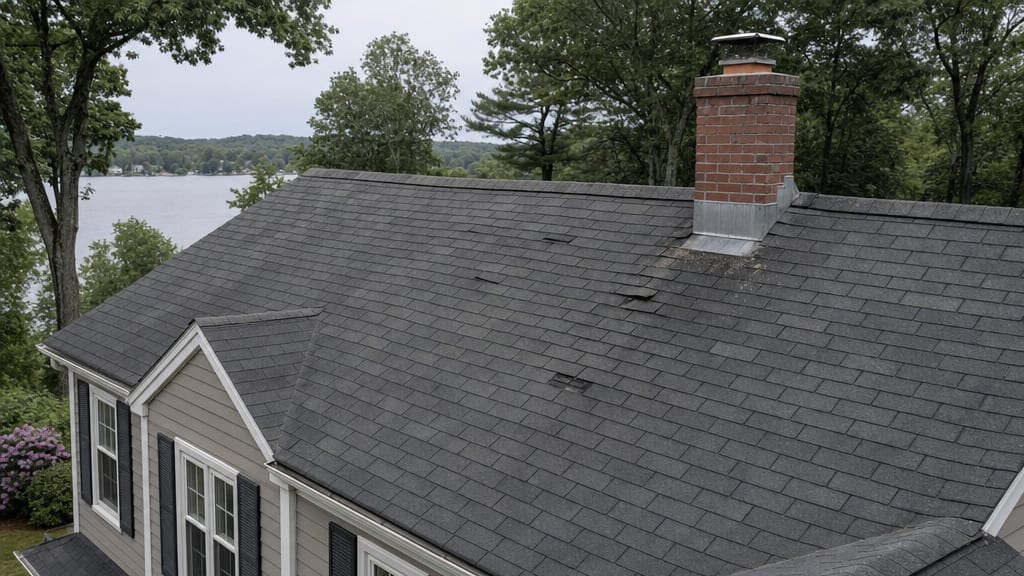
A brown ring on the ceiling, a shingle lying in the yard after a windy night, or a slow drip you only notice when it rains hard. Whatever brought you here, the real question is usually not about roofing at all. It is whether this is a quick fix or the start of something expensive, and whether the next person who climbs onto your roof will tell you the truth. Roof repair in Brookfield, CT can mean anything from replacing one lifted shingle to rebuilding the flashing around a chimney, and the right answer depends entirely on what is actually causing the problem. The hard part is that the damage you can see is often nowhere near the leak itself. This article walks through how a good roofer finds the source, what the common repairs really involve, what moves the price, and how to tell when a repair is enough versus when it is time to think bigger. By the end, you should know what to ask before you let anyone start work.
Key Takeaways
The leak is rarely where the stain is
Water travels along decking, rafters, insulation, and framing before it shows inside, so finding the true entry point is the whole job.
Most leaks trace back to flashing, not shingles
Chimneys, walls, valleys, skylights, and pipe boots fail more often than the field of the roof itself.
A localized problem is usually repairable
If the surrounding roof still has service life and the deck is sound, a targeted repair makes sense.
Repeated leaks are a warning sign
Recurring problems, brittle shingles, or widespread deck damage often mean a repair is only buying a little time.
A phone price is a red flag
Real cost depends on access, pitch, and what a roofer finds once they are on the roof, so an honest number comes after an inspection.
Why a Small Roof Problem Turns Expensive
A roof does one job, and it does it quietly until it stops. That is exactly why a minor issue can grow costly before you notice. A single wind-lifted shingle lets water reach the underlayment. From there it can soak the wood deck, run down a rafter, and show up as a stain in a room on the other side of the house. By the time the drywall is wet, the repair may involve more than the roof.
Brookfield's weather speeds this up. Winter brings snow load, ice, and the freeze-thaw cycle that lifts shingles and loosens fasteners. Wooded, sloped lots near Candlewood Lake hold shade and debris, so north-facing roof planes stay damp and wear faster. Summer storms add wind, hail, and falling branches. Catching a problem early, while it is still one repair and not five, is the difference between a modest bill and a major one.
How a Roofer Finds the Real Source of a Leak
Roof leak repair in Brookfield CT starts with diagnosis, not with a caulk gun. Water is patient and it follows gravity along whatever path it finds, so the ceiling stain may sit several feet from the actual opening. A careful roofer works backward from the symptom to the source, checking the parts of the roof that fail most often before assuming the field of shingles is to blame. Even shingle manufacturers point out that finding a roof leak means tracing where water travels, not just where it appears. Here is what that inspection actually looks at.
Following the water path
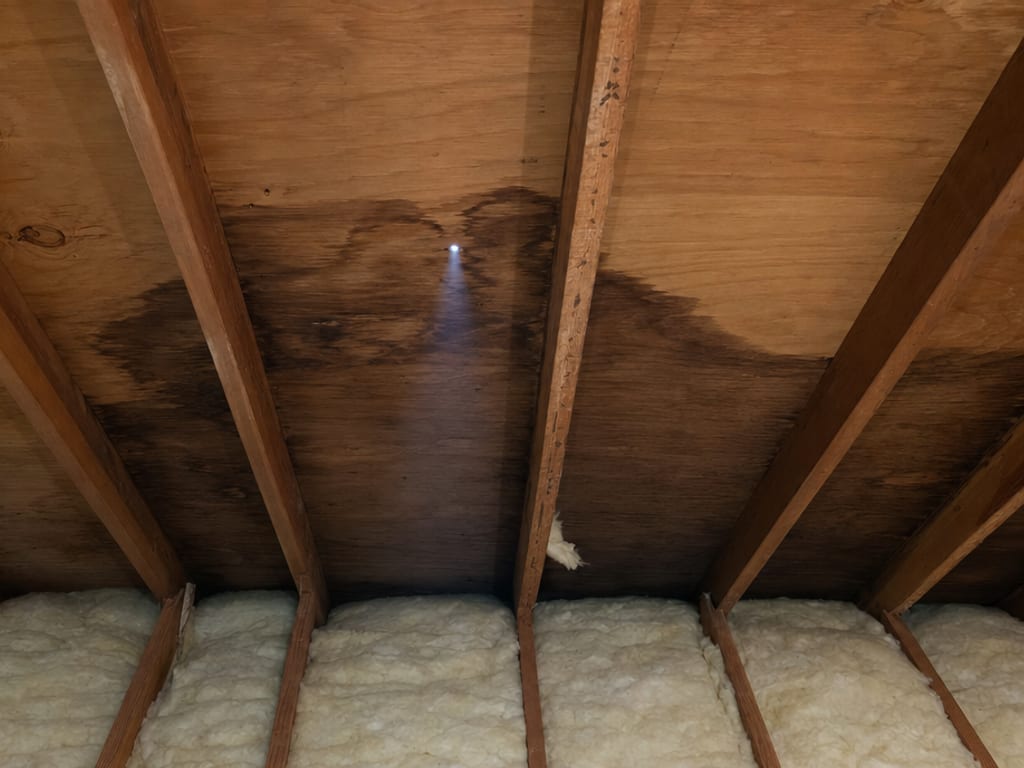
Inside a wall or ceiling, water can ride along framing, decking, insulation, masonry, and even wiring before it drips. So the first step is to connect the interior evidence to a likely exterior cause. A roofer will ask when the leak shows up, what the wind was doing, and whether it happens in driving rain or during snowmelt. Those clues narrow the search to a section of roof before anyone gets on a ladder.
Checking the attic first
The attic tells the truth that the finished ceiling hides. Daylight through the deck, wet insulation, water stains on the underside of the sheathing, or frost in winter all point to where moisture is getting in. Attic conditions also reveal a common imposter: condensation from poor ventilation, which mimics a leak but calls for a different fix entirely.
Inspecting flashing and penetrations
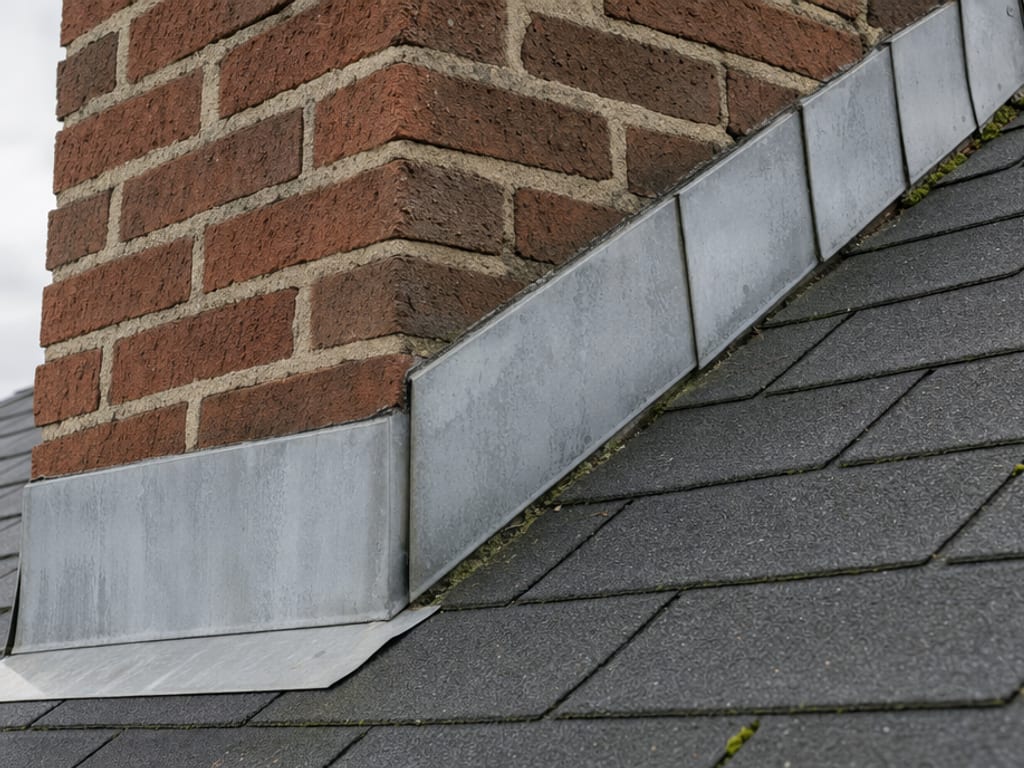
Most leaks are not shingle failures at all. They start where the roof is interrupted, at chimneys, walls, valleys, skylights, and plumbing vents. Step flashing, counterflashing, and pipe boots all age and pull away over time. A roofer checks each of these penetrations closely, because sealing the wrong spot while the real gap stays open is how a leak comes back a month later.
The Repairs a Brookfield Roof Usually Needs
Once the source is found, the actual fix can be surprisingly varied. Two homes with the same ceiling stain can need completely different work, which is why a real diagnosis matters before any quote. Shingle repair in Brookfield Connecticut is only one item on a long list that includes flashing, ridge caps, vents, and small deck sections. The repairs below cover the ones we see most often on local roofs.
Missing, lifted, and creased shingles
Wind is the usual culprit here. A shingle can tear off completely, lift and reseal poorly, or crease along a fold that will crack later. The fix is straightforward when a compatible replacement is available and the surrounding shingles are still flexible. On an older roof, matching color and finding shingles that still bond well can be the real challenge.
Chimney and wall flashing
Flashing is the metal that keeps water out where the roof meets something vertical. Around a chimney, step flashing and counterflashing work together, and either can rust, loosen, or pull free of old mortar. Reusing damaged flashing or smearing sealant over it is a shortcut that fails. Proper repair means replacing the metal and integrating it back into the roof and masonry.
Pipe boots and roof vents
The rubber boot around a plumbing vent is one of the shortest-lived parts of a roof. It dries out, cracks, and lets water run straight down the pipe into the ceiling below. Vents and their housings age the same way. These are common, affordable repairs, but only if the boot is the true source and not just the easiest thing to blame.
Valleys, skylights, and ridge caps
Valleys carry a heavy volume of water where two roof planes meet, so worn valley material leaks readily. Skylights depend on their own flashing kit and curb, and a leak there is often the flashing rather than the glass. Ridge caps sit at the peak and take direct wind exposure, so cracked or lifted caps are a frequent find. Each of these repairs restores a specific weak point rather than the whole roof.
What to Do After Storm Damage in Brookfield
Storm damage roof repair in Brookfield follows a different order than a routine leak. Brookfield storms can bring wind, hail, downed branches, missing shingles, and damaged skylights or gutters all at once, and safety comes before any assessment. A responsible roofer starts by making sure the structure is safe to approach, then documents the damage in writing and with photos before touching anything. That documentation matters if you plan to file an insurance claim.
From there, temporary protection often comes first. Tarping a torn section or adding temporary flashing stops further water intrusion while a permanent repair is scheduled. It is important to understand that a tarp is weather protection, not a finished repair. Access can also be delayed by conditions outside anyone's control, such as high wind, lightning, ice, structural concerns, downed trees, or utility hazards. When storm damage is widespread, the visit may lead to a conversation about whether repair or a larger project is the smarter path, and severe wind events tie directly into storm damage claims work.
When a Roof Problem Cannot Wait
Some situations do not allow for scheduling. An active leak during a storm, a branch through the deck, or a large section of roof torn open all count as emergencies because the interior is taking on water right now. In those moments the priority is to stop the damage from spreading, not to complete a perfect repair overnight. This is where 24/7 emergency roof services matter, because fast triage and stabilization can save a ceiling, insulation, and belongings.
An honest emergency response is realistic about what happens after hours. Crews can inspect safely, tarp, add temporary flashing, and secure loose materials, then return to complete the permanent fix in daylight and safe conditions. What good emergency service does not mean is a guaranteed full roof rebuild at midnight. Knowing that difference helps you set the right expectation when you call.
Repair or Replace: How to Tell the Difference
This is the decision most homeowners are really asking about, and it deserves a straight answer rather than a sales pitch. A repair usually makes sense when the damage is localized and the rest of the roof still has useful service life. If one valley leaks or a single boot failed on a roof that is otherwise sound, there is no reason to replace everything. Industry guidance on choosing between a repair and a full replacement points to the same short list of factors.
Replacement moves to the front of the line when the signs point to broader failure. Brittle shingles that crack when handled, leaks in several different areas, repairs that keep coming back, extensive deck damage, multiple existing layers, or a color and product that can no longer be matched all tip the scale. Widespread storm damage across several roof sections does too. If you find yourself paying for the third repair in two years, the money may be better spent on a full roof replacement. A good roofer will lay out both paths honestly and let you decide with the facts in front of you.
What Drives the Cost of a Roof Repair
There is no honest flat price for a roof repair, and anyone who quotes one over the phone is guessing. Roof repair cost in Brookfield depends on what the problem is, how hard it is to reach, and what a roofer finds once the work begins. The table below breaks down the factors that move the number up or down, so you can understand a written estimate instead of just reacting to the total.
What Moves the Price of a Roof Repair
A hard-to-reach or steep roof takes more time and safety setup before any repair starts.
Tap a factor to see how it moves the price.
Because so much depends on what is hidden until the shingles come up, the fair way to price a repair is a real inspection followed by a written scope. That protects you from both the lowball that balloons later and the padded quote for work you do not need.
Permits and When You Actually Need One
Not every roof repair in Brookfield requires a permit, but some do, and the line depends on the scope of the work. A minor covering repair, like swapping a few shingles or replacing a pipe boot, is usually different from structural deck repair, framing work, skylight replacement, or a full roof replacement. Because the rules turn on specifics, the smart move is to confirm the exact requirement before work begins rather than assume.
The town makes this easy to check. Brookfield's Building Department is the authority on which projects need a permit and inspection, and a reputable local roofer will handle that step as part of the job. If a contractor waves off permits on work that clearly needs one, treat it as a warning about how they operate.
How to Choose a Roofer You Can Trust
The right roofing repair contractor in Brookfield CT is the one who explains the diagnosis before quoting the fix. Ask how they plan to find the source of the leak, not just what they will charge to stop it. A contractor who wants to caulk the visible stain and leave is treating the symptom. One who inspects the attic, checks the flashing and penetrations, and shows you photos of what they found is doing the actual work.
Credentials matter too, and they are easy to verify. Look for a licensed and insured contractor; in Connecticut that includes a Home Improvement Contractor registration, and ours is CT HIC #0633301. CertainTeed ShingleMaster certification signals training in correct installation. A strong local reputation, like our A+ Better Business Bureau rating, adds another layer of confidence. Put together, these tell you the crew on your roof knows the difference between a lasting repair and a quick cover-up.
Common Pitfalls to Avoid
A few mistakes turn up again and again, and most of them come from treating the symptom instead of the source. Knowing them helps you spot corner-cutting before you sign anything.
- Patching the stain, not the source: Sealing where water appears inside while the real opening stays open on the roof.
- Sealant over failed flashing: Caulk is not a substitute for metal that needs to be replaced and reintegrated.
- Repairing brittle shingles again and again: On a roof that is past its life, repeat repairs rarely hold.
- Ignoring attic condensation: A ventilation problem misread as a leak leads to the wrong repair.
- Roofing over wet decking: Sealing in moisture invites rot and mold under the new work.
- Treating a tarp as permanent: Temporary protection buys time; it does not end the repair.
- Assuming insurance will cover it: Coverage depends on cause and policy, so confirm before you count on it.
Frequently Asked Questions About Roof Repair in Brookfield, CT
Can one missing shingle really be repaired on its own?
Often yes. If the surrounding shingles are still flexible and a compatible replacement is available, a single missing or lifted shingle is a routine fix. On an older roof, matching the shingle and getting a good bond is the harder part.
Why is my ceiling stain nowhere near where the roof is damaged?
Because water follows the path of least resistance. It can travel along decking, rafters, insulation, framing, or masonry before it drips, so the stain often sits well away from the actual entry point. That is why tracing the source matters more than patching the spot.
When is a full replacement the better choice than a repair?
When the signs point to broad failure rather than a single weak spot. Brittle shingles, leaks in multiple areas, repairs that keep returning, extensive deck damage, or a roof that can no longer be matched all favor replacement over another patch.
What affects how much a roof repair costs?
Access and pitch, the size and type of the repair, material and matching, any hidden deck damage, flashing complexity, emergency timing, and permit needs. Because several of these are unknown until the roof is opened, an honest price follows an inspection.
Is a tarp a real repair?
No. Tarping is temporary weather protection that stops further water from getting in until a permanent repair can be done safely. It is an important first step after storm damage, not the finished job.
Do I need a permit to repair my roof in Brookfield?
It depends on the scope. Minor covering repairs often differ from structural, skylight, or larger replacement work. The safest path is to confirm with Brookfield's building office, and a good contractor will manage that for you.
Quick Roof Repair Knowledge Check
1. If a ceiling stain appears in one room, where is the roof leak most likely located?
2. Which part of a roof causes leaks most often?
3. What is the right role of a tarp after storm damage?
4. Which situation most points toward replacement instead of repair?
5. Why should you be cautious about a roof repair price quoted over the phone?
Final Thoughts
A roof repair is only as good as the diagnosis behind it. The stain on your ceiling is a symptom, and the real work is finding where water is getting in, whether that is a lifted shingle, failed flashing, a cracked boot, or a worn valley. Once the source is clear, the fix is usually straightforward, and you can make a sound decision about whether a targeted repair or a larger project makes more sense for your home.
Handled early and correctly, a repair protects the rest of the roof, the deck beneath it, and the rooms below from far more expensive damage down the road. The goal is not just to stop today's drip. It is to keep a small problem from becoming a big one, and to know that the work will hold through the next Connecticut winter.
If you are looking at a leak, missing shingles, or storm damage in Brookfield, we can help. American Quality Roofing and Siding has served Brookfield, CT and the surrounding Central and Western Connecticut area since 2006, and we handle everything from a single shingle to full roof replacement, along with siding, gutters, skylights, and 24/7 emergency roof services. We are licensed and insured, CertainTeed ShingleMaster PRO certified, and hold an A+ BBB rating and CT HIC #0633301. Call us for a free, no-pressure estimate, and we will find the real source of the problem before we ever quote a fix.
Serving Brookfield, CT
This guide is part of our exterior work in Brookfield. See our roofing contractor services in Brookfield, CT.
Written by Jose Zaruma, American Quality Roofing and Siding.
← Back to the blog