Roofing Guide
How to Pay for New Siding in Connecticut
By Jose ZarumaPublished
- siding
- siding installation
- financing
- connecticut
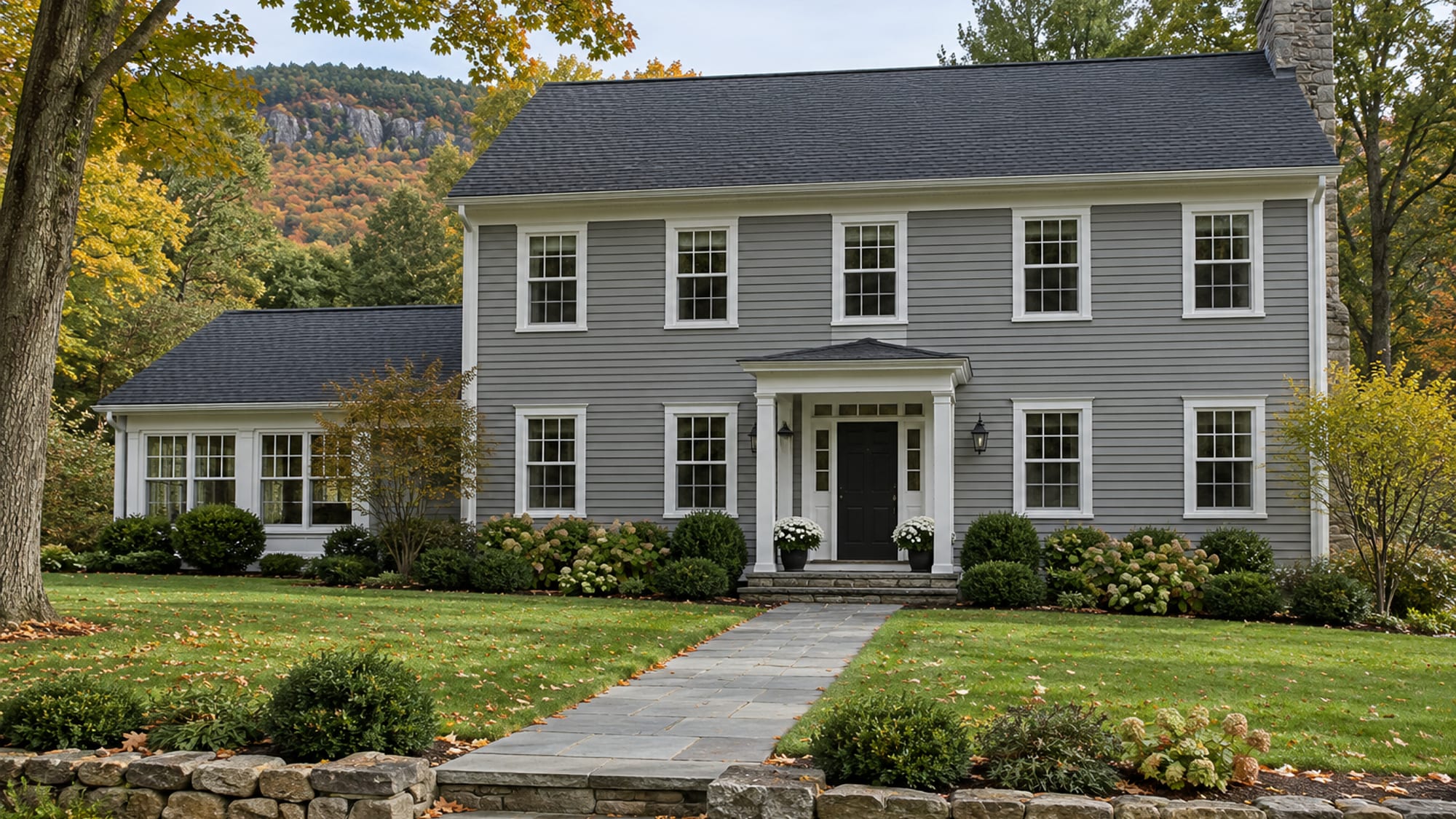
Most Connecticut homeowners pay for new siding in one of five ways: savings, a home equity loan or line of credit, a cash-out refinance, a personal or home improvement loan, or financing arranged through the contractor. Each one costs a different amount over time, and each puts something different at risk. The right pick depends on what you can repay and whether you are comfortable using your house as security.
The monthly payment is the number that gets the attention, but it is the wrong one to choose by. A long, low payment can cost far more by the end than a shorter one, and fees can sit out of sight until the paperwork arrives. Two questions settle most of the decision: how much will you repay in total, and is the house on the line if a payment is missed?
Connecticut's median owner-occupied home value is $366,900 for 2020 to 2024, according to the Census Bureau's QuickFacts, so borrowing against the house is an option many homeowners consider. That makes it worth knowing exactly what the option puts at stake before a quote lands on the kitchen table.
Key Takeaways
Five common ways to pay
savings, a home equity loan or line, a cash-out refinance, a personal or home improvement loan, and contractor financing.
Collateral is the dividing line
home equity loans, lines of credit and cash-out refinances use the house as security; an unsecured loan relies on your credit instead.
Compare total repaid
the amount borrowed, fees, whether the rate or payment can change, and any charge for paying early matter more than the monthly figure.
Contractor financing is its own contract
American Quality Roofing and Siding offers financing and explains the options at the free estimate; read any finance agreement separately and compare it with outside offers.
Connecticut protects the deal on paper
a written contract with the HIC number, a deposit generally no higher than one-third of the price, and a three-business-day right to cancel.
Know Your Payment Options Before You Sign
A siding job is usually a single large bill, so it helps to line up the choices before the contractor visits. You do not need to decide on the spot, and a good estimate leaves you time to compare. Gather your mortgage balance, any home equity you might borrow against, your current debts and what you have saved, because those facts decide which options are even open to you.
Then set two limits in writing: a top price for the project, and a monthly payment your household can carry without strain. With those numbers in hand, every offer you see can be measured against something other than a salesperson's enthusiasm.
See How Savings, Home Equity and Loans Differ
Here is how the usual options line up, based on how the Consumer Financial Protection Bureau (CFPB) describes them.
Ways Connecticut Homeowners Pay for Siding
How It Works: You pay without borrowing.
Main Trade-Offs: No interest or borrowing fees, but you give up savings that may be needed for emergencies or other repairs.
Tap a factor to see how it moves the price.
Savings is the simplest path. You skip interest and fees, which is a real advantage. The cost is flexibility: money spent on siding is not there when the water heater fails next winter. Many homeowners keep an emergency cushion untouched and borrow for the rest.
Home equity borrowing comes in two forms. The CFPB explains that a home equity loan is a lump sum while a HELOC works more like a credit line you can draw on repeatedly. Either way, the house is the security. If you cannot keep up the payments, the lender can pursue the house itself.
A personal or home improvement loan turns the risk around. The lender is looking at your credit and income. The CFPB describes personal lines of credit as unsecured and a cash-out refinance as replacing your existing mortgage with a larger one, which is a different kind of commitment. Because nothing secures the loan, fees and payment terms can differ from a home equity product, so compare the full offer instead of assuming it is cheaper or more expensive.
Compare Offers by Total Cost, Not Monthly Payment
The Federal Trade Commission advises borrowers to collect several quotes and compare rates, fees and the annual percentage rate, rather than leaning on the monthly payment alone, in its guidance on shopping for a mortgage. The same habits apply to any loan you take for siding. Put each offer through the same short list.
For a line of credit, also ask how long the draw period lasts and what the payment becomes once repayment starts. That shift catches people who planned around the early, smaller payments.
Write each offer's answers side by side on one page. Within a few minutes the cheapest and the riskiest choices usually stand out, and you can rank them by total cost and by what happens if money gets tight.
Get an Itemized Estimate Before You Borrow
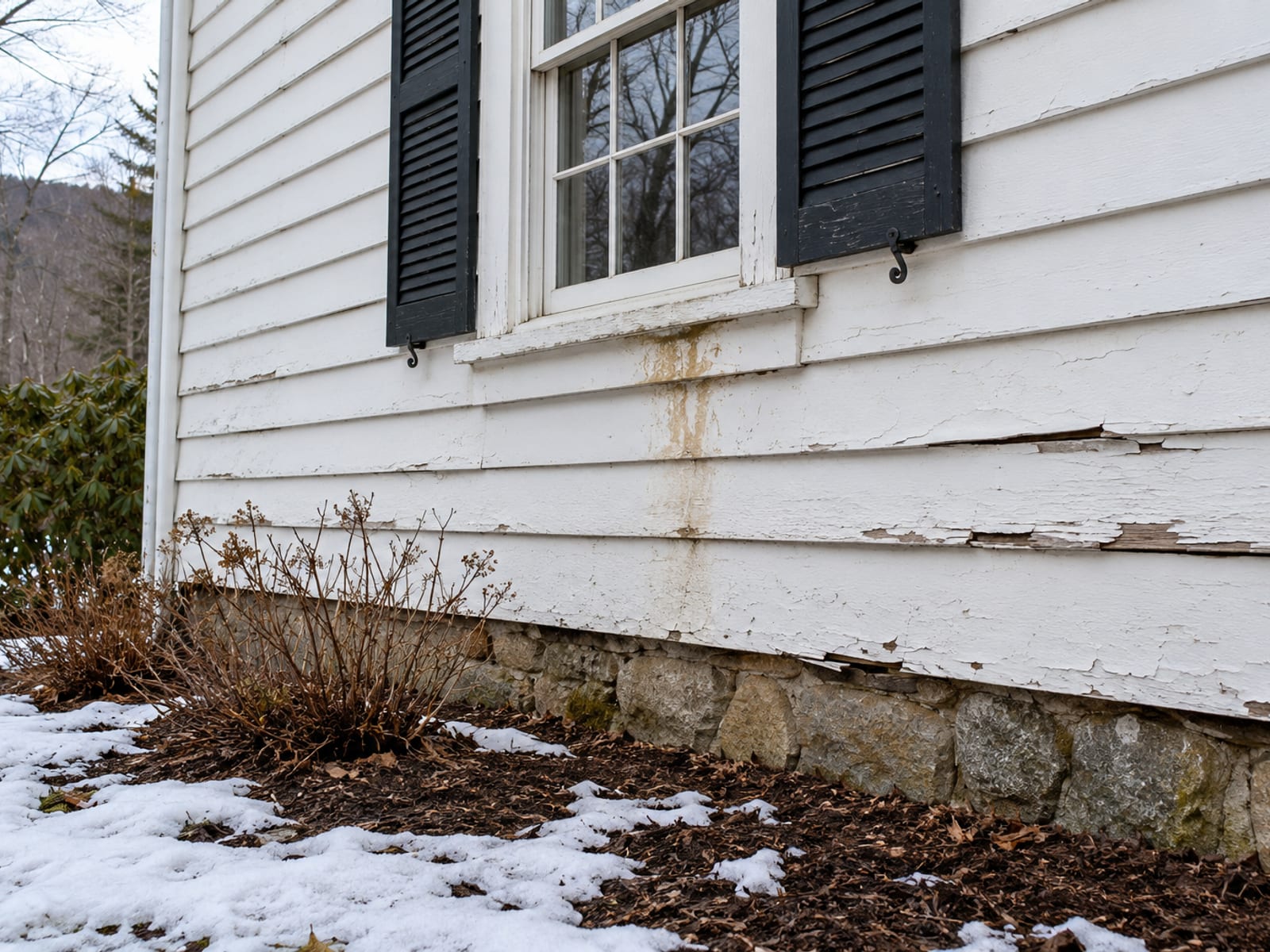
Borrowing the wrong amount is an easy mistake to make when the estimate is vague. Ask for a written estimate that separates the pieces: the siding material and product line, removal and disposal of the old siding, trim and corners, flashing, repairs to the wall underneath, permits, cleanup and the payment stages. With those lines in view, you can see what you are actually financing.
A 2,000-square-foot house has no single siding price. The cost follows the exterior wall area rather than the floor area, the number of stories, the material, the windows and doors, access and whatever is found once the old siding comes off. Rot behind the boards is the usual surprise. If it turns up, the contract should say how it will be priced, and a wood rot repair line in the estimate is a good sign that someone has planned for it.
Get more than one estimate and make sure the scope matches before you compare totals. A lower number that leaves out removal or flashing is not really lower. For what the work itself involves, from materials to the installation steps, the siding installation page covers the process. For price ranges and how contractors measure a house, see our guide to vinyl siding cost in Connecticut.
Borrow for the project as written, with a modest allowance for repairs found along the way, instead of rounding up to a tidy figure. Every extra dollar borrowed carries interest.
Plan for Connecticut Permits, Weather and Older Homes
Connecticut siding work happens under the state building code. The current code is the 2022 Connecticut State Building Code, which applies to permit applications filed on or after October 1, 2022 and adopts the 2021 International Residential Code, according to the state building inspector's code page. Permits and inspections are handled by your town's building department, so the exact steps can differ from one town to the next.
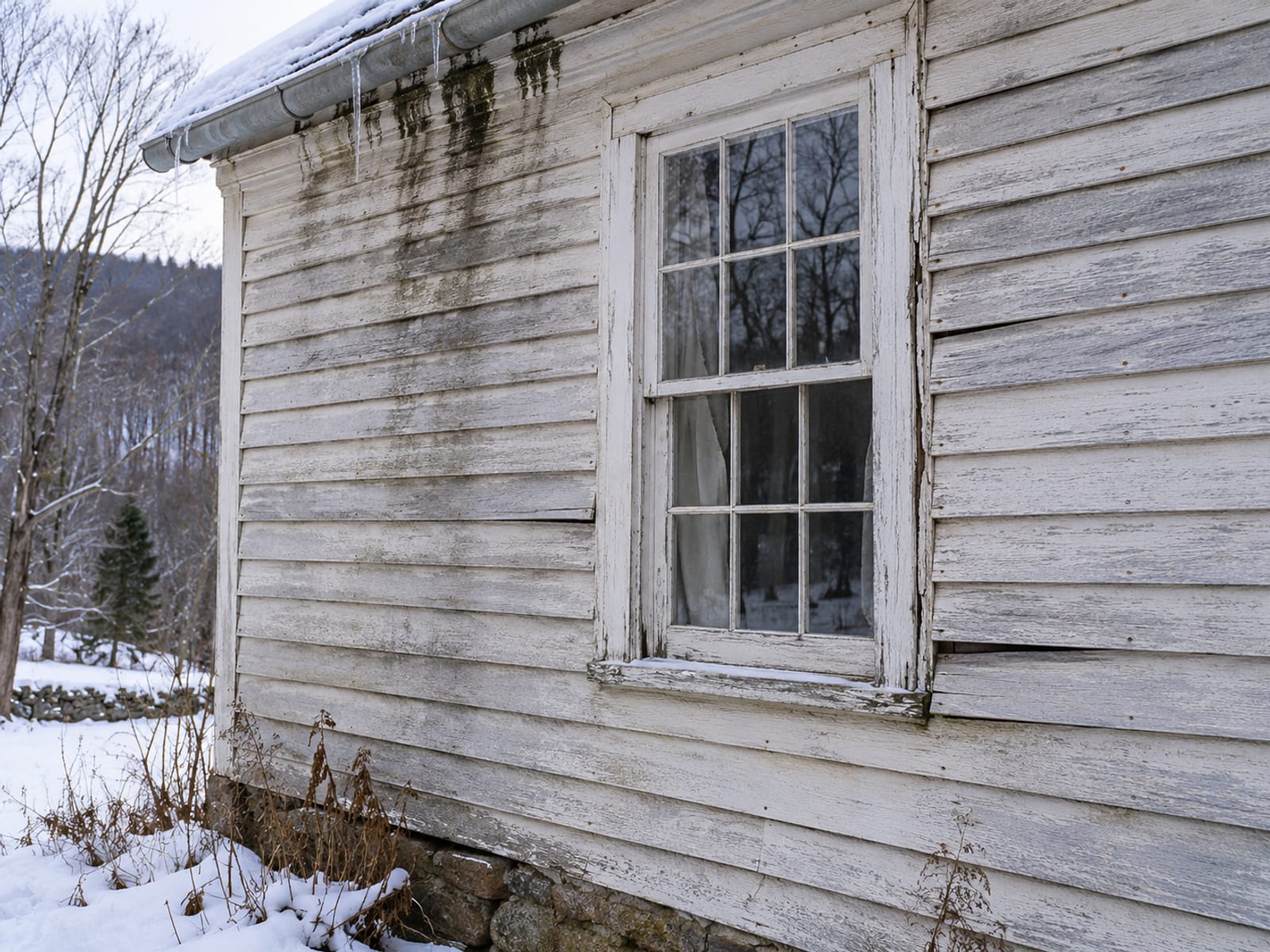
Weather is part of the cost picture. The National Weather Service describes nor'easters as storms that commonly bring heavy rain or snow and gale-force winds, most frequent and most violent from September through April, and its Connecticut-region criteria define a severe thunderstorm by wind gusts of at least 58 mph or hail an inch across, as listed on the NWS Boston criteria page. Siding takes that exposure year after year, and older walls tend to show it as loose boards, failed caulk or moisture behind the surface.
Older homes can hide more under the old siding, which is another reason to keep a repair allowance in the financing plan. If your house was built before 1978, ask any contractor about lead-safe work practices before painted surfaces are disturbed.
Use the Three-Day Window and a Fair Deposit
Connecticut classifies siding as home improvement work, which means the state's home improvement contract rules apply. The contract must be in writing, and DCP lists what it should contain: the contractor's name and HIC registration number, a description of the work, the materials, the price and payment schedule, start and completion dates, who handles permits, who handles cleanup, signatures and dates, and notice of your right to cancel.
You generally have until midnight on the third business day after signing to cancel. Saturday counts as a business day; Sundays and listed legal holidays do not. The contractor must give you a signed and dated copy. If you sign on a Friday, for example, the window runs through Tuesday at midnight under the counting rules DCP describes, so use those days to read the finance paperwork again with fresh eyes.
On deposits, DCP's 2025 consumer guidance says a legitimate contractor generally should not ask for more than one-third of the project price up front, and that payments should follow progress. It also recommends traceable payments over cash or peer-to-peer apps. Never pay the whole price before the work is finished.
If you finance through a lender, the schedule matters even more. Money released to the contractor ahead of the work leaves you repaying a loan for siding that is not on the wall yet.
Check the Contractor and the Financing Together
Financing and the contractor are two decisions, and each deserves its own check. Start with registration. Search the company in the Department of Consumer Protection's eLicense lookup and confirm the HIC registration is active, and that the legal name matches the name on your contract. DCP's 2025 guidance says contractors should be able to show proof of at least $20,000 in general liability insurance; ask for the insurer's name and policy details, then confirm the coverage with the insurer directly.
American Quality Roofing and Siding offers financing, and we explain the options at the free estimate. We suggest you ask for the full financing disclosure in writing and compare it against any loan you could get on your own. Whoever offers the financing, ask who the actual finance company is, whether the loan is secured by your home, what the total repaid will be with fees, and whether you can pay it off early without a charge.
Keep the finance agreement separate from the construction contract in your own mind and on your own table. DCP warns that some arrangements can place a second mortgage on the home, so never sign financing papers under time pressure. If you are not ready, say so and take the papers home.
Connecticut also keeps a starting point for homeowners who may qualify for help: the Department of Housing's page on homebuyer, owner and repair financing. Eligibility and covered work vary by program, so read the current details there.
Frequently Asked Questions About Paying for New Siding in Connecticut
Do siding companies offer payment plans?
Some do. A contractor may offer financing directly or connect you with a finance company, and that financing is usually a separate agreement from the construction contract. American Quality Roofing and Siding offers financing and explains the options at the free estimate. Ask for the full disclosure and compare it with outside offers.
How do most people pay for new siding?
The usual choices are savings, a home equity loan or HELOC, a cash-out refinance, a personal or home improvement loan, contractor financing, or a credit card for a smaller balance. The best fit depends on the size of the project, your equity, what you can repay and whether you want your house to serve as collateral.
Is a home equity loan or a personal loan better for siding?
Neither is better for everyone. A home equity loan is secured by the house, so a missed payment can put the home at risk. A personal or home improvement loan relies on your credit instead, but its fees and terms can differ. Compare the total repaid and the risk, not only the monthly payment.
What help does the government offer for home repairs?
The Connecticut Department of Housing keeps an official page on homeowner and repair financing that points to current state programs and program partners. Eligibility and covered work vary, so start there and confirm the details for your situation.
How much should I put down as a deposit?
DCP says a legitimate contractor generally should not request more than one-third of the project price up front, with payments that follow the progress of the work. Half up front is above that guidance. Ask for the payment schedule in writing before you sign.
Can I cancel after I sign a siding contract?
Generally yes. You have until midnight on the third business day after signing, and Saturday counts as a business day. The contract must include notice of this right. If you also signed financing papers, ask the lender how cancellation works for that agreement.
How much does it cost to side a 2,000-square-foot house?
There is no single price. The estimate depends on the exterior wall area, number of stories, siding material, removal, trim, flashing, repairs, access and permits. Ask for an itemized written estimate for your own house so you can compare equal scopes.
Quick Check: Paying for Siding in Connecticut
1. Which of these uses your home as collateral?
2. What should you compare across financing offers besides the monthly payment?
3. What does DCP say about the size of a deposit?
4. How long do you generally have to cancel a Connecticut home improvement contract?
5. How should you treat contractor financing?
Final Thoughts
Paying for siding comes down to a few clear steps. Line up your options, compare each offer by what you will repay in total and what is at risk, get an itemized estimate, and keep the finance agreement separate from the construction contract. In Connecticut, a written contract, a deposit near one-third of the price and a three-business-day cancellation window give you real footing.
Taking the time now keeps the project from becoming a monthly worry later. A payment plan you understand, tied to work you can describe line by line, lets the siding do its job while your budget stays steady.
If you are planning new siding in Connecticut, American Quality Roofing and Siding can help. We offer financing, explain the options at your free estimate, and put the scope in writing so you can compare it with any other offer. Request a free estimate or call us, and bring your questions about payment along with your questions about the siding.
Written by Jose Zaruma, American Quality Roofing and Siding.
← Back to the blog