Roofing Guide
What Interior Painting Costs in Danbury, CT, and Why
By Jose ZarumaPublished
- interior painting
- danbury ct
- connecticut
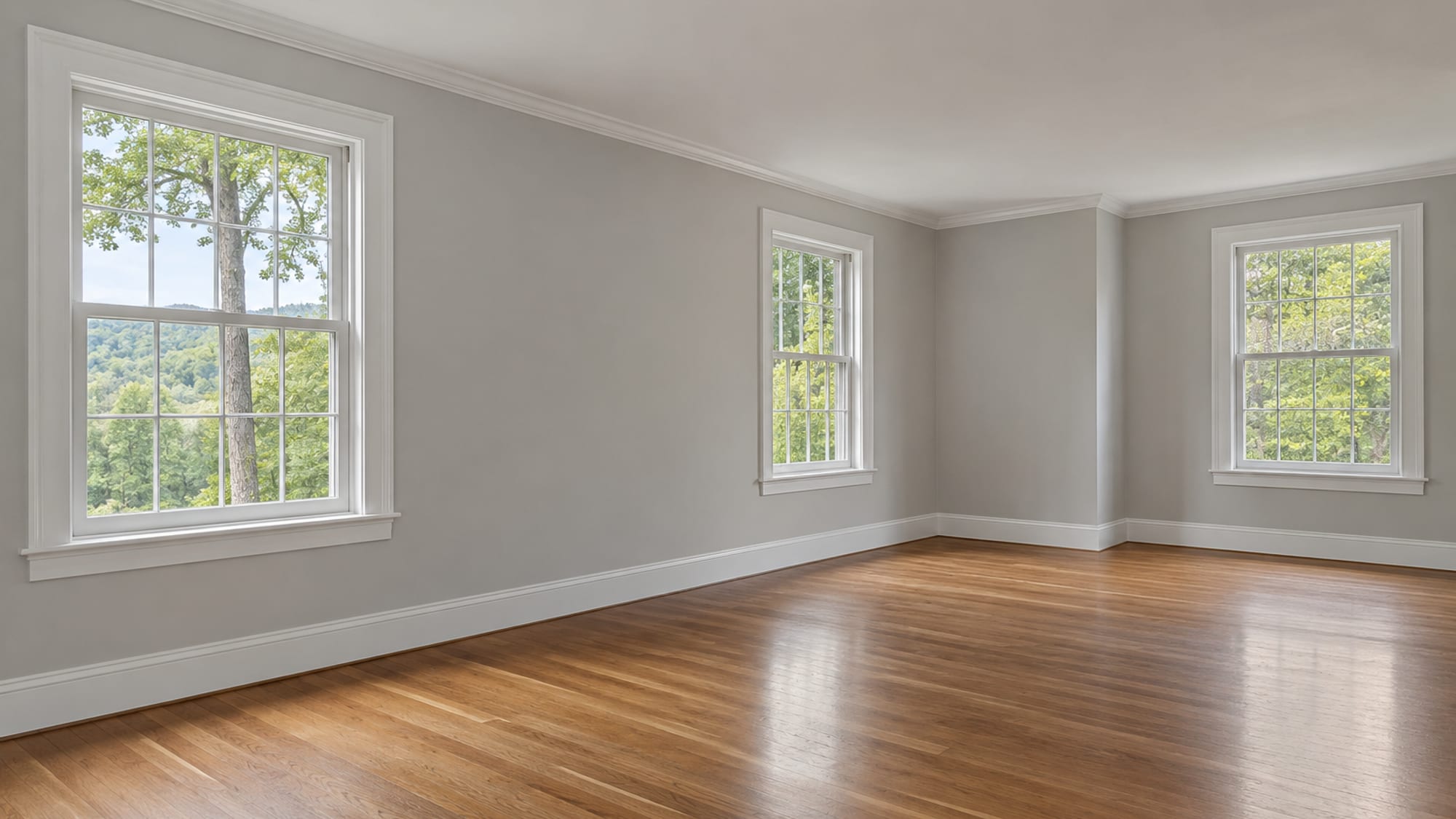
Interior painting in Danbury costs what the scope says it costs, and the scope is the part that varies most from one quote to the next. Two bids for the same house can sit far apart because one includes patching, primer, ceilings and trim while the other covers two coats on the walls and little else.
For a sense of scale, a Connecticut pricing report (ProMatcher, 2026) lists interior house painting at $2.88 per square foot, with a displayed range of $1.25 to $4.50. Those are statewide practice figures, not Danbury quotes, and the range is wide because preparation, ceilings, trim, doors and coats all change the work.
If your house was built before 1978, one more item belongs on the list before anyone sands a wall: whether the painter is EPA lead-safe certified. In Danbury that is a real question, since the city's Consolidated Plan reports that more than 67% of its housing stock was built before 1980.
Key Takeaways
Scope sets the price
Preparation, patching, primer, coats, ceilings, trim and doors decide the number, so compare quotes line by line on the same room list.
Connecticut figures are a rough guide
$2.88 per square foot (range $1.25 to $4.50) and $62.50 per hour (range $55 to $70) are statewide practice numbers, not Danbury quotes.
Older homes carry extra rules
For paid work that disturbs painted surfaces in a pre-1978 house, the firm must be EPA-certified for lead-safe work.
Get the dates in writing
A Connecticut contract should show the HIC number, start and completion dates, and a three-business-day cancellation notice.
Ask the city about permits
Call the Danbury Building Department or Permit Center before work starts to confirm whether your scope needs one.
Why Two Quotes for the Same Rooms Never Match
Most of the gap between quotes comes from decisions made before a brush touches the wall. A painter who plans to scrape a peeling bathroom ceiling, patch a cracked plaster corner and prime a water stain is pricing different work than one who plans to roll two coats over what is there. Neither is wrong; they are bidding different jobs, and you can only compare them once both are bidding the same one.
These are the factors that move the price, roughly in the order they tend to matter.
What Moves the Price of Interior Painting
Cracks, nail pops, peeling paint, water stains and damaged plaster need patching, sanding and often primer before any finish coat.
Tap a factor to see how it moves the price.
Surface condition is the one that surprises people most. A wall that looks fine from across the room can hide hairline cracks and old patches that show up the moment fresh paint goes on. Photographing each room's walls, ceilings, trim, doors, water stains and peeling spots before you call anyone gives every painter the same starting facts.
What the Connecticut Numbers Mean for Your House
The ProMatcher report is a pricing site, not a government rate, so treat it as a ruler for scale and nothing more. It lists interior house painting or staining at $2.88 per square foot with a displayed range of $1.25 to $4.50, and at $62.50 per hour with a displayed range of $55 to $70. Paint removal is listed separately at $3.90 per square foot and $43.75 per hour.
Connecticut Practice Figures Applied to Two House Sizes
At $2.88 Per Square Foot: $4,320
Using the Displayed Range of $1.25 to $4.50: $1,875 to $6,750
Tap a factor to see how it moves the price.
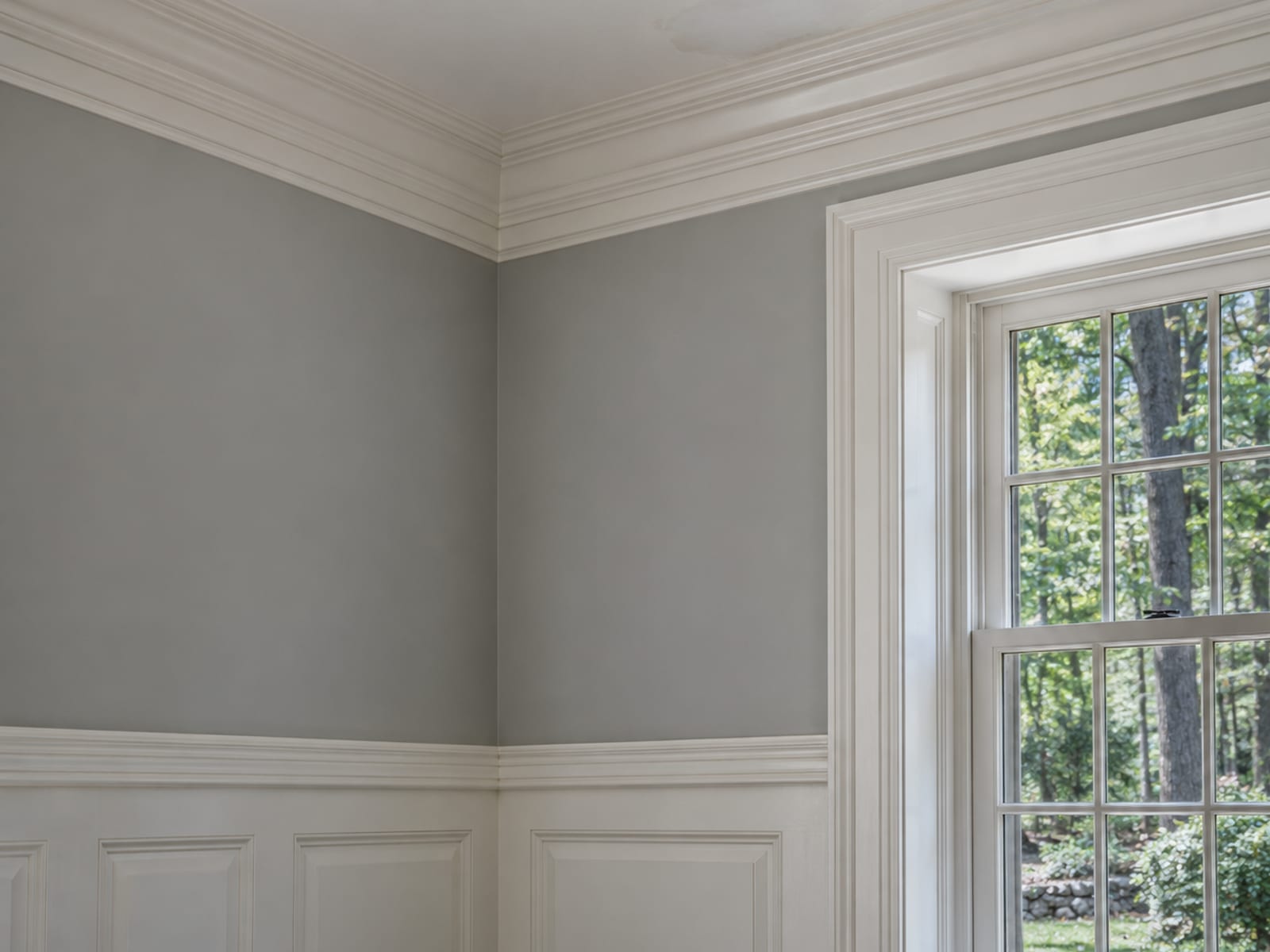
Those results are arithmetic on a statewide figure, not Danbury prices. A 2,000-square-foot house with eight-foot ceilings, plain trim and sound walls could land low in a range like that. The same house with ten-foot ceilings, lots of woodwork and a few water-damaged areas could land well above it.
An hourly figure is harder to use than it looks. It could describe one painter's labor, a crew's rate or a billing average, so ask any contractor who quotes by the hour how many people are on site and how many hours the estimate assumes. Written quotes with a stated scope, a stated number of days and a stated price are easier to compare than any rate.
What a Written Quote Should List, From Prep to Cleanup
A good painting quote reads like a checklist. It names the work in each room, and anything it leaves out is spelled out as an exclusion. When two quotes arrive, line them up side by side against the same room list and mark where one says something the other is silent about. Silence usually means the item is not included.
The list below is what a full interior scope commonly separates, from the first day of protection to the last day of cleanup.
Quote Comparison Checklist for Interior Painting
How floors, furniture, fixtures and unpainted surfaces are covered.
Tap a factor to see how it moves the price.
Do not rely on a verbal promise that repairs, trim, cleanup or an extra coat is covered. If a painter says it in conversation, ask for it to be added to the written scope. A short line in the contract costs the painter nothing if they meant it.
How Long the Work Takes and What Changes the Schedule
Interior painting does not follow a standard timetable, because the rooms, the repairs and the household are different every time. Room count sets the baseline. After that, access, drying time between coats, the amount of surface repair, ceiling height, trim detail, furniture moving, color changes and whether you are living in the house all stretch or shorten the job.
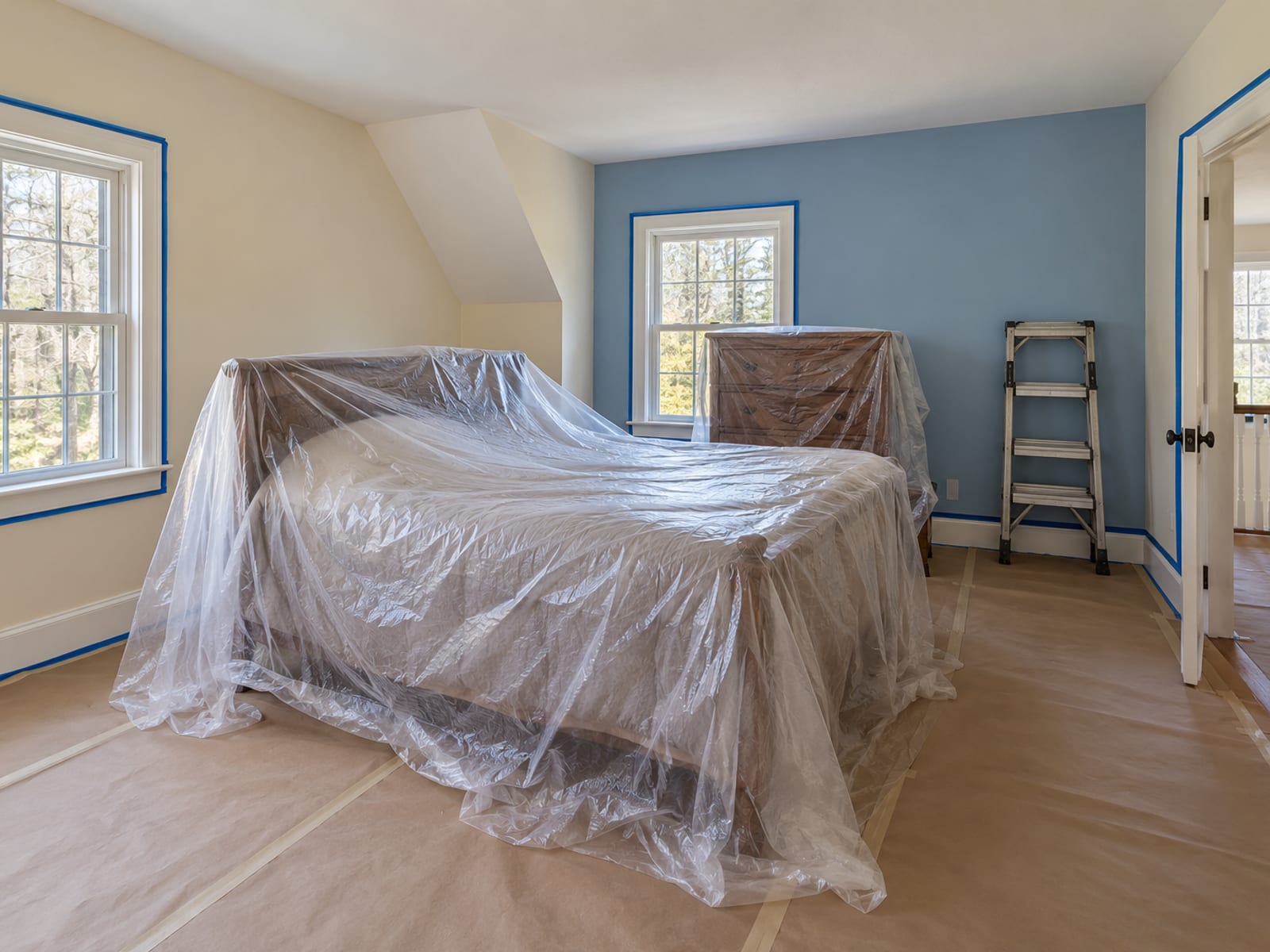
Ask each painter to put the schedule in the quote or contract: the planned start date, the number of working days, which rooms get done on which days, how long to stay out of a freshly painted room, and the completion date. A Connecticut home improvement contract is supposed to carry the start and completion dates anyway, so ask for them before you sign.
If you are painting before a sale or after a move, work backward from your date. Add a few days of cushion for repairs that turn up once furniture is out of the way, and mention the deadline when you call so the quote is built around it.
Painting an Older Danbury Home Safely
Lead paint was banned for residential use in 1978, and Connecticut's Department of Public Health notes that older homes may still contain it. The risk is not the paint sitting quietly on a wall. It is the dust created when that paint is scraped, sanded or disturbed. In Danbury, where the city's plan reports more than 67% of housing built before 1980, a good share of homeowners fall into this category.
The federal rule that covers it is EPA's Renovation, Repair and Painting program. It applies to paid work that disturbs painted surfaces in housing built before 1978, and painters are specifically covered. A firm cannot advertise or perform covered work without EPA firm certification, and the work must be led by a certified renovator using lead-safe practices. The EPA's contractor guidance describes who is covered.
Connecticut adds a paper step. For covered work that disturbs more than 6 square feet of interior painted surface per room, Connecticut DEEP says the contractor must give the owner and occupants the EPA "Renovate Right" pamphlet and get written confirmation that you received it. If a painter has never handed you that pamphlet on a pre-1978 job, ask why.
Here is what to do in practice:
- Find the build year: Check your closing documents or ask for the property record before you call painters.
- Raise it first: Tell every contractor the year, and ask whether the planned work disturbs painted surfaces.
- Ask for the credential: Request the firm's EPA RRP certification and the name of the certified renovator.
- Skip the store test kit: Connecticut's health department says consumer lead-test kits are not an approved testing method here. Limited paint testing of rooms about to be repainted or remodeled can be done by a licensed lead consultant.
If your home was built after 1978, the rule does not apply to the paint itself, though good dust control still makes for a cleaner job. The same lead-safe rules apply to paid work outside, which exterior painting in Danbury covers.
Choosing Sheen and Low-VOC Paint Room by Room
Sheen is how much light the finish reflects, and it affects both how a room looks and how it holds up. Manufacturer guidance, such as Sherwin-Williams' sheen guide, sorts it by room and surface condition.
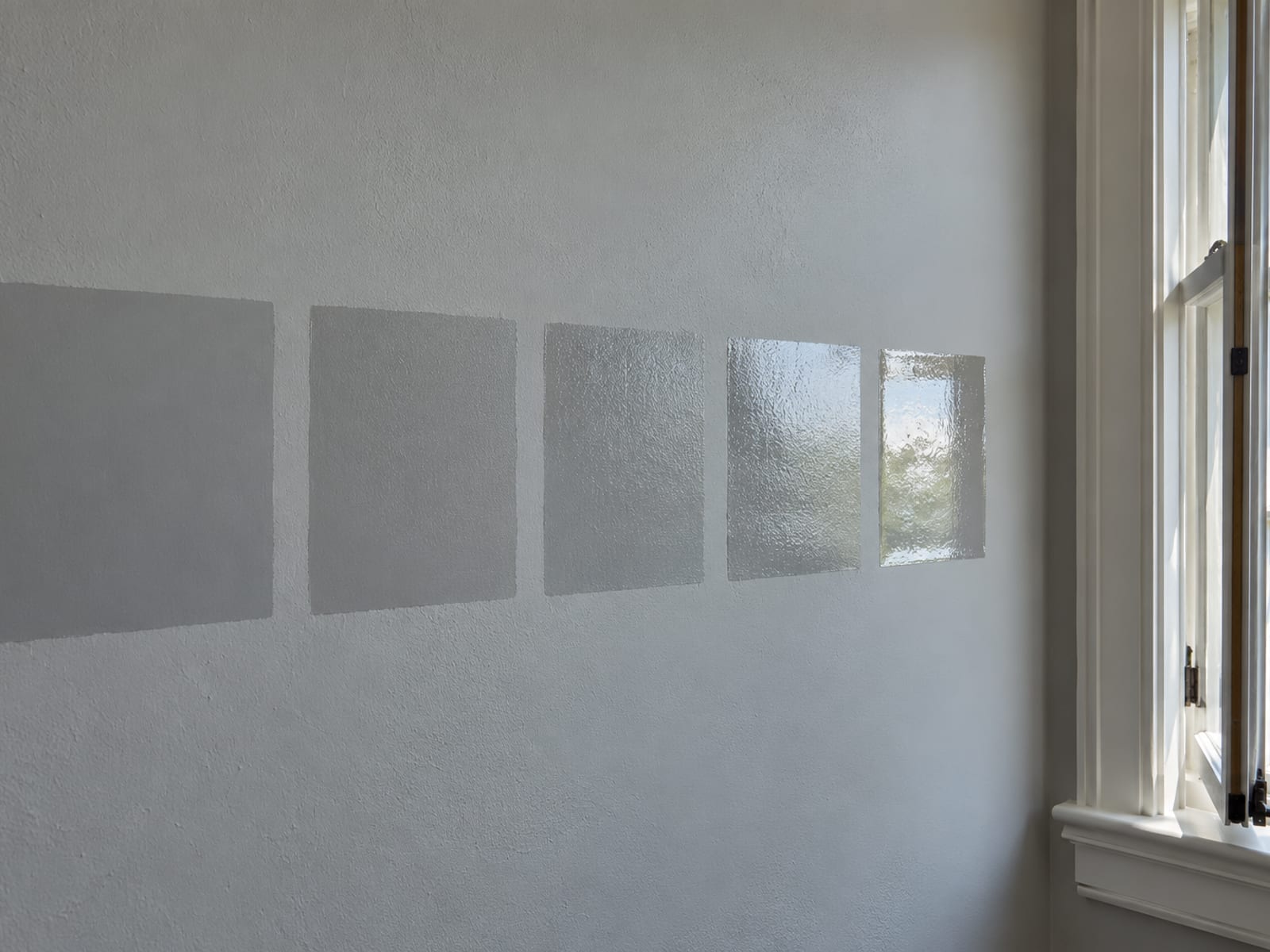
Because higher sheens highlight flaws, a room with patched plaster usually looks better in a flatter finish than the same room in semi-gloss.
On air quality, the EPA recommends choosing low-VOC products when possible and ventilating, especially when fumes build up in a single room. Its healthy-painting guidance also warns that bathroom and kitchen exhaust fans do not always vent outdoors, so do not assume they count as ventilation. Open windows where you can and keep fresh air moving after the painting is done. In Danbury the January mean temperature is 28.0°F against 69.4°F in June (NOAA 1991 to 2020 normals), so a winter job needs a plan for airing out rooms that a summer job gets almost for free.
Permits and Who to Call in Danbury
The Danbury Building Department administers the Connecticut State Building Code for renovations, issues permits and performs inspections. The city's Permit Center takes applications online and routes them among Building, Zoning, Engineering, Fire Marshal, Health and Public Utilities. Applications go through the city's online permit portal.
Whether a paint-only job needs a permit is a question for the city. Call the Building Department at 203-797-4580 or the Permit Center at 203-796-1653 and ask four things: whether your scope requires a permit, who applies, what fee applies and whether an inspection is needed. If the job grows to include interior alterations, structural changes, electrical, plumbing or HVAC work, bring that up before work begins, because those fall under the building code.
Danbury's housing is varied. The Consolidated Plan counts roughly 29,160 housing units, with 44.6% single-family detached homes and the rest a mix of two-to-four-unit buildings and larger multifamily buildings. If you live in a multi-unit building, ask your landlord or association what approvals they need before painting starts, since their rules are separate from the city's.
Checking a Painter Before You Sign
Connecticut treats painting for homeowners as home improvement work. The Department of Consumer Protection says a business contracting with a consumer for residential work must be registered as a home improvement contractor. To qualify, applicants carry general liability insurance of at least $20,000, and DCP recommends you verify the HIC number through the state's license lookup before hiring.
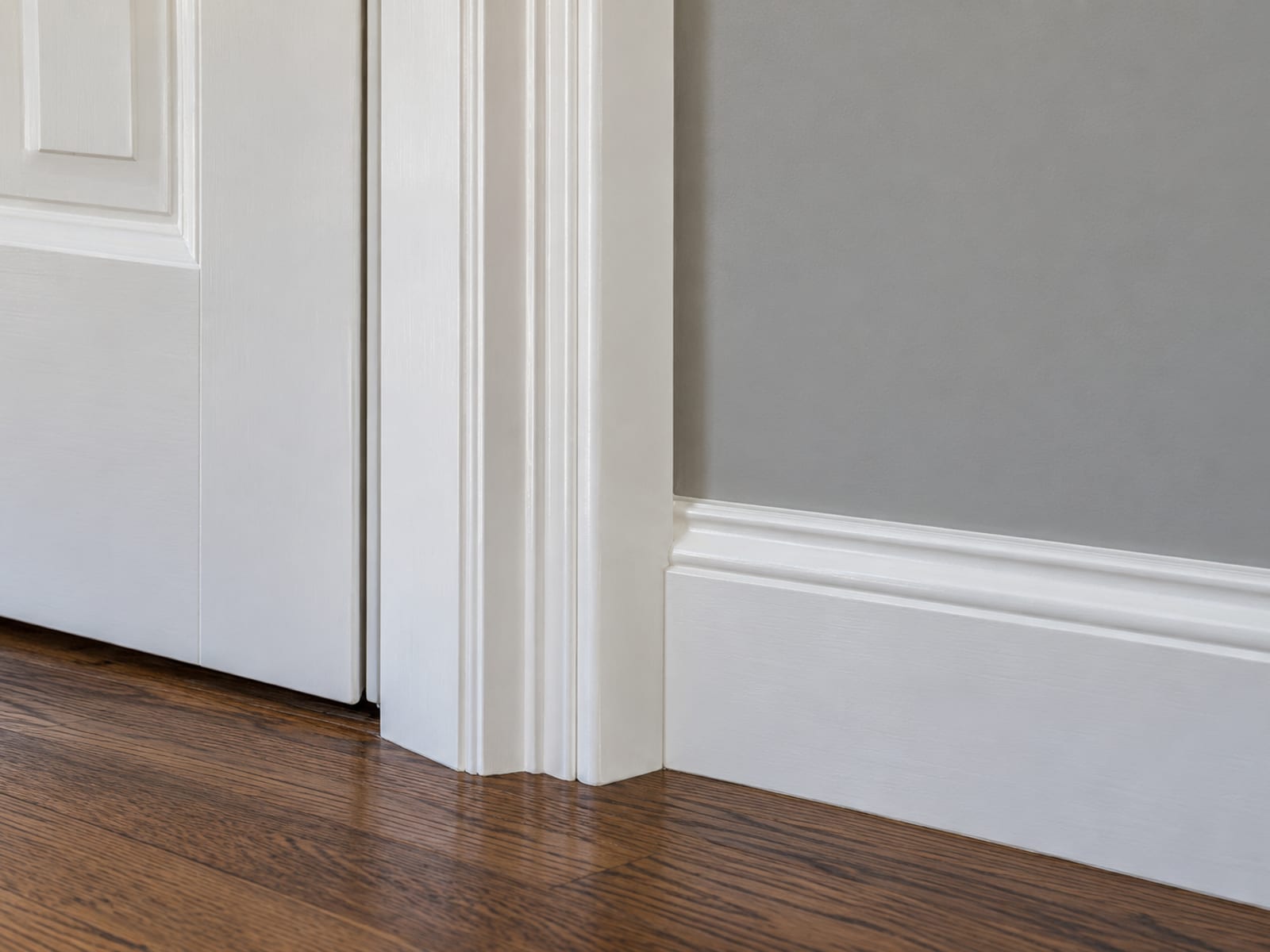
Put these questions to each painter:
- Registration: What is your HIC number, and is it active?
- Insurance: Can you give me the insurance provider and policy number?
- Lead safety: Are you EPA RRP-certified, and who is the certified renovator?
- Scope: Which surfaces are repaired, primed and painted, how many finish coats are included, and what is excluded?
- Logistics: Who moves and protects furniture, and who gets any required permit?
- Schedule: What are the start date, working schedule and completion date?
- Changes: How are extra repairs or color changes priced?
Common mistakes follow a pattern: comparing quotes with different scopes, accepting a verbal promise about prep or trim, not knowing the home's build year, skipping the HIC and insurance check, signing without a completion date, and letting work begin before lead-safety responsibilities are clear.
Frequently Asked Questions About Interior Painting in Danbury, CT
How much does it cost to paint the interior of a 2,000-square-foot house?
A Connecticut pricing report lists $2.88 per square foot, which works out to $5,760 at the midpoint, with a displayed range that works out to $2,500 to $9,000. Those are statewide practice numbers, not Danbury quotes, and they do not say whether ceilings, trim, repairs or extra coats are included. Compare written quotes built on the same room list.
What about a 1,500-square-foot house?
Using the same figures, $2.88 per square foot comes to $4,320, and the displayed range comes to $1,875 to $6,750. Treat it as scale only. Your own price depends on wall condition, ceiling height, trim and the number of coats.
How much do painters charge per hour in Connecticut?
The same report lists $62.50 per hour, with a displayed range of $55 to $70. It does not say whether that is a crew rate, a single painter's rate or a billing average, so ask any contractor quoting hourly how many people and hours the estimate assumes.
Does my Danbury house need lead-safe painting?
If it was built before 1978 and paid work will disturb painted surfaces, EPA's RRP rule applies and the firm must be EPA-certified. Tell every painter the build year and ask for the certification and the name of the certified renovator before you sign.
Do I need a permit to paint inside my house in Danbury?
Ask the city. Call the Building Department at 203-797-4580 or the Permit Center at 203-796-1653 and describe the exact scope, then ask who applies, what fee applies and whether an inspection is required.
Can I cancel a painting contract after signing?
Generally yes, until midnight of the third business day after signing, and Saturday counts as a business day. Connecticut contracts should include the cancellation notice, so look for it before you sign.
How long will the painting take?
It depends on room count, access, drying time, repairs, ceiling height, trim detail and whether you live in the home during the work. Ask the painter to write the start date, working days, daily work areas and completion date into the contract.
Interior Painting Knowledge Check
1. What mainly explains why two quotes for the same Danbury house can differ so much?
2. How should you treat the Connecticut figure of $2.88 per square foot?
3. When does EPA's lead-safe rule apply to a painting job?
4. Who can you call to ask whether a paint-only scope needs a permit in Danbury?
5. Which items belong in a Connecticut home improvement contract?
Final Thoughts
Interior painting costs in Danbury follow the scope: how much preparation the walls need, how many surfaces are included, how tall the rooms are and how many coats go on. Connecticut figures like $2.88 per square foot give you scale, and your own price comes from written quotes that list the same rooms, the same prep and the same exclusions. In a pre-1978 house, lead-safe certification belongs on that list too.
Getting the scope, the HIC number, the cancellation notice and the dates on paper before work begins protects your walls and your budget, whether you are painting before a sale, after a move or just because the rooms are due.
If you are planning interior painting in Danbury, we can help. American Quality Roofing and Siding is based in Brookfield, CT, serves Danbury and the rest of Central and Western Connecticut, and holds CT HIC #0633301. Along with interior painting, we handle roofing, siding, gutters and 24/7 emergency roof services. Request a [free estimate/) or call us, and we will walk through your rooms and write up the scope line by line.
Serving Danbury, CT
This guide is part of our exterior work in Danbury. See our roofing contractor services in Danbury, CT.
Written by Jose Zaruma, American Quality Roofing and Siding.
← Back to the blog