Roofing Guide
Interior Painting Brookfield CT: Prep, Cost, and What to Expect
By Jose ZarumaPublished
- interior painting
- brookfield ct
- connecticut
- painting
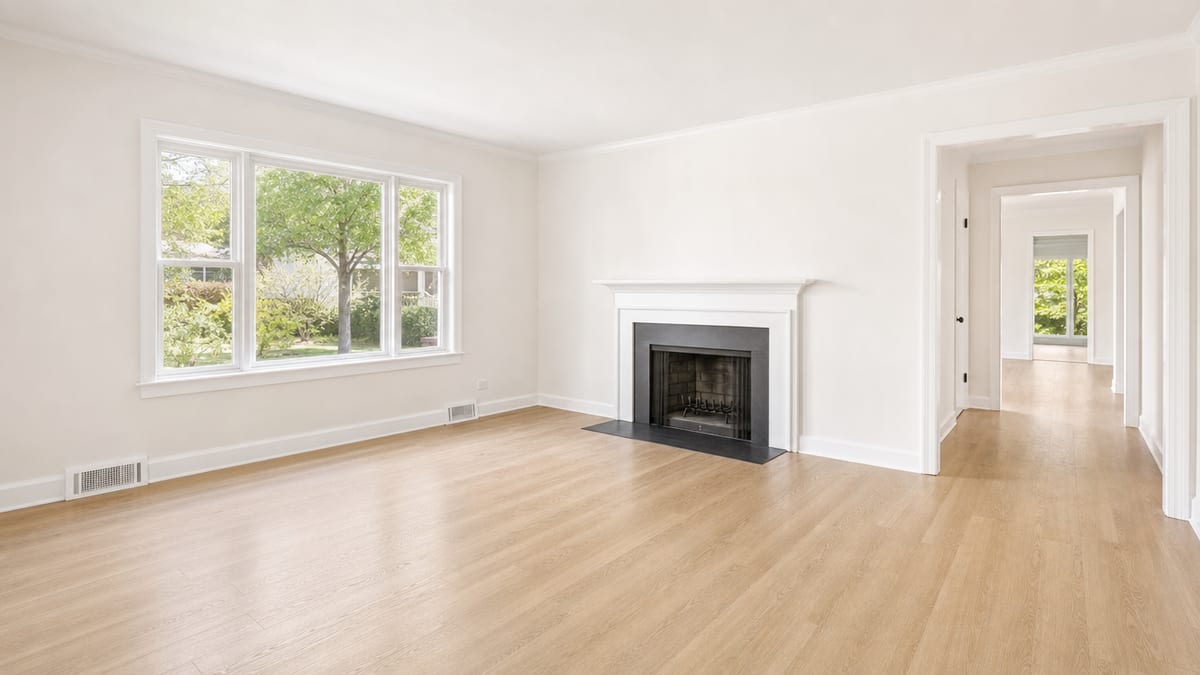
You are standing in a room you are tired of looking at, picturing it a different color, and trying to figure out how to get from that picture to a finished job without wrecking your walls, your schedule, or your budget. You have probably already priced a gallon of paint and know the paint itself is the cheap part. What worries you is everything around it: the prep work you cannot judge until it is too late, whether a crew will actually protect your floors and furniture, and how a quote that looks reasonable on paper can grow once repairs or extra coats show up. Interior painting in Brookfield CT is sold as a color decision, but the color is the easy part. Whether the finish looks crisp and lasts, or shows every roller mark and peels at the trim in a year, is decided almost entirely by preparation and process. This article walks through what real prep involves, how to pick the right sheen, when lead-safe rules apply, and what moves the cost, so you can compare estimates for what they actually include.
Key Takeaways
Preparation decides the finish, not the paint
Cleaning, repairs, sanding, priming, and caulking are what make a paint job look sharp and last, so the prep line items on an estimate matter more than the brand of paint.
A water stain means fix the source first
Painting over an active leak or wet drywall just hides a growing problem, so moisture has to be corrected and the material dried and sealed before any color goes on.
Sheen should match how the room is used
Flat on ceilings, eggshell in living spaces, satin in high-traffic rooms, and semi-gloss on trim and moisture-prone areas hold up far better than one sheen everywhere.
Older homes may require lead-safe work
Disturbing paint in many pre-1978 Brookfield homes falls under EPA rules that require certified practices, which affects how the work is done and what it costs.
Compare written scopes, not just totals
A low number often leaves out repairs, primer, a second coat, or protection, so the real comparison is what each estimate includes.
Good Paint Starts With Prep, Not Paint
Ask a professional what makes a paint job last, and they will talk about everything that happens before the first coat. Paint is a thin film, and it can only be as smooth and durable as the surface underneath it. Roller marks, flashing, peeling edges, and visible patches almost always trace back to prep that was rushed or skipped, not to the paint that was used. That is why the cheapest quote and the best result are rarely the same estimate.
This matters even more in an occupied home, which most Brookfield interior projects are. Good prep is also what protects your floors, furniture, and belongings while the work happens around you. A crew that treats prep as the real job covers and moves what needs moving, contains dust, and sets up so your daily life can continue. A crew that treats prep as a formality is the one that leaves overspray on the baseboards and roller marks on the wall.
A Water Stain Means Fix the Source First
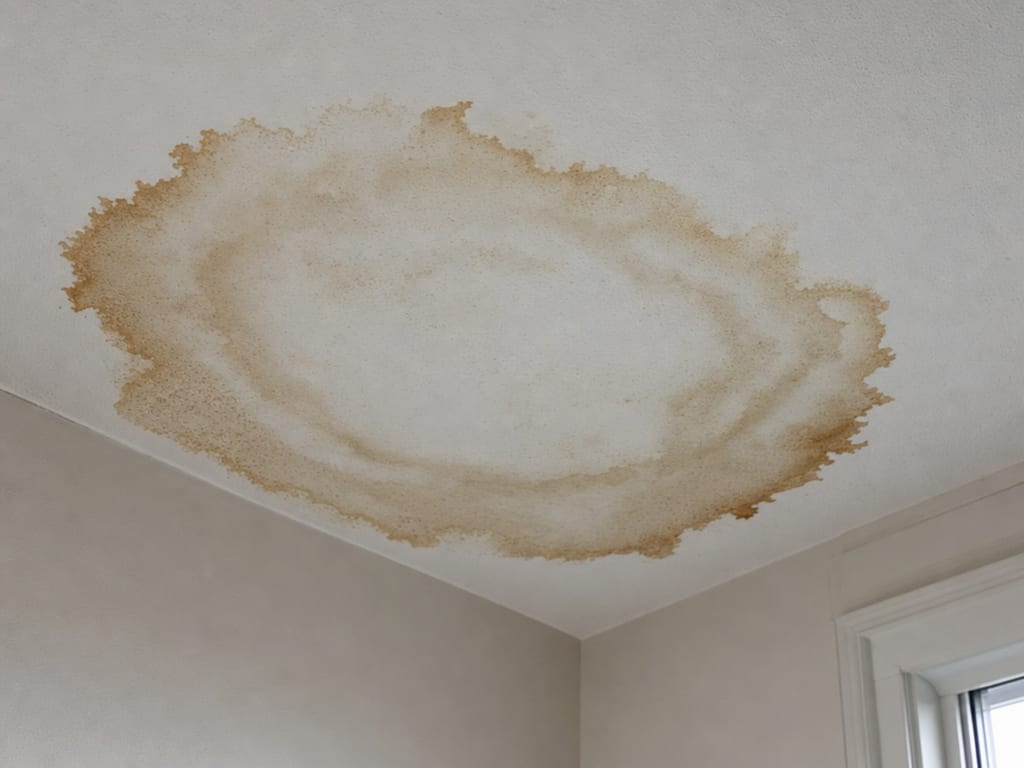
Before any painting starts, it is worth naming a trap that catches a lot of homeowners: painting over a problem instead of fixing it. Interior painting does not solve active roof leaks, plumbing leaks, condensation, mold, or wet drywall. A brown ring on a ceiling or a stain running down a wall is a symptom, and covering it with paint hides it for a few weeks until it bleeds back through.
The right order is to find and correct the source, let the material dry fully, then seal the stain with the proper primer before finishing. When the stain came from above, that often means addressing the roof before the ceiling, which is why a ceiling repair after a leak should follow a real roof repair rather than precede it. A painter who wants to paint a fresh water stain without asking where the water came from is skipping the most important question.
Preparation Is Where Durability Comes From
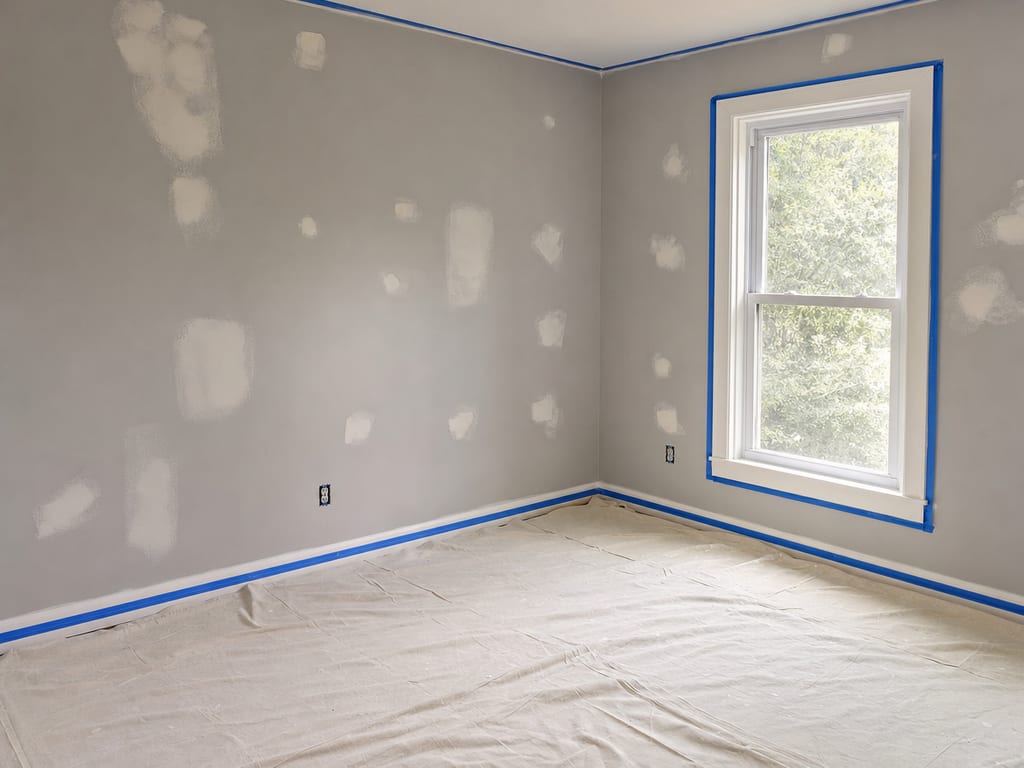
A durable interior result depends on a series of unglamorous steps that happen before the color goes on. Each one is easy to shortcut and each one shows later if it is skipped. When you read an estimate, this is the work that separates a lasting job from a quick one, so it is worth confirming which of these are included.
- Protecting the space: Moving or covering furniture and protecting floors so nothing is damaged or spattered.
- Cleaning the surfaces: Removing grease, dust, and residue so paint can bond.
- Repairing and sanding: Filling nail holes and cracks, addressing loose plaster, and sanding repairs smooth.
- Priming and sealing: Priming bare drywall or plaster and sealing water or smoke stains so they do not bleed through.
- Caulking and adhesion: Caulking selected trim joints and testing adhesion where the existing coating is uncertain.
- Correcting moisture first: Fixing any active moisture before painting, because paint will not hold over a wet or failing surface.
Sheen and Product Should Match How the Room Is Used
Choosing paint is more than picking a color, and the sheen decision quietly affects how the room looks and how well it holds up. The right product depends on the surface, the existing coating, how the room is used, how washable it needs to be, and how much moisture and light it gets. A good painter matches the sheen to the room rather than using one finish everywhere.
- Flat or matte: Low reflection for ceilings and low-traffic walls, hiding minor imperfections.
- Eggshell: A soft finish for living spaces that balances looks and cleanability.
- Satin: More durable and washable for higher-use areas like hallways and kids' rooms.
- Semi-gloss: For trim, doors, and moisture-prone areas like kitchens and baths, where washability matters most.
Color change and coverage also drive how many coats a job needs. Going from a dark wall to a light one, or covering a stain, can require primer plus two coats, while a similar color refresh may need less. An honest painter explains the coats your specific job calls for rather than quoting a single coat and hoping.
Older Brookfield Homes May Need Lead-Safe Work
Brookfield has a lot of older housing, and that brings a rule many homeowners have never heard of. Paid renovation work that disturbs paint in homes built before 1978 can fall under the EPA's lead-safe renovation rules, which require certified firms and specific work practices to control lead dust. Sanding and surface prep are exactly the kind of activities that can trigger these requirements.
For you, this means two things. First, the work has to be done with proper containment and cleanup, which protects your household. Second, it adds steps and cost to a project on an older home, so it belongs in the estimate up front. A contractor who has never mentioned lead-safe practices on a pre-1978 home is a warning sign worth taking seriously.
What Drives Interior Painting Cost in Brookfield
There is no honest flat price for interior painting, and interior painting cost in Brookfield depends heavily on the condition of the surfaces and how much is included. Two rooms of the same size can price very differently based on wall condition, how many colors and coats are involved, and whether trim, doors, and ceilings are part of the job. The table below shows what moves the number so you can compare written scopes.
What Moves the Price of an Interior Paint Job
More wall and ceiling area, and tall or vaulted spaces, mean more labor and access.
Tap a factor to see how it moves the price.
Because so much depends on surface condition and what is included, the fair way to price interior painting is a walkthrough and a written scope that lists the rooms, surfaces, prep, coats, and exclusions. That is how you avoid the low number that grows once the repairs and second coat appear.
How a Professional Interior Paint Job Goes
A well-run interior project follows a clear order, and knowing it helps you tell a careful crew from a rushed one. It starts with a consultation and color discussion, then a written scope that names the rooms, surfaces, products, and coats. Only then does the hands-on work begin, and the sequence protects both the result and your home.
From there the crew prepares and protects the space, cleans the surfaces, makes repairs and sands them smooth, and sets up lead-safe containment where an older home requires it. Priming and stain sealing come before the finish coats, which go on in the number the job actually needs, with proper drying time between them. The project ends with a careful cleanup, the furniture returned, and a walkthrough so you can point out anything that needs a touch-up. Done in that order, the finish is smooth, even, and built to last.
How to Choose Interior Painters You Can Trust
The right interior painters in Brookfield CT talk about preparation and protection before they talk about price. Ask how they will prep the surfaces, how they protect floors and furniture in an occupied home, how many coats your job needs and why, and how they handle lead-safe work on an older house. A painter who answers those clearly is thinking about the result. One who only quotes a lump sum for "painting" is leaving the details, and the risk, to you.
Credentials are easy to verify. Look for a licensed and insured painting contractor in Connecticut, which includes a Home Improvement Contractor registration; ours is CT HIC #0633301. The state's guidance on working with a home improvement contractor is a useful reference for what a proper written agreement should cover. Because interior work often follows repairs to a ceiling or wall, working with a team that also handles roofing and exterior painting means the whole project can be coordinated by one accountable crew.
Common Painting Mistakes to Avoid
Most disappointing paint jobs come from the same shortcuts, and knowing them helps you spot corner-cutting before you sign.
- Painting over a water stain or active leak: The problem bleeds back through, so the source has to be fixed first.
- Skipping surface prep: Dirty, unrepaired, or unprimed surfaces show every flaw and shed paint early.
- Using one sheen everywhere: The wrong finish for a room's use wears poorly and looks off.
- Quoting a single coat on a color change: Big color changes and stains usually need primer plus two coats.
- Ignoring lead-safe rules on older homes: Skipping containment on a pre-1978 home is a health and compliance risk.
- No written scope: Without a list of rooms, surfaces, and coats, "painting" can mean very different jobs.
Frequently Asked Questions About Interior Painting in Brookfield, CT
Should a water stain just be painted over?
No. The source of the water has to be corrected first, the material dried, and the stain sealed with the proper primer. Painting over an active leak or wet drywall only hides the problem until it bleeds back through.
How many coats of paint will my project need?
It depends on the color change, the product, the surface, and whether primer is needed. A simple refresh in a similar color may need less, while a big color change or a stain to cover often requires primer plus two coats.
Can we stay in the house while it is painted?
Often yes. It works best when access, odor, ventilation, drying time, pets, and room use are planned in advance. A good crew sets up so your daily life can continue around the work.
Does an older home require special handling?
It can. Paid work that disturbs paint in many pre-1978 homes is subject to EPA lead-safe requirements, which call for certified firms and specific practices. That protects your household and should be included in the estimate.
What affects the cost of interior painting?
Room size and ceiling height, wall condition and repairs, trim and doors, the number of colors and coats, primer, any lead-safe work, and whether the home is occupied. Because these vary, an honest price follows a walkthrough.
What should a painting estimate include?
The rooms and surfaces, the preparation and repairs, the products and number of coats, how the space will be protected, cleanup, any exclusions, and warranty. A written scope makes two estimates truly comparable.
Quick Interior Painting Knowledge Check
1. What most determines whether an interior paint job looks sharp and lasts?
2. What should happen before painting over a ceiling water stain?
3. Which sheen is generally best for trim, doors, and bathrooms?
4. When might lead-safe work practices be required?
5. Why can two interior painting quotes differ so much?
Final Thoughts
Interior painting is a prep-and-process job first and a paint job second. The color is the fun part, but the smooth, lasting result comes from clean, repaired, primed surfaces, the right sheen for each room, and a crew that protects your home while they work. Fixing the source of any water stain before painting, and handling lead-safe work correctly on an older home, are the details that separate a job that lasts from one that disappoints.
Done well, a fresh interior transforms how a room feels and holds up to daily life for years, which is exactly why the preparation is worth paying for. The best way to compare painters is not the bottom line on the quote, but what each one includes and how they plan to protect and prepare your home.
If you are planning to repaint a room or your whole home, or you have a stained ceiling that needs the source addressed first, we can help. American Quality Roofing and Siding has served Brookfield, CT and the surrounding Central and Western Connecticut area since 2006, and our interior and exterior painting work is backed by the same crews that handle roofing, siding, and the repairs behind a stained wall or ceiling. We are licensed and insured, hold an A+ BBB rating, and carry CT HIC #0633301. Call us for a free, no-pressure estimate, and we will start with the prep that a lasting finish depends on.
Serving Brookfield, CT
This guide is part of our exterior work in Brookfield. See our roofing contractor services in Brookfield, CT.
Written by Jose Zaruma, American Quality Roofing and Siding.
← Back to the blog