Roofing Guide
Do You Need a General Contractor in Danbury for Home Projects?
By Jose ZarumaPublished
- general contractor
- danbury ct
- connecticut
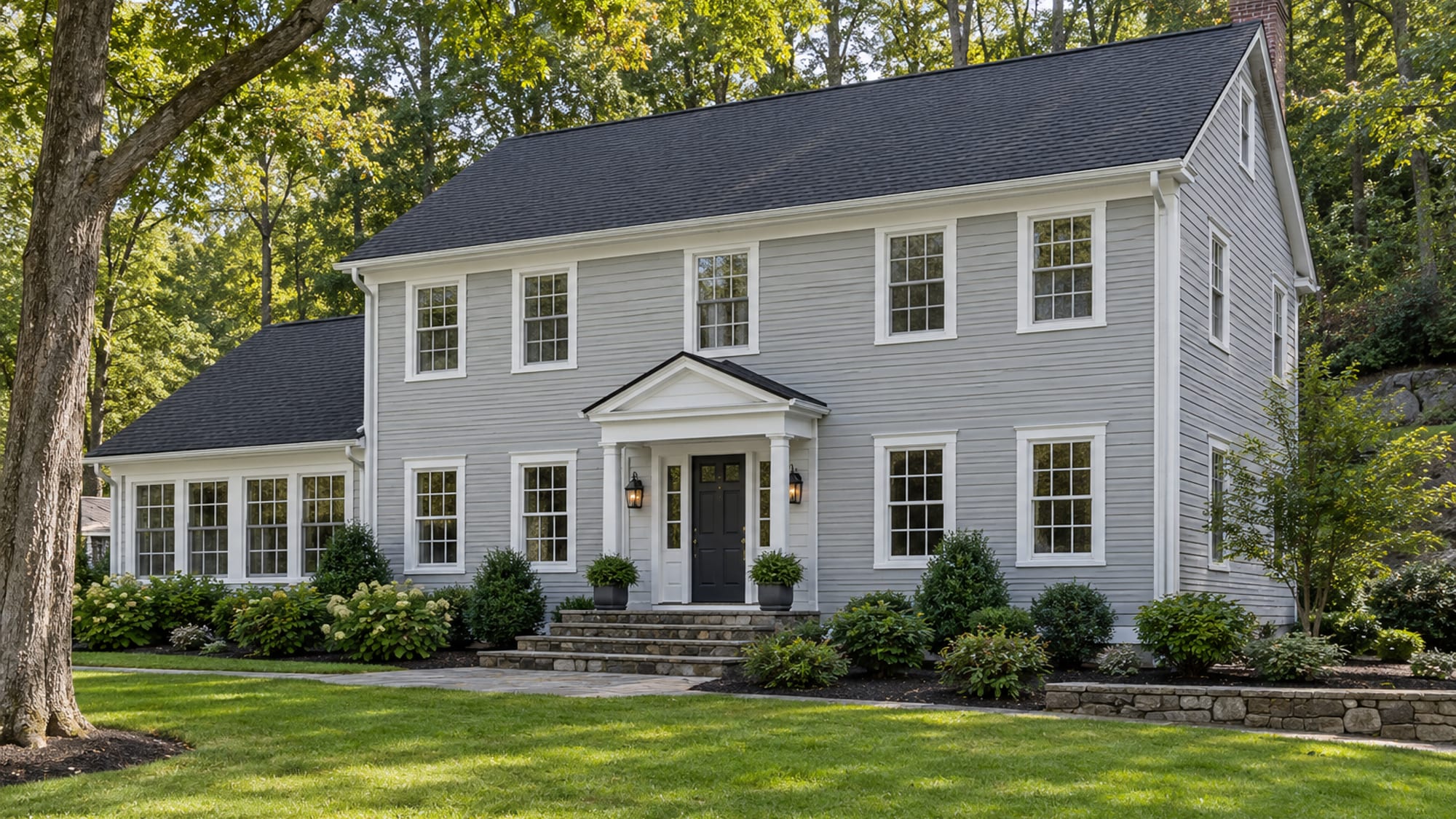
If your project involves several trades, a general contractor can give you one person to call, one schedule and one set of paperwork. If you hire each trade yourself, you hold the schedule, the handoffs and the permit follow-up. Both are legitimate ways to run a job, and the right one depends on how many moving parts your project has.
In Danbury, the choice carries a little extra weight. About 57.6% of the city's homes were built before 1980, according to Danbury's housing profile, and older houses tend to turn up surprises once a wall or roof edge is opened.
Either way, the same Connecticut rules apply to the contractor you hire: an active state registration, a written contract and a cancellation window. Knowing those rules before the first estimate puts you in charge of the process.
Key Takeaways
One contractor or several
A general contractor coordinates the trades, the schedule and the inspections, but the exact duties are whatever your written contract says.
Registration comes first
Connecticut requires home improvement contractors to hold a Department of Consumer Protection registration, and you can check it before you sign.
Permits stay your responsibility
Either you or the contractor may apply in Danbury, but you remain responsible for confirming the right permit is in place before work starts.
Compare bids line by line
Collect at least three written estimates on the same scope, with fees, allowances and change-order rules shown separately.
One Contractor Makes Sense When the Project Has Several Trades
A general contractor is the business that manages the whole project, while a specialty contractor does one trade, such as roofing, electrical, plumbing or masonry. A single-trade job, like replacing one roof, often needs only a specialty contractor. A kitchen addition, or a roof, siding and gutter project all at once, has enough trades that someone has to decide who comes first.
Connecticut's Department of Consumer Protection lists roofs, siding, insulation, painting, windows, doors, gutters, porches, garages, driveways, patios and waterproofing as home improvement work. A contractor doing any of it for you generally needs an active home improvement registration. Electrical, plumbing and HVAC work may also require separate state trade licenses, so a general contractor who arranges those has to use properly licensed people.
Before you call anyone, write down the whole scope. List the rooms or exterior areas involved, any structural changes, and every trade you expect: roofing, siding, windows, insulation, drainage, painting, electrical, plumbing, HVAC and finish work. Pull together any existing permits, plans or certificates of occupancy, and note known water or structural problems. A clear list lets every bidder price the same job.
A General Contractor Turns Your Scope Into One Plan
A general contractor can combine your list into a single managed project. That usually means coordinating subcontractors, sequencing the work so one crew is not undoing another's, arranging materials and dumpsters, scheduling inspections, handling changes and acting as your main point of contact. The Connecticut Department of Consumer Protection's contractor guidance is the best place to see what a contract should cover.
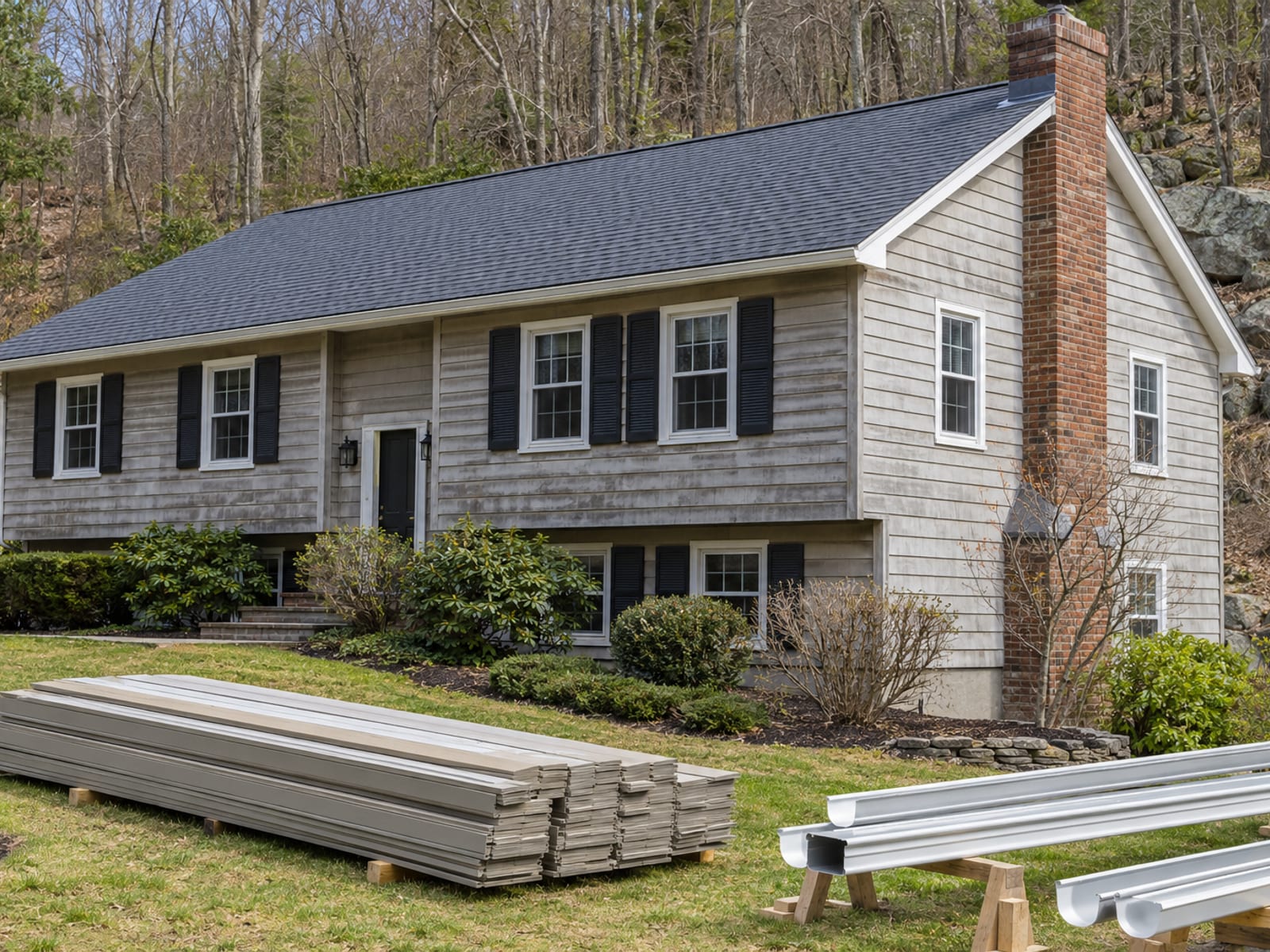
Sequence matters most on exterior work. Roofing usually comes before siding and gutters, since falling debris and ladders can damage finished surfaces, and skylights or chimney flashing need to be settled before the roof covering goes down. If you have several of those projects in mind, our general contracting page shows how multi-trade work fits together.
Pricing Depends on Scope, and Markups Vary by Contractor
Connecticut does not publish a standard fee or markup for residential general contractors, so two bids on the same job can land in different places. What moves the number is the size and complexity of the job, what is hidden behind the walls and the materials you pick.
One Fairfield County contractor's 2026 cost article describes cost-plus markups of 10% to 20%, with 15% to 18% common for established contractors. Treat that as one firm's marketing figure, not a Connecticut requirement or an average. A January 2021 Connecticut housing-finance guideline does publish limits of 2% for overhead, 6% for profit and 6% for general requirements, as a share of hard costs. Those apply only to projects funded through CHFA, so they do not describe what a Danbury homeowner should expect to pay.
What Changes the Price of a Danbury Renovation
More rooms, trades and square footage mean more labor and materials.
Tap a factor to see how it moves the price.
The practical step is to ask every bidder to show their fee, allowances and markup as separate lines. A single lump sum hides the comparison you need.
Danbury Permits Are Your Responsibility Even When the Contractor Applies
Danbury's Building Department administers the 2022 Connecticut State Building Code, which applies to permit applications filed on or after October 1, 2022. The city's Permit Center runs an online portal where applications and documents are submitted. It also coordinates reviews by Building, Zoning, Engineering, the Fire Marshal, Health and Public Utilities.
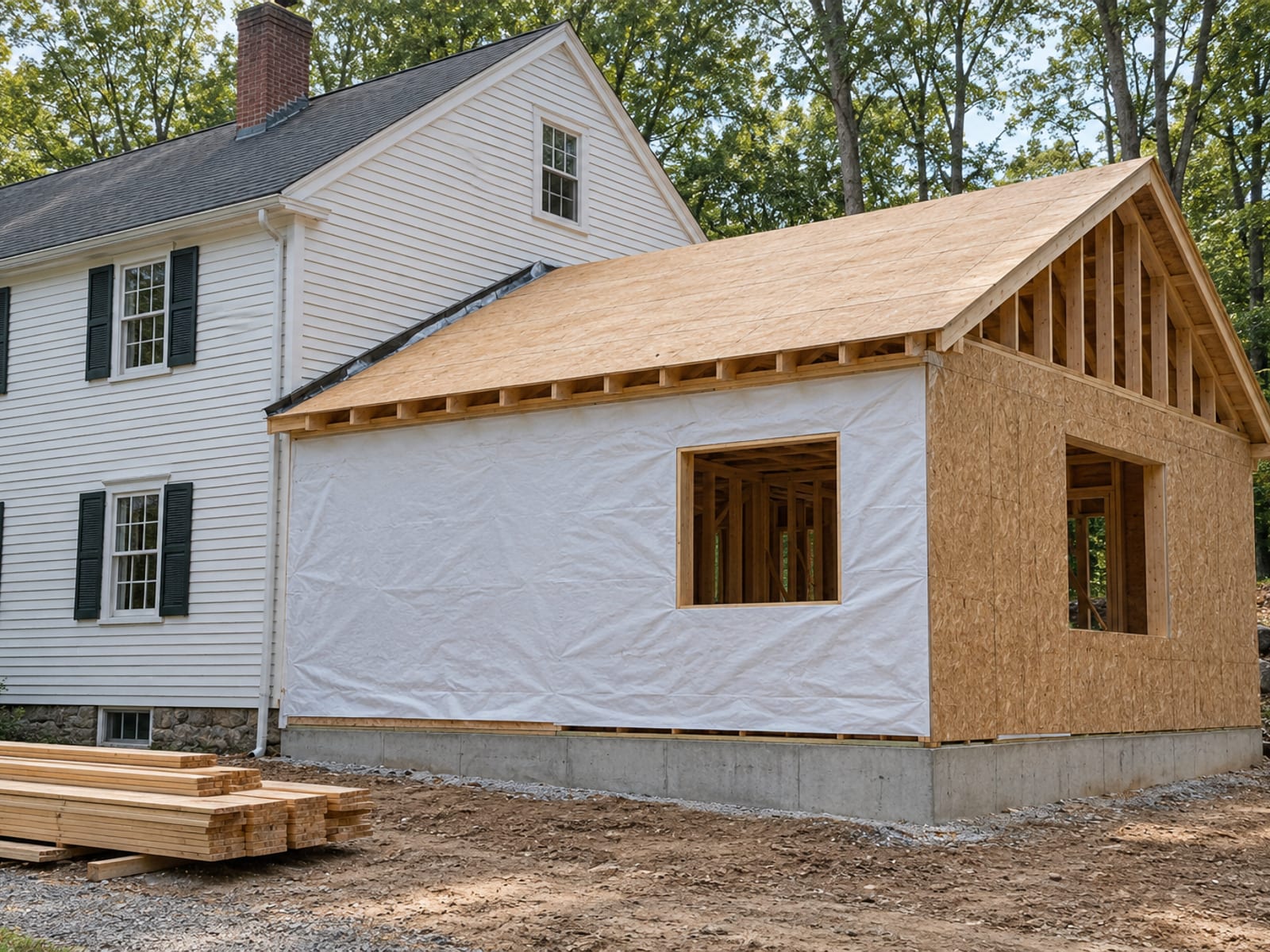
Not every job needs one, and the answer is project-specific. Roofing or siding replacement may be treated differently from structural work, additions, new openings, decks or basement finishing. Submit your scope through the Permit Center and confirm the requirement with the Building Department before you sign.
Skipping a required permit can cause trouble later. Danbury handles unpermitted construction through its Building Department, Permit Center, zoning staff and its Unified Neighborhood Inspection Team. The owner may have to apply for corrective permits, open up concealed work for inspection and close the permit before the work is recognized. Unpermitted work can also complicate a future sale, a lender's review or an insurance conversation. If you already have work done without a permit, ask the Building Department how to legalize it before you continue or list the house.
Inspections happen at stages set by the permit and approved plans, and work should not be covered up before a required inspection is complete. Ask your contractor which inspections apply and who schedules them.
Older Danbury Houses Add Surprises to Exterior Work
Danbury's official housing profile counts 34,798 housing units. Of those, 15.2% were built in 1939 or earlier, 28.1% between 1940 and 1969, and 14.3% between 1970 and 1979. The mix runs from 14,748 detached single-family homes to attached homes, two-family houses and buildings with three or four units.
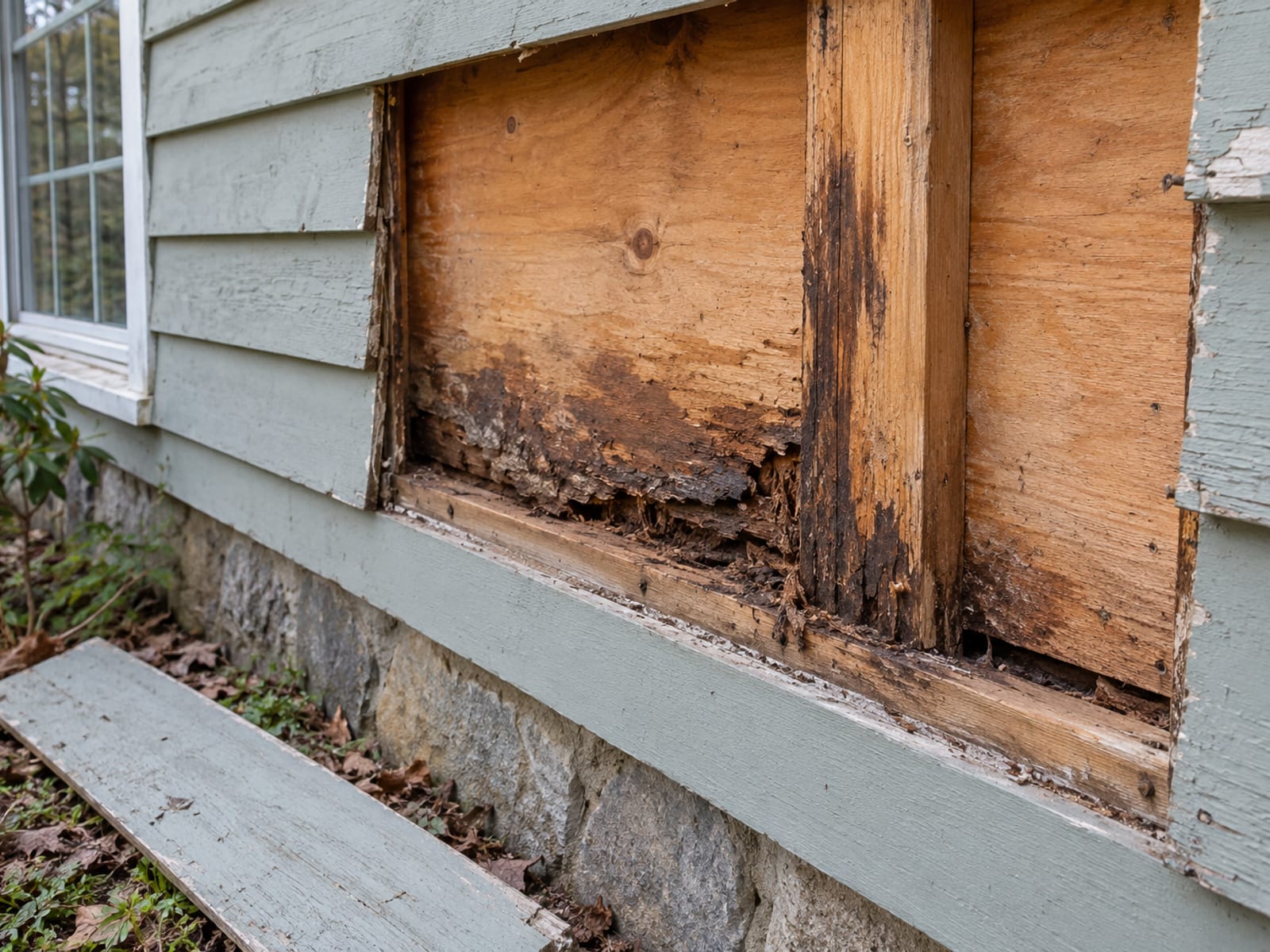
For an exterior project, an older house usually means more to look at before a price can be firm. Roof sheathing, flashing, insulation, attic ventilation, drainage and hidden rot are the usual places where a visible job turns into a bigger one. Ask any bidder to price concealed conditions separately from the visible work, so a surprise behind a wall does not turn into a surprise on your bill.
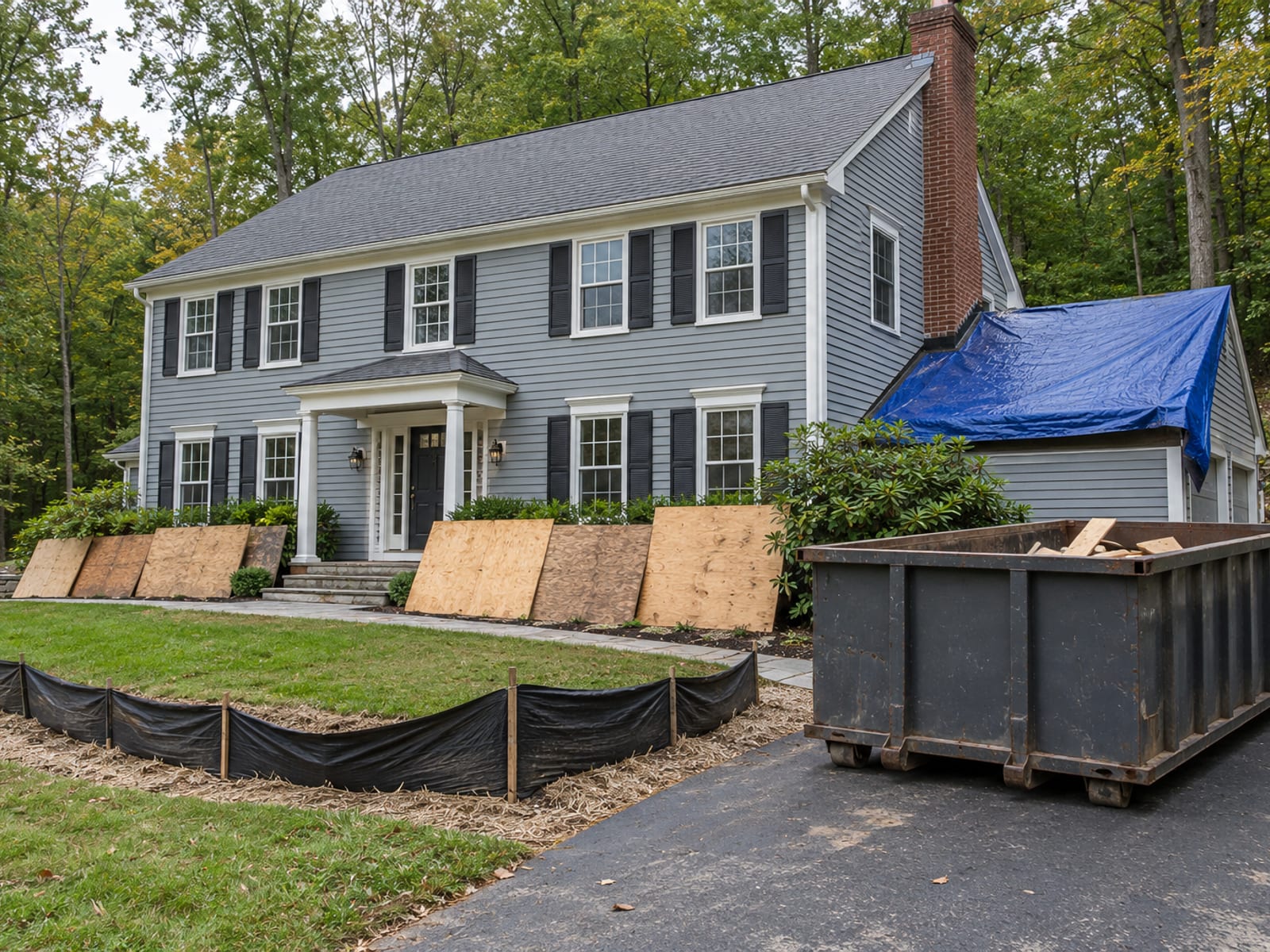
Site conditions matter as well. Danbury identifies construction-site sediment and runoff as stormwater concerns, so ask how a contractor will control runoff and protect your landscaping. Tree cover varies by street and by lot. Connecticut DEEP points to mapping tools in its urban forestry resource library, and a contractor visiting your property can tell you what overhanging limbs mean for access and debris.
A Good Contract Spells Out Price, Payments and Changes
Connecticut's home improvement contract rules are specific. A contract must be written, contain the entire agreement and be signed by you and the contractor or a registered salesperson. It must show the contractor's name, address and HIC registration number, the transaction date, and the start and completion dates. It must describe the work, materials, price, payment method and payment schedule, include the notice of your right to cancel, and put every modification and change order in writing. You should receive a completed copy.
Pricing structure comes next. A fixed-price contract sets a defined scope and total, and a cost-plus contract reimburses defined costs and adds a fee. For cost-plus, the contract should say which labor, materials and subcontractor invoices count, how the fee is calculated and whether there is a guaranteed maximum price. An allowance is a placeholder for items not yet chosen, such as tile or fixtures, and the contract should state its amount, what it covers and how an overage or credit works.
A change order should name the change, the reason, the added or deducted cost, the schedule impact and the new contract total, with signatures. Hidden rot and code corrections are common reasons for changes, and the contract controls how they are handled.
Payments should follow progress. The state's May 2025 guidance recommends payments tied to the work and gives an example of one-third at deposit and materials, one-third at the midpoint and one-third at completion. It warns against paying most of the price up front.
A Registration Check Takes a Few Minutes in eLicense
Before you sign, look up the contractor in the Department of Consumer Protection's eLicense system through its home improvement registration page. Confirm that the legal business name, registration number, active status and expiration date match what is printed on the contract. A mismatch between the name on the contract and the name on the registration is worth a direct question.
Then check whether any part of the project needs a separate license, such as electrical, plumbing, HVAC, asbestos or lead work. The state's guide to hiring a contractor and the Attorney General's home improvement consumer page cover this in detail.
The Department of Consumer Protection also recommends interviewing at least three contractors and getting written estimates. It suggests looking at current and recent jobs, calling recent customers, asking for current liability and workers' compensation documentation and confirming coverage with the insurer. It also advises against choosing a contractor on lowest price alone.
One more protection exists, with limits. The Home Improvement Guaranty Fund may pay up to $25,000 for qualifying losses, but only after a court judgment, and only if the registration, project and filing requirements are met. It is not insurance and it is not automatic reimbursement, so treat it as a last resort rather than a plan.
Questions to Ask Before You Sign, Including With Us
The questions below work for any contractor you are considering, including American Quality Roofing and Siding. We are based in Brookfield, serve Danbury, and hold CT HIC #0633301, which you can look up yourself. Our Danbury roofing and exterior page covers the exterior side of local projects.
Also ask about manufacturer installation requirements and certifications for the products going on your house. A written answer to each question tells you more than a verbal assurance does.
Frequently Asked Questions About General Contractors in Danbury, CT
What is the difference between a contractor and a general contractor?
"Contractor" covers anyone hired to do construction or home improvement work. A general contractor manages the overall project, coordinates subcontractors and schedules the trades, and a specialty contractor does one trade such as roofing or electrical. In Connecticut, the legal question is whether the business is properly registered or licensed for the work it performs.
Does a general contractor need a license in Connecticut?
For residential home improvement work, Connecticut requires registration with the Department of Consumer Protection. Specific trades are regulated separately, so a general contractor who arranges electrical, plumbing or HVAC work must use properly licensed professionals for those parts.
What does a general contractor cost in Danbury?
Connecticut publishes no standard residential fee or markup, so it varies by contractor and scope. One Fairfield County contractor's 2026 article describes cost-plus markups of 10% to 20%. Ask for fees, allowances and markups on separate lines and compare at least three written bids.
Who pulls the building permit, me or the contractor?
Either of you may apply. You remain responsible for making sure the right permit is in place before work starts, so confirm it with Danbury's Building Department and keep the permit number and inspection records.
What happens if I renovate without a permit in Danbury?
You may need to apply for corrective permits, open concealed work for inspection and close the permit. Ask the Building Department how to legalize existing work before you sell or continue the project.
How long do I have to cancel a home improvement contract?
Until midnight on the third business day after signing. Saturdays count as business days, while Sundays and listed legal holidays do not.
Is it cheaper to renovate or to build new?
It depends on the existing structure, site work, code upgrades, utilities and scope. Get project-specific estimates for both before you decide.
Quick Check: Hiring a General Contractor in Connecticut
1. How long can a Connecticut homeowner generally cancel a home improvement contract after signing?
2. Who is responsible for making sure the right Danbury permit is in place before work starts?
3. What does the Home Improvement Guaranty Fund provide?
4. Which payment plan does the state recommend?
5. What should a change order show?
Final Thoughts
A general contractor makes the most sense when your project has several trades or when you would rather have one person responsible for the schedule, the subcontractors and the inspections. A single-trade job may only need a specialty contractor. In both cases, the same steps protect you: verify the registration in eLicense, collect three written estimates on the same scope, confirm the permit with Danbury's Building Department and sign only a contract that names the price, payment schedule and change-order rules.
Taking those steps before the first crew arrives costs a few hours. It can spare you confusion and cost later, particularly in an older Danbury house where the work behind the walls can change the plan.
If you are planning a roof, siding, gutter or other exterior project in Danbury, American Quality Roofing and Siding can walk through the scope with you. We are licensed and insured, CertainTeed ShingleMaster PRO certified, hold an A+ BBB rating and CT HIC #0633301, and we offer free estimates and 24/7 emergency roof services. Request a [free estimate/) or call us, and bring your list of questions.
Serving Danbury, CT
This guide is part of our exterior work in Danbury. See our roofing contractor services in Danbury, CT.
Written by Jose Zaruma, American Quality Roofing and Siding.
← Back to the blog