Roofing Guide
Fiber Cement vs Vinyl Siding in Connecticut: Cost and Upkeep
By Jose ZarumaPublished
- siding materials
- vinyl siding
- siding installation
- connecticut
Vinyl costs less up front and never needs paint, while fiber cement costs more, weighs more and is rated noncombustible by its manufacturer. For most Connecticut homeowners, that gap is the whole decision, and the rest of it comes down to how you feel about repainting and how much a fire rating matters to you.
The 2025 New England Cost vs. Value report puts the average vinyl siding replacement at $17,590 and the average fiber cement job at $20,678. Those are regional averages for defined projects, not a quote for your house, and nothing in a benchmark replaces a written estimate based on your own walls.
Cost is only one side of it. Looks, freeze-thaw winters, painting, permits, resale and the wall hidden behind the siding all point in different directions for different homes. For most houses, the choice settles on four things: budget, appearance, upkeep and fire safety.
Key Takeaways
The 2025 New England Cost vs. Value report lists $17,590 for the average vinyl job and $20,678 for fiber cement, a gap of $3,088, or about 17.6 percent.
Vinyl needs no painting in normal use, while field-painted fiber cement needs repainting, and a factory finish carries a 15-year limited warranty on paint and labor.
Neither material replaces the water-resistive barrier and flashing behind it, so those details belong in every written estimate.
Full siding replacement generally needs local permit review in Connecticut, and only repairs limited to 25 percent of the siding in one calendar year are exempt.
Vinyl Is the Lower Price and Fiber Cement Is the Heavier Build
Vinyl siding is extruded rigid PVC, with additives for color, ultraviolet protection and impact resistance. Fiber cement is a mix of cement, sand and cellulose fibers, pressed into boards that look and feel more like painted wood. Vinyl is light and goes up quickly. Fiber cement is dense, harder to carry and cut, and usually reads as a thicker, more traditional clapboard once it is on the wall.
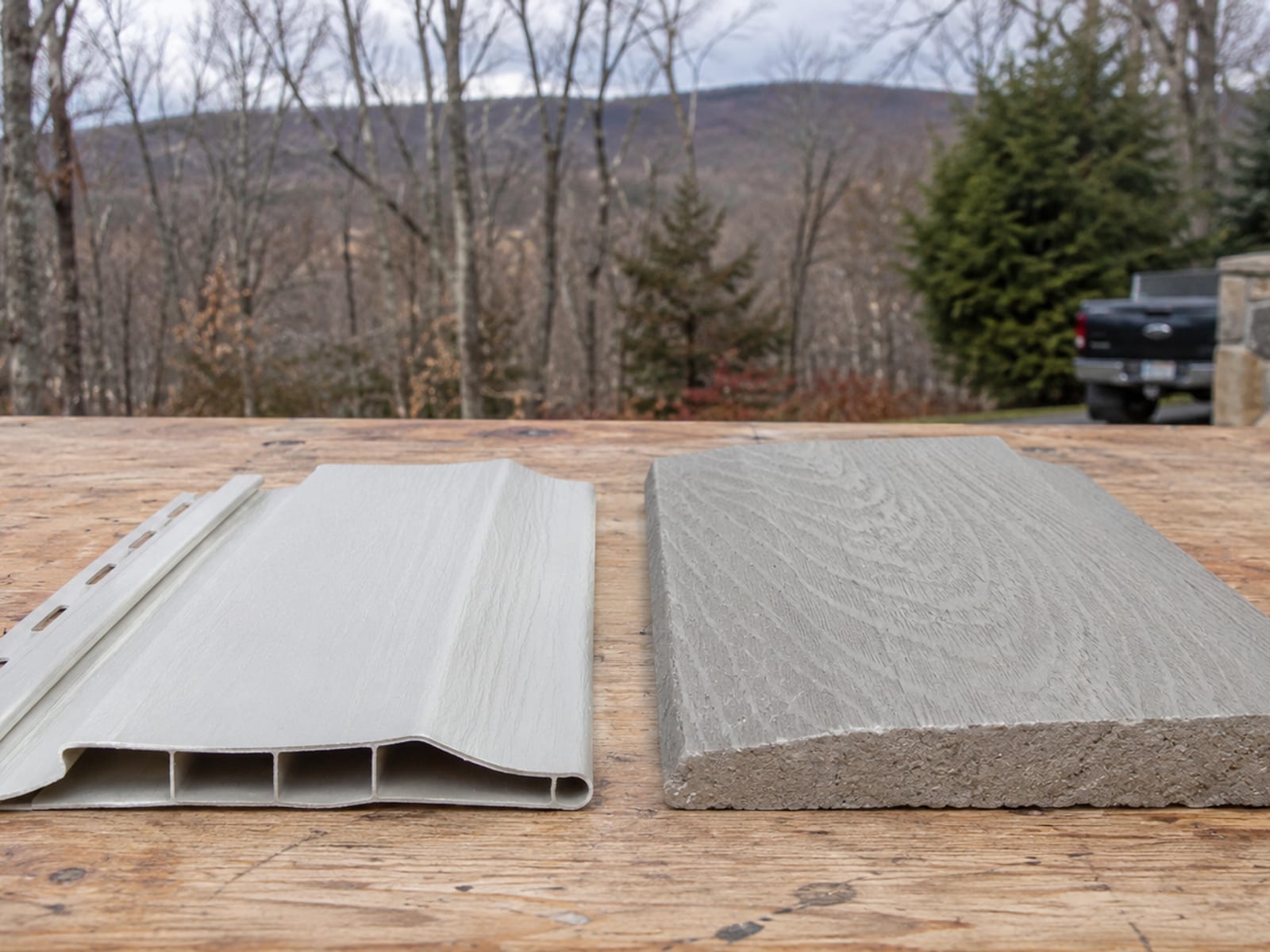
Fire is the other clear split. James Hardie's fire resistance page states that its fiber cement siding is noncombustible and describes vinyl siding as combustible and vulnerable to heat damage. That is a manufacturer's statement about its own product, and it applies to the siding as tested. Paint, trim, insulation, sheathing and the full wall assembly matter too. If fire exposure is a real worry for your lot, the rating deserves weight. If it is not, it may not justify the extra cost.
Resale is where homeowners hear the loudest claims. The same Cost vs. Value report estimates resale value at $16,314 for vinyl, which is 92.7 percent of its job cost, and $29,963 for fiber cement, which is 144.9 percent. These are regional estimates, not guaranteed sale proceeds, and they do not promise that either material will raise the price of a particular house. Use them to compare materials, not to forecast a sale.
Neither Material Replaces the Wall Behind It in a Connecticut Winter
Connecticut siding takes a lot of weather. NOAA's Connecticut climate summary lists a February 2013 blizzard that dropped 36 inches of snow in 24 hours at Ansonia, 54.3 inches of snow at Hartford's Bradley International Airport in January 2011, and hurricane-force winds from landfalling hurricanes seven times between 1900 and 2019. Add nor'easters, ice, freeze-thaw cycles and summer thunderstorms, and the siding is working hard in every season.
For moisture, both materials depend on what sits behind them. The Vinyl Siding Institute describes vinyl as moisture-resistant and able to act as a rainscreen, but says plainly that vinyl is not the water-resistive barrier and has to be installed with the wall's barrier and flashing system. According to James Hardie's FAQ, its fiber cement is water resistant and engineered for specific climates. Even so, water that gets behind either one through a missing flashing or a bad window transition ends up in the wall.
Wind is a little different for each. The Vinyl Siding Institute's installation manual says certified vinyl products carry design-pressure ratings and must be fastened according to the product's wind-load instructions, and it names light weight as one reason correctly installed vinyl can resist high wind. James Hardie says its siding is engineered to resist wind, hail and moisture, which is a manufacturer claim and still depends on correct installation.
Hail and impact deserve a question at the estimate stage. Vinyl can be damaged by impact depending on its thickness, backing and the temperature that day. Fiber cement is thicker and heavier, but boards can crack if they are mishandled or struck. Ask for the product-specific impact rating on whatever is proposed, and ask what wind-pressure rating applies to the vinyl line.
The Installation Price Includes More Than the Boards
A siding job is a wall job. Before the first board goes up, the old siding comes off, any wet or rotted sheathing gets repaired, and a water-resistive barrier goes on. Flashing goes in around windows, doors and the roof-to-wall joints, and trim and corners get set. The siding is the visible part, but each of those steps shows up as a line in a good estimate.
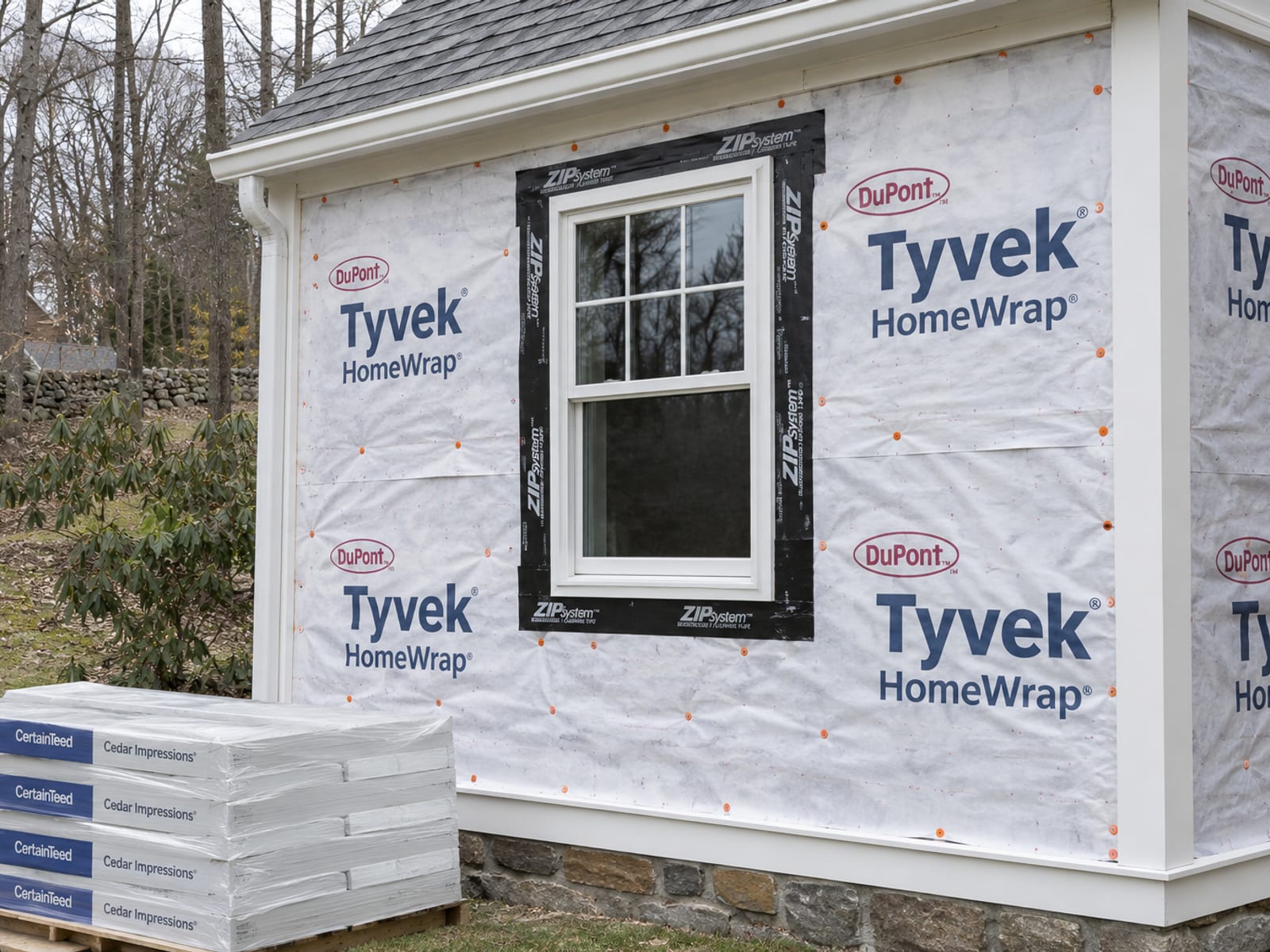
Vinyl has its own installation sensitivities, mostly around fastening and expansion room. Nailed too tight, panels cannot move with temperature changes and can buckle. In both cases, the manufacturer's installation instructions are what the warranty rests on, so it helps to ask which instructions will govern the job. James Hardie keeps its installation instructions online, and the Vinyl Siding Institute publishes the manual linked above.
The wall has to pass local review as well. Connecticut's current code is the 2022 Connecticut State Building Code, which adopts the 2021 International Residential Code for permit applications filed from October 1, 2022. The state building code page lists it, and the code exempts only siding repairs limited to 25 percent of the building's siding within one calendar year. A full replacement is generally handled through the town's building department, and local rules differ. East Haven's building permit page is one example. It lists installation of siding as work requiring a building permit and says the owner, agent or contractor schedules the inspections.
New England Benchmarks Put Vinyl Below Fiber Cement, and Your Walls Set the Real Number
The 2025 Cost vs. Value figures for New England, side by side: The figures come from the Journal of Light Construction's report on defined remodeling projects and cover the whole region, not just Connecticut.
2025 New England Siding Replacement Benchmarks
Average Job Cost: $17,590
Estimated Resale Value: $16,314
Cost Recouped: 92.7%
Tap a factor to see how it moves the price.
The fiber cement benchmark is $3,088 higher than the vinyl one, about 17.6 percent more. The report's resale numbers are estimates, and they should be read as a comparison of regional remodeling assumptions. Where the report defines house size, siding area, trim and removal in its own way, your house will differ, so the benchmark should not be held up against a contractor's estimate line for line.
What actually moves a Connecticut quote is the siding area, not the interior floor area, which is why a 2,000-square-foot house cannot be priced from its floor plan alone. The number of stories and the roof height change the scaffolding and the labor. Dormers, gables and corners add cuts and trim. Removal and disposal, sheathing or rot repair, housewrap, flashing, windows and doors, trim, insulation, the product profile, a factory finish versus field painting, permit and inspection costs, access and weather delays all land in the total. Fiber cement also carries labor for handling and dust control.
If you want the vinyl side in more detail, our guide to vinyl siding cost in Connecticut breaks down what shapes that price. And if you are still deciding whether the old siding needs replacing at all, the page on siding repair versus replacement covers that decision.
Paint, Cleaning and Service Life Set the Long-Term Cost
Service life depends on who you ask, and the dates matter. James Hardie's January 2024 siding terminology guide gives fiber cement a general lifespan of 50 years and above, and vinyl 20 to 40 years, both depending on temperature, sun, rain, severe weather and installation. The Vinyl Siding Institute's 2022 environmental product declaration uses a 50-year reference service life for vinyl installed to the manufacturer's instructions. Those are two different assumptions from two interested sources, so treat both as ranges, not promises.
Warranties are easier to compare than lifespans. James Hardie's FAQ states a 30-year non-prorated warranty on its fiber cement products, and a 15-year limited warranty on its ColorPlus factory finish covering paint and labor for peeling, cracking and chipping. It also says that traditional vinyl siding and field-applied paint fade in sunlight, while ColorPlus finishes are UV resistant. A warranty period is not a guaranteed service life, and the terms apply only to the named product.
Painting is the real maintenance difference. Vinyl does not need it in normal use. Field-painted fiber cement needs repainting and caulk upkeep, often every 10 to 15 years depending on exposure and paint quality. Confirm the schedule for the exact product, finish and paint system on your quote. A factory finish moves some of that burden into the original price.
Vinyl and Fiber Cement Side by Side
Vinyl: None in normal use
Fiber Cement: Field-painted boards need repainting; factory finish has a 15-year limited warranty
Tap a factor to see how it moves the price.
Colonials, Capes and Historic Districts Each Pull the Choice a Different Way
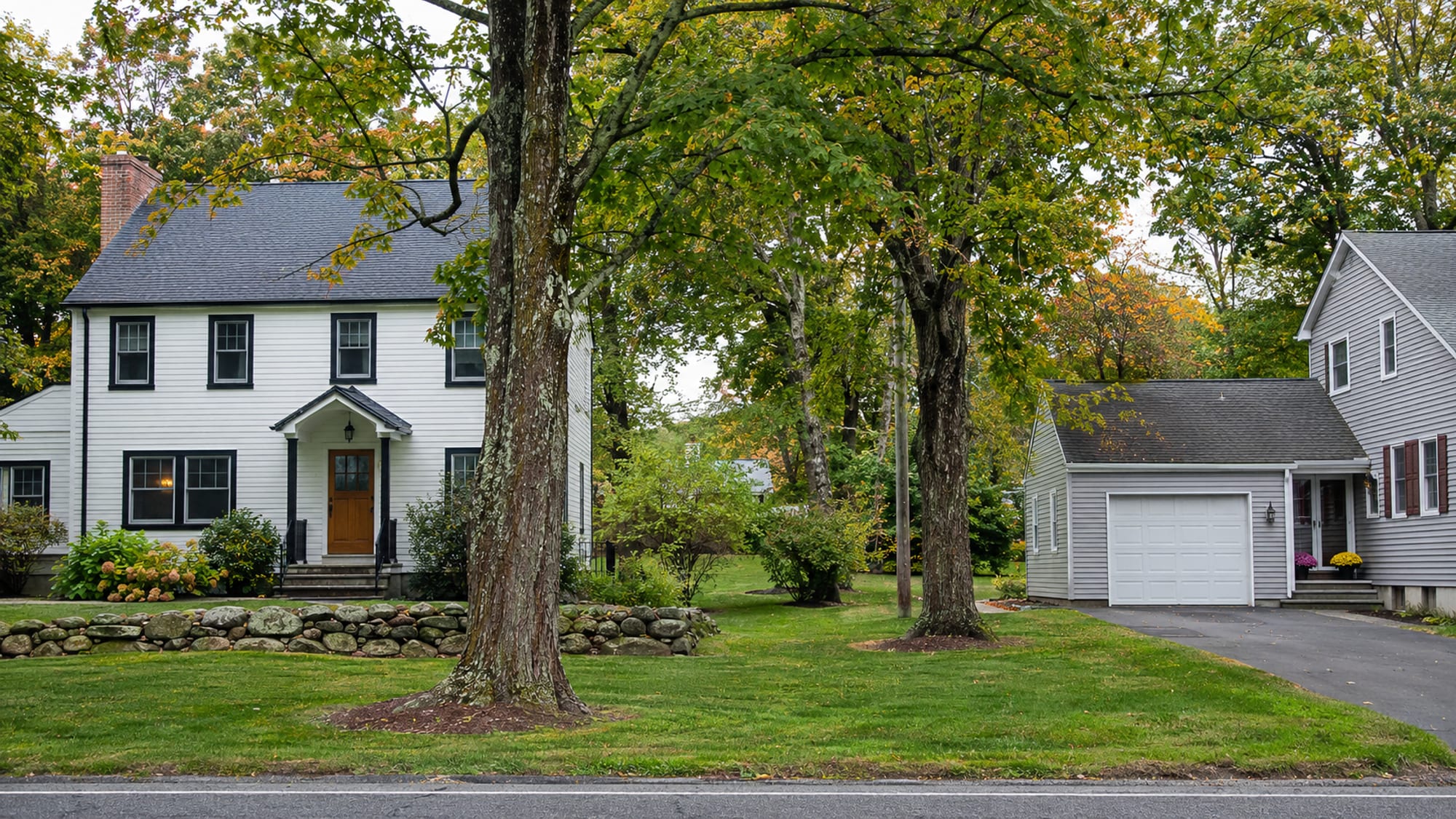
A colonial usually suits horizontal lap siding in either material. Fiber cement gives a heavier clapboard look that pairs well with contrasting trim, while vinyl comes in more profiles and goes up with a lighter system. On a Cape, horizontal lap works too, along with shakes, shingle-style accents or board and batten accents on gables. Vinyl fits when light panels and the lower price are the priorities. Fiber cement fits when you want a thicker, more wood-like face or noncombustible cladding.
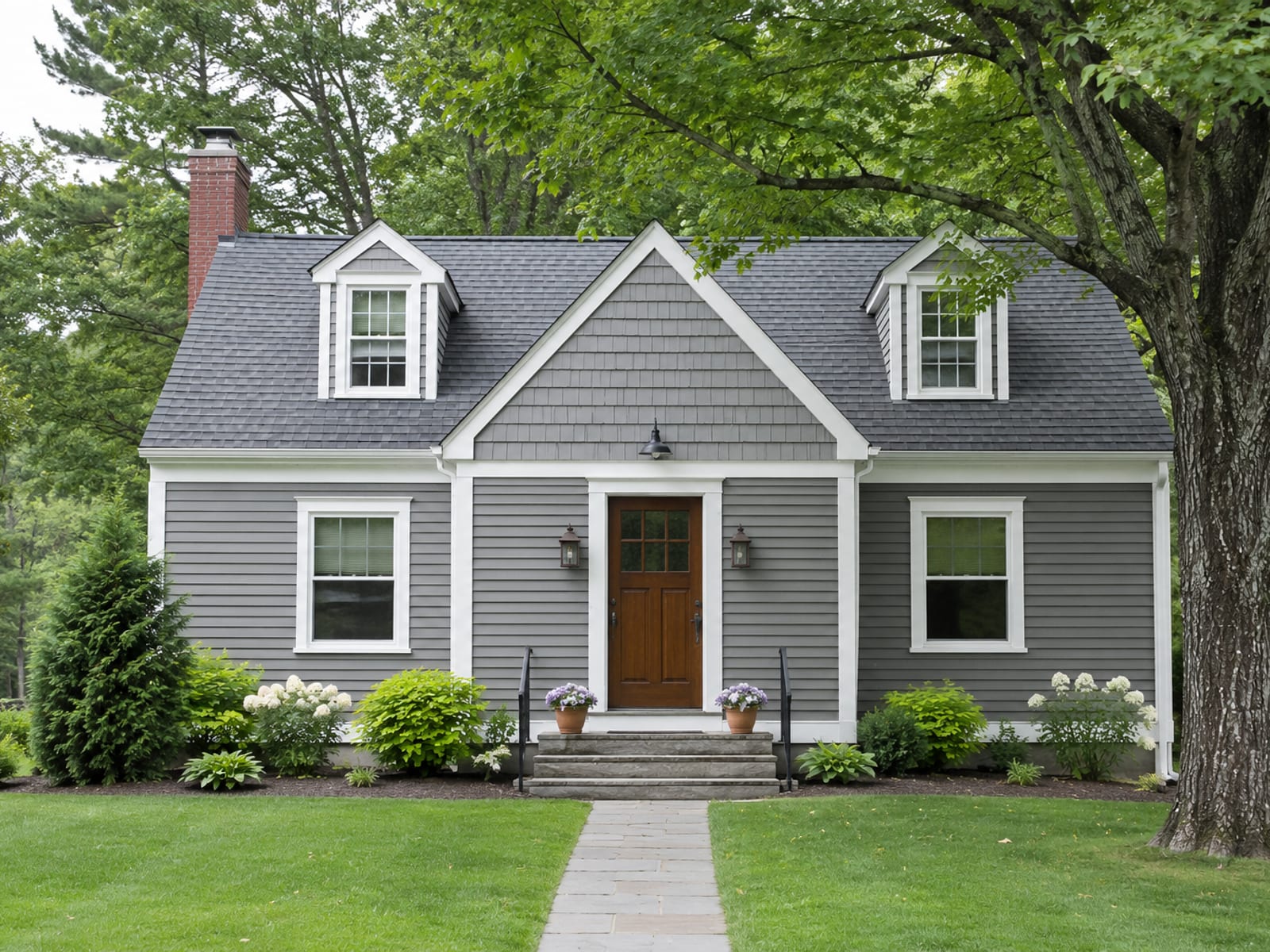
Your lot matters as much as your house. A home that gets hard sun on one side and deep shade on another ages unevenly in either material. Heavy snow and ice on a north wall call for clean flashing and drainage detail. Ask any contractor you talk to how those exposures change the recommendation for your elevations, not just for the house in general.
A Written Scope and a Registered Contractor Make Quotes Comparable
Quotes only compare when they cover the same work. The Connecticut Department of Consumer Protection recommends getting at least three written estimates, and the home improvement page explains that contractors and salespeople must be registered with the state. Check the contractor's active registration through the state's eLicense portal, ask for proof of general liability insurance, and confirm the policy with the insurer. DCP identifies $20,000 as the minimum general liability coverage required for registration.
The written contract has to carry specific items. DCP's contract checklist lists the contractor's name and address, HIC registration number, signatures, dates, project description, materials, price, payment schedule, permit responsibility, cleanup responsibility and a three-business-day cancellation notice. Saturday counts as a business day for that notice. DCP's consumer news release from 2025 repeats that the homeowner and contractor should agree on who obtains the permit, and the state's guide to working with a home improvement contractor advises against cash or app deposits and against paying the full amount up front.
Line up these scope items across every estimate before you compare the totals.
Scope Items to Compare Across Written Estimates
Whether old siding comes off and who hauls it away
Tap a factor to see how it moves the price.
Also ask for the exact product and profile, which manufacturer instructions govern, whether the installer is certified by the product manufacturer or a trade association, and what the product, finish and workmanship warranties say. Certification is worth asking about, but it does not replace the HIC registration. Common mistakes include comparing different scopes, accepting a quote without removal and wall repairs spelled out, overlooking permit responsibility, and choosing by material name rather than by the product specification. Our siding installation page describes the moisture-barrier, flashing and trim work we put into a replacement.
New Siding Lasts Longer When Winter and Storm Care Starts on Day One
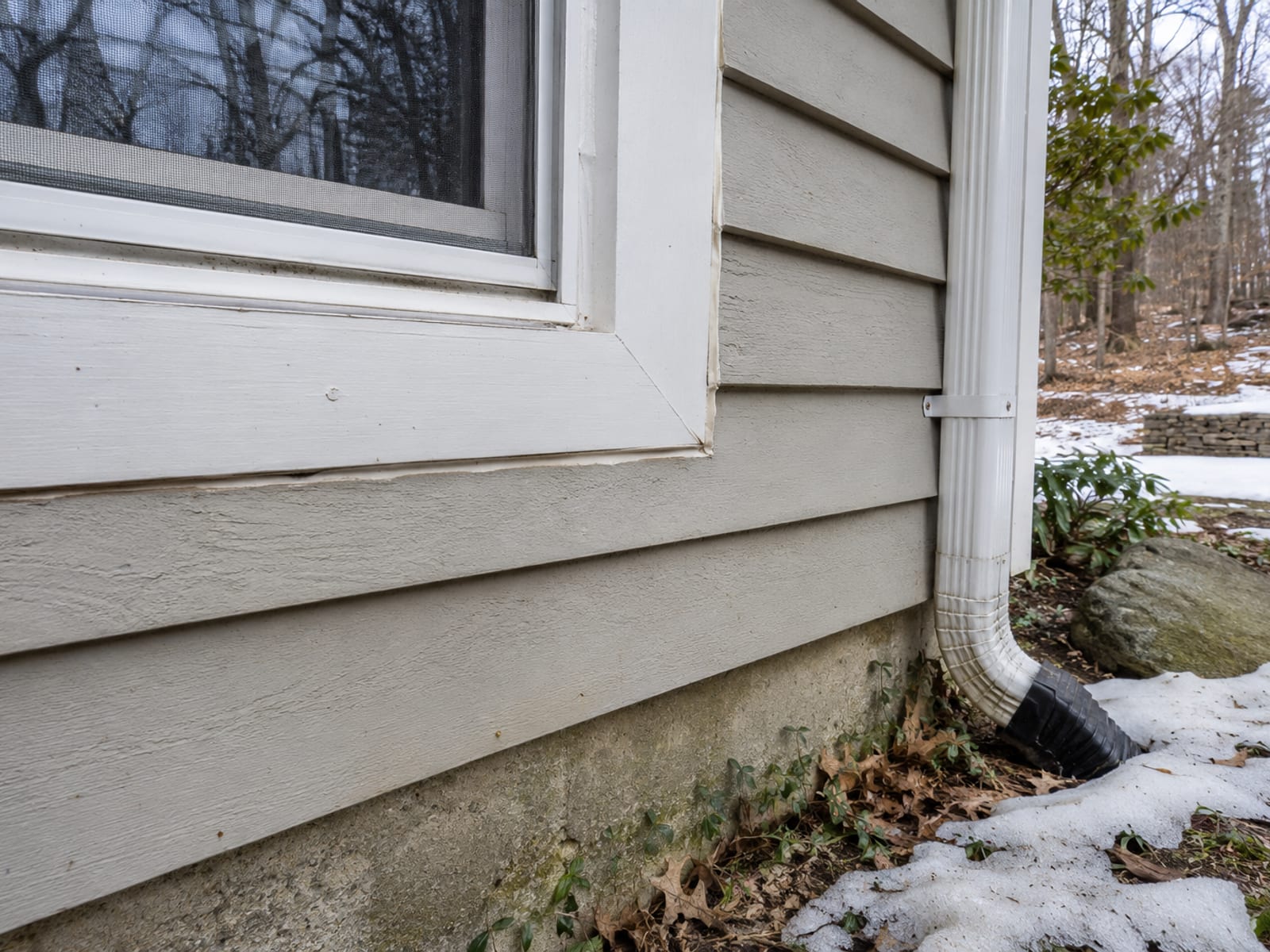
Once the siding is on, a few habits protect it. Keep gutters and downspouts working so roof runoff does not pour down the wall. Look at caulk lines and trim after a hard winter, and after any storm with strong wind or falling branches, from the ground. Cracked boards from mishandling, failed caulk, missing flashing and loose fasteners are the common risk points on fiber cement, and these are installation and upkeep issues, not proof that any one product will fail.
Frequently Asked Questions About Fiber Cement vs Vinyl Siding in Connecticut
Which is better for Connecticut homes, fiber cement or vinyl siding?
Neither is better for every house. Vinyl is lighter, lower in the 2025 New England benchmark and needs no painting. Fiber cement has a longer manufacturer-stated lifespan, is noncombustible and has a heavier, wood-like look. The right pick depends on your budget, the look you want, your tolerance for repainting and how much weight you give the fire rating.
How much does fiber cement siding cost for a 2,000-square-foot house?
Interior floor area alone cannot price a siding job, because the cost follows the siding area and the work behind it. The 2025 New England benchmark reports $20,678 for its defined fiber cement project and $17,590 for its vinyl project. These are regional averages and not a quote, so ask for itemized estimates based on measured wall area.
How long does fiber cement siding last compared with vinyl?
James Hardie's January 2024 guide gives fiber cement 50 years and above and vinyl 20 to 40 years. The Vinyl Siding Institute's 2022 declaration uses a 50-year reference life for vinyl installed to instructions. Exposure, weather, the specific product and the quality of installation all affect real results.
How often does fiber cement need painting?
Field-painted fiber cement often needs repainting every 10 to 15 years, depending on exposure and paint quality. A ColorPlus factory finish carries a 15-year limited warranty on paint and labor, so ask what schedule applies to the exact product and finish on your estimate.
Is it worth replacing vinyl siding with fiber cement?
It can be, when you want a heavier wood-like look, noncombustible cladding, a longer stated lifespan or a factory finish. It may not be when the vinyl is sound and your main goals are the lowest price and minimal painting. If the question is repair or replacement, our page on siding repair versus replacement is a good next stop.
Do I need a permit to replace siding in Connecticut?
Full siding replacement generally needs local permit review. The state code exempts only repairs limited to 25 percent of the siding within one calendar year. Local rules differ, so ask your town's building department about permit type, inspections and whether zoning or historic approval applies, and settle in the contract who pulls the permit.
Quick Siding Knowledge Check
1. In the 2025 New England Cost vs. Value report, which material had the higher average job cost?
2. Does either vinyl or fiber cement replace the water-resistive barrier and flashing behind it?
3. What does Connecticut's building code exempt from permits for siding?
4. What should be in a written Connecticut home improvement contract?
5. Before finalizing siding on an older home in a local historic district, what should you do?
Final Thoughts
Vinyl and fiber cement both make a good wall when they are installed to the maker's instructions over a sound barrier and clean flashing. Vinyl gives you the lower price and no painting. Fiber cement gives you a heavier look, a noncombustible rating and a factory finish option, at a higher cost and with more upkeep if you paint it in the field. Your budget, your house and your own patience for maintenance settle which one fits.
Choosing with the written scope in front of you also protects what you spend, because a quote that lists removal, repairs, barrier, flashing, trim, finish, permits and cleanup leaves no surprises later.
At American Quality Roofing and Siding, we have served Central and Western Connecticut since 2006 from our base in Brookfield, and we are licensed and insured under CT HIC #0633301. If you are choosing between vinyl and fiber cement, request a free estimate or give us a call, and we will measure your walls and write up the scope so you can compare real numbers.
Written by Jose Zaruma, American Quality Roofing and Siding.
← Back to the blog