Roofing Guide
How Often Should You Get a Roof Inspection in Connecticut?
By Jose ZarumaPublished
- roofing
- roof inspection
- roof maintenance
- connecticut
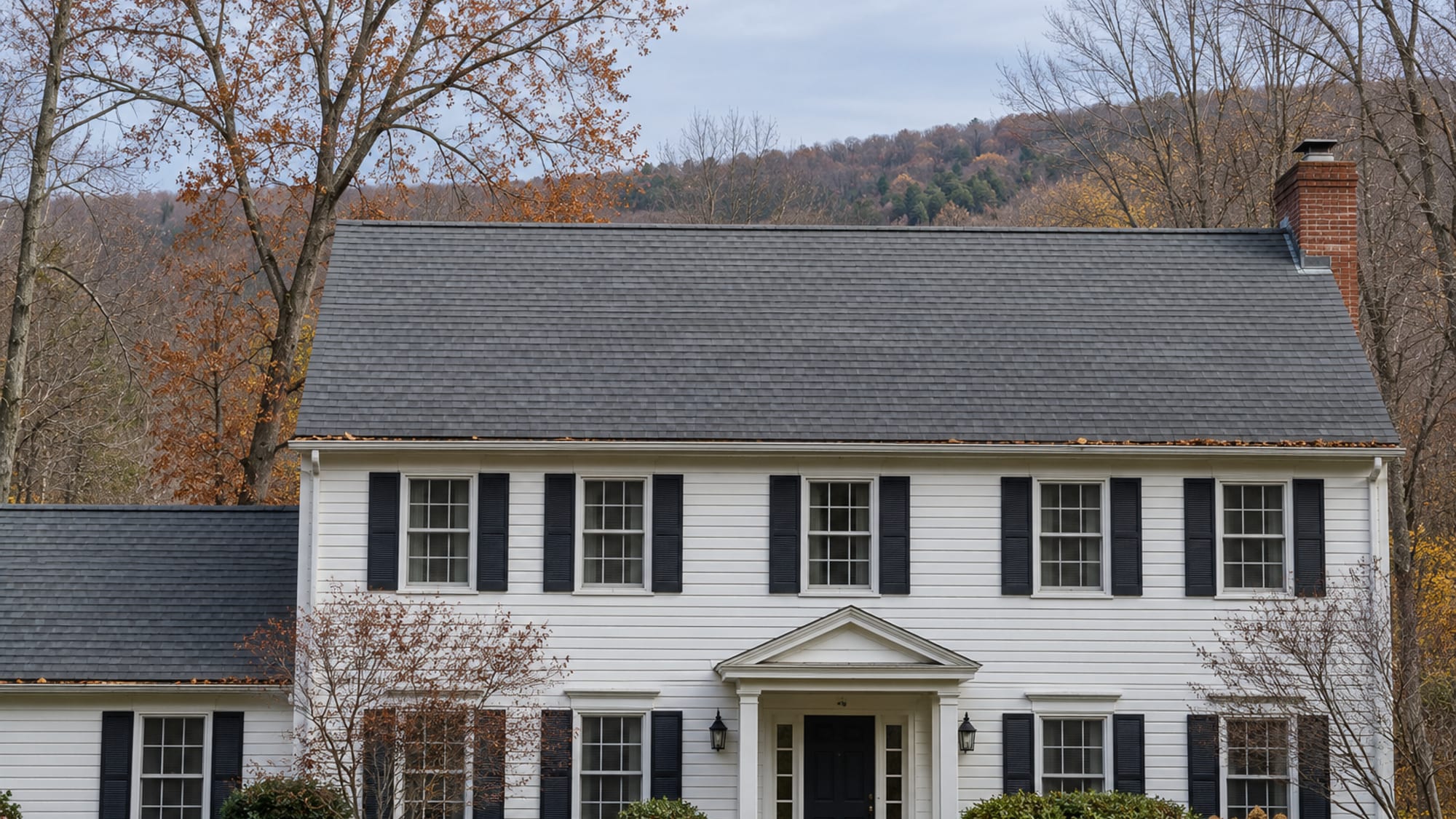
Plan on checking your roof twice a year, once in spring and once in fall, and again after any severe storm. That is the schedule the National Roofing Contractors Association recommends for roof systems. It is maintenance advice, not a Connecticut code requirement, but it is a pace that can catch small problems while they are still small.
If your roof is 15 to 20 years old, the checks matter more. That is also the age range where insurers start paying attention. The Connecticut Insurance Department's February 2026 advisory says many insurers set eligibility limits of 15 to 20 years for asphalt and other non-permanent roofing materials.
Some of the checking you can do yourself, from the ground. Some of it needs a professional on the roof and in the attic. Knowing which is which saves you money and keeps you off a ladder.
Key Takeaways
The National Roofing Contractors Association recommends inspecting a roof at least twice a year, preferably in spring and fall, plus after severe weather. It is guidance, not a Connecticut rule.
You can spot many warning signs from the ground, and you should never climb onto a wet, icy or damaged roof to look.
Connecticut's consumer protection department reported on July 14, 2025 that roof inspections typically run $250 to $300, and that an inspection is different from a free estimate.
Insurer age limits of 15 to 20 years for asphalt roofs are underwriting limits, not a rule that a 20-year-old roof must be replaced.
How Often Should a Connecticut Roof Be Checked?
The NRCA's recommendation is at least twice a year, preferably in spring and fall, with an extra check after major or severe weather. The NRCA published that guidance in 2013. It does not set a mandatory inspection schedule for Connecticut or anywhere else, so treat it as a maintenance habit, like servicing a furnace.
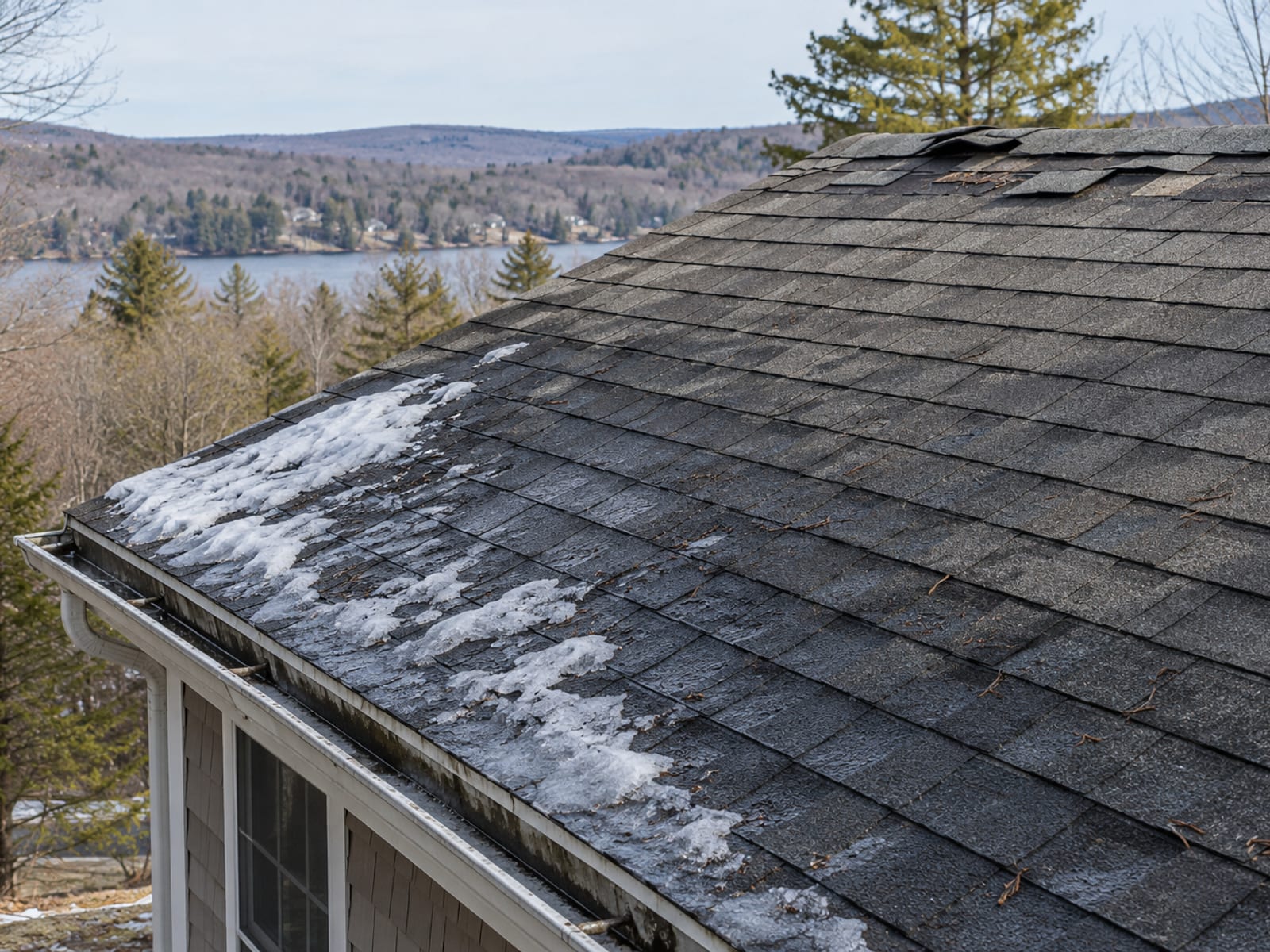
Beyond the calendar, a few situations make a professional look worth arranging this week: a roof that is 15 to 20 years old, visible deterioration, a past leak, or exposure to hail, high wind, heavy snow, ice dams or a falling tree. Any one of those is reason enough, even in the middle of the season.
What Can You Check From the Ground Between Visits?
Between professional visits, walk around the house and look up. A pair of binoculars helps. You are looking for changes since your last check, and these are the signs worth writing down:
- Missing, lifted, curled, cracked or split shingles.
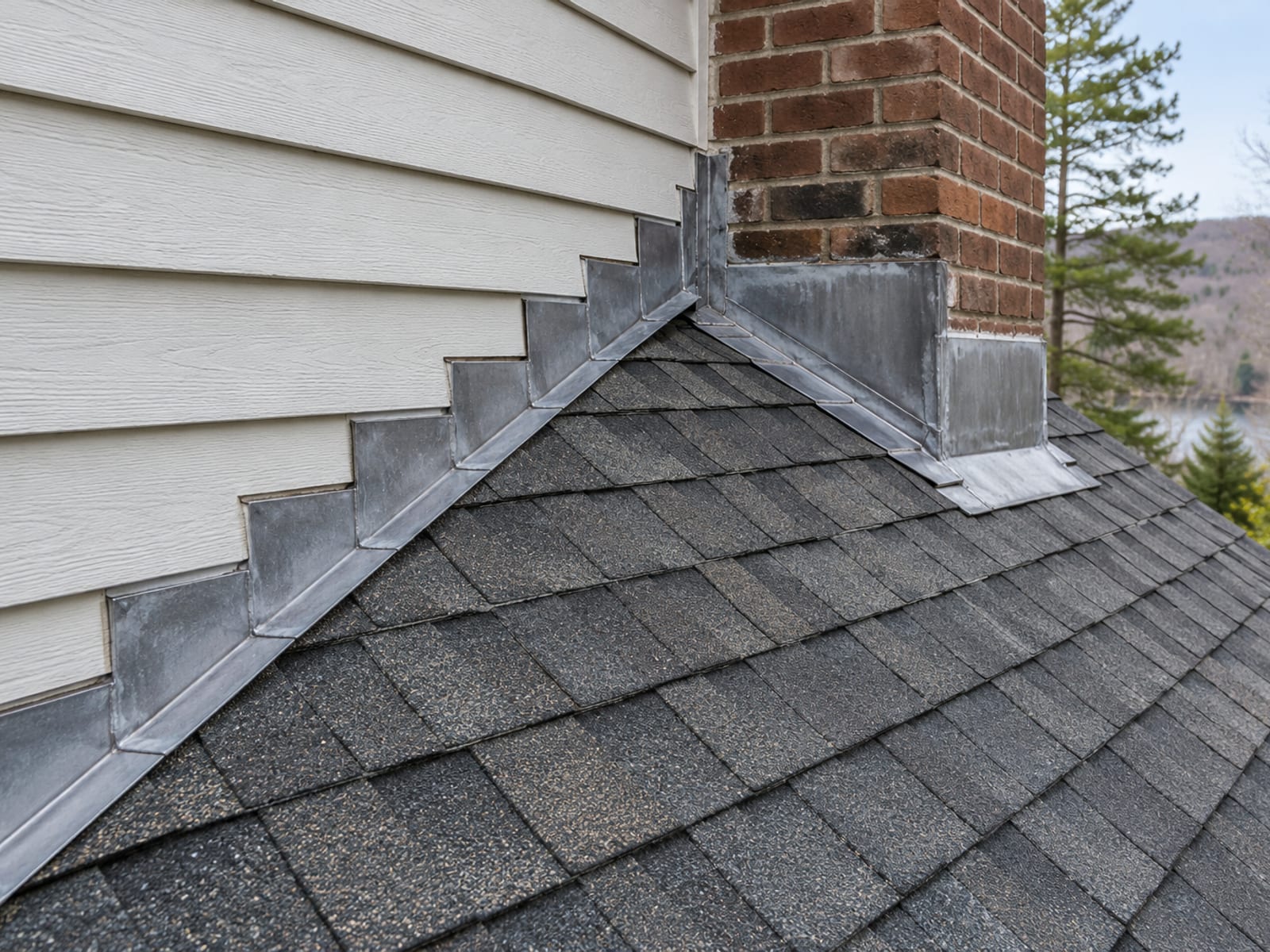
- Damaged metal around chimneys, sidewalls, skylights and plumbing vents.
- Sagging roof lines.
- Granules or shingle pieces in the gutters and downspouts, or gutters that are blocked, overflowing or pulling away.
- Tree limbs touching or hanging over the roof.
Then go inside. Ceiling stains, damp insulation, a musty smell in the attic or fresh water marks along the rafters can mean water is getting in even when the outside looks fine. ENERGY STAR lists wet insulation, moldy or rotted rafters, and little or no attic ventilation among the conditions that need a professional's attention, and an ice-dam history belongs on that list too.
Stay off the roof itself. A wet, icy or damaged roof is dangerous to stand on, and a fall costs far more than any repair. If something looks wrong from the ground, take photos and call someone.
Which Storms Call for a Professional Look?
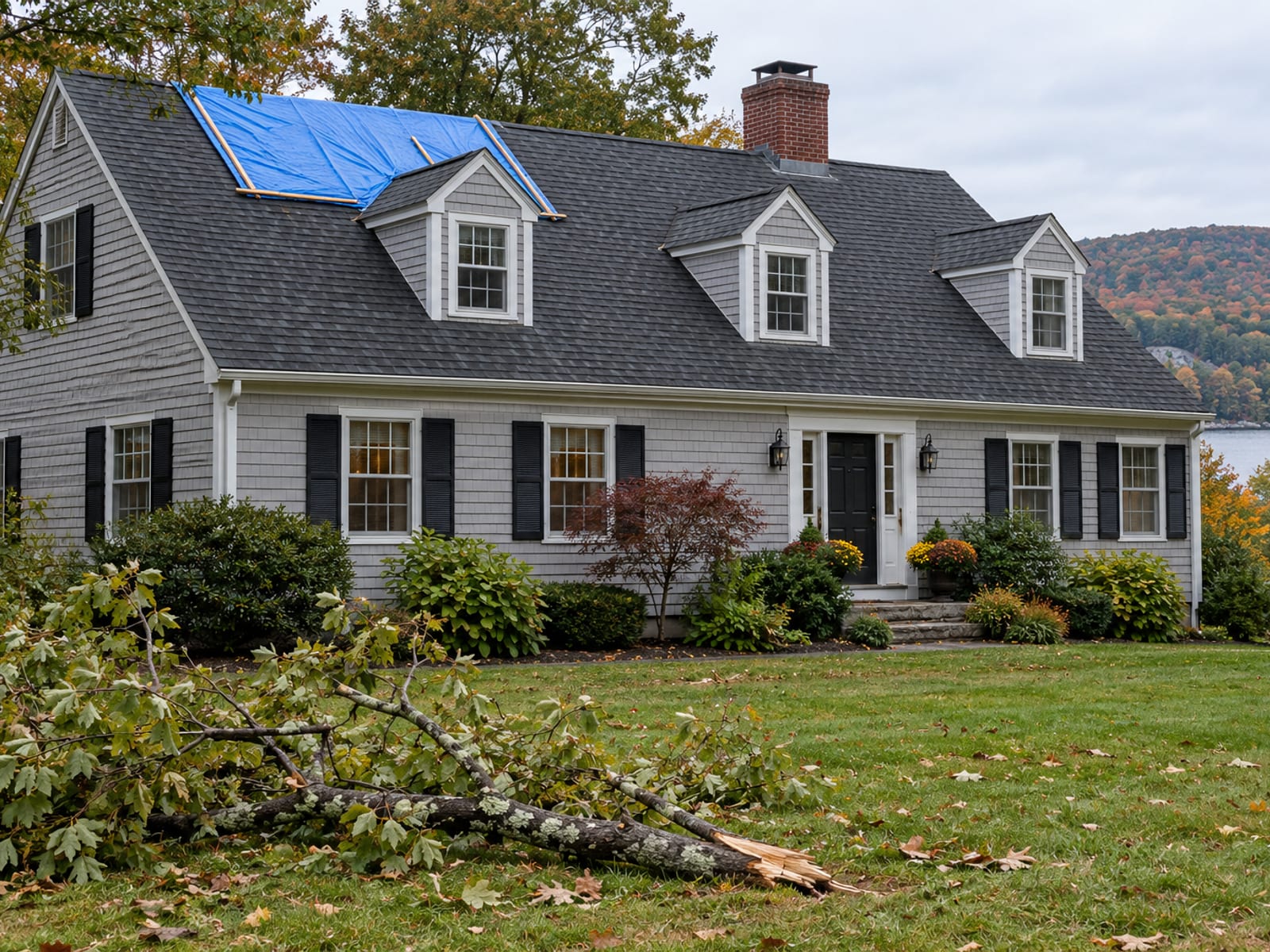
High wind, hail, heavy snow, ice-dam conditions, falling limbs and a nor'easter are all reasons to schedule a check, because they can loosen shingles, tear flashing, clog drainage and strain the roof edges and attic ventilation. NOAA's Storm Events Database records Connecticut hail, wind, snow and winter weather events by county, which can help you confirm what actually hit your area and when.
The order of steps after a storm matters, especially if an insurance claim is possible. The Connecticut Insurance Department's winter claim tips say to make the repairs needed to prevent further damage, but to hold off on permanent repairs until the insurer has inspected.
- Photograph the roof from safe spots on the ground and photograph any ceiling stains or interior damage. Write down the storm date and what you saw.
- Protect the inside with temporary measures and keep every receipt.
- Contact your insurer promptly.
- Wait on permanent repairs until the insurer has had a chance to inspect, unless safety or stopping water requires action sooner.
- Be cautious with unsolicited contractors who offer a free inspection right after a storm.
That last step has state backing. The Department of Consumer Protection's roofing scam advisory warns against unsolicited storm solicitations, high-pressure sales and inflating an insurance deductible. If an inspection does turn up storm damage, that leads into storm damage repair and, often, an insurance claim.
What Does a Professional Roof Inspection Cover?
A professional roof inspection looks at the roof as a system, which goes well beyond counting damaged shingles. The NRCA describes a thorough visual inspection of the roof and the surfaces that meet it, including sidewalls and chimneys. For an asphalt-shingle roof, that usually means the covering, the edges and transitions, the flashing, the drainage and the attic.
The kind of inspection changes the focus. A routine check looks for wear. A storm inspection looks for new damage and documents it. An insurance inspection looks at the age and condition factors an insurer cares about. A pre-purchase or pre-sale inspection records the roof's current condition so everyone starts from the same facts.
There is no single statewide pass or fail standard for a routine maintenance inspection. What the inspector finds is a list of conditions, and a single defect may point to a repair while widespread problems point to something larger. Widespread shingle curling or cracking, repeated or active leaks, soft or sagging decking, extensive storm damage and heavy attic moisture or rot are the findings most likely to lead to a replacement conversation. For one failed flashing or a patch of lifted shingles, roof repair is often the answer. For how long shingles usually last here, see asphalt shingle roof lifespan in Connecticut.
What Does a Roof Inspection Cost in Connecticut?
Connecticut's Department of Consumer Protection reported on July 14, 2025 that roof inspections typically are not free, and gave an average range of $250 to $300. That is a figure the department published as typical practice, not a regulated fee, so quotes will differ. The same advisory draws a useful line: an inspection looks for damage you do not know about, while an estimate prices work that has already been identified.
The price can move with the roof and with what you ask for: roof size and complexity, the number of planes, valleys, dormers, skylights and chimneys, roof height and access, whether attic access is included, whether the inspection follows a storm or an insurance claim, whether you want a written report, photographs, drone imagery or moisture investigation, and how far the crew has to travel. The DCP figure does not say which of those extras are included, so ask.
Ask any company the same short list, including American Quality Roofing and Siding. Put the answers in writing before you book.
Questions to Ask Before Booking an Inspection
Attic access, photos and drone imagery are not always part of the price
Tap a factor to see how it moves the price.
A free estimate for a repair or replacement you already know you need is a different service from an inspection, and both are reasonable to ask for. Just know which one you are asking for when you call.
Does a 20-Year-Old Roof Have to Be Replaced?
Not automatically. No Connecticut law sets a replacement age for a house roof, and replacement depends on the material, the installation, ventilation, weather exposure, maintenance, storm damage and current condition. The inspections you schedule are what show whether a roof needs continued maintenance, a repair or replacement.
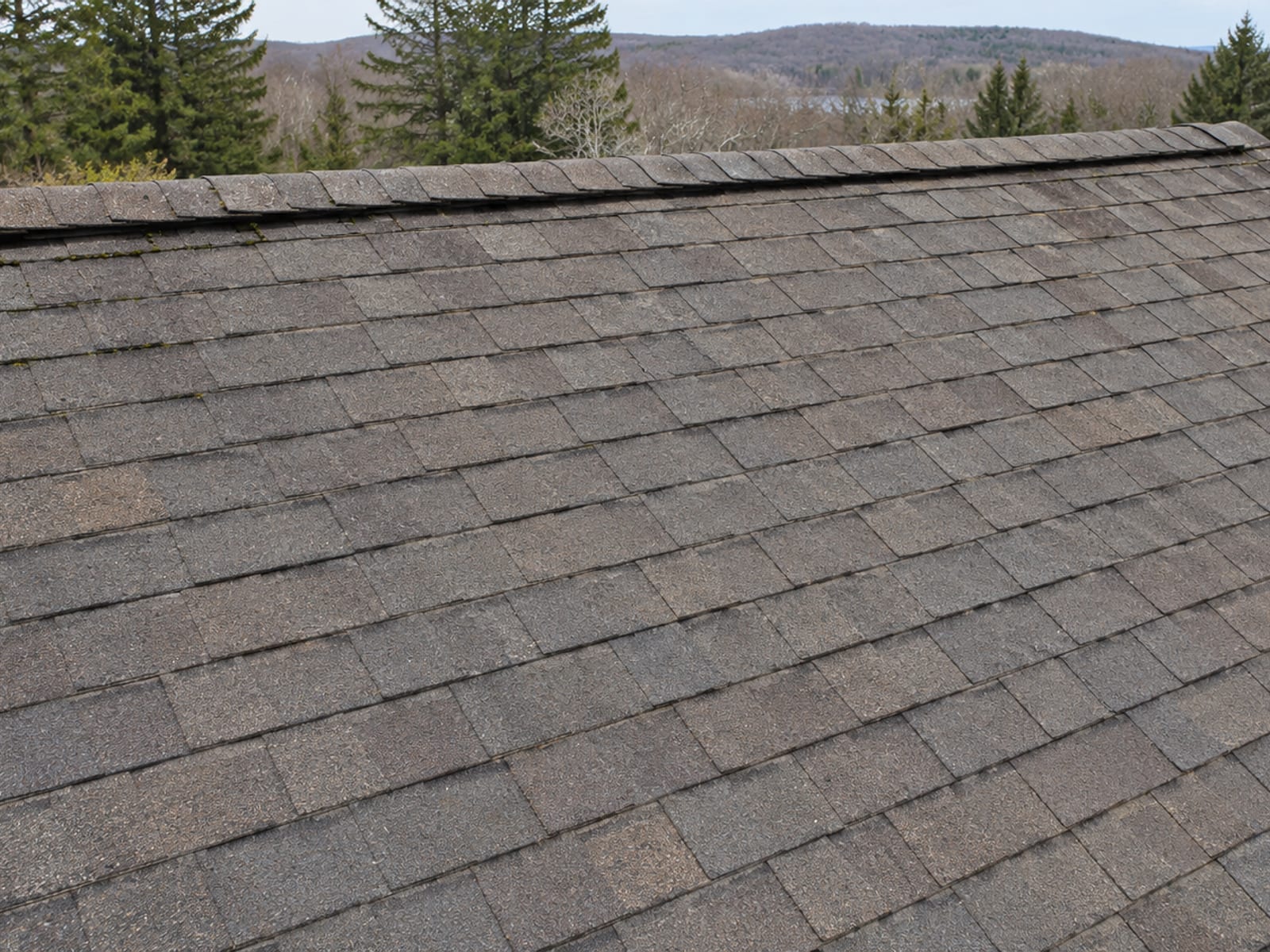
Insurers may also consider missing, lifted, curled or cracked shingles, multiple layers, unrepaired damage, moss and debris. Those are underwriting limits, so a 20-year-old roof is not a roof that has to be replaced. Ask your insurer how roof age affects your policy.
The label on the shingle bundle is not a service-life promise either. A "30-year" label is generally a warranty or product designation. Owens Corning's published warranty information separates lifetime product coverage from a 10-year period of added protection and limited blow-off coverage for the first 15 years. Real performance depends on the complete roof system, installation, ventilation, weather and upkeep.
At 20 years, the useful move is a condition assessment, a record of the roof material and installation history, and a call to your insurer. If the inspection points toward replacement, our roof replacement page describes what that project includes.
What Should You Know When Buying, Selling or Facing an Insurance Review?
If you are buying a house, Connecticut's Department of Consumer Protection says professional home inspectors must be licensed, and it advises buyers to choose their own inspector and get an independent inspection of any property they are seriously considering. The state's residential property-condition report also urges buyers to inspect the property and, if they wish, have an expert do it.
If you are selling, gather the roof's age, condition, repair history, permits, warranties and any known leaks before you list. A recent inspection documents the roof's condition and can point out work that might come up in negotiation.
An insurer's review is a separate path. The advisory says insurers may use in-person inspections, satellite imagery or drone photography. If an insurer threatens nonrenewal, Connecticut law requires at least 60 days' advance written notice with a clear explanation. The Insurance Department suggests asking for specific details and sending receipts, contracts or other evidence of completed or scheduled repairs. A recent inspection report with photos can be that evidence.
Who Pulls the Permit, and How Do You Choose a Contractor?
Permits depend on the work. The 2022 Connecticut State Building Code exempts repairs limited to 25% of the roof covering and building siding within one calendar year from permit requirements, and the code adds that the exemption does not authorize work that violates other laws or ordinances.
Your local building department can still require a permit under its own procedures. Check with the building official for your address and the scope of the work, and ask the contractor in writing who is pulling the permit. The Department of Consumer Protection's building guidance says the owner remains responsible even when the contractor agrees to apply.
Roofing counts as home improvement work in Connecticut, so the contractor must hold an active registration with the Department of Consumer Protection. The department recommends checking it through the state's eLicense system and confirming that the registration matches the business name and contact details on your contract.
Ask for proof of insurance; the department's 2025 advisory says to ask for proof of at least $20,000 in general-liability coverage. Ask for references on similar roofs and a written scope that ties proposed work to the inspection findings.
The home improvement contract rules require a signed, dated contract with the contractor's name, address and registration number, start and completion dates, price, a description of the work and a three-business-day cancellation notice. The department advises against cash, peer-to-peer payments and paying in full up front, and it advises that any additional work be covered by a written change order.
How Should You Keep Your Inspection Records?
Keep one folder, paper or digital, for the roof. Put in each inspection report, the photos from after storms, receipts for temporary repairs, warranty papers, the contractor's registration number and your permit records. Date everything.
Frequently Asked Questions About Roof Inspections in Connecticut
Do I need a roof inspection every year in Connecticut?
Connecticut does not require one. The NRCA recommends inspecting at least twice a year, preferably in spring and fall, plus after severe weather. If that feels like too much, two ground-level checks a year and a professional inspection when the roof is 15 to 20 years old, shows damage or has been through a major storm is a reasonable middle path.
How much does a roof inspection cost in Connecticut?
The Department of Consumer Protection reported on July 14, 2025 that roof inspections typically average $250 to $300. Your price depends on roof size, access and what the report includes, so ask what is covered before you book.
What will fail a roof inspection?
There is no single statewide pass or fail standard for a routine maintenance inspection. Missing, lifted, curled or cracked shingles, damaged flashing, multiple roof layers, unrepaired storm damage, moss and debris, leaks, sagging and attic moisture or rot are the conditions most likely to lead to a repair or replacement recommendation, and insurers may treat several of them as underwriting concerns.
Should I get an inspection after every storm?
After severe weather such as high wind, hail, heavy snow, an ice-dam winter or a falling limb, yes, it is worth having the roof looked at. Photograph the damage from the ground, contact your insurer, and hold off on permanent repairs until the insurer has inspected.
At what age is a roof considered old?
Connecticut law sets no single age. Insurers commonly use eligibility limits of 15 to 20 years for asphalt, wood, rubber and similar non-permanent roofs, and often 25 years or more for architectural shingles, according to the Connecticut Insurance Department.
Is a free roof inspection after a storm a good idea?
Be cautious. The Department of Consumer Protection warns against unsolicited storm solicitations. Choose your own registered, insured contractor, and get a written scope.
Roof Inspection Knowledge Check
1. What does the NRCA recommend for inspecting a roof system?
2. Is the NRCA schedule a Connecticut code requirement?
3. What should you do about a roof that looks damaged after a storm?
4. According to Connecticut's consumer protection department, what is the typical roof inspection range reported on July 14, 2025?
5. Do insurer age limits of 15 to 20 years mean a 20-year-old roof must be replaced?
Final Thoughts
Check the roof from the ground in spring and fall, add a check after any severe storm, and bring in a professional when the roof is 15 to 20 years old, shows damage or has taken a hit. That schedule is a recommendation, not a Connecticut rule, and an inspection is how you learn whether you need maintenance, a repair or a larger project.
Keeping dated reports and photos helps with an insurer, a buyer or the next contractor, and it keeps small problems from growing into ceiling and attic damage.
American Quality Roofing and Siding has served Central and Western Connecticut from Brookfield since 2006. We are licensed and insured under CT HIC #0633301 and offer free estimates, along with 24/7 emergency roof services for storm damage. Ask us what an inspection costs, what the report looks like and whether the fee carries over to later work, and get the answers in writing before you book. Request a free estimate or call us.
Written by Jose Zaruma, American Quality Roofing and Siding.
← Back to the blog