Roofing Guide
Roof Installation Warranties Explained: What Connecticut and New York Homeowners Need to Know
By Jose ZarumaPublished
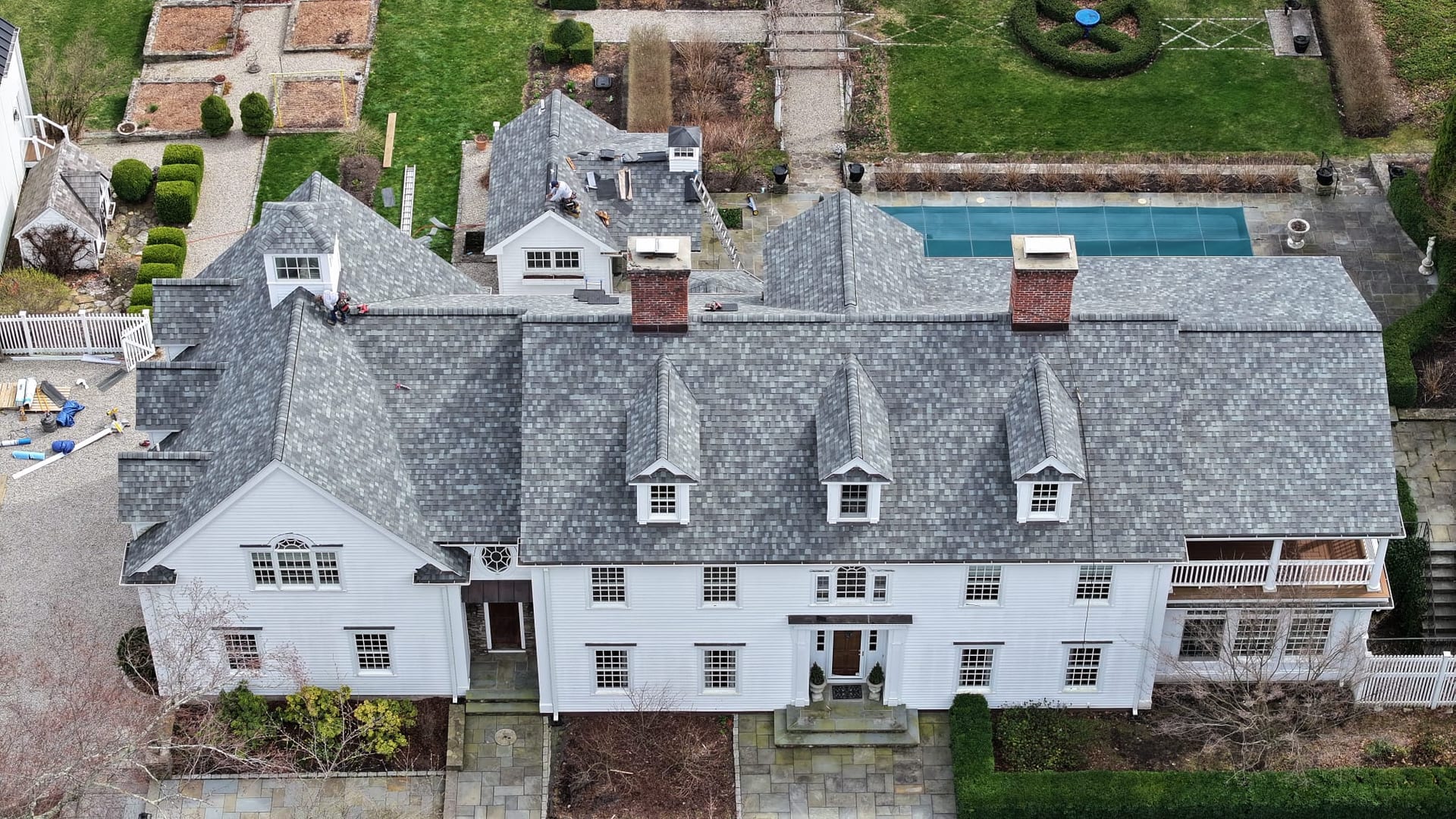
Have you ever watched a roofing crew pull up to your neighbor's house and immediately started worrying about how long your own yard might be torn up when it's time for your roof replacement? Connecticut and New York homeowners often share the same concerns when roofing projects begin: torn-up landscaping, constant noise during tear-off, and uncertainty about how long the chaos will last. Regional factors like 42-48 inch frost lines, wetlands buffers, and local zoning regulations can make the process feel even more complicated. The good news is that certified roofing professionals follow a structured sequence from initial inspections to final cleanup, typically completing residential roof installations in just 1-5 days while minimizing disruption to your property. Even better, comprehensive roof installation warranties back this quality work, protecting your investment for decades against the harsh Northeast weather. Understanding how these warranties work alongside the installation process can turn your anxiety about the project into confidence that your home will be protected efficiently and professionally.
Key Takeaways
Connecticut and New York Roof Jobs Typically Span 1-5 Days
Simple asphalt shingle replacements usually finish in 1-3 days, while more complex installations involving membranes, steep slopes, or properties near wetlands may extend to 3-5 days of active work.
Tear-Off and Deck Inspection Form the Foundation
Old roofing layers are stripped away and plywood decking is carefully inspected for frost damage or deterioration, with repairs made below regional frost lines to prevent future heaving and structural issues.
Proper Preparation Prevents Costly Surprises
Obtaining necessary permits, coordinating utility locates, and verifying zoning setbacks help identify requirements like ice shields or wetlands protections before work begins.
Professional Installation Includes Comprehensive Warranties
Quality shingle and flashing work with proper overlaps for drainage comes backed by warranties that typically mandate 25-year no-dollar-limit minimums for membrane systems and 10-30 year coverage for shingle roofs.
Connecticut and New York Permit Requirements Vary by Location
Zoning review processes commonly take 10-30 days, with additional wetlands permits required for properties within 75-200 foot buffer zones.
Cleanup and Warranty Activation Complete the Process
Professional contractors include debris removal, yard protection mat removal, and warranty registration documentation as standard parts of their service.
Understanding the Roof Installation Warranty Process in CT and NY
Roofing warranties in Connecticut and New York provide essential protections against defects in materials and workmanship, especially important given the Northeast's challenging weather patterns. These warranties offer peace of mind by guaranteeing that your roof installation will be completed according to regional standards that account for frost protection, proper setbacks from property lines, and environmental buffer requirements. Connecticut Public Act 17-153 specifically requires manufacturers or suppliers of residential roofing materials to pay approved warranty claims for both materials and labor within 30 days, reimbursing homeowners for the full original costs up to the purchase price.
The warranty process begins before your roof installation even starts. Reputable contractors verify compliance with local regulations, including Connecticut laws that prevent spite structures (malicious barriers over 6 feet without permits) from blocking roof access, and requirements for silt controls when working near wetlands. These upfront legal protections ensure that your warranty will be enforceable throughout its term, whether that's 10 years, 25 years, or longer depending on your roofing system.
Connecticut state specifications outline minimum warranty standards that protect homeowners. For single-ply membrane systems, contractors must provide 25-year no-dollar-limit coverage that includes both materials and installation defects. Metal roofing installations require 20-year protection against corrosion with an additional 10-year weathertightness guarantee from the installer. Asphalt shingle systems typically carry 15-25 year materials warranties (often pro-rated after an initial period) along with workmanship guarantees ranging from 18 months to several years.
Local Roof Environment and Warranty Needs
The Northeast's unique environmental conditions make regional warranty protections particularly important. Connecticut and New York both experience deep frost penetration during winter months, with frost lines reaching 42 inches in Connecticut and 44-48 inches in many New York locations. These deep frost lines influence how roof edges and eaves must be installed, with proper ice and water shields required to prevent freeze-thaw damage that could void warranty coverage.
Local terrain also shapes warranty requirements. Many Connecticut and New York properties feature steep roof pitches, wooded lots with overhanging branches, and proximity to wetlands or waterways. Zoning verification becomes essential before tear-off begins, as corner lot sight triangles, setback requirements from property lines, and wetlands buffer zones can affect where and how roofing work proceeds. Quality contractors tailor their installation approach to your specific property conditions, ensuring warranty compliance while respecting environmental protections.
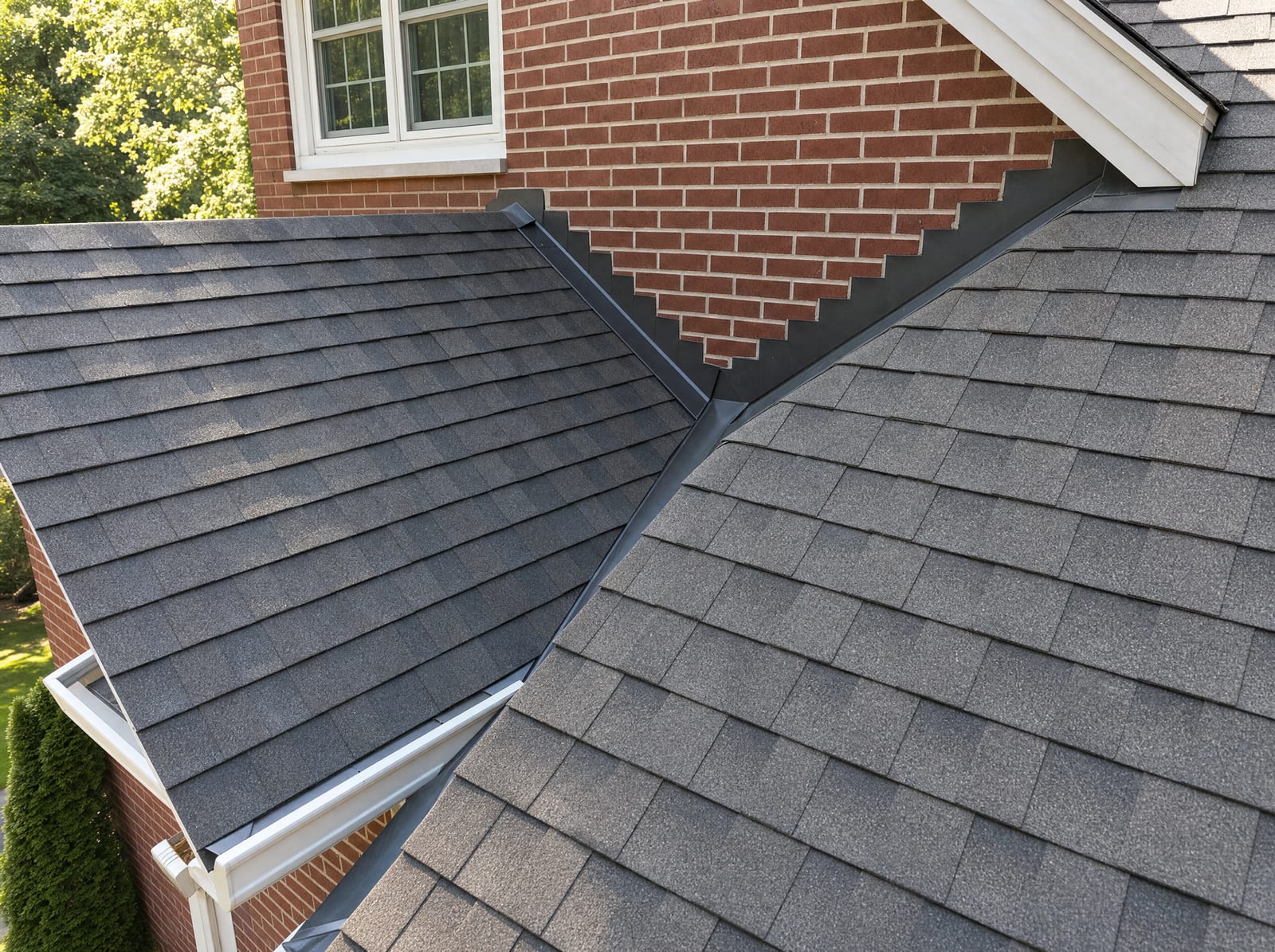
National vs. CT/NY Warranty Timelines
While roofing warranties nationwide share common elements like pro-rated materials coverage, Connecticut and New York extend these protections to address specific regional challenges. Standard national warranties might cover manufacturing defects and offer workmanship guarantees, but Northeast warranties must account for the additional stresses of freeze-thaw cycles, ice dam formation, and heavy snow loads that can reach 50-60 pounds per square foot during severe winters.
Connecticut law mandates specific warranty claim processing timelines that exceed typical national standards. The 30-day claim payment requirement under Connecticut Public Act 17-153 ensures homeowners receive prompt reimbursement for approved warranty issues, rather than facing indefinite delays common in some other regions. This state-level protection applies regardless of whether the roofing manufacturer is based in Connecticut or elsewhere.
New York's approach emphasizes structural warranties for residential construction, covering roof framing defects for up to six years to ensure habitability. This structural focus complements materials and workmanship warranties, creating multiple layers of protection. New York homeownership design standards also require 30-year shingle warranties and 20-year full-system no-dollar-limit coverage for low-slope membrane installations, matching or exceeding national norms.
Typical Timeline Ranges by Roof Size
The actual installation timeline directly affects how long your property experiences disruption, which is why understanding realistic timeframes matters for planning purposes. For a typical 2,000 square foot asphalt shingle roof, national standards suggest 1-3 days of active installation work. However, Connecticut and New York projects often extend to 2-5 days when you factor in required inspections, permit coordination, and the additional prep work needed for frost protection and proper ventilation to prevent ice dams.
Larger or more complex roofs naturally require additional time. A 3,000 square foot home with multiple dormers, valleys, and steep pitches might need 3-4 days for shingle installation alone. Low-slope or flat roofs using EPDM or TPO membrane systems can take 3-5 days due to the meticulous adhesive work required. Metal roofing installations, while highly durable, also typically fall into the 3-5 day range because of the precision cutting and fastening needed for proper weatherproofing.
Day-by-Day Breakdown Models
Understanding what happens each day helps set realistic expectations for noise, access restrictions, and yard impact. Day one typically focuses on permits, final site preparation, and tear-off work. Crews spend 6-8 hours removing old shingles, disposing of debris through contained chutes to minimize yard scatter, and conducting initial deck inspections. This is usually the noisiest phase, as power tools strip away old materials and workers move across your roof.
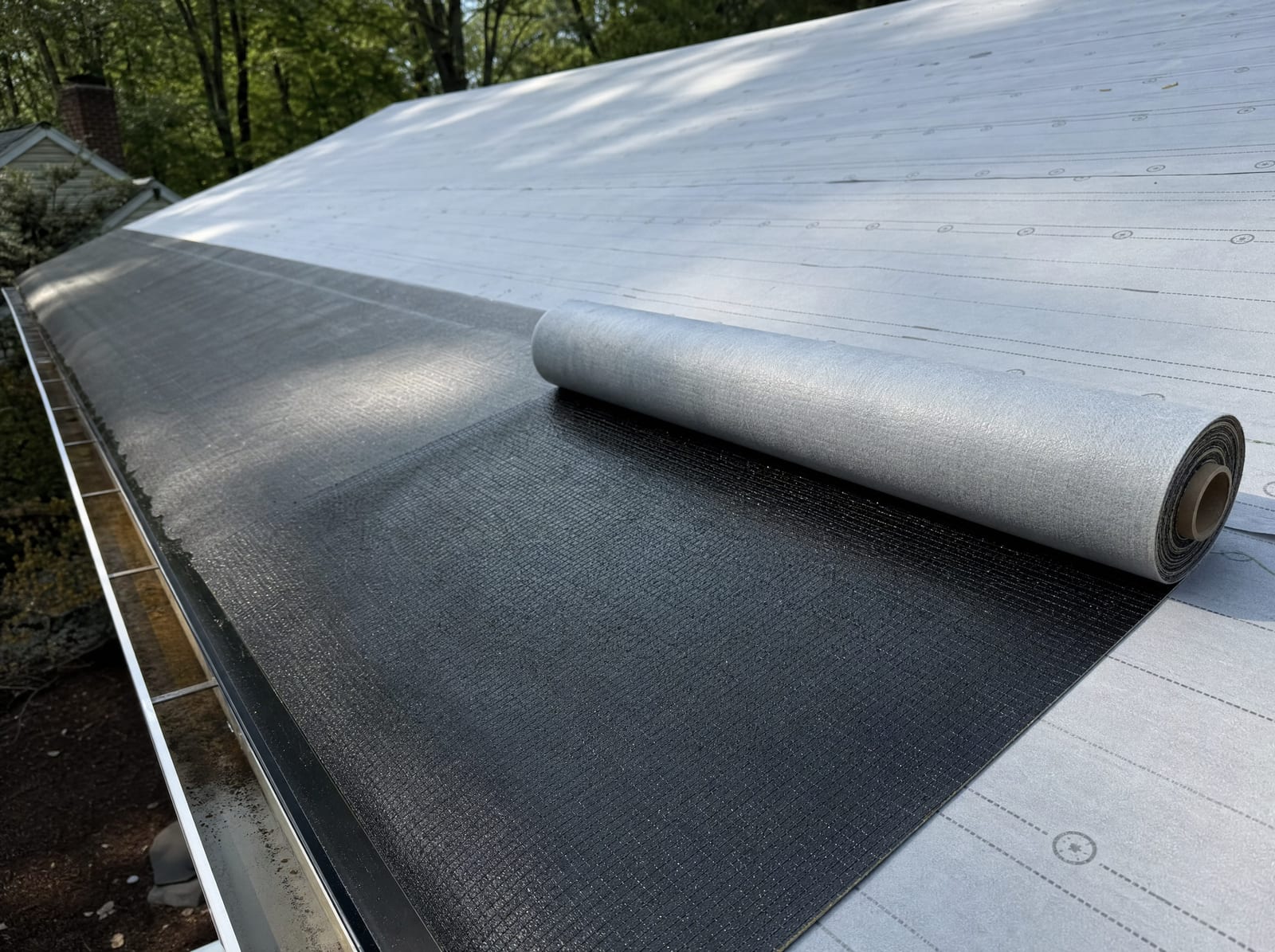
Day two centers on deck repairs and underlayment installation. Any damaged or deteriorated plywood gets replaced, with particular attention to areas where frost may have caused warping or rot. Ice and water shield membranes are applied to eaves (extending 24-36 inches beyond the exterior wall line) and valleys to prevent water infiltration during freeze-thaw cycles. Synthetic underlayment covers the remaining deck, creating a secondary weather barrier.
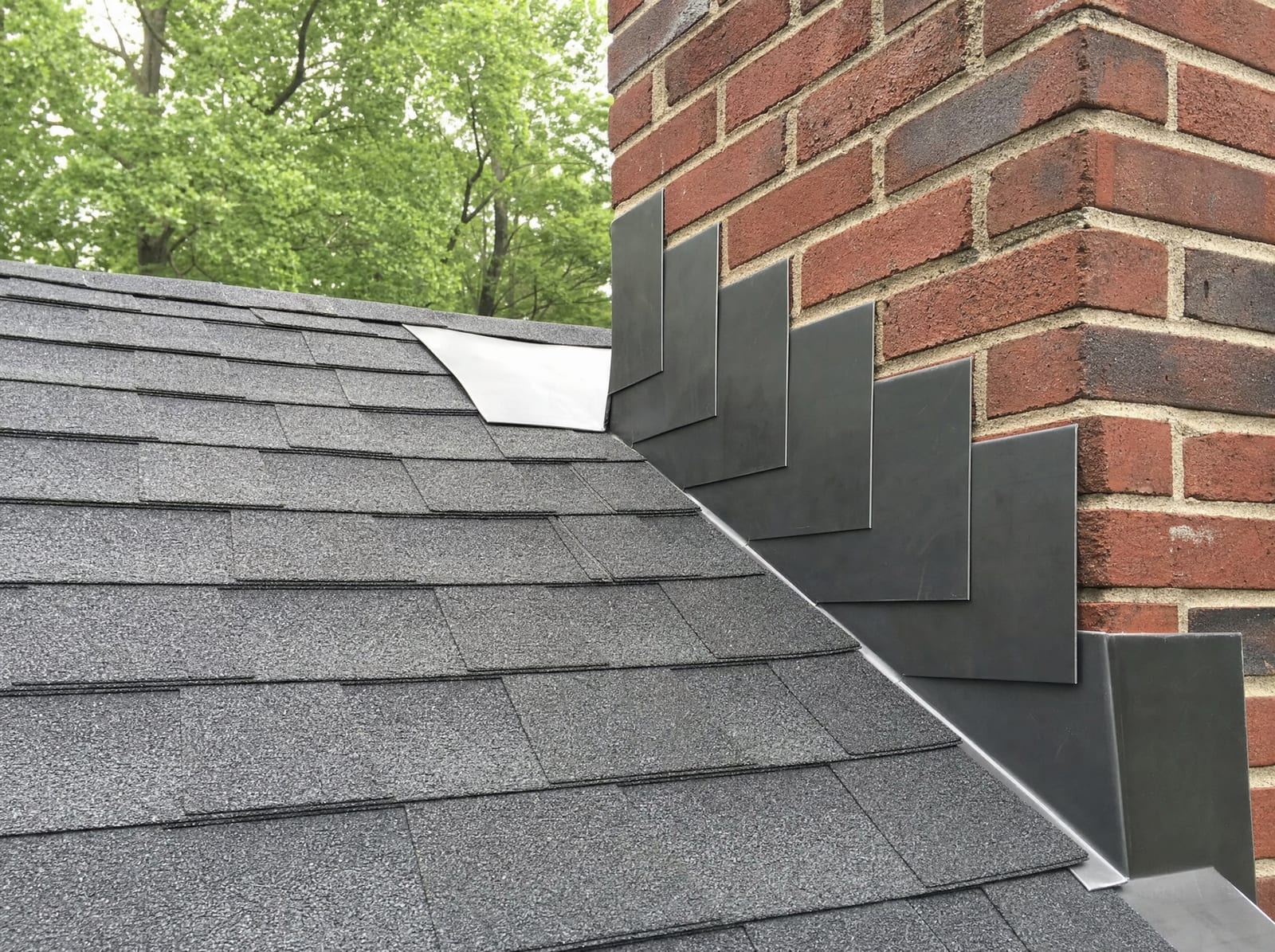
Days three and four involve shingle or other finish material installation. Crews start at the eaves with starter strips, then work upward in overlapping courses that typically expose 5-7 inches of each shingle. Metal flashing gets installed around chimneys, vent pipes, and roof-wall intersections to direct water away from vulnerable penetrations. Ridge vents may be incorporated for attic ventilation, which is essential for ice dam prevention and typically required for warranty validity.
Day five wraps up with final details and cleanup. Ridge caps seal the peak, all flashing receives final sealant applications, and crews conduct a comprehensive inspection for any missed fasteners or unsealed areas. Debris gets hauled away, protective plywood ramps are removed from your lawn, and the contractor provides warranty registration paperwork. A final walkthrough allows you to ask questions and verify the work meets your expectations.
Key Steps in the Roof Installation and Warranty Process
Professional roof installations follow a systematic approach that protects both the structural integrity of your home and the validity of your warranty coverage. These sequential phases, when completed properly, lock in 10-30 year protections for asphalt, metal, or membrane systems while ensuring compliance with Connecticut and New York building codes.
The first critical step involves comprehensive site preparation and layout planning. This phase determines whether your project proceeds smoothly or encounters unexpected delays and complications. Contractors must coordinate utility locates through the 811 service before any roof penetrations for vents or chimneys can be planned. Gutters get cleared of debris, and zoning setback requirements are confirmed to ensure roof edges comply with property line distances.
Site Preparation and Layout
Before any materials arrive at your property, certified contractors verify that all legal and safety requirements are addressed. This includes confirming that required permits have been issued, typically taking 10-30 days for zoning review depending on your municipality. For properties within wetlands buffer zones (75-200 feet in many areas), additional environmental permits may be necessary under regulations like those detailed by New York's wetland protection measures.
Frost deck integrity assessment forms a crucial part of Connecticut and New York preparations. With frost lines reaching 42-48 inches deep, roofing professionals must ensure that deck structures and edge details won't be compromised by ground movement during freeze-thaw cycles. This often involves verifying that roof overhangs have adequate support and that ice dam protection will extend far enough to prevent melt-water backup.
Utility coordination extends beyond simple locate services. Contractors need to plan for temporary power needs, ensure that existing electrical services to the home won't be disrupted, and verify that satellite dishes, solar panels, or other roof-mounted equipment can be safely disconnected and reinstalled. Proper planning during this phase prevents the "surprises" that can extend your project timeline and increase yard disruption.
Deck Repair and Frost Protection
Once tear-off exposes your roof deck, thorough inspection reveals any hidden damage that wasn't visible from below or outside. Plywood or OSB decking that's less than 25 years old but shows signs of deterioration gets replaced rather than covered over. This is particularly common in Northeast climates where moisture infiltration from ice dams or condensation can rot deck boards long before the shingles above show obvious failure.
Ice and water shield installation represents one of the most important warranty compliance steps. These self-adhering membranes must extend from the eave edge upward for at least 24-36 inches beyond the exterior wall line, creating a watertight barrier where ice dams most commonly form. Some contractors in severe climate areas extend this protection even further, sometimes covering the entire deck on low-slope sections where water backup poses the greatest risk.
Proper deck fastening matters more than many homeowners realize. Loose or inadequately secured deck boards can cause nail pops in new shingles within just a few years, potentially voiding workmanship warranties if the contractor didn't properly secure the substrate. Professional installers verify that all deck boards are firmly attached to rafters, with screws used instead of nails in problem areas where movement has been detected.
Shingle, Flashing, and Ridge Attachment
The visible part of your roof installation begins with starter strip installation along all eaves and rake edges. These specialized shingles provide a seal for the first course of field shingles, preventing wind-driven rain from infiltrating under the roof edge. Proper starter installation is actually required by most shingle manufacturers for warranty validity, though it's sometimes skipped by less meticulous contractors.
Field shingle installation proceeds in overlapping courses from eave to ridge, with each shingle exposing only 5-7 inches (depending on the specific product) while the rest remains covered by the course above. This overlapping pattern creates a water-shedding system that directs moisture downward and off the roof. Proper nail placement in the manufacturer's specified "nailing zone" is essential for both wind resistance and warranty compliance.
Metal flashing installation at valleys, chimneys, and wall intersections often separates quality installations from marginal ones. Valley flashing channels water from converging roof planes without allowing it to back up under shingles. Step flashing at wall intersections creates a weathertight seal that flexes with building movement rather than cracking and leaking. These details, when done properly, should last as long as the shingles themselves, typically 20-30 years for quality materials.
Ridge attachment and ventilation complete the system. Ridge caps cover the peak where roof planes meet, sealed against wind-driven rain while allowing ventilation airflow if ridge vents are installed. Proper attic ventilation, combining ridge vents with soffit intake vents, prevents heat buildup that can prematurely age shingles and creates the airflow needed to prevent ice dam formation in winter.
Additional Steps for Complex Roof Warranties
Some roof installations require specialized approaches that extend both the timeline and the warranty protections. These complex projects adapt standard techniques to handle Northeast-specific challenges while ensuring decades of reliable performance.
Steep slope installations demand stepped courses and enhanced safety measures that can add 1-2 days to project timelines. Pitches exceeding 8:12 (rising 8 inches per 12 inches of horizontal run) require additional fall protection equipment and slower, more careful shingle placement. However, these steeper roofs also shed water and snow more effectively, potentially qualifying for extended warranty terms due to their superior drainage characteristics.
Handling Slopes, Wetlands, and Low-Slope Systems
Properties located within wetlands buffer zones face additional regulations that protect water quality and ecosystems. Erosion and sediment control measures like silt fencing must be installed before work begins, ensuring that roofing debris and dust don't wash into protected waterways. These requirements, while adding some upfront time and cost, actually benefit homeowners by preventing fines and ensuring that warranty work can proceed without legal complications.
Low-slope and flat roof installations using EPDM, TPO, or PVC membranes follow fundamentally different processes than shingle roofs. Instead of overlapping courses, membrane systems involve large sheets that are adhered or mechanically attached to the deck, then seam-welded together to create a continuous waterproof barrier. This meticulous work typically requires 3-5 days for residential applications and carries 20-year no-dollar-limit warranty protections when installed by certified contractors.
Metal roofing installations offer exceptional longevity (often 40-50 years or more) but require specialized expertise. Standing seam metal roofs use concealed fasteners and interlocking panels that expand and contract with temperature changes without compromising weathertightness. The precision cutting, custom flashing fabrication, and careful fastening required can extend installation to 4-5 days, but the result is a roof that may outlast the homeowner's occupancy with proper maintenance.
Finishing Touches and Warranty Activation
Professional installations don't end when the last shingle is nailed down. Comprehensive finishing includes ridge vent installation for attic ventilation, final sealant application to all exposed nail heads and flashing edges, and thorough cleanup that leaves your property cleaner than it was before work began. These details matter for warranty validity, as most manufacturers require proper ventilation and complete installations for coverage to take effect.
Warranty registration has become increasingly important in recent years. Many manufacturers now require online registration within a specific timeframe (often 30-60 days) after installation to activate extended warranty terms or enhanced coverage options. Your contractor should provide all necessary documentation, including material receipts, installation dates, and manufacturer information, making registration straightforward.
Some advanced warranty programs offer enhanced protection beyond standard terms. CertainTeed's Integrity Roof System, for example, provides extended materials and workmanship coverage when installed by credentialed contractors. These premium programs are available only through certified installers. These premium warranties typically cost more upfront but can provide significant value, especially if you plan to remain in your home long-term or want maximum protection for resale value.
Permits, Utilities, and Warranty Regulations in CT and NY
Legal compliance forms the foundation of enforceable warranty protection. Without proper permits and adherence to local regulations, even the best-quality installation might not qualify for warranty coverage if problems arise years later.
Connecticut and New York both require building permits for most roof replacements, though the specific requirements vary by municipality. Some jurisdictions issue permits quickly with minimal review, while others require detailed plans showing ventilation, drainage, and compliance with energy codes. Permit fees typically range from $100-300 depending on project scope and location, with processing times of 10-30 days being common.
Zoning and Utility Coordination
Zoning regulations affect roof installations in ways that surprise many homeowners. Setback requirements determine how close roof overhangs can extend toward property lines, which matters on smaller lots or when adding covered porches. Height restrictions in some residential zones can limit how much a roof replacement can increase the overall building height, relevant when changing from a low-profile shingle to a thicker material like slate or tile.
Connecticut's spite fence laws specifically address neighbors who might erect barriers to obstruct roof access or complicate installation. These regulations, detailed by Connecticut legal sources, prevent malicious obstructions over 6 feet tall that serve no legitimate purpose other than annoying adjacent property owners. If you encounter such an obstruction, legal remedies exist to ensure your roofing project can proceed.
Utility coordination through the 811 call-before-you-dig service prevents dangerous and expensive mistakes. Even though roofing work occurs above ground, penetrations for new vent pipes or electrical lines require knowing where underground utilities run. Additionally, temporary disconnection of electrical services, satellite dishes, or rooftop HVAC equipment needs careful planning to minimize disruption to your daily life.
Frost compliance represents a unique Northeast requirement. While frost lines primarily affect foundation and footing depths, they also influence roof edge details and drainage planning. Proper installation must account for the expansion and contraction that occurs as ground freezes and thaws, ensuring that roof edges don't shift or become damaged. Connecticut Department of Administrative Services specifications provide detailed requirements for public buildings that often inform residential best practices as well.
What Homeowners Should Prepare For and Do
Active preparation on your part helps ensure a smooth installation that minimizes disruption and maximizes warranty protection. While your contractor handles the technical work, several important steps fall to you as the homeowner.
First, communicate openly with your contractor about your daily routine and any special circumstances. If you work night shifts and need to sleep during typical construction hours, most contractors can adjust their schedule. If you have pets that might be frightened by roof work, planning for alternative accommodation during tear-off day can prevent added stress. These conversations should happen before work begins, not on the first morning when crews arrive.
Daily Expectations During Install
Day one typically brings the most disruption. Tear-off work creates significant noise as old shingles are stripped and dumped into collection chutes or trucks. The vibration from workers moving across your roof can rattle light fixtures and windows throughout your home. Planning to be away during tear-off day, or at least preparing for an unusually noisy day, helps manage expectations.
Days two through four usually involve less jarring noise but still produce constant activity sounds. The rhythmic hammering of pneumatic nail guns, the movement of workers overhead, and occasional dropped tools all create intermittent noise. Most homeowners find this less disruptive than tear-off, but it's still enough to interfere with video calls or remote work requiring concentration.
Rooftop access restrictions matter more than many homeowners anticipate. During installation, you won't be able to use certain features of your home. Satellite TV service may be interrupted if dishes must be temporarily removed. Rooftop HVAC units might need to be shut down for a day. Solar panels will be disconnected and non-functional until reinstallation. Planning for these service interruptions prevents frustration.
Approve key installation decisions as work progresses. Most contractors will show you the deck condition after tear-off, getting approval for any repair work beyond what was initially estimated. They'll also verify shingle color and style before installation begins, ensuring the materials delivered match what you selected. Taking time for these quick inspections prevents misunderstandings and ensures you're satisfied with the final result.
Tips to Minimize Yard Disruptions
Protect your landscaping proactively before crews arrive. Move planters, outdoor furniture, and decorative items away from the house perimeter. Fragile plants directly under the roof edge should be covered with plywood or temporarily transplanted if possible. While professional contractors use tarps and protective measures, some debris inevitably falls during tear-off, and preemptive protection minimizes damage.
Communicate about vulnerable areas. If you have a prized garden bed or newly seeded lawn section, point this out specifically so crews can place extra protective barriers. Most contractors are happy to accommodate these requests when informed in advance, but they may not notice every special feature on their own.
Schedule your project during favorable weather windows when possible. Late spring through early fall typically offers the most predictable weather in Connecticut and New York, reducing the likelihood of weather delays that extend how long equipment and materials occupy your yard. Contractors also work more efficiently in moderate temperatures, potentially completing your project faster than during extreme heat or cold.
Clear access paths to all sides of your home. Contractors need to position trucks, bring materials to the roof, and set up debris chutes. Ensuring driveways and yard areas are accessible prevents delays and reduces the temptation to drive heavy equipment across delicate lawn areas. If access is genuinely limited, discuss options like crane delivery of materials to minimize ground-level disturbance.
Process Comparison Table: Simple vs. Complex Roof Install in CT/NY
Common Mistakes Homeowners Make During Roof Installation
Understanding frequent pitfalls helps you avoid them and protects your warranty coverage. One of the most common errors involves neglecting ice and water shield requirements in an attempt to reduce costs. This penny-wise, pound-foolish approach can void ice dam protection under your warranty, leaving you personally liable for expensive water damage repairs if winter melt-water backs up under your shingles.
Skipping required permits represents another costly mistake. Beyond the obvious legal issues, unpermitted work often isn't covered by insurance if problems arise. More importantly, manufacturers may refuse warranty claims on unpermitted installations, arguing that the work wasn't properly inspected and may not meet code requirements. The few hundred dollars saved by avoiding permits can cost thousands in lost warranty protection.
Choosing contractors based solely on price frequently backfires. The lowest bid often comes from contractors who cut corners on preparation, use substandard materials, or lack proper insurance and licensing. When warranty issues arise years later, these bargain contractors may be out of business or refuse to honor commitments, leaving you without recourse.
Failing to provide adequate roof access raises labor costs and can compromise quality. If contractors must hand-carry all materials around obstacles or through narrow gates, they'll either charge more or rush the work to complete it within their bid price. Neither outcome serves your interests. Ensuring clear access paths improves efficiency and often results in more careful, thorough work.
Neglecting the final walkthrough and warranty documentation might seem minor at the time, but it becomes significant if problems develop. This is your opportunity to ask questions, verify that all agreed-upon work was completed, and understand exactly what your warranty covers. Taking 20-30 minutes for a thorough final review can prevent misunderstandings that might compromise your warranty claims later.
Preparing Your Property for Roof Installation in CT/NY
Proper preparation streamlines the installation process and minimizes potential complications. Start by obtaining necessary permits well in advance through your municipal building department or online portals like those available through Connecticut and New York government websites. This advance work prevents delays when your preferred contractor has an opening in their schedule.
Trim tree branches that hang within 6-8 feet of your roofline. Overhanging branches not only drop debris that can damage new shingles, but they also interfere with proper installation and may prevent adequate sunlight exposure needed to activate shingle adhesive strips. Most contractors appreciate when homeowners handle this task in advance, as it eliminates potential delays and safety concerns.
Mark underground utilities and sensitive yard features clearly. While contractors should call 811 for utility locates, flagging items like sprinkler heads, invisible dog fences, or shallow electrical lines for landscape lighting prevents accidental damage. These small courtesies smooth the installation process and protect your property investments.
Verify property line setbacks if your home sits on a small lot or in a densely developed area. Understanding exactly where your property boundaries lie prevents disputes with neighbors and ensures roof overhangs comply with local zoning requirements. This is particularly important for properties in areas with strict setback regulations or where spite fence issues might arise.
Prepare interior spaces for vibration and noise. Remove or secure wall hangings, particularly heavy mirrors or artwork near exterior walls. Cover items in attic spaces with drop cloths if your attic is used for storage. These simple steps prevent damage from the vibration that occurs during tear-off and installation.
Frequently Asked Questions About Roof Installation Warranties in CT/NY
Q: What exactly does a roof installation warranty cover?
A: Roof installation warranties typically provide two types of protection: materials coverage and workmanship coverage. Materials warranties from manufacturers protect against defects in the shingles, membranes, or other roofing products themselves, usually lasting 10-30 years depending on the product grade. Workmanship warranties from your contractor cover installation defects and labor issues, typically ranging from 18 months to 10 years or more. In Connecticut, manufacturers must pay approved warranty claims for both materials and labor within 30 days under state law. No-dollar-limit warranties, required for many commercial and public projects, cover full replacement costs without depreciation limits, offering the strongest protection available.
Q: How long does the actual roof tear-off take, and what should I expect?
A: The tear-off phase typically takes 2-4 hours for an average residential roof, though larger or more complex homes may require 6-8 hours. This is usually the noisiest part of the entire project, as old shingles are stripped using power tools and dumped into contained chutes or directly into trucks. You'll experience significant vibration throughout your home as workers move across the roof and materials are removed. Most contractors complete tear-off in a single day, weather permitting. Professional crews use tarps and protective measures to minimize debris scatter across your yard, though some cleanup is inevitable. Planning to be away from home during tear-off day can make this phase much more tolerable.
Q: Are permits required for roof replacement in Connecticut and New York?
A: Yes, most municipalities in Connecticut and New York require building permits for roof replacements, though requirements vary by location. Permit fees typically range from $100-300, with processing times of 10-30 days depending on the complexity of review required. Properties near wetlands may need additional environmental permits, particularly if located within 75-200 foot buffer zones. Steep slopes or significant structural changes sometimes trigger more detailed plan review. Reputable roofing contractors typically handle permit applications on your behalf, including this service in their overall project cost. Skipping required permits can void warranty coverage and create problems with insurance claims or future home sales.
Q: What specific protections do warranties offer against frost damage in Northeast climates?
A: Quality roof warranties in Connecticut and New York include protections against freeze-thaw damage through required ice and water shield installation. These self-adhering membranes must extend at least 24-36 inches beyond exterior walls at eaves, creating a watertight barrier where ice dams commonly form. Proper deck installation below the 42-48 inch regional frost lines prevents structural movement that could compromise roofing materials. Adequate attic ventilation, often required for warranty validity, prevents heat buildup that contributes to ice dam formation. Workmanship warranties should cover proper installation of these frost protection measures, while materials warranties protect against product failures in freeze-thaw conditions. If ice shields are skipped or improperly installed, manufacturers may deny claims for water damage from ice dams.
Q: How can I minimize yard disruption during my roof installation?
A: Several strategies help protect your landscaping and minimize yard impact. First, work with contractors who use protective plywood mats under equipment and materials staging areas to prevent soil compaction and grass damage. Request that debris chutes be positioned to avoid flower beds or sensitive plantings. Move outdoor furniture, planters, and decorative items away from the house perimeter before work begins. Cover delicate plants near the roofline with plywood or tarps during tear-off. Clear access paths to all sides of your home so crews don't need to drive equipment across lawn areas. Schedule your project during dry weather periods to prevent muddy tire tracks. Finally, choose experienced contractors who understand the importance of property protection and include cleanup as a standard part of their service.
Final Thoughts
Understanding roof installation warranties in Connecticut and New York empowers you to make confident decisions about protecting one of your home's most critical systems. These warranties provide essential coverage against materials defects and workmanship issues for 10-30 years or more, specifically designed to address Northeast challenges like deep frost lines, ice dam formation, and severe weather exposure. The installation process, while involving 1-5 days of active work and some unavoidable noise and disruption, follows a predictable sequence from permits and tear-off through deck preparation, installation, and final cleanup. Professional contractors minimize yard impact through protective measures and efficient scheduling, ensuring your property returns to normal quickly while gaining decades of reliable weather protection.
Investing in a quality roof installation backed by comprehensive warranties delivers long-term value that extends far beyond the initial project cost. You gain peace of mind knowing that both materials and workmanship are protected, with Connecticut law ensuring prompt claim payments when issues arise. Your home's resale value benefits from documented warranty coverage and professional installation by certified contractors. Perhaps most importantly, you'll enjoy reliable protection from Connecticut and New York's harsh weather without worrying about unexpected repair costs for years or even decades to come.
American Quality Roofing & Siding has been Connecticut's trusted roofing partner for nearly two decades, combining exceptional craftsmanship with comprehensive warranty protection that homeowners can rely on. Our team specializes in navigating Connecticut's unique requirements, from frost line compliance and wetlands permits to zoning regulations and ice dam prevention strategies. We're properly licensed (CT License #HIC 0633301), fully insured, and maintain an A+ Better Business Bureau rating built on thousands of successful installations. As CertainTeed ShingleMaster PRO credentialed contractors, we offer extended warranty programs that many competitors simply can't access. Whether you need a complete roof replacement, emergency repairs, or professional guidance on maximizing your warranty coverage, our experienced crews deliver efficient 1-5 day installations that minimize disruption while ensuring decades of protection. Contact American Quality Roofing & Siding today at (203) 470-0974 for your free estimate and discover why Connecticut families have trusted us to protect their homes for over a quarter century.
Written by Jose Zaruma, American Quality Roofing and Siding.
← Back to the blog