Roofing Guide
Ice Dams in Connecticut: Why They Form and How to Prevent Them
By Jose ZarumaPublished
- ice dams
- roofing
- roof maintenance
- connecticut
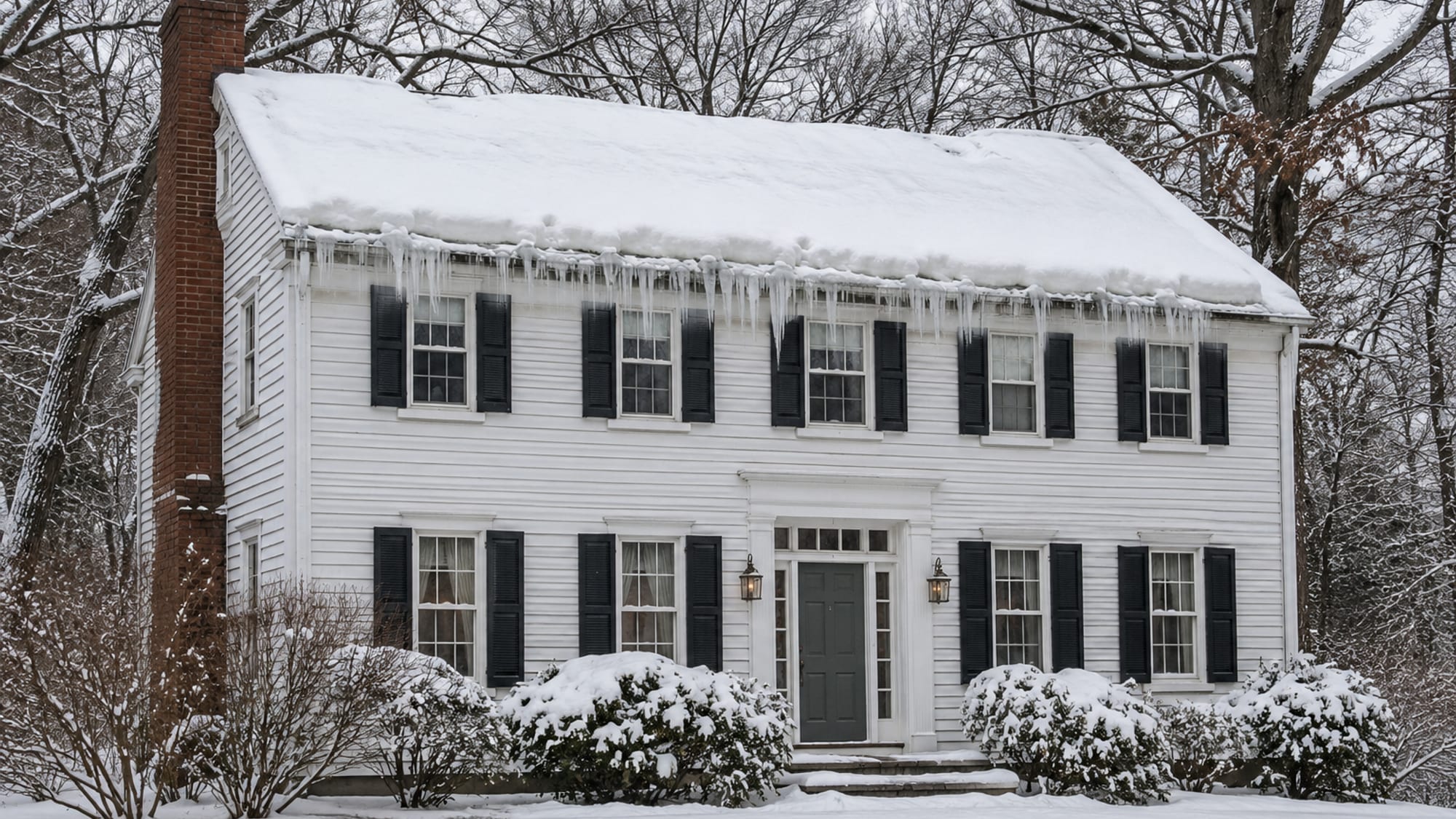
An ice dam forms when heat from your house melts the snow on the upper part of the roof and the meltwater refreezes at the colder edge, the eave. The ridge of ice that builds up there blocks the water behind it, and that water can back up under the shingles and into the roof.
If you had ice dams last winter, the fix starts in the attic, not on the shingles. Heat is getting from the rooms below into the space under the roof, and stopping that heat is what keeps the roof edge cold enough for snow to melt off slowly and drain.
There is a right order for the work: seal the air leaks in the ceiling first, add insulation second, and keep the attic vents open third. An ice barrier at the eaves protects the roof if water does back up, but it does not stop the melting. Connecticut's building code and Energize Connecticut both have a part in that plan, and there is useful checking you can do from the ground this winter.
Key Takeaways
Ice dams start with heat from the house reaching the roof, so the lasting fix is air sealing, then insulation, then ventilation.
ENERGY STAR's retrofit guidance for cold climate zones 5 to 8 calls for attic insulation of R-49 to R-60, depending on what is already there.
An eave ice barrier limits damage when water backs up. It does not stop snow from melting.
Energize Connecticut's 2026 insulation incentive may cover up to 75% of the cost, capped at $10,000, and program rules apply.
Photograph the problem from the ground, keep people away from falling icicles, and never chip at the ice.
Heat From Your House Melts the Snow, and the Cold Eave Refreezes It
Three things have to line up for an ice dam: snow on the roof, freezing air outside, and a roof surface that is warm in some places and cold in others. The warm spots come from the house. Warm indoor air leaks up through the ceiling, and heat also passes through thin or patchy insulation. Both warm the roof deck above, and the Department of Energy's insulation guide describes this heat flow as the cause of the uneven snowmelt that builds the dam.
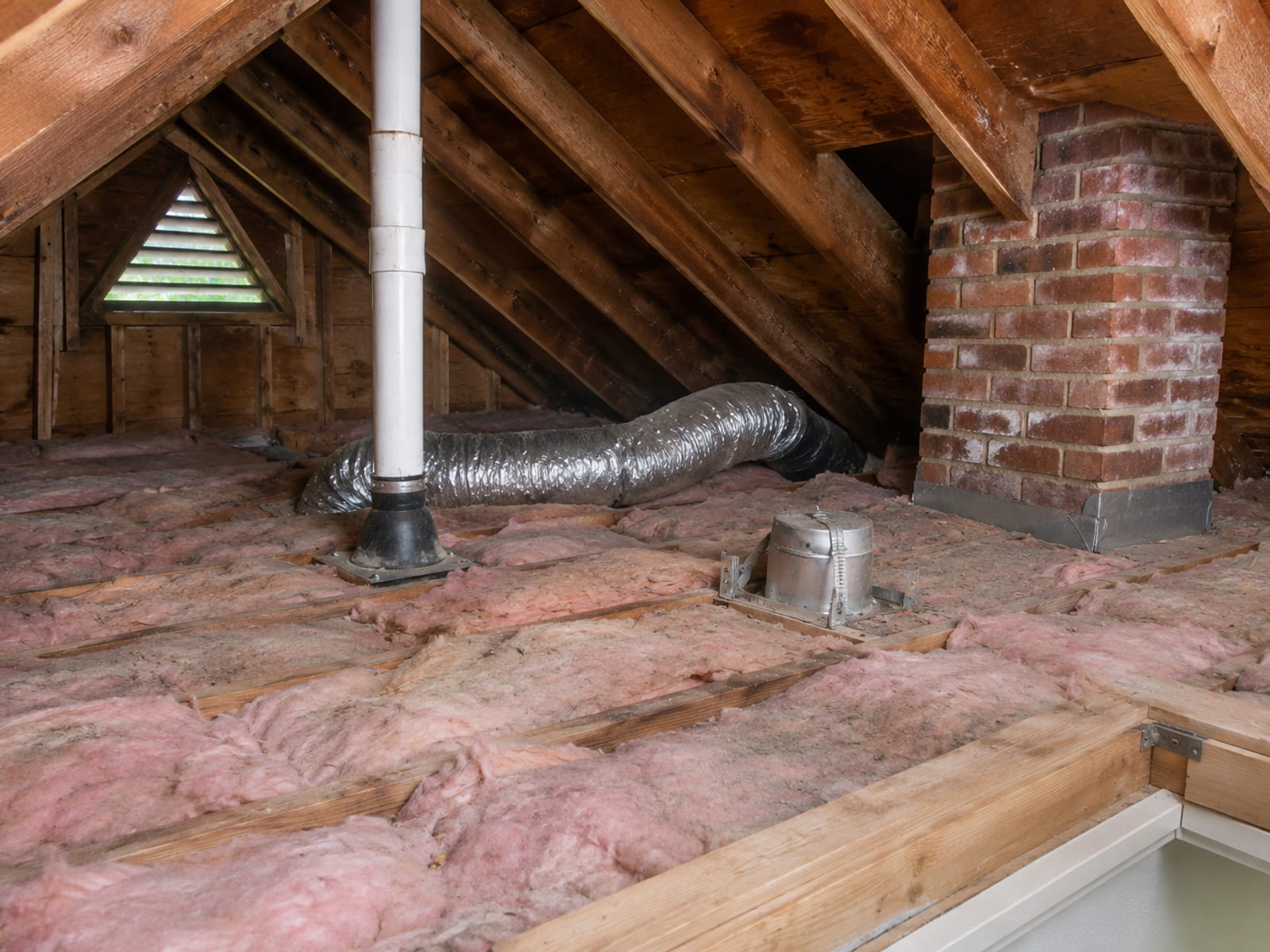
Connecticut winters supply the other ingredients. Snow, freezing rain, freeze-thaw swings and nor'easters all show up here, and the National Weather Service describes nor'easters as storms that commonly bring heavy rain or snow and gale-force winds to New England. Whether your roof is hit depends mostly on what is going on in your attic, which is why two neighbors with the same snow can have very different roofs.
Where does the heat come from? Common leak points include plumbing and wiring penetrations, ductwork, recessed lights, chimney chases, the attic hatch and the tops of interior walls. Chimneys, skylights and exhaust ducts that end in the attic can also warm one stretch of roof more than the rest.
The Damage Starts Under the Shingles, Often Far From the Ice
When the dam holds water on the roof, that water can work its way beneath shingles and underlayment. It can soak the roof sheathing, wet the attic insulation, and show up as stains on a ceiling or wall. Because water can travel along the deck or framing before it finds a way in, the stain is often nowhere near the icicles outside.
Wet insulation stops insulating well, and damp materials that stay wet can grow mold or mildew. Over time, repeated wetting can rot decking, rafters, fascia or soffits. Gutters can also bend or pull away from the house under the weight of ice, and heavy icicles are a hazard for anyone walking beneath them.
Repeated ice dams in the same spot usually point to the same cause each year. Look for these signs when the next storm passes:
- Snow melting in patches: bare or wet-looking areas on the upper roof while snow stays at the eaves
- A thick band of ice: heavy icicles or a ridge of ice along the roof edge
- Ceiling or wall stains: brown rings or damp spots, especially below an exterior wall
- Damaged gutters: sections bent, sagging or pulled away
- Trouble near penetrations: ice forming beside a chimney, skylight, recessed light or exhaust vent
None of this means the roof itself is failing. Sometimes it is, and sometimes the attic is the whole story, and the difference decides what the fix costs. If water is already coming in, our roof repair team can trace whether it enters through the roof or through the attic. If a stain keeps showing up, leaky roof repair starts with tracing the actual leak source.
Prevention Works in a Set Order: Air Seal, Insulate, Ventilate, Then Protect the Eave
The order matters because each step builds on the one before it. Insulation laid over open air leaks lets warm, moist air keep flowing into the attic, and an ice barrier alone does nothing about the heat. The work below is done from inside the attic and at the roof edge by trained crews, not from the roof in winter.
Step one: seal the ceiling plane
Air sealing closes the openings between heated rooms and the attic. That means gaps around plumbing and wiring, ductwork, recessed lights, chimneys, the attic hatch and the tops of walls. The Department of Energy's attic air sealing guideline treats it as the first job because moving air carries both heat and moisture into the attic. Bathroom, kitchen and dryer exhausts should also vent outdoors, not into the attic.
Step two: add attic insulation
Once the ceiling is tight, insulation slows the heat that conducts through it. For a vented attic, insulation belongs on the attic floor, not against the underside of the roof deck. ENERGY STAR's retrofit guidance for climate zones 5 to 8, which includes Connecticut, gives an attic target of R-49 to R-60, depending on how much insulation is already there. Fiberglass, cellulose and mineral wool can all meet the target when installed evenly and kept free of air movement.
Step three: keep the attic vents open
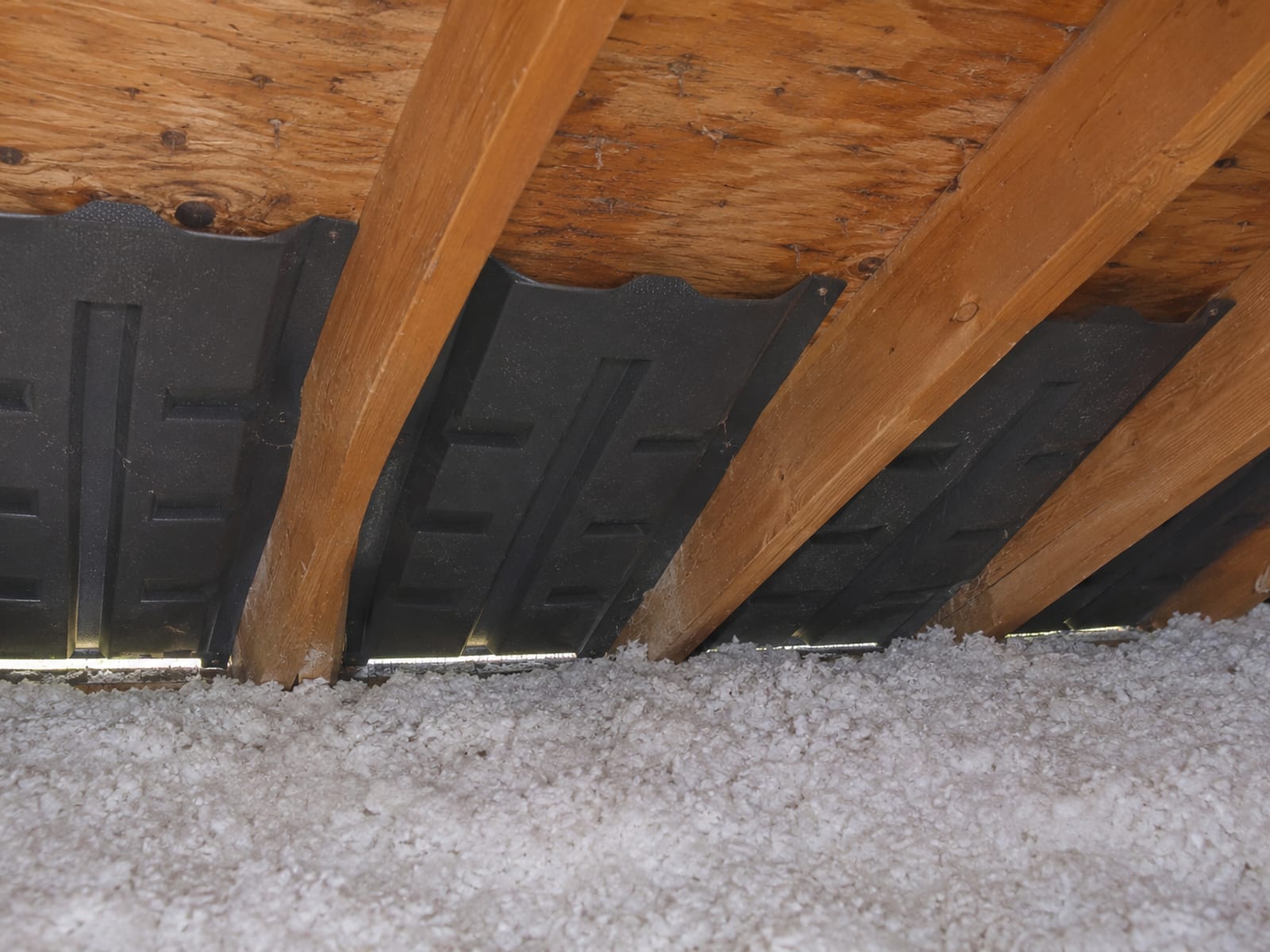
A cold attic keeps the roof deck cold. ENERGY STAR's attic ventilation page calls for low intake, usually at the soffits, and high exhaust, usually at a ridge or similar outlet. Rafter baffles hold a clear channel at the eaves so new insulation cannot block the soffit vents. Mechanical attic fans are not a primary ice-dam fix and can create pressure and moisture problems.
Step four: protect the eave with an ice barrier
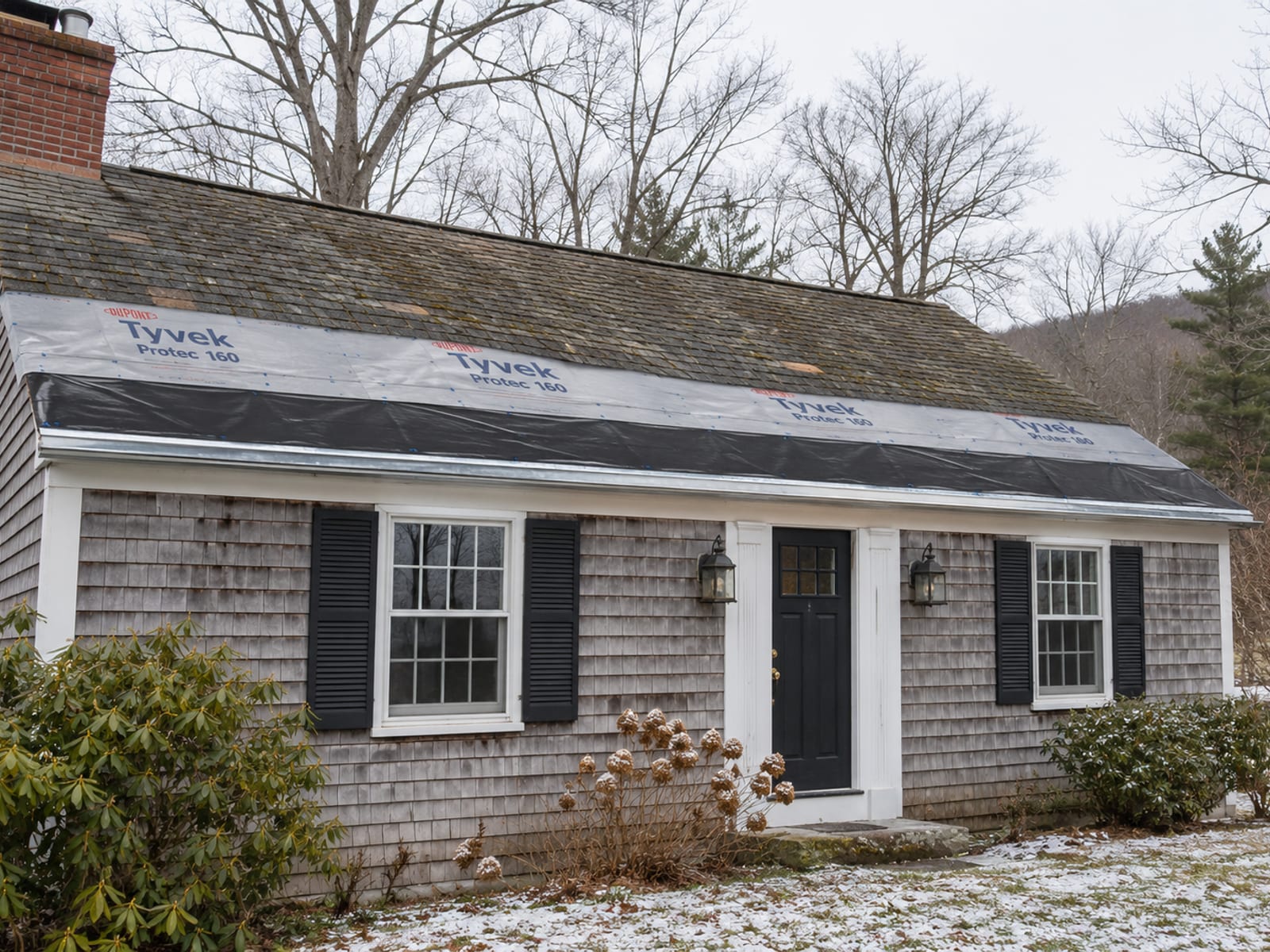
An ice barrier is a self-adhering membrane, or an approved underlayment assembly, installed at the eaves during reroofing or roof repair. Its job is to keep water out of the house if it backs up. It does not remove the cause, so it works alongside the three steps above and never in place of them.
Heat cables and heated gutters can keep a narrow drainage channel open at a trouble spot, but they do not replace air sealing, insulation or ventilation. We cover what they can and cannot do, what they cost to run and how to install them safely in a separate guide to roof heat cables and heated gutters.
What You Can Do From the Ground Before the Next Storm
You do not have to go near the roof to gather useful information. Stay on the ground and keep people, pets and cars away from the edge under hanging icicles, because they can fall without warning. Take photos of the eaves, gutters and any stains on ceilings and walls inside, with dates, so a contractor or insurer can see how the problem developed.
Do not climb onto the roof, set a ladder against a snowy or icy edge, or chip at the ice. Hacking at a dam can tear shingles and drop ice on you, and it can leave the roof worse than before. A non-metal roof rake used from the ground can pull fresh snow off the lower edge before it feeds a dam, and our guide to using a roof rake safely covers how. Anything beyond that, including snow that is heavy or stuck, is work for trained professionals. Our guide to safe ice dam removal options covers what a safe response looks like when water is coming in right now.
In the attic, with your own eyes from the hatch or a floor you can stand on safely, you can often spot some of the signs. Look for daylight around penetrations, flattened or stained insulation, damp wood, frost on the underside of the roof deck, and insulation pushed up against the eaves. A blower-door or infrared evaluation can then pinpoint where the heat is escaping. If you see wet insulation or active water, stop and call for an inspection.
Connecticut's Building Code, Permits and Energize Connecticut Help Shape the Plan
The Connecticut State Building Code now in force applies to permit applications filed from October 1, 2022, and it adopts the 2021 International Residential Code and the 2021 International Energy Conservation Code. The full code text sets permit and inspection rules, but whether your job needs a permit depends on the work. Reroofing, structural repair, ventilation changes, insulation work and any electrical work may be treated differently, so ask your town building department before work starts and get in writing who will pull the permit.
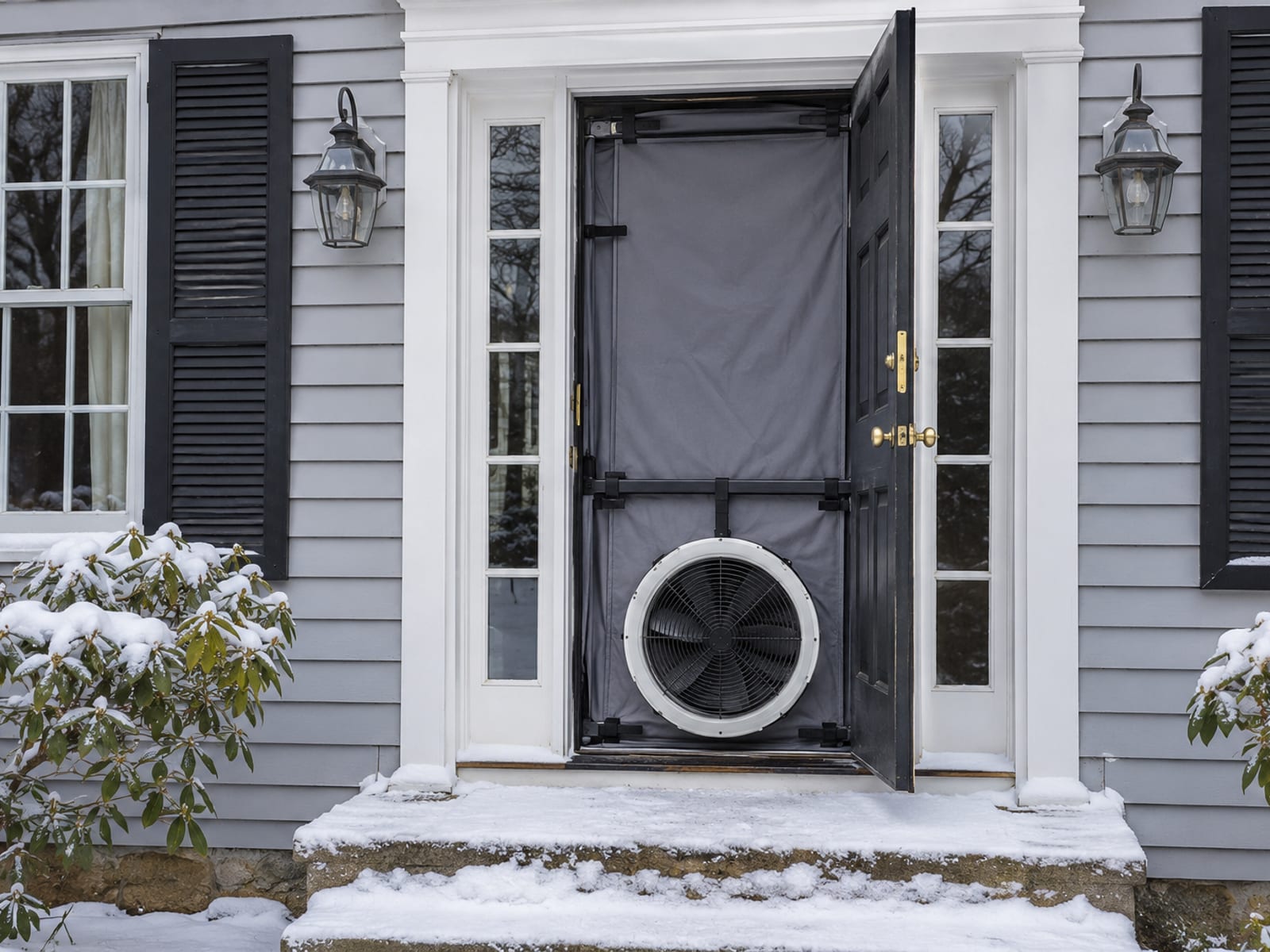
The Home Energy Solutions visit includes blower-door testing to find drafts and leaks, plus air sealing at no cost for up to seven hours, with more time possible for larger or older homes at extra charge. The program lists a $40 copay for the initial visit in the applicable tier as of April 1, 2026, and program rules apply. Because a Home Energy Solutions visit finds the air leaks first, it fits neatly into the sequence above, and the written recommendations help you scope the insulation job.
Costs Follow the Attic, the Roof and the Access
No single price covers ice-dam prevention in Connecticut, because the work is a bundle of separate jobs, and a house may need only some of them. Instead of one number, look at what moves the total. The factors below are the ones to see itemized in any written proposal.
What Moves the Cost of Ice-Dam Prevention
More floor area and a deeper gap to the R-49 to R-60 target mean more material and labor.
Tap a factor to see how it moves the price.
Compare scopes rather than totals. A proposal that is a single lump sum makes it hard to tell what you are paying for, and a cheap roof-only bid may leave the cause in the attic untouched.
A Good Proposal Covers the Whole Problem, Not Only the Roof
Ask for a written, itemized proposal that separates emergency water control, roof and flashing repairs, air sealing, insulation, ventilation, eave ice barrier work, interior drying and permits. Splitting the job this way lets you see which pieces one contractor does and which ones need a second trade.
Connecticut law gives you protections to use. Home improvement contractors must be registered with the Department of Consumer Protection, and you can verify a registration through the state's eLicense lookup before you sign. The contract must include the contractor's registration number, project dates, scope, price and a cancellation notice. The three-business-day cancellation right is described on the state's home improvement contractor page.
Before you hire, ask these questions:
- Where is the water coming from? The attic, the roof or both
- Which air leaks will be sealed? And what R-value the finished attic will have
- How will soffit ventilation stay open? Baffles at the eaves are the usual answer
- Who pulls the permit? And who arranges inspections
- What does the warranty cover? Workmanship and manufacturer terms, in writing
A roofer is responsible for the workmanship and the materials the contract names, but ice dams can start with attic air leaks or thin insulation that a roofing contract may not include. The contract should state whether air sealing, insulation, ventilation and the ice barrier are part of the job.
Keep the Fix Working Season After Season
Once the attic is sealed, insulated and vented, a little upkeep keeps it that way. Before each winter, look at the attic from the hatch for insulation that has slumped or been pushed into the eaves, and make sure nothing stored up there is blocking the soffit vents. Any new recessed light, bath fan or wiring job should be closed up properly so it does not open a new air path.
A mistake to avoid is fixing the stain before fixing the cause. Painting over a ceiling mark without drying the framing and correcting the leak hides a problem that will come back, and insulation added before air sealing leaves the leaks open underneath it.
Frequently Asked Questions About Ice Dams in Connecticut
Why am I getting ice dams on my roof?
Heat escaping from the house warms parts of the roof, so snow melts there and the water runs down to the colder eave, where it refreezes. Air leaks through the ceiling, thin insulation and heat from chimneys, ducts or recessed lights are the usual causes. Repeated melting and freezing builds the dam.
What can I put on my roof to prevent ice dams?
A coating or surface treatment is not the main answer. The recommended work is air sealing, then insulation, then balanced attic ventilation. During reroofing, an eave ice barrier limits water damage if the water backs up, but it does not fix the heat loss that causes the dam.
Do heat cables work for ice dams?
They can keep a drainage path open along a selected eave or gutter, but they do not fix heat loss. They should follow the manufacturer's instructions and are not a substitute for air sealing, insulation and ventilation.
Do gutters cause ice dams?
Gutters are not the main cause. The dam forms because snow melts on a warmer upper roof and refreezes at the colder eave. Ice can damage gutters, and gutters influence where water collects at the edge.
Should I cover my whole roof with ice and water shield?
The code's ice-barrier rule generally focuses on the eaves and other vulnerable areas, not the whole roof. Covering more of the roof is a design choice that depends on the roof covering, slope, manufacturer requirements and local code. Your contractor and building official can tell you what fits your roof.
How much insulation does a Connecticut attic need?
ENERGY STAR's retrofit guidance for zones 5 to 8 gives an attic target of R-49 to R-60, depending on the insulation already in place. Air seal first so the insulation can do its job.
Is my roofer responsible for ice dams?
It depends on the contract, the installation and the condition of the building. A roofer answers for the workmanship and materials the contract covers, but recurring ice dams often start in attic air leaks or insulation outside a roofing scope. The contract should say what is included.
Quick Ice Dam Prevention Knowledge Check
1. What usually starts an ice dam?
2. What is the right order for attic prevention work?
3. What does an eave ice barrier do?
4. What should you do about ice you can see on the eaves?
5. What should a written proposal for ice-dam prevention include?
Final Thoughts
Ice dams come from heat leaving the house, so the dependable fix is to seal the ceiling, add insulation up to the target for Connecticut's climate zone, and keep the attic vents open. An eave ice barrier backs that up by protecting the roof when water does collect. Until the work is done, stay on the ground, keep clear of falling icicles and leave the ice alone.
Done in the right order, this work protects the roof, the insulation and the ceilings below from repeated winter water. Energize Connecticut's Home Energy Solutions visit is a practical place to start on the attic side, subject to program rules.
If you had ice dams last winter and want to know whether the water is coming from the attic or the roof, American Quality Roofing and Siding can help. We serve Central and Western Connecticut from Brookfield, and we are licensed and insured under CT HIC #0633301. Request a free estimate or call us, and we will look at the roof side of the problem before any work is booked.
Written by Jose Zaruma, American Quality Roofing and Siding.
← Back to the blog