Roofing Guide
How to Choose a Roof Installation Contractor
By Jose ZarumaPublished
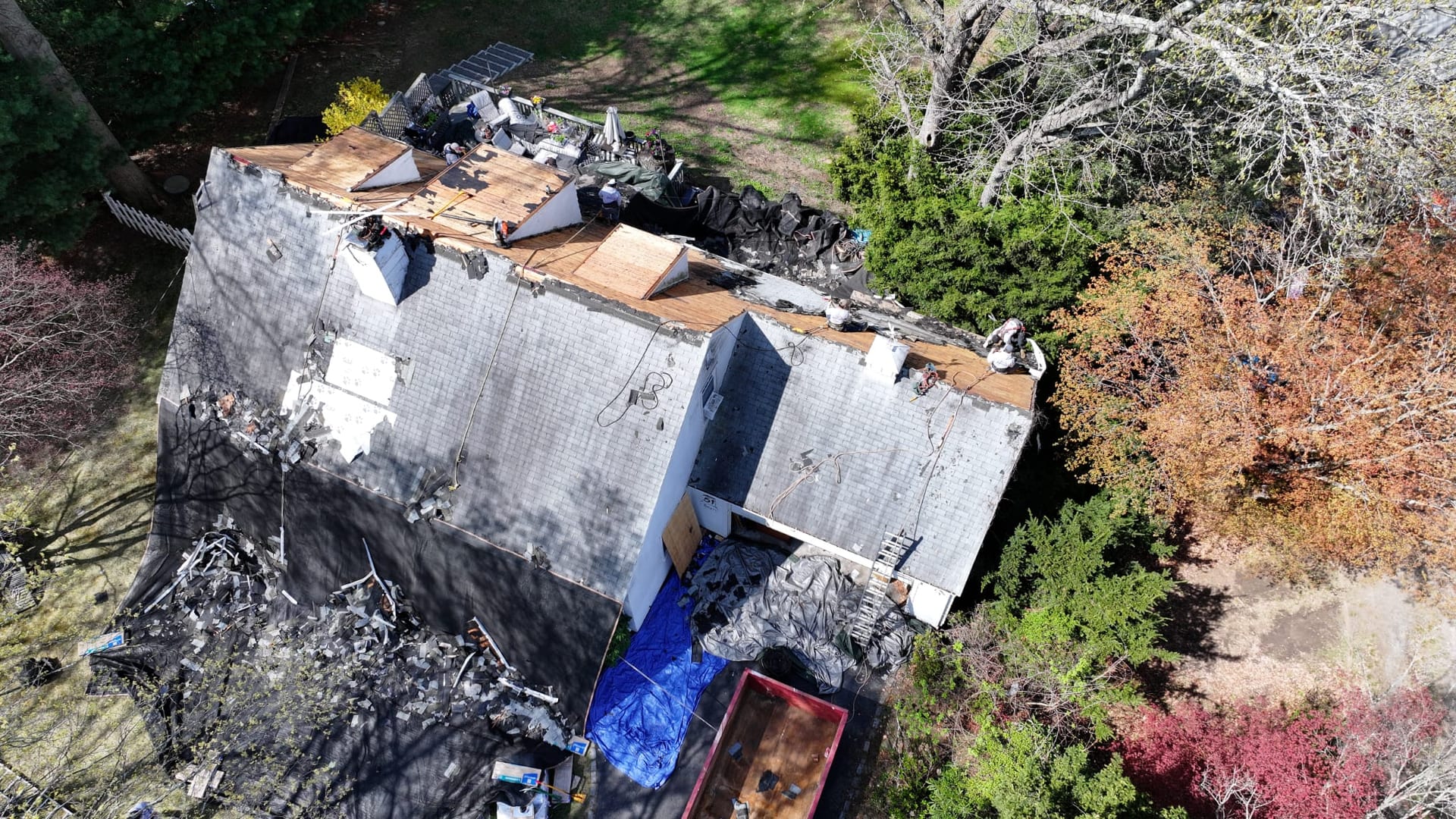
Hiring the wrong roof installation contractor can cost you far more than a bad experience. It can mean leaks that damage your ceilings, failed inspections, voided warranties, and bills to fix someone else's mistakes. That fear is completely reasonable, especially when you consider how many roofing companies appear after a storm, offer suspiciously low prices, and disappear just as fast.
Connecticut homeowners face an added layer of complexity because the state has specific registration requirements, and local weather conditions make proper installation even more critical. Most people only replace a roof once or twice in their lifetime, so the selection process may feel unfamiliar and overwhelming. Checking a few key factors before signing anything can protect you from the most common problems. This post walks you through exactly what to look for so you can hire with confidence.
Key Takeaways
License and Registration
Connecticut requires home improvement contractors to register with the Department of Consumer Protection for jobs over $200, so always verify active status before hiring.
Insurance is Non-Negotiable
Any contractor working on your roof must carry general liability insurance and workers' compensation coverage that remains valid through the entire project.
OSHA Safety Compliance
Federal law requires fall protection for workers at heights of 6 feet or more, and a contractor who ignores this standard creates legal and financial risk for you.
Experience and References Matter
Contractors with 5 to 10 or more years of local experience, verifiable references, and a portfolio of completed projects are far less likely to cut corners.
Detailed Written Proposals
A legitimate contractor will give you a line-by-line written proposal covering materials, timeline, payment terms, and cleanup protocols.
Warranties Need Scrutiny
Material warranties and workmanship warranties are different, and understanding what each covers, and what voids them, protects your investment long after the job is done.
1. Why Choosing the Right Roofing Contractor Matters
Your roof is one of the most protective and expensive components of your property, and a failed installation can trigger a cascade of problems that take years to fully surface. Water intrusion from poor flashing work, inadequate ventilation, or improper underlayment can rot structural sheathing, grow mold, and compromise insulation before you ever notice a stain on your ceiling. In Connecticut, where winters bring heavy snow loads, ice dams, and freeze-thaw cycles, a roof that was not installed to local building codes and weather standards may fail much sooner than expected.
Why Low Bids Are a Warning Sign
The National Roofing Contractors Association advises homeowners to treat unrealistically low bids with skepticism. A bid that comes in dramatically under the competition often signals that the contractor is cutting corners on materials, skipping required permits, or using inexperienced crew members who may not follow proper installation procedures. When a contractor underbids a job, the shortcuts taken to stay profitable almost always show up later as leaks, callbacks, and disputes. Price is worth considering, but it should never be the primary reason you choose a roofer.
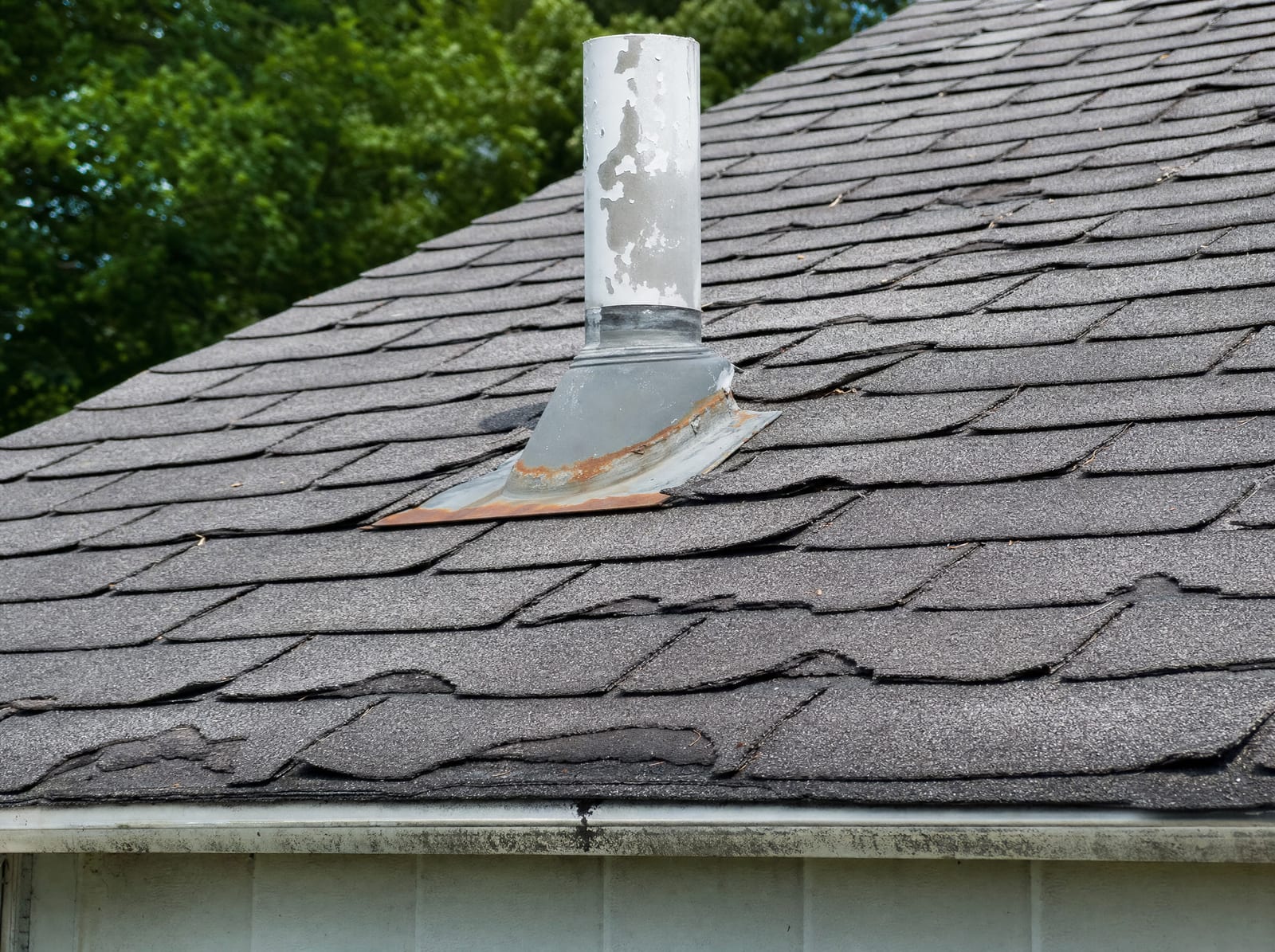
2. Red Flags That Signal a Problem Contractor
Some warning signs are obvious, like a contractor who asks for full payment upfront or refuses to provide a written contract. Others are more subtle.
Sign A: No Verifiable Local Presence
A legitimate roofing contractor will have a permanent business address, a working phone number, and a verifiable tax ID. NRCA guidelines for selecting a contractor specifically recommend confirming that the business has a stable, established presence in your area. Contractors who work out of a truck with an out-of-state plate and no local address are often storm chasers who move from market to market after severe weather, collect deposits, and deliver subpar work before moving on. Checking the Better Business Bureau for unresolved complaints and searching the contractor's name online can reveal a lot about how they handle problems.
Sign B: Vague or Verbal Proposals
If a contractor gives you a verbal estimate and tells you to trust them on the details, that is a significant concern. NRCA steep-slope roofing guidelines emphasize the importance of written proposals that spell out materials, specifications, timelines, and payment milestones. A vague "materials supplied" clause with no specifics on underlayment type, shingle grade, or flashing material leaves you with no recourse if the finished product does not match what you expected.
3. Key Criteria for Evaluating a Roofing Contractor
Once you have ruled out obvious red flags, the real evaluation begins. These criteria apply whether you are replacing an asphalt shingle roof, installing metal roofing, or working with slate common in older Connecticut homes.
Factor A: Licensing, Registration, and Credentials
Connecticut does not require a separate statewide roofing license, but the Connecticut Home Improvement Act requires any contractor performing home improvement work over $200 to register with the Department of Consumer Protection. You can verify DCP registration status directly through the state. Beyond that, look for membership in professional associations like the National Roofing Contractors Association, which signals a commitment to ongoing training and industry standards. Manufacturer certifications from CertainTeed indicate that the crew has been trained to install specific products according to ASTM roofing standards, which may be required to activate extended warranty programs.
Factor B: Insurance Verification
General liability insurance and workers' compensation coverage are not optional. OSHA regulations under 29 CFR 1926 Subpart M require fall protection for workers at heights of 6 feet or more, and if a worker is injured on your property without proper coverage, you may be held financially responsible. Ask for certificates of insurance that name you as an additional insured, and contact the carrier directly to confirm the policy is active and will remain in force through project completion. According to NRCA guidance on financial stability, checking a contractor's Experience Modification Rate (EMR) is another useful step. An EMR below 1.0 indicates a below-average injury history, which suggests the company takes worker safety seriously.
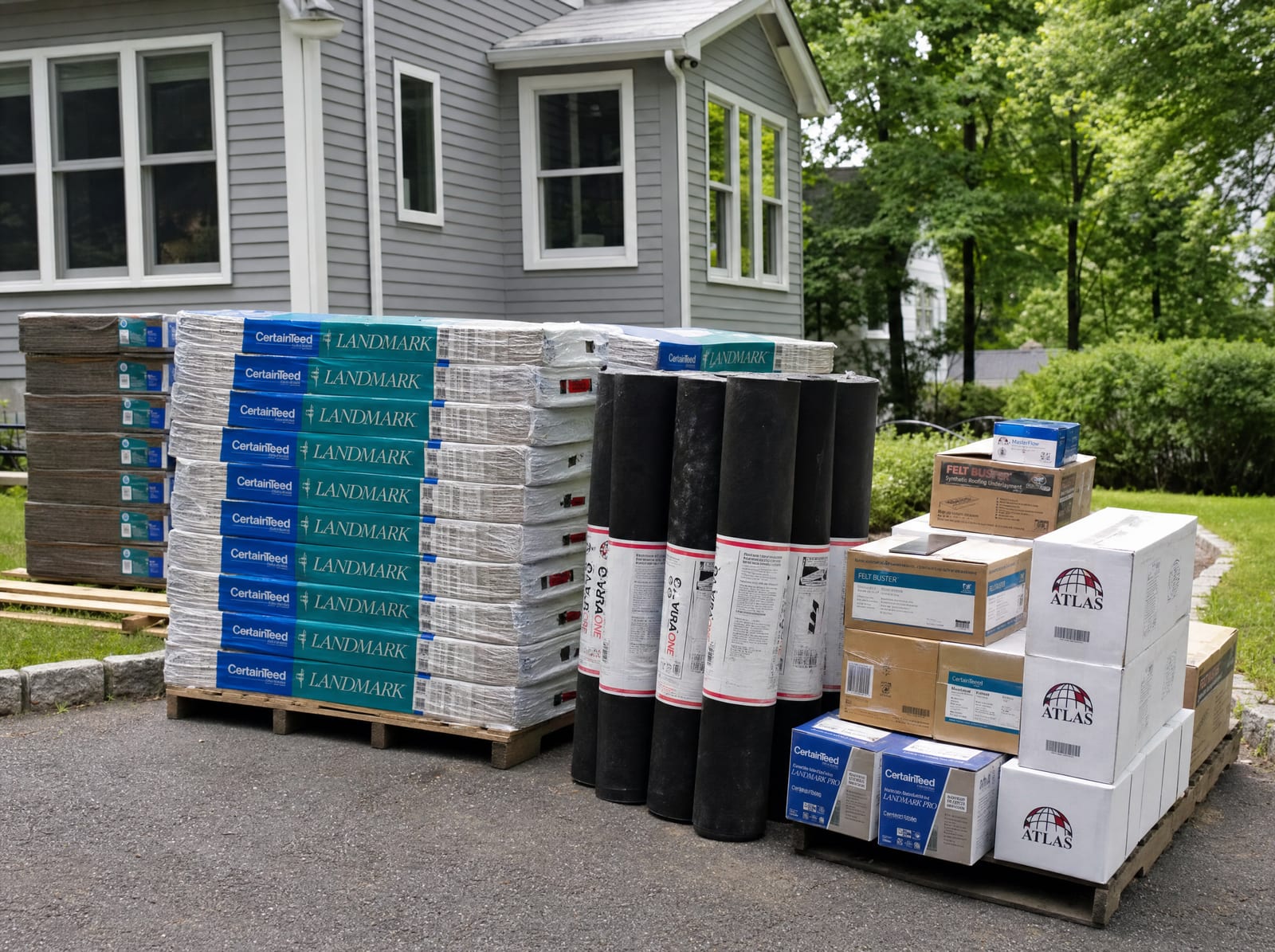
4. Regulatory and Safety Standards You Should Know About
Roofing work sits at the intersection of local building codes, federal safety regulations, and manufacturer installation requirements. Understanding these standards helps you ask the right questions and recognize when a contractor may be cutting corners.
OSHA Fall Protection Requirements
OSHA's fall protection standards for the construction industry require that contractors provide guardrails, safety nets, or personal fall arrest systems when workers are at heights of 6 feet or more. On low-slope roofs, warning line systems may be used under specific conditions as described in 29 CFR 1926.501. Falls remain the leading cause of fatalities in residential roofing, which makes OSHA compliance a direct indicator of how seriously a company manages its operations. A contractor who cannot produce documentation of OSHA training for their crew is telling you something important.
Connecticut Building Codes and Local Permits
Beyond federal requirements, ICC building codes and local municipality rules govern how roofing work must be performed and inspected in Connecticut. Pulling the required permits is the contractor's responsibility in most cases, and any company that suggests skipping permits to save time or money is exposing you to liability. Permitted work is inspected, which protects you by creating an official record that the installation met code.
5. A Step-by-Step Process for Choosing the Right Contractor
Working through a systematic process makes it much easier to compare contractors fairly and catch problems before they become expensive mistakes.
Step 1: Gather and Compare Multiple Written Bids
NRCA recommends requesting bids from at least three contractors and comparing them carefully rather than simply choosing the lowest price. A strong bid will include a line-item breakdown of materials with specific product names and grades, the underlayment type per ASTM D226, crew size, daily work schedules, and a clear cleanup protocol. When reviewing bids, pay attention to what is missing as much as what is included. Omissions around flashing materials, ventilation specifications, and debris disposal are often how lower bids cut costs in ways that are not immediately visible.
Step 2: Check References and Review Past Work
NRCA advises calling past clients to ask specific questions about timelines, cleanup habits, how problems were handled, and whether they would hire the contractor again. Request three to five recent local references, not just the one or two names every contractor keeps handy. If possible, ask to visit a completed project in your area. Looking at flashing installation quality around chimneys and skylights, checking ridge lines for uniformity, and examining ventilation placement can tell you a great deal about the crew's attention to detail.
Step 3: Verify Credentials Independently
Do not rely solely on what the contractor tells you about their licensing and insurance. Check DCP registration directly through the Connecticut Department of Consumer Protection, call the insurance carrier to confirm coverage, and search the contractor's name with the BBB for patterns in any complaints. Roofingforce.com's overview of roofer credentials notes that manufacturer certified installer status can be confirmed directly with the manufacturer, which is worth doing if a contractor is using that certification to justify a higher price or extended warranty.
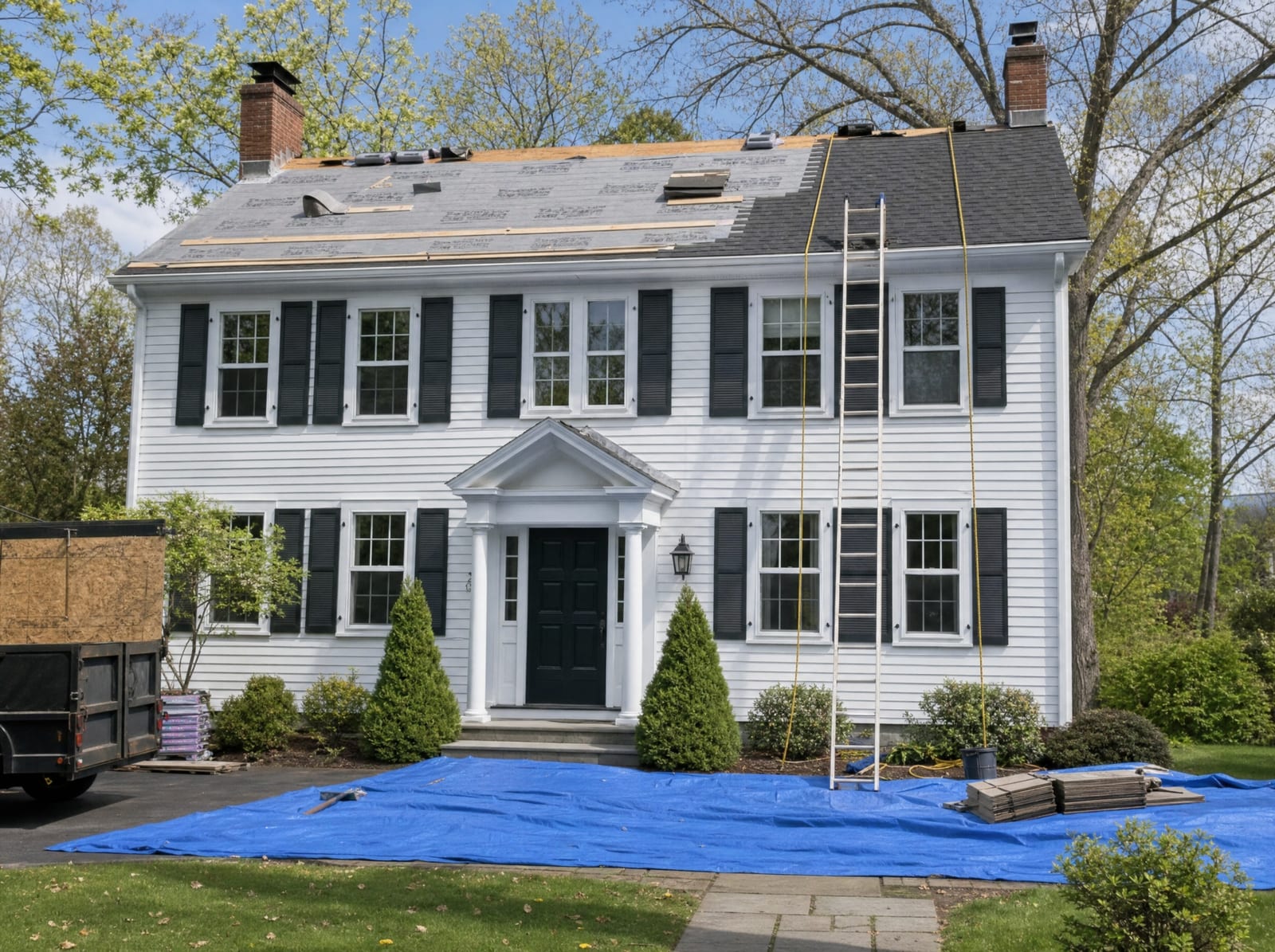
6. Protecting Your Investment After the Job Is Done
Warranties on roofing work come in two distinct categories. Material warranties cover defects in the shingles, underlayment, or other products used, and they are issued by the manufacturer. Workmanship warranties cover the quality of the installation itself and are issued by the contractor. NRCA guidance recommends aiming for transferable workmanship coverage of 10 years or more, without exclusions that void coverage for normal weather events. Be cautious about "lifetime" warranty claims that do not specify what "lifetime" means or what conditions can void the coverage.
Before the project begins, document pre-existing conditions on your roof with dated photographs. This protects both you and the contractor if a dispute arises later about whether a specific issue was pre-existing or caused by the installation. For homeowners pursuing energy-efficient roofing with Energy Star-rated products, confirm that the installation method meets the requirements for any rebate programs you plan to apply for.
Common Pitfalls When Hiring a Roofing Contractor
Even well-intentioned homeowners make mistakes when choosing a roofer, particularly when dealing with storm damage or time pressure.
Hiring the first contractor who knocks on your door after a storm is one of the most common errors. IBHS FORTIFIED roofing standards and other industry groups consistently warn against storm chaser contractors who appear in volume after severe weather events, offer to handle insurance claims on your behalf, and then deliver substandard work using inexpensive materials.
Skipping the contract review is another frequent mistake. Without a written contract specifying materials, timelines, and payment terms, you have little legal standing if the job goes sideways. Homeowners also sometimes overlook the difference between a contractor who has operated continuously for 10 to 25 years versus one incorporated last year, even if both claim years of experience. Business stability matters because a contractor with that kind of track record has survived the economic and industry changes that push less stable companies out of the market. Finally, avoid skipping the reference call step just because a contractor seems trustworthy in person. Charm and confidence are not substitutes for a verifiable track record.
Frequently Asked Questions About Roof Installation Contractors In CT
Q: Does Connecticut require a roofing contractor license? A: Connecticut does not issue a separate statewide roofing license, but the Connecticut Home Improvement Act requires any contractor performing home improvement work valued at over $200 to register with the Department of Consumer Protection. Always verify that a contractor's DCP registration is active before signing anything.
Q: What insurance should a roofing contractor carry? A: Any legitimate roofing contractor should carry general liability insurance, typically at $1 million or more in coverage, as well as workers' compensation insurance. OSHA regulations require contractors to protect workers from falls at 6 feet or higher, and without proper workers' comp coverage, an injured worker could potentially pursue a claim against you as the property owner.
Q: How many bids should I get before choosing a roofing contractor? A: Getting at least three written bids is generally recommended. NRCA guidance on selecting a contractor advises against choosing based on price alone; instead, compare the scope of work, materials specified, timeline, and warranty terms across each proposal. A significantly lower bid often reflects missing scope rather than genuine savings.
Q: What is an NRCA member roofer, and why does it matter? A: The National Roofing Contractors Association sets industry standards for training, safety, and installation quality. NRCA membership signals that a contractor has committed to staying current with industry best practices and has access to technical resources that help crews install roofing systems correctly.
Q: What does a roofing workmanship warranty typically cover? A: A workmanship warranty covers the quality of the installation work itself, separate from the material warranty that comes from the manufacturer. NRCA recommends looking for transferable workmanship warranties of at least 10 years without broad exclusions for common weather events. Read the fine print carefully, because some warranties include provisions that can void coverage if you make any modifications to the roof or surrounding areas without notifying the contractor.
Q: How do I know if a roofing contractor follows OSHA safety standards? A: Ask the contractor directly for documentation of OSHA fall protection training for their crew and request their Experience Modification Rate from their insurer. An EMR below 1.0 generally indicates fewer-than-average worker injuries. You can also observe whether workers on the job site are using harnesses, guardrails, or other fall protection as required by 29 CFR 1926 Subpart M.
Choosing a roof installation contractor does not have to feel like a gamble. Verifying registration and insurance, reviewing experience and references, comparing detailed written proposals, and understanding your warranties give you a clear path to making a confident decision. Taking the time to work through this process before signing a contract is what separates homeowners who end up with a quality roof from those who spend years dealing with leaks, disputes, and callbacks.
When you are ready to move forward, we are here to help. At American Quality Roofing & Siding, we have been serving Connecticut homeowners since 2006 with licensed, insured, and factory-certified roofing services. Call us today at (203) 470-0974 to schedule your free estimate.
Written by Jose Zaruma, American Quality Roofing and Siding.
← Back to the blog