Roofing Guide
Gutter Cleaning in Connecticut: When to Do It and What It Costs
By Jose ZarumaPublished
- gutters
- roof maintenance
- connecticut

Late October through November is the practical window for cleaning gutters in Connecticut, once most of the oak and maple leaves are down. If water is already spilling over the front edge, or a storm is a day or two out, clean sooner and plan a second pass after the last leaves fall.
UConn Extension's 2026 foliage report says color develops from late September through early November, and that oaks can hold their leaves into October and November. A gutter that is clear in the third week of October can fill again before Thanksgiving, which is why a house with mature oaks often needs two visits instead of one.
You can do the job yourself from a ladder if you can set it up correctly and have a second person with you. Never walk on the roof to reach a gutter. If the ladder setup is not possible, hiring it out is the safer call, and nationally that runs about $119 to $234 in HomeAdvisor's 2026 figures, with a few things on your own house moving the price.
Key Takeaways
Late October through November is the usual fall window, but water spilling over the edge or a storm in the forecast means clean now and again later.
Heavy oak and maple cover often calls for an early cleaning plus a late cleanup after the remaining leaves drop.
Sagging runs, gutters pulling from the fascia, overflow after cleaning and soft fascia or soffit are repair findings, not cleaning problems.
Set any ladder at a 1:4 ratio, keep three points of contact, work with a second person, and hire the job out when you cannot do that.
National price guides show $75 to $400 for a cleaning, so get a written scope that names downspout flushing, guard handling, cleanup and any repair priced separately.
Pick the Right Week for Cleaning After the Leaves Turn
The timing question has a simple first answer. If the gutters are already blocked or overflowing, clean them now. Restoring drainage matters more than waiting for the final leaf, because water running over the edge soaks the fascia and soffit and can collect beside the foundation.
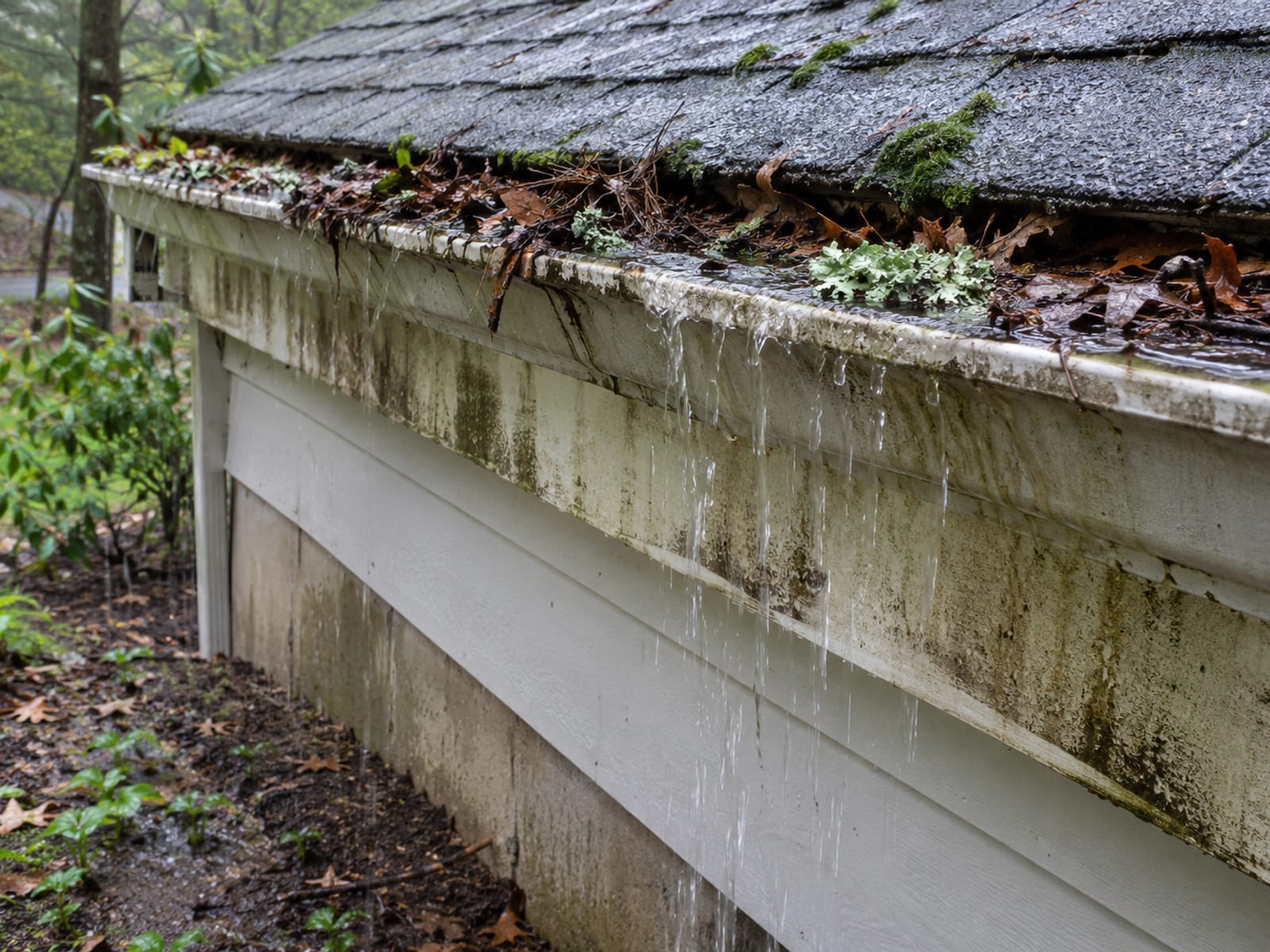
How many visits you need comes from the property. A lot with mature oaks, maples, birches or conifers may need an early fall cleaning and a later cleanup. A home with little tree cover may need less, though roof grit, seeds and storm debris still collect. Look at the gutters after leaf fall and after the first big storm, and let what you see set the schedule. If a company recommends a repeat visit, ask them to base it on what they saw at your house.
Spot the Signs That Cleaning Is No Longer Enough
Packed leaves are the obvious sign, but other clues show up from the ground. Water marks under the gutter, wet or stained fascia and soffit, plants growing in the trough, and downspouts that overflow all point to blocked drainage. So does water pooling near the foundation after rain.
A cleaning visit becomes a repair conversation when it turns up something that clearing out debris cannot fix. Cleaning restores flow, but it does not correct a failed slope, loose hardware, rotted trim, leaking seams or poor discharge.
Findings That Turn a Cleaning Into a Repair
Loose or missing hangers, debris weight, or poor slope
Tap a factor to see how it moves the price.
The Department of Energy's building science guidance explains why the last row matters: roof runoff that is not drained away can saturate the soil beside a building and wick through the foundation. Ask whoever cleans your gutters to photograph or report what they find, and to price each repair separately, marked as urgent, recommended or optional.
Set Up a Safe Cleaning Plan for Late Fall and Winter Weather
Do not walk on the roof to clean the gutters. Wet leaves, moss, frost and a steep pitch make a roof surface unforgiving, and nothing in a gutter is worth a fall. Work from the ground with a hose or a pole tool, or from a ladder, and check the roof only from the ground.
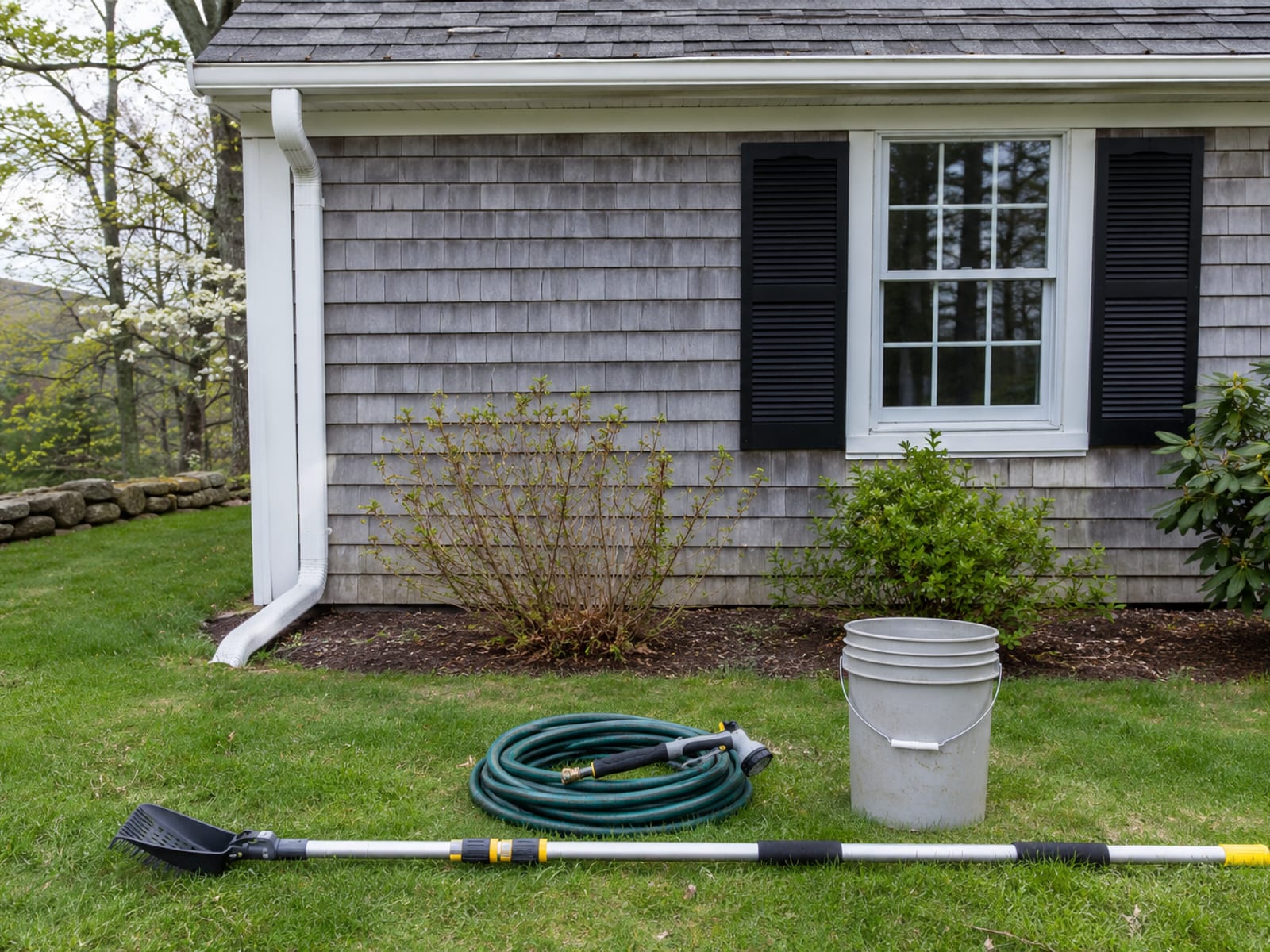
Carry tools in a bucket on a rope or in a tool belt so both hands stay free. Inspect the ladder before every use, set it on firm level ground, and look overhead for service wires. The Consumer Product Safety Commission advises against climbing a ladder alone, and a second person can steady the base and call for help.
Hire the work out for two-story and taller homes, steep or irregular rooflines, soft or sloping ground, ice or wet conditions, fragile gutters, overhead wires, and packed clogs. Ground-based tools such as telescoping poles with scoops, hose wands and vacuum attachments can clear some debris without a ladder, but heavy sludge, blocked elbows, guards and high rooflines call for a professional's equipment. If you are unclogging a downspout, clear the outlet, flush it with water and confirm the water leaves away from the house.
Know What Gutter Cleaning Costs and What Changes the Price
National price guides give a starting point, and they are national figures, not Connecticut quotes. HomeAdvisor's 2026 guide lists $119 to $234 for professional gutter cleaning, with a $168 average, or $0.95 to $2.25 per linear foot. It adds that downspout flushing and minor repairs can add $50 to $100. Angi's 2026 hiring guide shows a wider range of $75 to $400, with an average around $170.
Time on site follows the house. HomeAdvisor reports about an hour for an average single-story home and two to three hours for taller houses, with guards and packed clogs adding time. Your own quote should come from your gutter length, your stories and your debris, so treat the national numbers as a way to spot a price that is far off, not as a quote.
What Moves the Price of a Gutter Cleaning
Longer runs take more time on site and are often priced per linear foot
Tap a factor to see how it moves the price.
A one-time visit and a recurring maintenance plan may also be priced differently. If the job is not urgent, get more than one written estimate and compare the scope line by line, not only the total.
See How Connecticut Weather and Older Homes Affect the Job
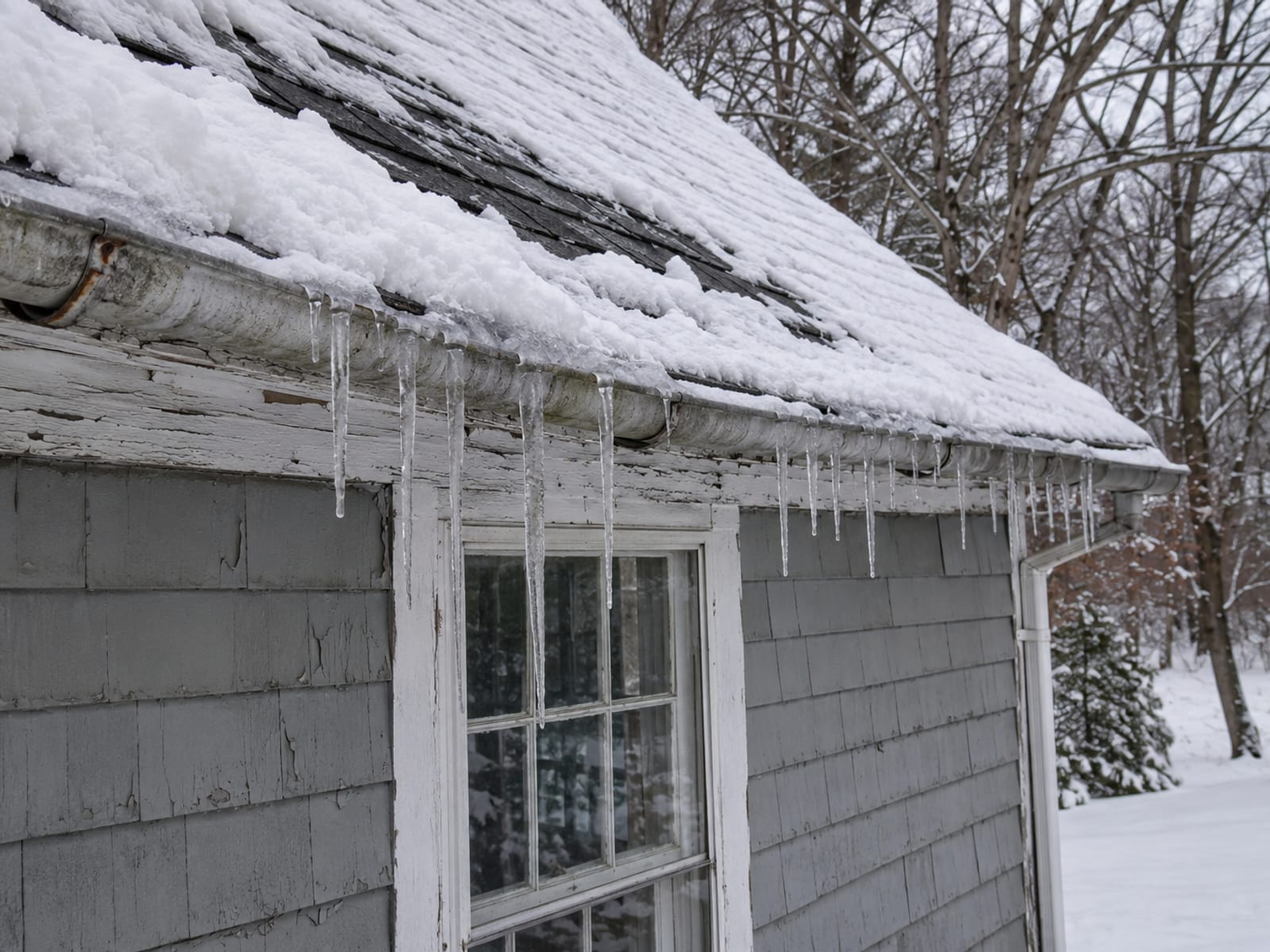
Connecticut gutters take a lot. Heavy rain, wet snow, freezing temperatures, ice and strong wind all load the hangers, fascia and roof edge, and an inspection after a major storm tells you more than a calendar date. Older homes can carry older gutters, hangers and trim, so the condition check matters as much as the cleaning.
Water leaving the house matters too. The Department of Energy recommends downspouts that carry water to sloping grade more than 5 feet from the foundation, or to an underground catchment more than 10 feet away.
Permits depend on the work. Connecticut's Department of Consumer Protection treats property maintenance and cleaning as outside the definition of home improvement. Permanent repairs, gutter replacement, fascia work or drainage changes are treated differently and may need a local building permit under the 2022 Connecticut State Building Code. Describe the exact job to your town building department, and remember the homeowner stays responsible for confirming a required permit is in place.
Confirm the Right Things Before Hiring a Connecticut Contractor
For a plain cleaning, the written scope is what protects you. Ask whether it includes gutter debris removal, downspout flushing and testing, haul-away, and a report on any damage. Ask whether guards will be taken off and put back, and whether minor repairs are included or priced on their own. A verbal price with no written scope leaves room for a "cleaning" quote to turn into a larger bill.
Once the work includes repairs or alterations, Connecticut's contract rules apply. The Department of Consumer Protection says a home improvement contract must be in writing and include the contractor's HIC registration number, the transaction date, start and completion dates, the cancellation date, a description of the work and the price. You have a three-business-day right to cancel, and Saturday counts as a business day.
The state's checklist for hiring a contractor adds the rest. Verify the registration and its dates, ask for current liability and workers' compensation documents, and confirm general liability coverage meets the $20,000 minimum for registration. Get two or three estimates, ask for references, tie payments to progress, and avoid anyone who wants all or most of the money up front. Use a traceable payment method, and keep every written warranty and promise.
Decide Where Gutter Guards Fit After Cleaning
Once the gutters are clean and any repairs are made, the debris question remains. If you are cleaning more than once a season, gutter guards are worth a look, and the cleaning visit is a good time to judge it. The packed spots, the guard condition if you already have them and where the downspouts discharge all tell you whether a guard fits your house.
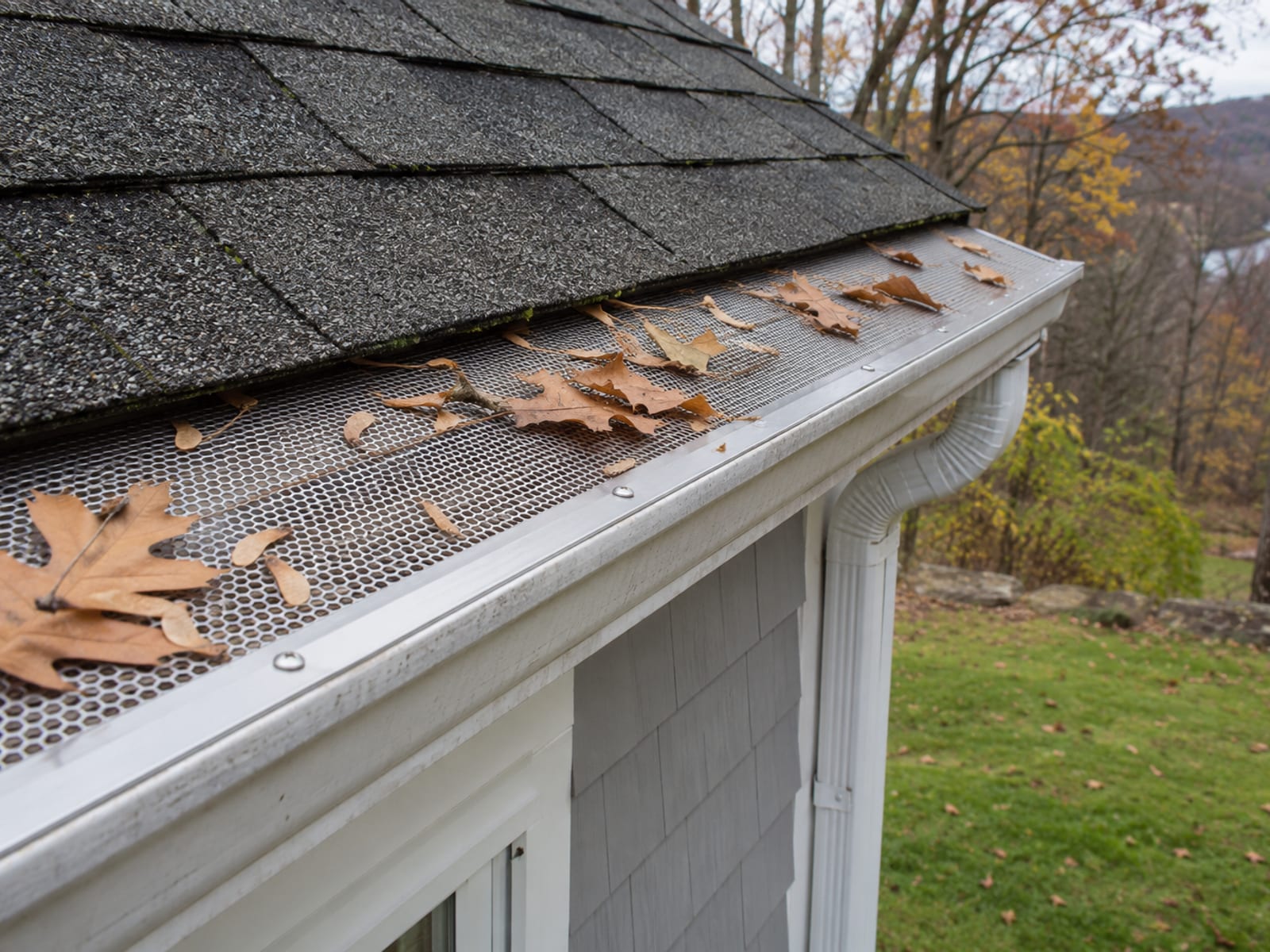
How a guard is attached and what happens to the existing gutters is part of leaf gutter guard installation. If the cleaning turns up gutters past saving, a new run is a different decision, and gutter installation is where that starts. When guards or a new system are involved, ask for the product name, the installation instructions and the warranty terms in writing.
Frequently Asked Questions About Gutter Cleaning in Connecticut
How many times a year should gutters be cleaned in Connecticut?
It depends on the property. Heavy oak and maple cover often means an early fall cleaning plus a later cleanup, while a house with few trees may need less. Check the gutters after leaf fall and after major storms, then set the schedule from what you see.
Is it okay to walk on the roof to clean gutters?
No. Work from the ground or from a properly set ladder, or hire the job out. Wet leaves, moss and frost make a roof surface unsafe.
Does gutter cleaning include the downspouts?
Not automatically. HomeAdvisor lists downspout flushing as an added service, and Angi advises asking whether downspouts will be flushed and tested. Get it written into the estimate.
What happens if gutters are never cleaned?
Debris can block the gutter and downspout, so roof runoff spills against the fascia and soffit or pools near the foundation. Over time that can mean rot, wet soil against the foundation and added strain on the gutter itself. In winter, blocked drainage can add to ice trouble at the eave, although the main cause of ice dams is roof heat.
How do I know if the gutter needs repair and not just cleaning?
Look for sagging between hangers, a section pulling from the fascia, leaking seams, and overflow that continues after the debris is gone. Soft or stained fascia and soffit are also repair signs. Ask for these findings in writing, priced separately from the cleaning.
Do I need a permit for gutter cleaning?
Cleaning is treated as property maintenance, not home improvement. If the job includes permanent repairs, replacement, fascia work or drainage changes, ask your town building department whether a permit is needed.
Quick Gutter Cleaning Knowledge Check
1. When is the practical fall window for gutter cleaning in Connecticut?
2. What should you do if water is already spilling over the gutter edge?
3. What is the OSHA setup ratio for a leaning ladder?
4. Which finding turns a cleaning into a repair?
5. What should a written cleaning scope name?
Final Thoughts
Plan around late October through November, move sooner if water is already spilling over, and let your trees decide whether you need one visit or two. Keep off the roof, set any ladder at the 1:4 ratio with a second person, and hire the work out when you cannot do that safely. Ask for a written scope, and expect repair findings to be priced separately.
A clear gutter protects the fascia, the soffit and the ground beside your foundation through the winter, and the steps above cost little compared with the damage that standing water can cause.
If the leaves come down and you find sagging runs, gutters pulling from the fascia or overflow that will not stop, we can help. American Quality Roofing and Siding repairs gutters, installs seamless gutters and gutter guards, and works with homeowners across Central and Western Connecticut. We are licensed and insured, CT HIC #0633301, and our estimates are free. Request a free estimate or call us, and we will tell you what the gutters need.
Written by Jose Zaruma, American Quality Roofing and Siding.
← Back to the blog