What Affects the Cost of Roof Installation in CT?
You get three quotes for a new roof on your Hartford Colonial, and the numbers jump from $12,000 to $25,000. One contractor mentions frost protection, another talks about wetlands permits, and a third warns about steep pitch pricing. Most Connecticut homeowners face this confusion because roofing costs in CT range from $6,630 to over $30,000, driven by factors that go far beyond shingle choices. The state’s 42-inch frost line, mandatory ice barriers, and local zoning reviews for slopes near wetlands create cost layers that other regions don’t face. Weather delays from freeze-thaw cycles, required erosion controls for hilly properties, and spite access laws protecting contractor entry all add predictable premiums to your final bill. Understanding these Connecticut-specific drivers can help you anticipate the real numbers, verify transparent bids, and plan a realistic budget for your 3-7 day installation with minimal yard disruption.
Key Takeaways
- Roof costs in CT span $6,000 to $30,000: Basic asphalt on 2,000 square feet runs $10,000-$15,000, while premium materials or steep slopes add $5,000-$15,000 more
- Frost and ice protection drive up prep costs: 42-inch frost depths and 24-inch interior ice shields boost preparation by 10-20%
- Local permits flag potential fees early: Zoning reviews take 7-14 days and can catch wetlands or slope issues that add $500-$2,000
- Labor varies significantly with roof pitch: Flat roofs install faster and cheaper, while steep or sloped designs increase labor 25-50% due to safety equipment needs
- Materials dominate 40-60% of total cost: Asphalt averages $4 per square foot versus metal at $10+, with durability requirements driven by state code
- Yard disruption stays minimal: Tear-off takes 1-2 days with daily cleanup, and full restoration happens by project end
Understanding Roof Installation Cost Factors in CT
Professional roofing projects in Connecticut tally materials, labor hours, and regional mandates that DIY approaches often miss. The state’s frost protection requirements and wetlands buffer rules create compliance costs that contractors must build into every estimate. Steep terrain common across Fairfield and Litchfield counties demands erosion controls during installation. Spite laws throughout the state protect contractor access without neighbor interference, preventing delays that could add overtime charges. These Connecticut-specific elements stack on top of standard roofing expenses like shingle selection and tear-off labor, making local expertise valuable for accurate budgeting.
The typical Connecticut roof replacement involves coordinated steps that homeowners might not consider when reviewing quotes. Contractors must scan for underground utilities before tear-off, rent dumpsters for debris removal, and potentially conduct asbestos testing on pre-1980 homes. State building code interpretations require frost-protected shallow foundations or enhanced flashing for any roof tie-ins like dormers, adding excavation or specialty materials. Wetlands proximity triggers reviews if drainage patterns change within 100-200 feet of protected areas. Each factor adds labor hours or material costs that legitimate contractors include upfront, while less experienced bidders may underprice and surprise you with change orders mid-project.
Local Roof Environment and Cost Drivers
Connecticut’s Climate Zone 5A designation brings freeze-thaw cycles that other regions avoid. Ice and water shields must extend 24 inches inside exterior walls to prevent infiltration, requiring extra rolls of underlayment compared to southern states. Wooded slopes and coastal zones mean many properties sit near regulated wetlands, where grading checks happen before tear-off begins. Contractors often face delays waiting for ground to thaw in early spring or rushing to beat November freezes, compressing the installation season and inflating demand-driven pricing.
Heavy snow loads across the state require stronger shingle adhesion and valley flashing to handle runoff. NOAA Zone 5A winters push contractors to use higher-grade underlayment and fasteners, adding 15-30% to material costs versus milder climates. Steep-pitched roofs common in New England architecture shed snow better but demand harnesses and scaffolding that slow installation. These environmental realities create a baseline cost floor that national averages don’t capture.
National vs. CT Installation Cost Ranges
Baseline roofing costs rise 15-30% in Connecticut compared to states with milder climates. Frost protection excavation, mandatory ice barriers, and weather-related delays drive premiums that homeowners in Georgia or Texas don’t encounter. National averages for a 2,000 square foot roof span $8,000-$20,000, but Connecticut projects typically start at $10,000 and can exceed $25,000 when local code requirements and terrain challenges factor in. The difference comes from deeper footings for frost lines, enhanced underlayment for freeze-thaw cycles, and erosion controls for sloped lots near wetlands.
Regional labor rates also influence totals. Connecticut contractors command higher hourly wages due to cost of living and seasonal demand compression. The state’s 5-6 month optimal roofing window (late April through early November) means crews book out quickly, and rush jobs can add 10-20% premiums. Homeowners in warmer states spread projects year-round, keeping competition high and prices lower. These geographic realities make apples-to-apples comparisons with national data misleading for accurate Connecticut budgeting.
Typical Cost Ranges by Roof Size
A standard 2,000 square foot Connecticut roof with asphalt shingles costs $10,000-$25,000 installed, depending on pitch and complexity. Smaller homes around 1,200 square feet may see $7,000-$12,000 totals, while larger 3,000+ square foot roofs with multiple valleys or dormers push toward $30,000-$40,000. These ranges include tear-off, disposal, materials, labor, and permits. Flat or low-slope roofs on ranch homes come in at the lower end, while multi-level Colonials or Victorian styles with steep pitches hit upper brackets.
Size alone doesn’t determine cost when Connecticut-specific factors enter. A 1,500 square foot roof near wetlands might exceed a 2,500 square foot suburban roof’s cost if erosion controls and extended permits apply. Homeowners should request quotes based on exact square footage, pitch measurements, and site conditions rather than relying on national averages.
Breakdown Models by Material
Asphalt shingles average $400-$600 per square (100 square feet) installed in Connecticut, making them the most budget-friendly option at $3.50-$7.50 per square foot. Metal roofing runs $800-$1,200 per square, offering durability that handles Connecticut’s snow and wind loads better over 40-50 year lifespans. Slate or tile can reach $1,500-$3,000 per square but requires structural reinforcement on older homes, adding framing costs.
Material choice ripples through other expenses. Heavier metals demand stronger roof decking, while lightweight asphalt allows faster installation. Code-driven durability standards in Connecticut push many contractors toward mid-grade or premium shingles that withstand freeze-thaw better than builder-grade options common in warmer states. This upfront investment reduces callback rates for wind damage or ice dam leaks, protecting both homeowner and contractor.
Key Cost Components in Roof Installation
Every Connecticut roof replacement breaks down into predictable categories that contractors price separately or bundle. Understanding these core elements helps you verify bid accuracy and spot potential hidden fees. Materials, labor, site preparation, and disposal form the foundation, with Connecticut-specific add-ons like frost protection and permits layering on top. Transparent contractors itemize each component, showing exactly where your budget goes and making comparisons between quotes easier.
The largest single expense typically falls to materials, consuming 40-60% of the total project cost. Labor comes next at 25-35%, followed by disposal and permits. Preparation work like utility scans or asbestos testing can add surprise costs if not addressed upfront. Homeowners who request detailed breakdowns during bidding avoid change orders later when contractors encounter unexpected structural issues or code compliance needs.
Site Prep and Tear-Off
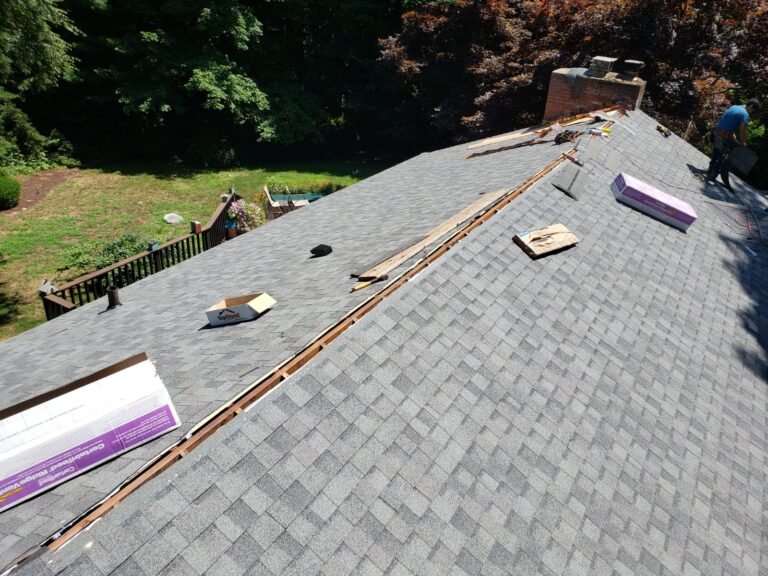
Before new shingles go up, crews must remove old roofing down to the deck. Tear-off labor runs $2-$4 per square foot in Connecticut, taking 1-2 days for typical homes. Dumpster rentals add $500-$1,000 depending on debris volume. Pre-1980 homes may need asbestos testing if suspected in old materials, adding $200-$500 and potential remediation costs if positive results come back. Utility companies mark underground lines before work starts, a free service that prevents costly accidents.
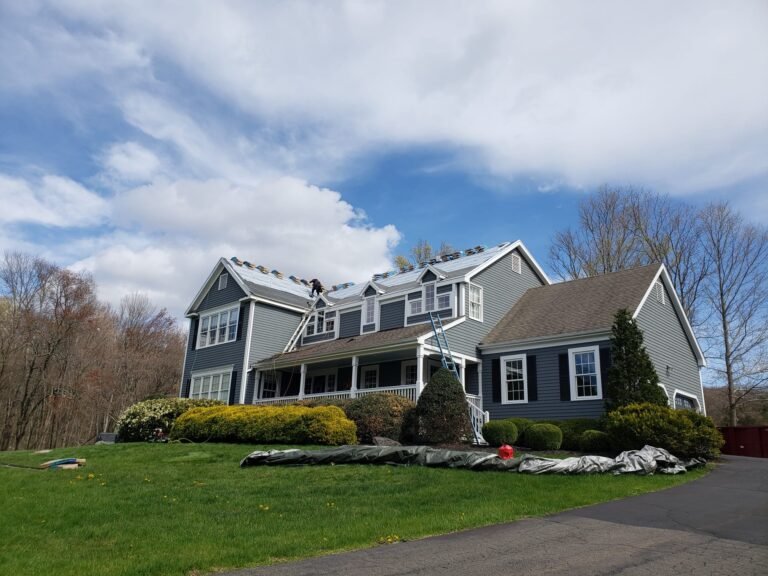
Site protection measures keep your property safe during demolition. Tarps cover landscaping near the house, plywood sheets protect driveways from dumpster weight, and magnetic sweepers collect stray nails daily. These steps maintain your yard’s condition throughout the 1-2 day tear-off phase, addressing homeowner concerns about prolonged disruption. Contractors who skip proper prep risk damage claims that inflate final costs.
Materials and Underlayment
Shingles, flashing, drip edge, and fasteners make up the visible roof, but underlayment provides critical protection. Connecticut code requires ice and water shields extending 24 inches inside exterior walls, adding premium underlayment costs versus standard felt paper. Valleys and penetrations around chimneys or vents need extra layers. A 2,000 square foot roof might use 25-30 squares of shingles plus 4-6 rolls of ice shield, totaling $4,000-$8,000 in materials alone for mid-grade asphalt.
Quality differences within material grades significantly affect longevity. Architectural shingles with 30-year warranties cost 20-40% more than 3-tab options but handle Connecticut winters better. Metal roofing materials start around $6 per square foot but last twice as long as asphalt, making lifetime cost comparisons favorable despite higher upfront investment. Contractors should specify brand names and warranty terms in quotes so you can verify grade claims.
Labor and Equipment
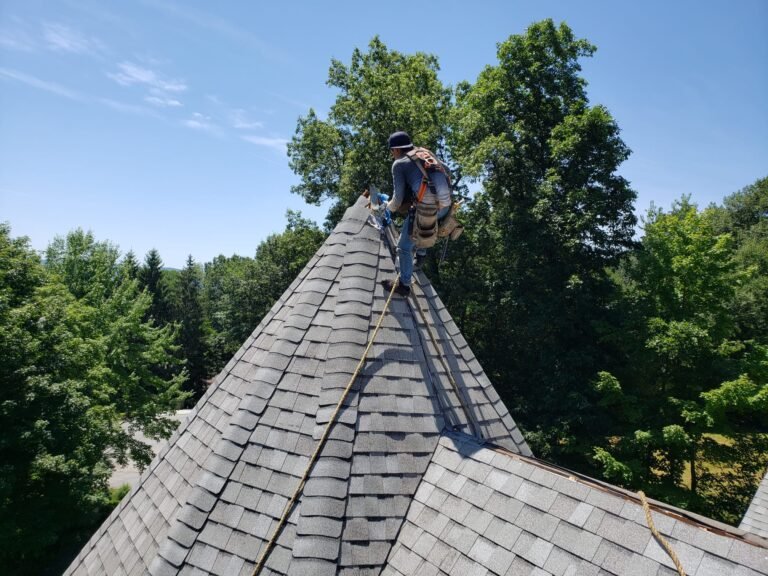
Installation labor averages $2-$5 per square foot in Connecticut, varying with crew size and project complexity. Simple gable roofs on ranch homes allow faster work, while multi-level designs with dormers or skylights slow progress. Steep pitches over 6:12 require safety harnesses and roof jacks, increasing labor costs 25% or more due to slower movement and added equipment rental. Union crews in urban areas command higher wages than non-union rural teams.
Equipment rentals beyond basic ladders and nail guns can add $500-$2,000 to projects. Scaffolding for two-story homes, lift rentals for material delivery to the roof, and specialized tools for metal seaming all show up as line items. Peak season demand (June-September) sometimes forces overtime rates when crews rush to complete projects before weather windows close. Scheduling flexibility during shoulder seasons (April-May, October) can reduce these premiums.
Additional Costs for Complex Roofs
Connecticut’s hilly terrain and strict environmental rules create complexity tiers that standard roofs avoid. Properties near wetlands, steep slopes requiring erosion controls, or multi-level designs with dormers and valleys can see 10-20% cost premiums over straightforward gable roofs. These extras aren’t optional when code compliance or physical access demands them. Contractors familiar with local regulations build these factors into quotes automatically, while inexperienced bidders may lowball initially and hit you with change orders mid-project.
Architectural features common in New England homes add both beauty and expense. Dormers require individual flashing details, skylights need custom waterproofing, and turrets or bay windows create complex valleys. Each feature adds labor hours beyond basic shingle laying. Historic districts may mandate specific materials or colors, limiting your options to premium products. Understanding which complexity factors apply to your property helps you evaluate whether quotes accurately reflect the work required.
Slopes, Wetlands, and Multi-Levels
Properties with slopes over 15% near wetlands trigger regulated activities within 100-200 feet, requiring permits and erosion controls like silt fences. These measures add $1,000-$3,000 in materials and installation time. Contractors must grade away from wetland buffers and install temporary sediment barriers during tear-off to prevent runoff violations. Permit processing extends project timelines by 2-4 weeks, compressing the available work window once approvals arrive.
Multi-level roofs with significant height differences demand scaffolding or lift equipment for safe access. Steep pitches common in Connecticut architecture increase labor costs 20-50% because workers move slower and need frequent repositioning of safety gear. Racking systems for staging materials on steep surfaces rent for $200-$500 per week. These aren’t padding, they’re necessary expenses that contractors incur to meet OSHA safety standards and work efficiently on challenging geometries.
Finishing and Disposal
Final inspections, warranty registration, and debris haul-off complete the project. Most Connecticut towns require building inspections before issuing certificates of completion, adding $100-$300 in fees. Warranty paperwork with manufacturers protects your investment but requires contractor follow-through. Reputable companies include these steps in base quotes. Debris disposal beyond basic tear-off waste can add costs if structural repairs uncover rotted decking or if you request removal of old satellite dishes or antennas.
Professional crews conduct daily magnetic sweeps and final walk-throughs to clear nails and debris, minimizing yard impact. Seeding damaged grass or repairing landscaping might add $200-$500 if heavy equipment causes ruts. Most homeowners see yards fully restored within 2 weeks after completion as grass fills in and tarped areas recover. Clear communication about restoration steps prevents disputes over final payments.
Permits, Codes, and Regulations in CT
Connecticut handles roofing permits at the municipal level, not statewide, creating variation between towns. Every roof replacement requires a building permit processed through local building departments, with fees ranging $200-$500 depending on project size. Some towns like Meriden offer online portals for submission, while others require in-person drops. Processing takes 7-14 days on average, though wetlands or coastal properties can extend that to 3-4 weeks when additional agency reviews apply. Contractors typically handle permit applications as part of their service, but homeowners should verify this responsibility upfront.
Zoning regulations add another layer beyond building codes. Roof height restrictions, setback requirements from property lines, and aesthetic guidelines in historic districts all influence what you can install. Spite laws prevent neighbors from blocking contractor access to your property, but easement verification should happen before work starts to avoid delays. Understanding permit requirements early helps you schedule realistically and avoid the frustration of crews sitting idle while paperwork processes.
Zoning and Building Coordination
State Building Code applies uniformly across Connecticut, but towns enforce it through their own inspectors and processes. Asphalt shingle installations must meet minimum 2:12 slopes for proper drainage. Wetlands within 100 feet of your property trigger Department of Energy and Environmental Protection oversight, requiring separate permits for any grading or drainage changes. Coastal zones near Long Island Sound add Commission review for projects affecting views or storm resilience. Each agency adds time and potential modifications to your plans.
Connecticut requires home improvement registration for contractors on jobs over $200, not state roofing licenses. This distinction means you must verify registration status and insurance coverage independently rather than relying on license lookups. Registered contractors sign permits under CGS Section 20-338b, creating legal accountability. Working with unregistered crews might save upfront costs but leaves you exposed to liability if injuries occur or work fails inspection.
What Homeowners Should Budget For and Verify
Smart budgeting for Connecticut roof projects accounts for both visible costs and potential hidden fees. Starting with detailed quotes from three contractors gives you a price range, but verifying what each quote includes prevents surprise bills. Ask whether tear-off disposal, permits, frost protection compliance, and warranty registration are bundled or separate line items. Frost footing enhancements or ice barrier upgrades specific to Connecticut code should appear explicitly rather than buried in general material costs.
Payment schedules also deserve scrutiny. Reputable contractors request 10-25% deposits, progress payments at tearoff completion, and final payment after inspection. Avoid contractors demanding large upfront payments or cash-only arrangements. Verify insurance certificates directly with carriers rather than accepting copies, and confirm workers’ comp coverage protects you from injury claims. These verification steps take time but prevent financial disasters that wipe out any savings from choosing the lowest bid.
Hidden Fees During Bidding
Common cost surprises include structural repairs when decking shows rot during tear-off, adding $500-$3,000 depending on extent. Disposal fees can jump if old roofing contains multiple layers or if you request removal of old TV antennas. Overtime charges apply if weather delays compress the schedule and crews must work weekends to meet deadlines. Wetlands permit fees from DEEP aren’t always included in initial quotes if contractors don’t walk the site thoroughly.
Request itemized breakdowns showing Connecticut-specific code compliance costs separately. Frost protection measures like enhanced flashing or deeper footings should have dedicated line items. Ice barrier square footage and costs should match your roof’s valleys and eaves. Clear documentation prevents disputes when contractors present change orders mid-project, as you can verify whether new costs stem from truly unforeseen issues or original bid shortcuts.
Tips to Control Total Costs
Scheduling in spring or fall shoulder seasons (April-May, October) avoids peak demand premiums that inflate summer pricing 10-20%. Bundling roof replacement with gutter installation or siding repairs can sometimes yield package discounts, as contractors save mobilization costs. Verifying wetlands setbacks early through local conservation commissions prevents last-minute permit surprises that delay starts and add rush fees.
Choosing mid-grade materials rather than premium or economy options balances cost and durability. Architectural asphalt shingles at $5-$6 per square foot offer solid performance without metal roofing’s premium, while lasting longer than 3-tab budget shingles. Maintain roof access by trimming overhanging branches before crews arrive, reducing their time clearing workspace. Clear communication about payment schedules and scope boundaries prevents misunderstandings that lead to disputes and delayed completion.
Cost Comparison Table: Simple vs. Complex Roof Install in CT
| Component | Simple Install (Flat Asphalt) | Complex Install (Steep/Metal) |
|---|---|---|
| Materials | $8,000 | $15,000+ |
| Labor/Prep | $4,000 | $8,000+ with slopes |
| Permits/Disposal | $1,000 | $2,000 with wetlands |
| Total (2,000 sq ft) | $13,000 | $25,000+ |
This comparison shows how Connecticut-specific factors compound. A flat-roof ranch in a suburban subdivision with straightforward access hits the lower range, while a multi-level Colonial on a sloped lot near wetlands requiring metal roofing pushes costs up significantly. The 90% difference between simple and complex scenarios reflects real-world pricing variation homeowners encounter when requesting quotes.
Common Cost Overruns Homeowners Face
Underestimating frost and ice protection requirements causes frequent budget creep. Homeowners budgeting for standard asphalt costs don’t always account for Connecticut’s mandatory 24-inch ice barriers, adding $800-$1,500 to material bills. Skipping permit applications to save $300-$500 in fees can result in $1,000+ fines when neighbors report unpermitted work or inspectors spot violations during routine patrols.
Poor site access creates unexpected equipment rental costs. Properties with narrow driveways or landscaping blocking crane placement force crews to hand-carry materials, doubling labor hours. Vague bids that don’t specify disposal methods sometimes exclude dumpster fees, hitting you with $600-$1,000 surprise charges when debris removal day arrives. Choosing contractors based solely on low bids without verifying insurance or registration risks paying out-of-pocket for injury claims or shoddy work repairs later.
Budgeting Tips for Roof Installation in CT
Start by getting three detailed quotes from registered Connecticut contractors, comparing not just totals but itemized breakdowns. Ask specifically about frost protection compliance costs and ice barrier square footage to verify quotes include state code requirements. Check contractor registration status through the Connecticut Department of Consumer Protection website, confirming active status and insurance coverage.
Timing matters significantly for controlling costs. Schedule consultations in late winter (February-March) when contractors book spring work, securing better rates than summer rush pricing. Verify local zoning and wetlands rules by visiting town halls or checking municipal websites before accepting bids. Review Connecticut Building Code resources at portal.ct.gov to understand what “code-compliant” actually requires, preventing contractors from inflating bids with unnecessary extras or cutting corners on mandatory elements.
Reserve 10-15% of your budget for contingencies like rotted decking repairs or weather delays. Financing options through contractors or home equity lines can spread costs over time if your roof needs immediate replacement but cash flow is tight. Prioritize safety and code compliance over aesthetic upgrades when budget limits force choices, ensuring your investment protects your home reliably for decades.
Frequently Asked Questions About Roof Installation Cost CT
Q: What affects roof installation cost in CT the most?
A: Material choice, roof pitch, and Connecticut-specific requirements like frost protection and ice barriers create the biggest cost variables, typically ranging $6-$15 per square foot total. A simple asphalt roof on a flat ranch might cost $10,000-$13,000 for 2,000 square feet, while a steep multi-level home with metal roofing near wetlands can exceed $25,000. Labor increases 25-50% on pitches over 6:12 due to safety equipment needs.
Q: How much does frost line compliance add to roofing costs in Connecticut?
A: Frost protection measures like enhanced flashing or footings for roof tie-ins add $1,000-$3,000 depending on complexity. Connecticut’s 42-inch frost depth requires deeper excavation for any structural connections like dormers or chimney bases. Ice and water shields extending 24 inches inside walls add 20-30% to underlayment costs compared to milder climates.
Q: Are permits required for roof replacement in CT, and who handles them?
A: Yes, Connecticut towns require building permits for all roof replacements, with fees of $200-$500 and processing times of 7-14 days. Registered contractors typically handle permit applications as part of their service. Properties near wetlands or in coastal zones may need additional permits from DEEP or local commissions, extending timelines by 2-4 weeks. Skipping permits risks fines and complications when selling your home.
Q: How long will my yard be disrupted during roof installation?
A: Tear-off creates the most disruption but typically lasts only 1-2 days, with dumpster placement and debris removal contained to that window. Professional crews use tarps to protect landscaping, plywood to shield driveways, and daily magnetic sweeps to collect nails. Full installation takes 3-7 days for standard homes, with your yard largely restored by project end. Any grass damage usually recovers within 2 weeks.
Q: What is the most cost-effective roofing material in Connecticut?
A: Asphalt shingles remain the cheapest option at $3.50-$7.50 per square foot installed, offering 20-30 year lifespans with proper installation. Architectural styles perform better in Connecticut winters than 3-tab economy shingles. Metal roofing costs $6-$12 per square foot but lasts 40-50 years, making lifetime costs competitive despite higher upfront investment. Choose based on your budget timeline and how long you plan to stay in the home.
Q: Can I save money by doing roof work myself in Connecticut?
A: DIY roofing rarely saves money once you factor in equipment rental, disposal fees, permit requirements, and potential mistakes requiring professional repairs. Connecticut code compliance for frost protection and ice barriers demands expertise most homeowners lack. Insurance may not cover DIY injuries or damage, and resale inspections often flag unpermitted work. Stick with registered contractors who carry liability coverage and understand local regulations.
Final Thoughts
Connecticut roofing professionals factor frost line depths, local zoning requirements, and terrain challenges into transparent cost estimates that reflect real project demands. Most installations complete within 3-7 days with minimal yard disruption, thanks to systematic tear-off, daily cleanup, and efficient material staging. Understanding how 42-inch frost protection, mandatory ice barriers, and wetlands permits drive your specific costs helps you budget accurately and verify that quotes include all required elements rather than leaving room for surprise charges mid-project.
The $10,000-$25,000 typical range for standard Connecticut homes reflects legitimate regional premiums, not contractor padding. Code-compliant installations protect your investment through freeze-thaw cycles and heavy snow loads that milder climates don’t face. Working with registered contractors who itemize frost protection, dispose of debris properly, and handle permits professionally provides peace of mind that your roof will perform reliably for decades.
Ready to protect your Connecticut home with a roof built for Northeast weather? Contact registered roofing contractors through your town’s building department portal or verify credentials at portal.ct.gov before accepting bids. Get three detailed quotes, compare itemized breakdowns, and schedule during shoulder seasons for the best combination of quality work and fair pricing.
While you’re protecting your property with a new roof, don’t forget about other maintenance concerns that can affect your home’s exterior and landscape. Geese can cause significant damage to lawns and create unsanitary conditions that detract from your investment. Tri-State Geese Patrol offers humane, effective goose control solutions using professionally trained canines to keep your property clean and enjoyable. With over 11 years of experience serving the Tri-State area, our team understands Connecticut properties and provides responsive, cost-effective service. Contact us today to learn how our border collie teams can protect your lawn while your new roof protects your home.