Does Weather Affect Roof Installation? CT and NY Timeline Realities
Ever wondered why your neighbor’s roof went up in three days while you’re staring at tarps and equipment in your yard for over a week? The answer often comes down to one unpredictable factor: weather. For Connecticut and New York homeowners scheduling roof replacements, understanding how rain delays, temperature drops, and frost lines affect installation timelines can save you from yard disruption anxiety. A simple flat roof in perfect 65-degree sunshine might wrap up in three to four days, but throw in a spring storm or late-season cold snap, and you’re looking at seven days or more with materials stacked on your lawn. Local weather pauses aren’t just inconvenient, they’re often mandatory under state building codes that prioritize safety and material performance over speed. Northeast homeowners face unique challenges like 42 to 48-inch frost lines, zoning variations near wetlands, and steep pitches that demand specific weather windows. When you know what professionals watch for in forecasts and permits, you’ll better anticipate how long your property stays in construction mode and why that timeline matters for protecting your investment.
Key Takeaways
- Typical roof installations in CT and NY span 3 to 7 days: Dry, moderate conditions allow flat roofs to finish in 3 to 4 days, while rain delays, frost requirements, or zoning reviews can push complex projects past the one-week mark
- Tear-off and deck preparation happen first: Professionals remove old shingle layers and inspect or repair roof sheathing before weather-sensitive underlayment work begins, ensuring a solid foundation for the new system
- Weather preparation minimizes costly delays: Monitoring NOAA forecasts, securing permits early, and checking frost depth requirements help contractors spot potential rain or wind halts before materials arrive on your property
- Shingles and flashing close out the visible work: Ice barriers extending 24 inches past exterior walls and ridge caps installed under ideal 40 to 85-degree temperatures complete the weather-resistant envelope
- CT and NY codes vary by location: State building approvals can take 10 to 30 days, with many jurisdictions prohibiting roof work when temperatures drop below 40 degrees Fahrenheit
- Cleanup and final inspection restore normalcy: Debris haul-off, leak tests, and yard restoration return your property to pre-project condition within a day or two after shingles go on
Understanding the Roof Installation Process in CT and NY
Professionals in the Northeast follow code-driven sequences when replacing roofs because ice dams, high winds, and humidity create risks that dry-climate installers rarely face. Connecticut and New York regulations reflect these realities, mandating steps that prioritize durability over raw speed. State codes require ice barriers and proper ventilation to prevent the moisture trapping that shortens roof life in snowy regions. Your contractor can’t skip underlayment or rush flashing installation just because a storm approaches, so understanding the required order of work helps set realistic expectations.
Beyond weather, regional factors like spite laws and wetlands buffers add layers of complexity. Connecticut spite fence regulations curb obstructive structures that might block neighbors’ views or sunlight, occasionally affecting edge treatments during roof projects. Properties near wetlands face 100 to 150-foot setback buffers that require erosion controls during construction, extending timelines when slopes drain poorly. These aren’t excuses for delays, they’re legal protections ensuring your new roof meets safety standards and respects environmental boundaries.
Local Roofing Environment and Process Needs
Steep pitches common in wooded Connecticut and New York neighborhoods demand careful staging and safety equipment that flat commercial roofs don’t require. Corner lots with multiple sightlines need tarp placements that won’t obstruct traffic or sidewalks, while contractors must coordinate utility access if power lines run close to roof edges. Frost-protected footings extending 42 to 48 inches below grade become relevant when scaffold bases or equipment pads rest on frozen ground, potentially delaying winter or early spring starts until soil thaws enough for stable anchoring.
Initial weather windows matter because tear-off exposes your home’s interior to elements. A sudden rainstorm during sheathing inspection can soak insulation and drywall, creating repair costs that dwarf the roofing budget. Professionals verify zoning compliance before ordering materials, confirming that your property’s setbacks, height restrictions, and permit status allow uninterrupted work once the old roof comes off.
National vs. CT/NY Installation Timelines
Standard roofing timelines advertised by national companies assume moderate climates where installers rarely face mandatory cold-weather pauses or extended drying periods after precipitation. A Texas crew might complete a 2,000-square-foot asphalt shingle roof in two to three days because temperatures stay above 50 degrees most of the year and sudden storms clear quickly. Northeast contractors, by contrast, average four to seven days for the same size roof when accounting for weather waits, frost considerations, and code-mandated ice protection that adds a full phase to the process.
Typical Timeline Ranges by Roof Size
For a straightforward 2,000-square-foot home with moderate pitch and no complex valleys, expect three to four days in ideal dry conditions with temperatures between 50 and 75 degrees Fahrenheit. That timeline assumes permits in hand, materials delivered on schedule, and no mid-project weather interruptions. Rain delays commonly add two to three extra days because decking must fully dry before underlayment application, and contractors can’t risk trapping moisture that leads to rot or mold. Winter bids in November through March often extend 50 percent longer due to frost waits and shorter daylight hours, pushing some projects into the 10-day range when accounting for setup and cleanup.
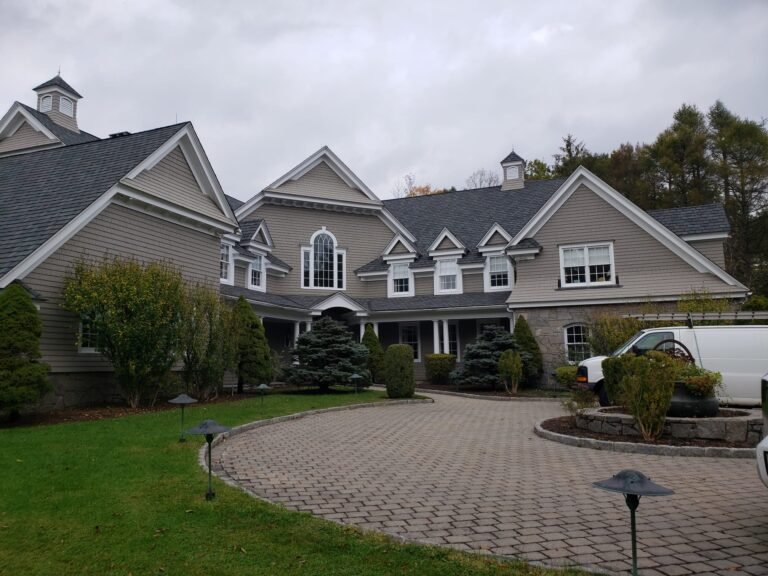
Larger homes over 3,000 square feet or properties with multiple dormers, chimneys, or skylights may take a full week even under perfect conditions. Each penetration requires custom flashing and careful sealing that can’t be rushed, and complex hip roofs with numerous planes demand more tear-off time than simple gable designs. Add a late-season cold snap or unexpected thunderstorm, and you’re looking at eight to ten days with yard disruption.
Day-by-Day Breakdown Models
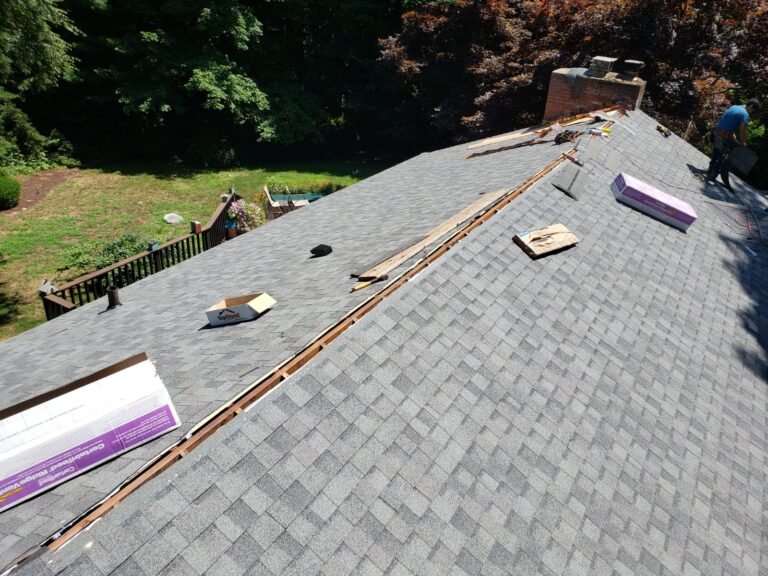
Day one typically involves tear-off and site preparation, weather permitting. Crews arrive early to set up perimeter protection, remove old shingles down to the deck, and haul debris to dumpsters positioned on driveways or streets. This phase stops immediately if rain begins, since exposed sheathing needs inspection for rot or damage before covering. If afternoon showers roll in, expect crews to tarp the roof and resume the following morning once surfaces dry.
Day two focuses on underlayment and deck repairs, but only when conditions stay dry and temperatures exceed minimum thresholds. Self-adhering membranes required for ice dam protection fail below 40 degrees Fahrenheit, so installers monitor forecasts closely before opening adhesive rolls. Once underlayment goes down, the roof gains basic weather resistance, allowing work to continue through light drizzle if necessary.
Days three and four bring shingle installation and flashing work. Roofers start at the eaves with starter strips, work upward in overlapping courses, and finish with ridge caps that vent attic heat. Valley flashing, pipe boots, and chimney saddles get installed as each section progresses, ensuring water channels properly off the roof. Day five or beyond handles finishing touches like gutter adjustments, final inspections, and comprehensive cleanup. Storm delays or steep slopes can push this phase into day seven or eight, especially when high winds above 30 miles per hour force safety pauses.
Key Steps in the Roof Installation Process
Each phase of professional roof replacement aligns with safety protocols from the National Oceanic and Atmospheric Administration and state building codes that govern asphalt, metal, or tile systems. Skipping steps or rushing work to beat weather forecasts creates liability risks and voids manufacturer warranties, so reputable contractors follow established sequences even when timelines stretch.
Site Preparation and Weather Assessment
Before removing a single shingle, professionals check extended forecasts for rain, wind, and temperature trends over the next five to seven days. Lightning safety protocols require immediate work stoppage when thunderstorms approach within six miles, so installers plan around afternoon storm patterns common in humid Northeast summers. Site prep includes securing tarps, positioning dumpsters to avoid drainage issues, and notifying neighbors about potential noise or debris.
Tear-off begins once weather windows open, with crews systematically removing old layers down to wood or plywood sheathing. This exposes the deck for inspection, revealing rot around chimneys, sagging areas that need reinforcement, or inadequate ventilation that caused premature shingle failure. Any repairs happen immediately, since covering damaged decking guarantees callback visits and water intrusion. Rain halts this phase entirely because wet wood can’t support new materials safely, and moisture trapped under underlayment breeds mold.
Underlayment and Ice Protection
Self-adhering ice barrier membranes must extend at least 24 inches inside exterior walls in Connecticut, addressing the state’s 42-inch frost line and ice dam risks. New York has similar requirements, though specific measurements vary by county and building department. These membranes stick directly to clean, dry decking and create watertight seals around penetrations, but they won’t adhere properly if ambient temperatures drop below 40 degrees or if morning dew coats surfaces.
Standard synthetic underlayment covers the rest of the roof, overlapping each row by several inches and securing with cap nails or staples. This layer provides temporary weather protection for days or weeks if material deliveries delay, but it’s not designed for long-term exposure. Professionals time this step carefully, applying underlayment only when at least 24 to 48 hours of dry weather follow to allow shingle installation before the next rain event.
Shingle, Flashing, and Ridge Attachment
Asphalt shingles install best when temperatures range from 40 to 85 degrees Fahrenheit, allowing the adhesive strips on each tab to seal properly under solar heat. Below 40 degrees, adhesives remain inactive, creating wind-lift risks until warmer weather arrives and manual sealing becomes necessary. Above 85 degrees, shingles can blister or distort during installation, especially on south-facing slopes that absorb maximum sunlight.
Installers begin at the eaves with starter strips that prevent wind-driven rain from entering at the roof edge, then work upward in horizontal courses that shed water downward. Valley flashing goes in where roof planes meet, using metal or specialized shingles that channel high water volumes safely to gutters. Ridge vents cap the peak, allowing hot attic air to escape while keeping rain and snow out. Each penetration, whether for plumbing vents, chimneys, or skylights, gets custom flashing and sealant that integrates with the shingle layers. Rushing these details to beat an approaching storm invites leaks that require partial tear-offs months later.
Additional Steps for Complex Installs
Northeast roofing often involves adaptations that add days to standard timelines but prove necessary for long-term durability. Steep pitches, wetland proximity, and severe weather exposure demand extra precautions that flat-roof installers in temperate zones rarely encounter.
Handling Slopes, Wetlands, and Storms
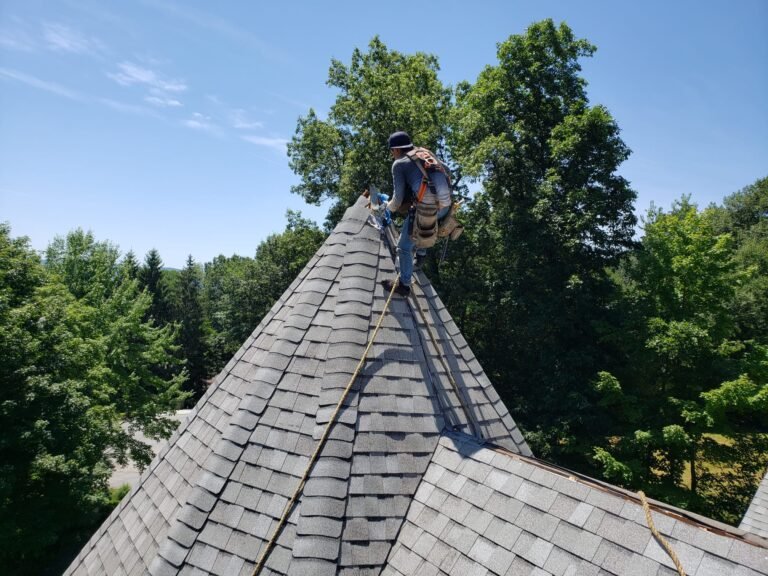
Roofs with pitches above 7:12 require racking scaffolds or roof jacks that provide stable footing for installers working on near-vertical surfaces. Setting up this equipment adds half a day to timelines, and safety regulations limit work during high winds that could destabilize platforms. Properties within 100 to 150 feet of wetlands need silt fencing and erosion controls during construction to prevent runoff from carrying roofing debris into protected areas, adding another day for installation and removal of these barriers.
Wind bracing becomes critical when forecasts predict gusts above 40 miles per hour during installation. Partially shingled roofs act like sails, and unsecured materials can blow off, damaging your property or neighbors’ homes. Professionals often pause work for one to two days when storm systems approach, securing tarps and weighting down material stacks rather than risking mid-project damage. These weather-related pauses frustrate homeowners watching equipment sit idle, but they prevent the catastrophic failures that result from forcing work in unsafe conditions.
Finishing Touches and Yard Restoration
Once shingles and flashing are complete, installers add vent caps, inspect gutter alignments for proper drainage, and conduct leak tests by running hoses over completed sections. Any disturbed landscaping gets raked and reseeded, with crews hauling away all debris to avoid clogging storm drains or creating runoff issues. Magnetic sweeps collect stray nails from driveways and lawns, protecting vehicle tires and bare feet. This cleanup phase typically takes less than a day but can stretch longer if heavy equipment compacted soil or if sodding is necessary to restore ornamental areas.
Final walkthroughs with homeowners identify any concerns about workmanship or missed details, allowing immediate corrections before contractors demobilize. This step closes out the permit process and triggers warranty coverage, so it’s worth scheduling even if you’re eager to reclaim your yard.
Permits, Weather Codes, and Regulations in CT and NY
Legal preparations ensure roof installations meet life-safety standards and protect your investment from future disputes. Connecticut roofing codes reference state building regulations that mandate ice protection, ventilation, and fire ratings based on your home’s location and construction type. New York codes vary more by municipality, with New York City enforcing stricter rules than rural upstate counties, but all jurisdictions require permits for full roof replacements.
Zoning and Utility Coordination
Building permits require current tax status verification, architectural plans showing roof pitch and materials, and fees ranging from $100 to $500 depending on project scope. Processing times run 10 to 30 days in busy spring seasons when everyone tries to schedule work before summer heat, so applying early prevents weather windows from passing unused. Frost-proof foundation requirements become relevant if contractors need equipment pads or scaffold bases, with inspectors verifying that supports won’t heave during freeze-thaw cycles.
Spite fence laws and wetlands regulations occasionally intersect with roofing when property line disputes arise or when runoff from construction affects neighboring lots. Malicious structures over six feet tall can trigger legal challenges in Connecticut, though most roofing work stays well below this threshold. Wetlands buffers require state or local environmental permits if your roof drains toward protected areas, adding weeks to approval timelines but preventing fines that exceed roofing costs.
What Homeowners Should Prepare For and Do
Understanding daily realities during roof installation helps you plan around noise, access needs, and temporary inconveniences that come with major exterior work. Northeast weather variability means flexibility becomes your friend, since rigid schedules often collide with forecast changes.
Daily Expectations During Install
Days one and two bring significant noise from tear-off equipment, compressors, and nail guns, typically starting around 7 or 8 a.m. and continuing until late afternoon. Dust and debris settle on nearby surfaces despite tarps, so moving patio furniture and closing windows on the work side reduces cleanup later. Contractors need driveway access for material deliveries and dumpster placement, sometimes blocking vehicles for hours at a time. Communicate parking alternatives with your crew to avoid delays when supply trucks arrive.
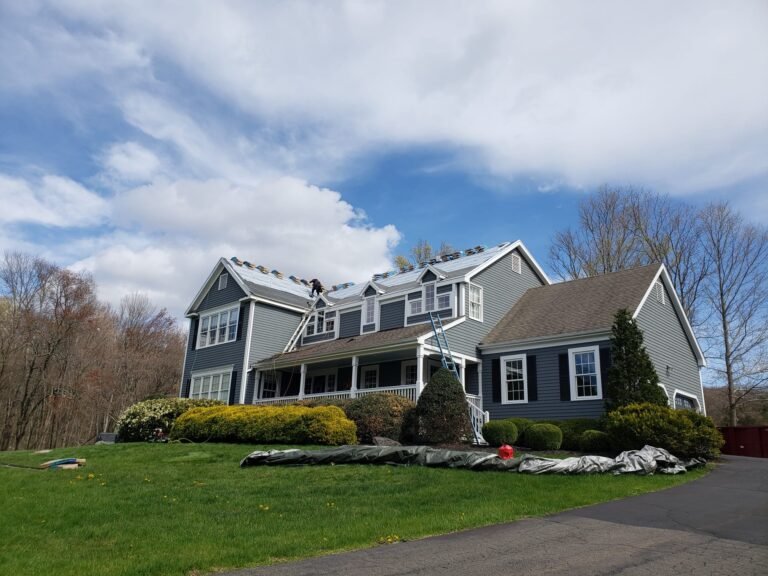
Expect tarp-covered sections of your yard during weather pauses, with materials stacked on pallets to keep them dry. Building inspectors may visit unannounced to verify underlayment installation or flashing details, requiring access to your property even on days when no roofing happens. Final walkthroughs happen after cleanup, giving you a chance to ask questions about maintenance or warranty terms before signing off on completion.
Tips to Minimize Disruptions
Spring scheduling between April and June offers the best balance of moderate temperatures, minimal frost delays, and longer daylight hours for extended work days. Clear gutters and downspouts before crews arrive, since clogged drainage can slow tear-off and create pooling issues that contractors must address before proceeding. Move vehicles, grills, and lawn ornaments away from the house perimeter to give installers unobstructed access and prevent accidental damage from falling debris.
Pet owners should plan indoor containment or alternative boarding during noisy tear-off days, as anxious animals sometimes escape through open doors when startled by equipment sounds. Notify neighbors about the project timeline so they can adjust parking or outdoor plans, maintaining goodwill if debris or dust drifts onto adjoining properties. Early permit applications beat the spring rush, securing approval before optimal weather windows arrive and allowing contractors to start immediately when forecasts cooperate.
Process Comparison Table: Simple vs. Complex Roof Install in CT/NY
| Phase | Simple Install (Dry Flat Roof) | Complex Install (Storm/Slope) |
|---|---|---|
| Tear-Off & Prep | 1 day in ideal conditions | 2 days with rain waits between sessions |
| Underlay/Deck | 1 day when temperatures stay above 40°F | 2 days accounting for frost buffers and drying time |
| Shingles/Flashing | 1 to 2 days for straightforward layouts | 2 to 3 days with wind pauses and steep-pitch safety measures |
| Total Timeline | 3 to 4 days under optimal conditions | 6 to 7+ days with weather and site challenges |
Common Mistakes Homeowners Make During Roof Installation
Ignoring extended forecasts risks exposing your home’s interior to preventable water damage when surprise storms arrive mid-project. Contractors can tarp roofs in emergencies, but rushed covers often leak at seams, creating repair costs that exceed the value of pushing work forward. Skipping permit applications invites municipal fines and can void homeowner’s insurance coverage if wind or hail damages an unpermitted roof, since insurers verify code compliance before paying claims.
Poor timing extends yard disruption when homeowners schedule installations during peak storm seasons or fail to account for frost delays in late fall and early spring. Starting a roof project in November guarantees weather pauses as temperatures drop below adhesive thresholds, potentially leaving tarps on your home through winter if work halts mid-installation. Skipping final inspections before contractors leave means discovering leaks or workmanship issues months later when callback scheduling becomes difficult and warranty claims face scrutiny.
Choosing the lowest bid without verifying contractor licensing and insurance creates liability when workers injure themselves on your property or when substandard work fails prematurely. Reputable installers carry workers’ compensation and general liability coverage, provide references from recent projects, and explain how weather contingencies affect their quoted timelines. These details matter more than saving a few hundred dollars on a 20-year investment.
Preparing Your Property for Roof Installation in CT/NY
Trim overhanging branches within six feet of the roof to give installers safe access and prevent damage from falling limbs during storms. Dead trees near the house pose risks when equipment vibrations or high winds cause unexpected failures, so address hazardous vegetation before roofing begins. Monitor NOAA forecasts starting two weeks before your scheduled installation, watching for weather patterns that might delay start dates or create mid-project pauses.
Confirm frost depth and zoning compliance through your local building department’s online portals, verifying that your permit application includes required frost-protection details if work happens in transitional seasons. Pre-arrival preparations like clearing attic insulation away from roof penetrations and protecting interior valuables from vibration help contractors work efficiently once weather windows open, minimizing the days your yard stays in construction mode.
Frequently Asked Questions About Roof Installation Weather
Q: What is the typical roof installation process in Connecticut and New York?
A: The standard sequence includes tear-off and deck inspection, underlayment with ice barriers, shingle and flashing installation, and final cleanup. Most projects take three to seven days depending on weather cooperation, with each phase requiring specific temperature and moisture conditions to meet code requirements and manufacturer warranties.
Q: How does weather delay roof installations in the Northeast?
A: Rain or snow typically pauses work for two to three days while decking dries completely, since moisture trapped under new materials causes rot and mold. Temperatures below 40 degrees Fahrenheit prevent adhesive activation on shingles and self-adhering membranes, halting installations until warmer conditions return. High winds above 30 miles per hour create safety hazards that force crews to secure materials and wait for calmer weather.
Q: Are permits required for roof installation in my area?
A: Yes, Connecticut and New York jurisdictions require building permits for full roof replacements to verify code compliance with ventilation, ice protection, and structural standards. Applications include plans, tax verification, and fees processed through local building departments, with contractors typically handling submissions. Processing takes 10 to 30 days during busy seasons, so early applications prevent delays when weather windows open.
Q: What should I expect on roof installation day one?
A: Day one focuses on tear-off and site preparation, with crews removing old shingles down to the deck and inspecting for damage. Noise levels stay high from morning through late afternoon, and debris accumulates in dumpsters positioned on driveways or streets. If rain begins during tear-off, work stops immediately and tarps go up to protect exposed sheathing until conditions dry.
Q: How can I minimize yard disruption from roof weather delays?
A: Spring scheduling between April and June avoids frost delays and reduces storm frequency compared to fall or winter installations. Early permit applications ensure approvals arrive before optimal weather windows, letting contractors start immediately when forecasts cooperate. Clearing obstacles from the house perimeter and maintaining flexible timelines help crews work efficiently during available dry periods, shortening overall yard disruption.
Final Thoughts: Weather-Smart Roofing Protects Your Investment
Connecticut and New York roofing professionals manage complex weather variables, frost considerations, and zoning requirements to deliver installations that last 20 to 30 years with minimal maintenance. Understanding the three-to-seven-day timeline range and the factors that push projects toward the longer end helps you prepare for temporary yard disruption while appreciating the code-driven steps that protect your home. From frost-proof underlayment extending 24 inches inside walls to mandatory rain pauses that prevent moisture trapping, each weather-related decision serves long-term durability over short-term convenience.
The “what happens next” concerns many homeowners experience stem from uncertainty about process sequences and weather impacts. When you know tear-off happens first and requires dry conditions, that underlayment can’t go down below 40 degrees, and that shingles need proper temperature ranges to seal correctly, the reasons for delays make sense rather than frustrating you. Licensed professionals through state contractor directories provide detailed bids that account for regional weather patterns, offering realistic timelines that build in contingencies for Northeast climate variability.
For property owners dealing with more than just roof concerns, comprehensive site management becomes important. Whether you’re coordinating construction schedules or maintaining your grounds during major projects, professional services help minimize disruptions. Tri-State Geese Patrol specializes in humane wildlife management using trained border collies, keeping your lawn presentable and safe from goose-related messes during roofing work and beyond. With over 11 years of experience serving commercial and residential properties across Connecticut and New York, their 24/7 responsive service addresses one less variable in your outdoor maintenance plan. Contact their team to learn how cost-effective goose control protects your investment while contractors handle overhead improvements.